
3 Phase Synchronous Motor
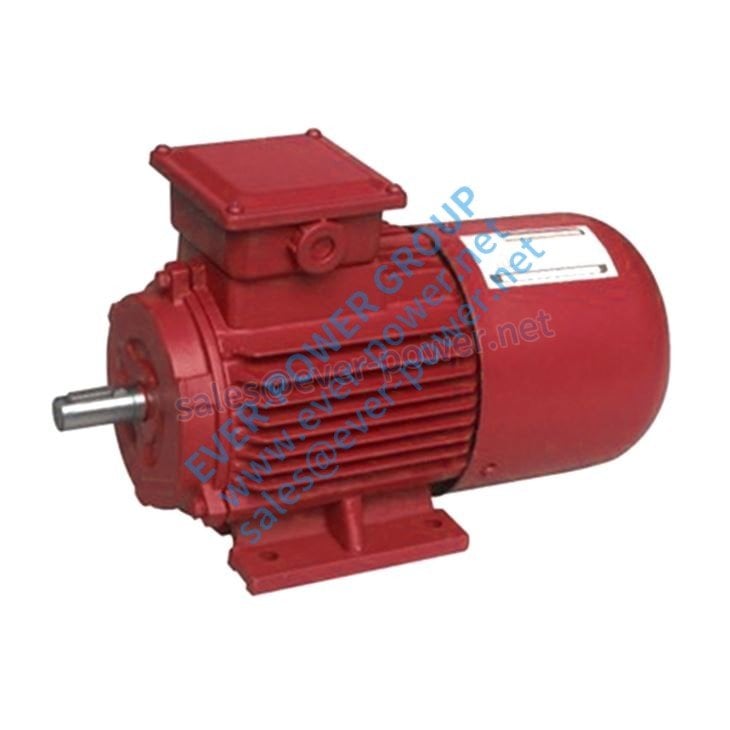
3 Phase Synchronous Motor

The operation of a typical three-phase synchronous motor can be summarized as follows:
- Three-phase AC voltage is applied to the stator windings and a rotating magnetic field is produced.
- DC voltage is applied to the rotor winding and a second magnetic field is produced.
- The rotor then acts like a magnet and is attracted by the rotating stator field.
- This attraction exerts a torque on the rotor and causes it to rotate at the synchronous speed of the rotating stator field.
- The rotor does not require the magnetic induction from the stator field for its excitation. As a result, the motor has zero slip compared to the induction motor, which requires slip in order to produce torque.
Synchronous motors are not self-starting and therefore require a method of bringing the rotor up to near synchro nous speed before the rotor DC power is applied. Synchronous motors typically start as a normal squirrel cage induction motor through use of special rotor amortisseur windings. Also, there are two basic methods of providing excitation current to the rotor. One method is to use an external DC source with current supplied to the windings through slip rings. The other method is to have the exciter mounted on the common shaft of the motor. This arrangement does not require the use of slip rings and brushes.
An electrical system's lagging can be corrected by overexciting the rotor of a synchronous motor operating within the same system. This will produce a leading power factor, canceling out the lagging power factor of the inductive loads. An underexcited DC field will produce a lagging power factor and for this reason is seldom used. When the field is normally excited, the synchronous motor will run at a unity power factor. Three-phase synchronous motors can be used for power factor correction while at the same time performing a major function, such as operating a compressor. If mechanical power output is not needed, however, or can be provided in other cost-effective ways, the synchronous machine remains useful as a "nonmotor" means of con trolling power factor. It does the same job as a bank of static capacitors. Such a machine is called a synchronous condenser or capacitor.
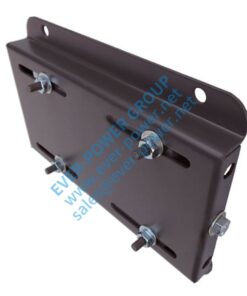
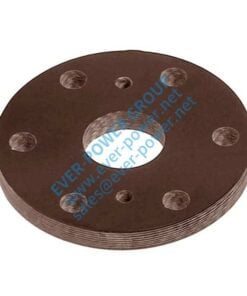
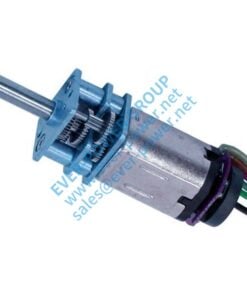
Product Quick Detail:
- Standard and non-standard available
- With high quality and competitive price
- Prompt delivery
- Packing as per customer’s demand.
We promise will offer the best price by the high quality in china! We also accept special order about the products. If you are interested in our products. Please do not hesitate to let us know.We are pleased to give you the detailed information.We promise that our products would be safety and were in high quality and reasonable price. If you are interested in our products, please contact us asap.We are sincerely looking for your cooperation.
Most of our products are exported to Europe or Americas, both standard and nonstandard products available. We can produce as per your drawing or sample. Material can be standard or as per your special request. If you choose us, you choose reliable.

Materials Available
1. Stainless Steel: SS201, SS303, SS304, SS316, SS416, SS420
2. Steel:C45(K1045), C46(K1046),C20
3. Brass:C36000 ( C26800), C37700 ( HPb59), C38500( HPb58), C27200(CuZn37), C28000(CuZn40)
4. Bronze: C51000, C52100, C54400, etc
5. Iron: 1213, 12L14,1215
6. Aluminum: Al6061, Al6063
7.OEM according to your request
Surface Treatment
Annealing, natural canonization, heat treatment, polishing, nickel plating, chrome plating, zinc plating,yellow passivization, gold passivization, satin, Black surface painted etc.
Processing Method
CNC machining, punch,turning, milling, drilling, grinding, broaching, welding and assembly
QC & Certificate
Technicians self-check in production,final-check before package by professional Quality inspector
ISO9001:2008 , ISO14001:2001,ISO/TS 16949:2009
Package & Lead Time
Size: Drawings
Wooden Case/Container and pallet, or as per customized specifications.
15-25days samples. 30-45days offcial order
Port: Shanghai/Ningbo port
 English
  Bulgarian
  Russian
  Czech
Czech  Bosnian
  Thai
Thai  Arabic
  Chinese
  Swahili
  Amharic
  Japanese
  Korean
  Hungarian
  Spanish
  Azerbaijani
  Greek
Greek  Vietnamese
  Danish
  Malay
Malay  Hebrew
  Croatian
  Bengali
  Kyrgyz
  Italian
  Polish
  French
  Kazakh
  Portuguese