
Factory Manufacture Various Elbow Union-W Hydraulic Fittings Brands
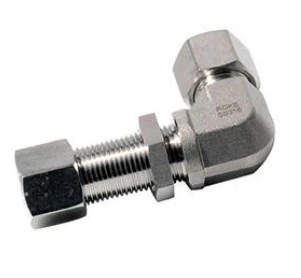
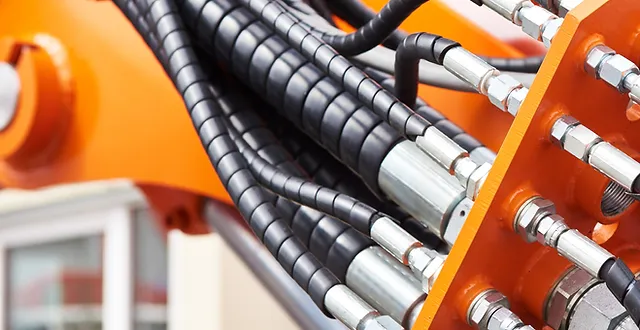
Hydraulic fittings are components used in hydraulic systems to connect, route, and control the flow of hydraulic fluid. They are designed to create secure, leak-free connections between various hydraulic components, such as hoses, tubes, pipes, valves, and hydraulic cylinders.
What Are The Hydraulic Fittings?
Hydraulic fittings are components used in hydraulic systems to connect, route, and control the flow of hydraulic fluid. They are designed to create secure, leak-free connections between various hydraulic components, such as hoses, tubes, pipes, valves, and hydraulic cylinders.
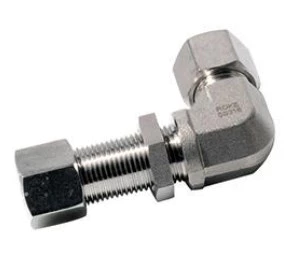
Here are some key aspects of hydraulic fittings:
- Types: Hydraulic fittings come in various types, each serving specific purposes and connection methods. Some common types include:
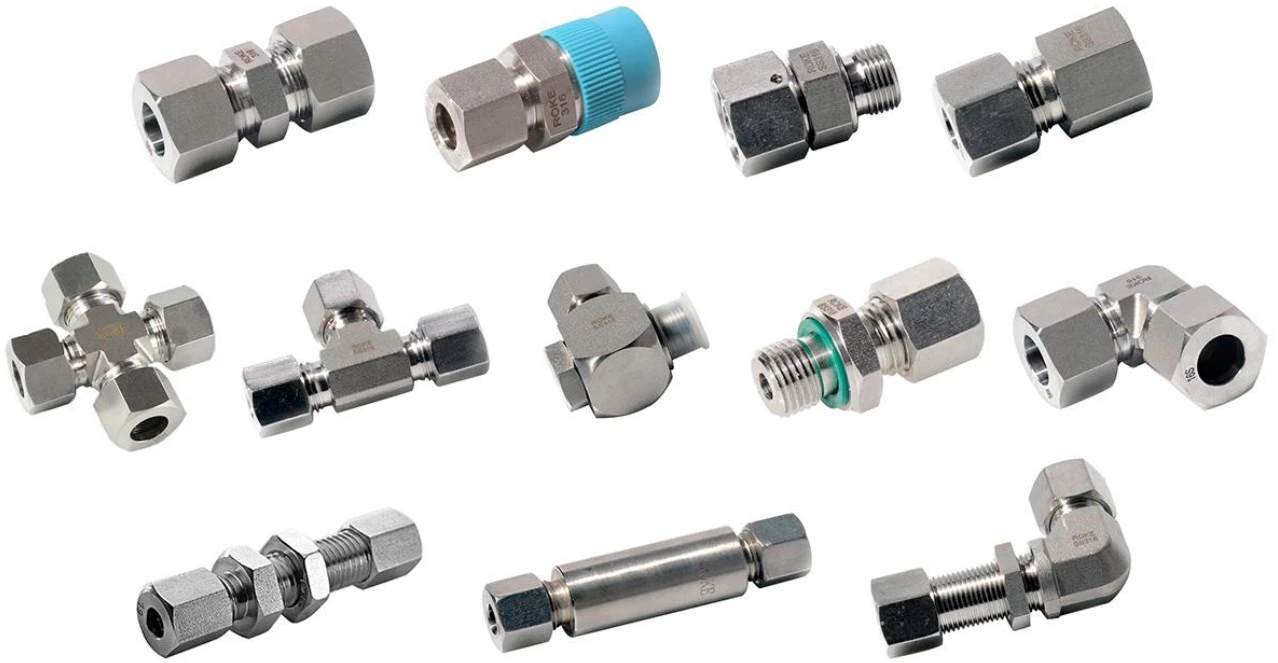
- Hydraulic Hose Fittings: These fittings connect hydraulic hoses to other components. They can have threaded connections, flared ends, or quick-connect couplings.
- Hydraulic Tube Fittings: These fittings connect hydraulic tubes or pipes. They often involve flared or compression connections and are used when a more rigid connection is required.
- Hydraulic Adapters allow for compatibility between different types, sizes, or thread patterns of hydraulic components. They facilitate connections between mismatched parts.
- Connection Methods: Hydraulic fittings use different connection methods to ensure a secure fit. These methods include threaded connections, flared connections, compression fittings, quick-connect couplings, and O-ring face seal fittings. The selection of the appropriate connection method depends on factors such as pressure, flow rate, and system requirements.
- Materials: Hydraulic fittings are typically made from materials that offer strength, durability, and resistance to corrosion. Common materials include steel, stainless steel, brass, and aluminum. The choice of material depends on factors such as the application's operating conditions, compatibility with the hydraulic fluid, and environmental considerations.
- Pressure Ratings: Hydraulic fittings are rated for specific pressure ranges to ensure safe operation. The pressure rating indicates the maximum pressure the fitting can withstand without failure. It is important to select fittings with appropriate pressure ratings that match the requirements of the hydraulic system.
- Sealing Mechanisms: To achieve leak-free connections, hydraulic fittings incorporate sealing mechanisms such as O-rings or sealing washers. These seals prevent hydraulic fluid from escaping and maintain system integrity.
- Installation and Maintenance: Proper installation and maintenance of hydraulic fittings are crucial for their performance and longevity. It involves ensuring correct tightening torque, inspecting fittings for damage or wear, and replacing seals. Regular maintenance helps prevent leaks, maintain system efficiency, and prolong the life of the fittings.

| W Part NO. | Series Working Pressure (bar/psi) | Tube O.d. | l2 | L2 | S1 | S2 |
| -W04LL | LL very light 100 bar 1450psi | 4 | 11 | 21 | 9 | 10 | |
| -W06LL | 6 | 9.5 | 21 | 11 | 12 | ||
| -W08LL | 8 | 11.5 | 23 | 12 | 14 | ||
| -W10LL | 10 | 12.5 | 24 | 14 | 17 | ||
| -W12LL | 12 | 13 | 25 | 17 | 19 | ||
| -W06L | L light 315 bar 4560psi | 6 | 12 | 27 | 12 | 14 | |
| -W08L | 8 | 14 | 29 | 14 | 17 | ||
| -W10L | 10 | 15 | 30 | 17 | 19 | ||
| -W12L | 12 | 17 | 32 | 19 | 22 | ||
| -W15L | 15 | 21 | 36 | 19 | 27 | ||
| -W18L | 18 | 23.5 | 40 | 24 | 32 | ||
| -W22L | 160 bar 2320psi | 22 | 27.5 | 44 | 27 | 36 | |
| -W28L | 28 | 30.5 | 47 | 36 | 41 | ||
| -W35L | 35 | 34.5 | 56 | 41 | 50 | ||
| -W42L | 42 | 40 | 63 | 50 | 60 | ||
| -W06S | S heavy 630 bar 9130psi | 6 | 16 | 31 | 14 | 17 | |
| -W08S | 8 | 17 | 32 | 17 | 19 | ||
| -W10S | 10 | 17.5 | 34 | 19 | 22 | ||
| -W12S | 12 | 21.5 | 38 | 22 | 24 | ||
| -W14S | 14 | 22 | 40 | 19 | 27 | ||
| -W16S | 400 bar 5800psi | 16 | 24.5 | 43 | 24 | 30 | |
| -W20S | 20 | 26.5 | 48 | 27 | 36 | ||
| -W25S | 25 | 30 | 54 | 36 | 46 | ||
| -W30S | 30 | 35.5 | 62 | 41 | 50 | ||
| -W38S | 315 bar 4560psi | 38 | 41 | 72 | 50 | 60 |
Installation Instructions
The nuts of ROKE hydraulic fittings are all silver plated, and spray nano lubricating layer with our patent. This way, the installation torque can be controlled within a reasonable range.
Especially in the case of narrow space or suspended operation, it makes installation very easy.
For proper assembly, assembly instructions shall be followed. Improper assembly may lead to malfunctions or impair safety.
Assembly in the fitting body
- Cut the tube:1/2˚ angle tolerance to the tube axis is permissible. A tube cutter is not recommended.
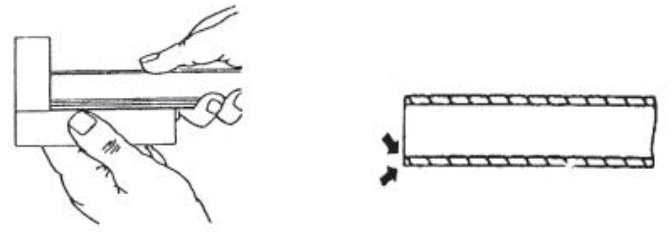
- Lightly remove chips and particles from the inside and outside cut edges of the tube. Bevel up to 0.2mm × 45˚ is permissible.
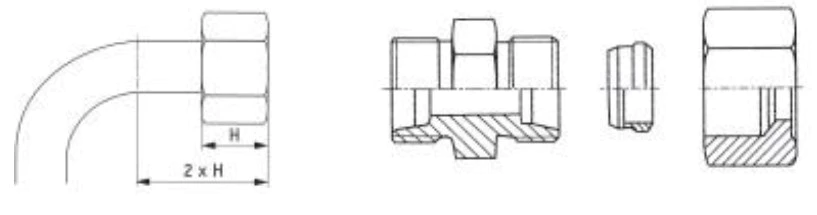
- For tube bend, the minimum height from the straight pipe end to the bending radius must be at least twice the height of the nut.
- Lubricate the thread and cone of the fitting body, ring, and thread of the nut.
Assembly
- Slip nut and then ring onto the tube end. Ensure that the ring is placed correctly.
- Screw nut manually onto fitting body until finger tight. Hold the tube against the shoulder in the cone of the fitting body.
- Mark nut and tube to measure the prescribed turns of the nut.
- Tighten the nut 1 1/4 turns. Tube must not turn with tube. Stop edge of the ring limits over-tightening by increasing tightening torque.

Check & Final Assembly
- Loosen nut and remove the ring-mounted tube from the fitting. Check if a visible collar has formed on the pipe before the first cutting edge. If not, tighten slightly more.
- Insert the pre-assembled tube into the fitting. While holding the fitting body with a wrench, tighten nut approx. 1/4 revolution beyond the point of a clearly perceptible resistance.

How to select Hydraulic Fittings?
Selecting the right hydraulic fittings for your application is essential to ensure the proper functionality, safety, and reliability of the hydraulic system. Here are some key factors to consider when selecting hydraulic fittings:
1. System Requirements: Understand the specific requirements of your hydraulic system, such as operating pressure, flow rate, temperature range, and compatibility with the hydraulic fluid. These parameters will help determine the fittings' appropriate pressure rating, size, and material.
2. Fitting Type: Determine the type of fitting needed based on the connection requirements of your hydraulic components. Consider whether you need hose, tube, adapters, or other specialized fittings to match the system's configuration and connection methods.
3. Connection Method: Evaluate the connection method required for your application. Different connection methods, such as threaded, flared, or compression fittings, may be suitable depending on the system's pressure, vibration, and ease of installation or maintenance requirements.
4. Material Selection: Choose a fitting material that is compatible with the hydraulic fluid, environmental conditions, and system requirements. Common materials include steel, stainless steel, brass, and aluminum. Consider factors such as corrosion resistance, strength, and cost when selecting.
5. Pressure Rating: Ensure that the selected fittings have a pressure rating that exceeds the maximum operating pressure of your hydraulic system. It is crucial to consider the dynamic pressure, surge pressure, and any pressure spikes in the system.
6. Size and Configuration: Determine the appropriate size of the fittings based on the hose or tubing size and the connection requirements of the hydraulic components. Consider factors such as thread size, thread type (e.g., NPT, BSP), and fitting shape or configuration to ensure compatibility and proper fit.
7. Standards and Regulations: Adhere to industry standards and regulations when selecting hydraulic fittings. Refer to ISO, SAE, or DIN standards to ensure compliance and compatibility with other hydraulic components.
8. Manufacturer Recommendations: Consult the manufacturer's recommendations and guidelines for fitting selection. Manufacturers often provide technical information, compatibility charts, and application-specific recommendations to help you choose the right fittings for your hydraulic system.
9. Consult Experts: If you are unsure or need assistance, consult with hydraulic experts, suppliers, or professionals who can guide you in selecting the appropriate hydraulic fittings for your specific application.
By considering these factors and seeking expert advice when needed, you can make informed decisions and select hydraulic fittings that meet the requirements of your hydraulic system, ensuring reliable and efficient operation.
What are some common industry standards and regulations for hydraulic fittings?
Industry standards and regulations govern hydraulic fittings to ensure compatibility, safety, and performance. Here are some common standards and rules for hydraulic fittings:
1. ISO 8434: ISO 8434 provides standards for metric and inch stud ends, ports, and fittings used in hydraulic systems. It specifies dimensions, materials, and performance requirements for various fitting types, including tubes, hoses, and connectors.
2. SAE J514: The SAE J514 standard, also known as the SAE Straight Thread O-Ring Boss (ORB) standard, establishes specifications for hydraulic tube fittings with straight threads and O-ring seals. It defines dimensions, tolerances, and performance requirements for O-ring boss fittings.
3. SAE J516: SAE J516 defines specifications for hydraulic hose fittings used with SAE J517 hydraulic hoses. It covers various hose fittings, including straight, 45-degree, and 90-degree fittings, and provides dimensional and performance requirements.
4. ISO 11926: ISO 11926, the ISO Metric Parallel Pipe (MPP) standard, specifies the dimensions and performance requirements for metric parallel pipe threads used in hydraulic systems. It ensures the interchangeability and compatibility of fittings with metric parallel pipe threads.
5. DIN 2353: DIN 2353 is a German standard that defines the requirements for hydraulic tube fittings with 24-degree cone connectors. It specifies dimensions, materials, and performance characteristics for fittings used in metric hydraulic systems.
6. DOT FMVSS 106: The Department of Transportation (DOT) Federal Motor Vehicle Safety Standard (FMVSS) 106 regulates hydraulic brake hoses and fittings used in automotive braking systems. It sets requirements for burst pressure, elongation, temperature resistance, and other performance characteristics to ensure safe braking operations.
7. API 7K: The American Petroleum Institute (API) standard API 7K requires rotary drilling and vibrator hoses used in oil and gas drilling operations. It covers specifications for hose assemblies, including fittings, to ensure safety and reliability in demanding drilling environments.
8. ASME B31.1 and B31.3: The American Society of Mechanical Engineers (ASME) B31.1 and B31.3 codes provide guidelines for pressure piping systems in power plants (B31.1) and process piping systems (B31.3). These codes cover design, materials, fabrication, and installation of piping systems, including hydraulic fittings.
It is important to consult the specific standards and regulations applicable to your industry and application when selecting hydraulic fittings. Compliance with these standards ensures compatibility, safety, and performance of the hydraulic system, and helps select and install suitable fittings.
Our Factory
 |  |
 |  |
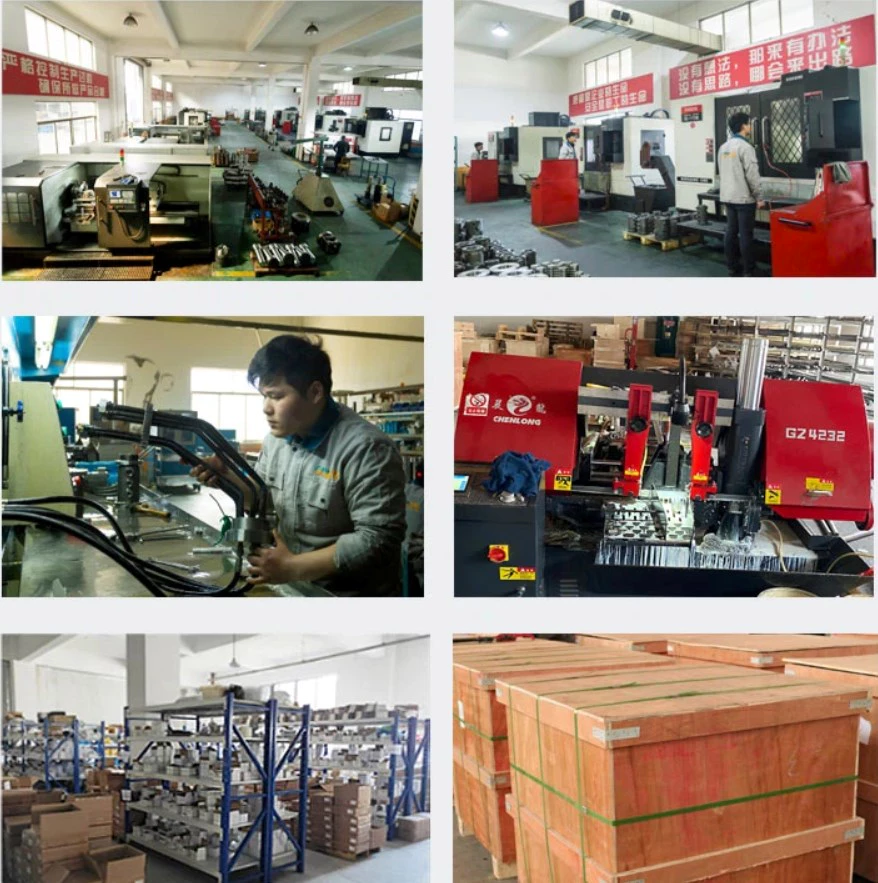
Ever power, the main products of various domestic and international standards of high-pressure ball valves, needle valves, valve manifolds, flange, pipe fittings, tube fittings, and other products, widely used in nuclear power, petroleum, chemical, shipbuilding, sea engineering, metallurgy, machinery, electric power industries, measuring instrument pipeline and the high temperature and high pressure, high corrosion resistance and other harsh conditions of the site.
Our company is approved by the China Classification Society quality certification, with import and export certificates. The company covers an area of 7200 square meters, a construction area of 5400 square meters, and an existing technical staff of more than 60 people. Company production equipment, product manufacturing product design, mold development, mold making material forging, CNC precision machining, metal surface treatment, finished testing a full set of production technology, the production of high precision products, pressure resistant. Products are exported to Japan, Germany, America, South America, Southeast Asia, and many others.
Additional information
| edited | by hyw |
|---|
Related products
-
Good Quality Forklift Hydraulic Tilt Cylinder 12kg for Sale
-
Good Quality Hydraulic Tightening Cylinder for Large Excavator Price
-
15MPa 13kg Forklift Distance Adjustment Hydraulic Cylinder Replacement of Toyota
-
100kg Hydraulic Upper Arm Cylinder for Boom Aerial Work Vehicle
-
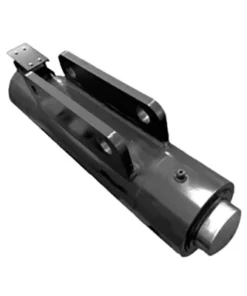
Various Good Quality Counterweight Hydraulic Cylinders for Cranes
-
Hydraulic Locking Cylinders For Sanitation Machinery
Product Quick Detail:
- Standard and non-standard available
- With high quality and competitive price
- Prompt delivery
- Packing as per customer’s demand.
We promise will offer the best price by the high quality in china! We also accept special order about the products. If you are interested in our products. Please do not hesitate to let us know.We are pleased to give you the detailed information.We promise that our products would be safety and were in high quality and reasonable price. If you are interested in our products, please contact us asap.We are sincerely looking for your cooperation.
Most of our products are exported to Europe or Americas, both standard and nonstandard products available. We can produce as per your drawing or sample. Material can be standard or as per your special request. If you choose us, you choose reliable.

Materials Available
1. Stainless Steel: SS201, SS303, SS304, SS316, SS416, SS420
2. Steel:C45(K1045), C46(K1046),C20
3. Brass:C36000 ( C26800), C37700 ( HPb59), C38500( HPb58), C27200(CuZn37), C28000(CuZn40)
4. Bronze: C51000, C52100, C54400, etc
5. Iron: 1213, 12L14,1215
6. Aluminum: Al6061, Al6063
7.OEM according to your request
Surface Treatment
Annealing, natural canonization, heat treatment, polishing, nickel plating, chrome plating, zinc plating,yellow passivization, gold passivization, satin, Black surface painted etc.
Processing Method
CNC machining, punch,turning, milling, drilling, grinding, broaching, welding and assembly
QC & Certificate
Technicians self-check in production,final-check before package by professional Quality inspector
ISO9001:2008 , ISO14001:2001,ISO/TS 16949:2009
Package & Lead Time
Size: Drawings
Wooden Case/Container and pallet, or as per customized specifications.
15-25days samples. 30-45days offcial order
Port: Shanghai/Ningbo port
 English
  Bulgarian
  Russian
  Czech
Czech  Bosnian
  Thai
Thai  Arabic
  Chinese
  Swahili
  Amharic
  Japanese
  Korean
  Hungarian
  Spanish
  Azerbaijani
  Greek
Greek  Vietnamese
  Danish
  Malay
Malay  Hebrew
  Croatian
  Bengali
  Kyrgyz
  Italian
  Polish
  French
  Kazakh
  Portuguese