
Factory Manufacture Various Elbow Union-W Hydraulic Fittings Brands
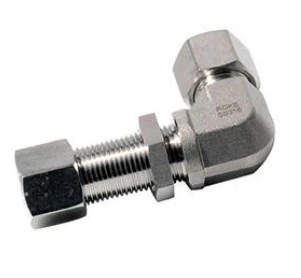
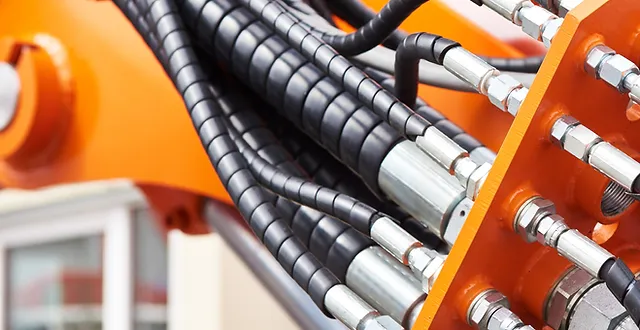
Hydraulic fittings are components used in hydraulic systems to connect, route, and control the flow of hydraulic fluid. They are designed to create secure, leak-free connections between various hydraulic components, such as hoses, tubes, pipes, valves, and hydraulic cylinders.
유압 피팅이란 무엇입니까?
Hydraulic fittings are components used in hydraulic systems to connect, route, and control the flow of hydraulic fluid. They are designed to create secure, leak-free connections between various hydraulic components, such as hoses, tubes, pipes, valves, and hydraulic cylinders.
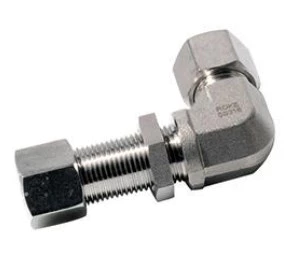
Here are some key aspects of hydraulic fittings:
- Types: Hydraulic fittings come in various types, each serving specific purposes and connection methods. Some common types include:
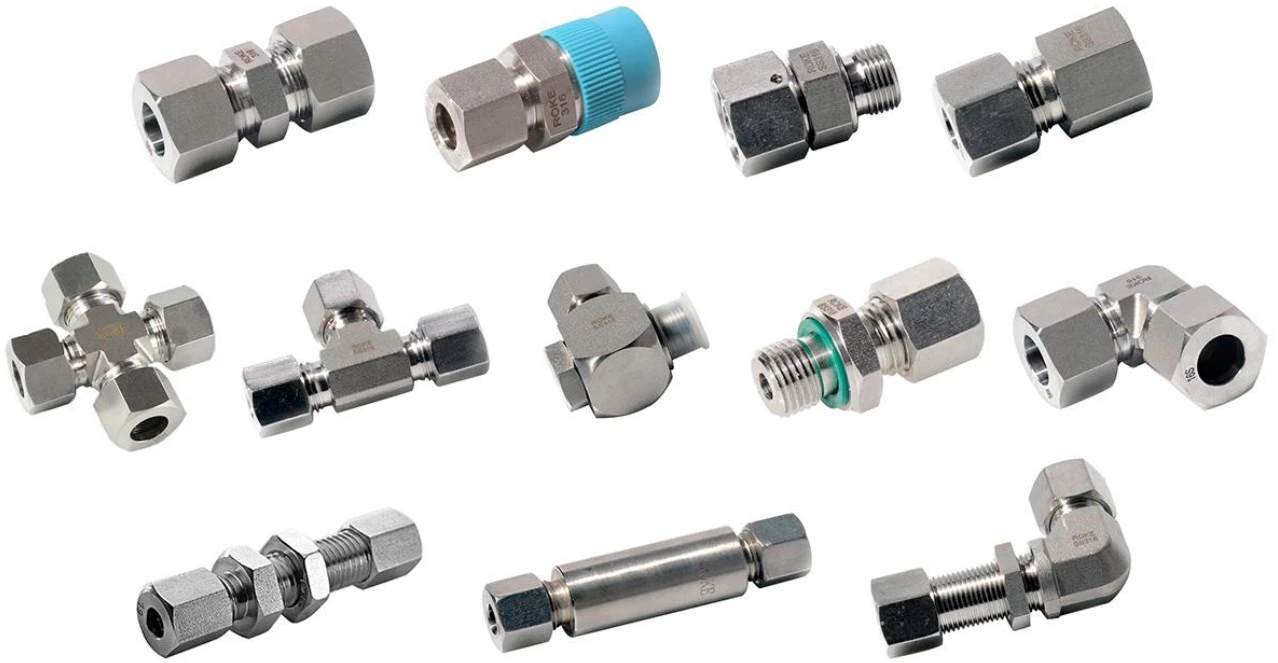
- Hydraulic Hose Fittings: These fittings connect hydraulic hoses to other components. They can have threaded connections, flared ends, or quick-connect couplings.
- Hydraulic Tube Fittings: These fittings connect hydraulic tubes or pipes. They often involve flared or compression connections and are used when a more rigid connection is required.
- Hydraulic Adapters allow for compatibility between different types, sizes, or thread patterns of hydraulic components. They facilitate connections between mismatched parts.
- Connection Methods: Hydraulic fittings use different connection methods to ensure a secure fit. These methods include threaded connections, flared connections, compression fittings, quick-connect couplings, and O-ring face seal fittings. The selection of the appropriate connection method depends on factors such as pressure, flow rate, and system requirements.
- Materials: Hydraulic fittings are typically made from materials that offer strength, durability, and resistance to corrosion. Common materials include steel, stainless steel, brass, and aluminum. The choice of material depends on factors such as the application's operating conditions, compatibility with the hydraulic fluid, and environmental considerations.
- Pressure Ratings: Hydraulic fittings are rated for specific pressure ranges to ensure safe operation. The pressure rating indicates the maximum pressure the fitting can withstand without failure. It is important to select fittings with appropriate pressure ratings that match the requirements of the hydraulic system.
- Sealing Mechanisms: To achieve leak-free connections, hydraulic fittings incorporate sealing mechanisms such as O-rings or sealing washers. These seals prevent hydraulic fluid from escaping and maintain system integrity.
- Installation and Maintenance: Proper installation and maintenance of hydraulic fittings are crucial for their performance and longevity. It involves ensuring correct tightening torque, inspecting fittings for damage or wear, and replacing seals. Regular maintenance helps prevent leaks, maintain system efficiency, and prolong the life of the fittings.

| 여 부품 번호 | 시리즈 작동 압력 (바/프시) | 튜브 O.d. | l2 | L2 | S1 | S2 |
| -W04LL | 엘엘 매우 가벼운 100bar 1450psi | 4 | 11 | 21 | 9 | 10 | |
| -W06LL | 6 | 9.5 | 21 | 11 | 12 | ||
| -W08LL | 8 | 11.5 | 23 | 12 | 14 | ||
| -W10LL | 10 | 12.5 | 24 | 14 | 17 | ||
| -W12LL | 12 | 13 | 25 | 17 | 19 | ||
| -W06L | L 가벼운 315바 4560psi | 6 | 12 | 27 | 12 | 14 | |
| -W08L | 8 | 14 | 29 | 14 | 17 | ||
| -W10L | 10 | 15 | 30 | 17 | 19 | ||
| -W12L | 12 | 17 | 32 | 19 | 22 | ||
| -W15L | 15 | 21 | 36 | 19 | 27 | ||
| -W18L | 18 | 23.5 | 40 | 24 | 32 | ||
| -W22L | 160바 2320psi | 22 | 27.5 | 44 | 27 | 36 | |
| -W28L | 28 | 30.5 | 47 | 36 | 41 | ||
| -W35L | 35 | 34.5 | 56 | 41 | 50 | ||
| -W42L | 42 | 40 | 63 | 50 | 60 | ||
| -W06S | 에스 무거운 630바 9130psi | 6 | 16 | 31 | 14 | 17 | |
| -W08S | 8 | 17 | 32 | 17 | 19 | ||
| -W10S | 10 | 17.5 | 34 | 19 | 22 | ||
| -W12S | 12 | 21.5 | 38 | 22 | 24 | ||
| -W14S | 14 | 22 | 40 | 19 | 27 | ||
| -W16S | 400바 5800psi | 16 | 24.5 | 43 | 24 | 30 | |
| -W20S | 20 | 26.5 | 48 | 27 | 36 | ||
| -W25S | 25 | 30 | 54 | 36 | 46 | ||
| -W30S | 30 | 35.5 | 62 | 41 | 50 | ||
| -W38S | 315바 4560psi | 38 | 41 | 72 | 50 | 60 |
설치 지침
ROKE 유압 피팅의 너트는 모두 은도금 처리되었으며, 당사 특허 기술로 나노 윤활층을 분사합니다. 이를 통해 설치 토크를 적정 범위 내에서 제어할 수 있습니다.
특히 공간이 좁거나, 작업이 중단된 경우에도 설치가 매우 쉽습니다.
올바른 조립을 위해 조립 지침을 따라야 합니다. 부적절하게 조립하면 고장이나 안전 문제가 발생할 수 있습니다.
피팅 바디에 조립
- 튜브 절단: 튜브 축에 대해 1/2˚ 각도 허용 오차는 허용됩니다. 튜브 커터는 권장하지 않습니다.
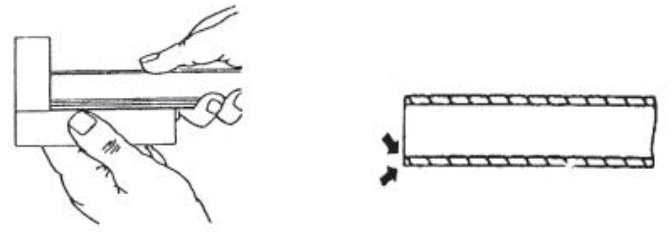
- 튜브의 안쪽과 바깥쪽 절단면의 부스러기와 이물질을 가볍게 제거하세요. 최대 0.2mm × 45˚의 경사각이 허용됩니다.
- 튜브 벤딩의 경우, 직선 파이프 끝에서 굽힘 반경까지의 최소 높이는 너트 높이의 두 배 이상이어야 합니다.
- 피팅 본체의 나사산과 원뿔, 링, 너트의 나사산에 윤활유를 바릅니다.
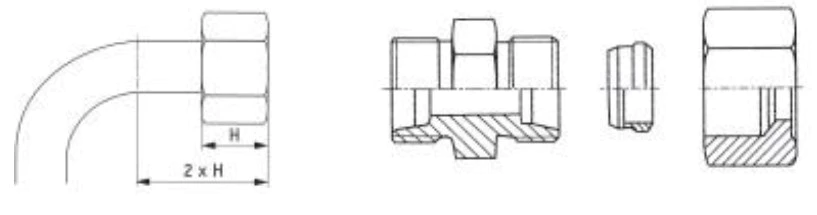
집회
- 너트를 끼운 후 튜브 끝에 링을 끼웁니다. 링이 제대로 끼워졌는지 확인하세요.
- 너트를 피팅 본체에 손으로 돌려 단단히 조입니다. 튜브를 피팅 본체 원뿔의 어깨 부분에 대고 고정합니다.
- 너트와 튜브에 표시를 하여 너트의 규정된 회전수를 측정합니다.
- 너트를 1 1/4바퀴 조이세요. 튜브가 튜브와 함께 돌아가서는 안 됩니다. 링의 끝부분을 막으면 조임 토크를 높여 과도한 조임을 방지할 수 있습니다.

점검 및 최종 조립
- 너트를 풀고 링이 장착된 튜브를 피팅에서 분리하세요. 첫 번째 절삭날 전에 파이프에 눈에 띄는 칼라가 형성되었는지 확인하세요. 그렇지 않으면 조금 더 조이세요.
- 미리 조립된 튜브를 피팅에 삽입합니다. 렌치로 피팅 본체를 잡고, 뚜렷하게 느껴지는 저항 지점을 지나 약 1/4바퀴 정도 더 돌려 너트를 조입니다.

How to select Hydraulic Fittings?
Selecting the right hydraulic fittings for your application is essential to ensure the proper functionality, safety, and reliability of the hydraulic system. Here are some key factors to consider when selecting hydraulic fittings:
1. System Requirements: Understand the specific requirements of your hydraulic system, such as operating pressure, flow rate, temperature range, and compatibility with the hydraulic fluid. These parameters will help determine the fittings' appropriate pressure rating, size, and material.
2. Fitting Type: Determine the type of fitting needed based on the connection requirements of your hydraulic components. Consider whether you need hose, tube, adapters, or other specialized fittings to match the system's configuration and connection methods.
3. Connection Method: Evaluate the connection method required for your application. Different connection methods, such as threaded, flared, or compression fittings, may be suitable depending on the system's pressure, vibration, and ease of installation or maintenance requirements.
4. Material Selection: Choose a fitting material that is compatible with the hydraulic fluid, environmental conditions, and system requirements. Common materials include steel, stainless steel, brass, and aluminum. Consider factors such as corrosion resistance, strength, and cost when selecting.
5. Pressure Rating: Ensure that the selected fittings have a pressure rating that exceeds the maximum operating pressure of your hydraulic system. It is crucial to consider the dynamic pressure, surge pressure, and any pressure spikes in the system.
6. Size and Configuration: Determine the appropriate size of the fittings based on the hose or tubing size and the connection requirements of the hydraulic components. Consider factors such as thread size, thread type (e.g., NPT, BSP), and fitting shape or configuration to ensure compatibility and proper fit.
7. Standards and Regulations: Adhere to industry standards and regulations when selecting hydraulic fittings. Refer to ISO, SAE, or DIN standards to ensure compliance and compatibility with other hydraulic components.
8. Manufacturer Recommendations: Consult the manufacturer's recommendations and guidelines for fitting selection. Manufacturers often provide technical information, compatibility charts, and application-specific recommendations to help you choose the right fittings for your hydraulic system.
9. Consult Experts: If you are unsure or need assistance, consult with hydraulic experts, suppliers, or professionals who can guide you in selecting the appropriate hydraulic fittings for your specific application.
By considering these factors and seeking expert advice when needed, you can make informed decisions and select hydraulic fittings that meet the requirements of your hydraulic system, ensuring reliable and efficient operation.
What are some common industry standards and regulations for hydraulic fittings?
Industry standards and regulations govern hydraulic fittings to ensure compatibility, safety, and performance. Here are some common standards and rules for hydraulic fittings:
1. ISO 8434: ISO 8434 provides standards for metric and inch stud ends, ports, and fittings used in hydraulic systems. It specifies dimensions, materials, and performance requirements for various fitting types, including tubes, hoses, and connectors.
2. SAE J514: The SAE J514 standard, also known as the SAE Straight Thread O-Ring Boss (ORB) standard, establishes specifications for hydraulic tube fittings with straight threads and O-ring seals. It defines dimensions, tolerances, and performance requirements for O-ring boss fittings.
3. SAE J516: SAE J516 defines specifications for hydraulic hose fittings used with SAE J517 hydraulic hoses. It covers various hose fittings, including straight, 45-degree, and 90-degree fittings, and provides dimensional and performance requirements.
4. ISO 11926: ISO 11926, the ISO Metric Parallel Pipe (MPP) standard, specifies the dimensions and performance requirements for metric parallel pipe threads used in hydraulic systems. It ensures the interchangeability and compatibility of fittings with metric parallel pipe threads.
5. DIN 2353: DIN 2353 is a German standard that defines the requirements for hydraulic tube fittings with 24-degree cone connectors. It specifies dimensions, materials, and performance characteristics for fittings used in metric hydraulic systems.
6. DOT FMVSS 106: The Department of Transportation (DOT) Federal Motor Vehicle Safety Standard (FMVSS) 106 regulates hydraulic brake hoses and fittings used in automotive braking systems. It sets requirements for burst pressure, elongation, temperature resistance, and other performance characteristics to ensure safe braking operations.
7. API 7K: The American Petroleum Institute (API) standard API 7K requires rotary drilling and vibrator hoses used in oil and gas drilling operations. It covers specifications for hose assemblies, including fittings, to ensure safety and reliability in demanding drilling environments.
8. ASME B31.1 and B31.3: The American Society of Mechanical Engineers (ASME) B31.1 and B31.3 codes provide guidelines for pressure piping systems in power plants (B31.1) and process piping systems (B31.3). These codes cover design, materials, fabrication, and installation of piping systems, including hydraulic fittings.
It is important to consult the specific standards and regulations applicable to your industry and application when selecting hydraulic fittings. Compliance with these standards ensures compatibility, safety, and performance of the hydraulic system, and helps select and install suitable fittings.
우리 공장
 |  |
 |  |
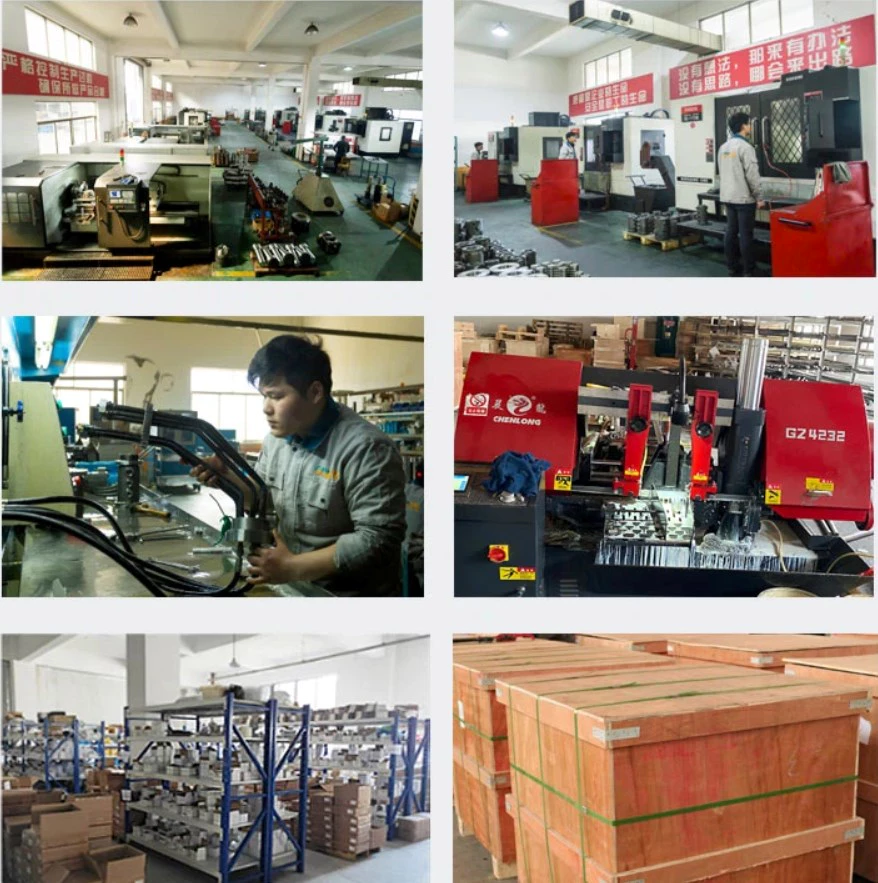
에버파워는 국내외 각종 표준의 고압 볼밸브, 니들밸브, 밸브매니폴드, 플랜지, 파이프피팅, 튜브피팅 등의 제품을 주력으로 생산하고 있으며, 원자력, 석유, 화학, 조선, 해양공학, 야금, 기계, 전력산업, 계측기 파이프라인 등 고온고압, 고내식성 등 혹독한 현장 조건에 널리 사용되고 있습니다.
저희 회사는 중국선급협회(CSC)의 품질 인증과 수출입 인증서를 보유하고 있습니다. 7,200㎡의 부지와 5,400㎡의 건축 면적을 자랑하며, 60명 이상의 기술 인력을 보유하고 있습니다. 생산 설비, 제품 설계, 금형 개발, 금형 제작, 소재 단조, CNC 정밀 가공, 금속 표면 처리, 최종 테스트 등 생산 기술 전반을 갖추고 있으며, 고정밀, 내압 제품을 생산합니다. 제품은 일본, 독일, 미국, 남미, 동남아시아 등 여러 국가로 수출됩니다.
추가 정보
| 편집됨 | 왜? |
|---|
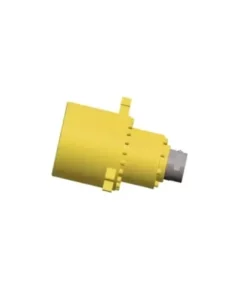
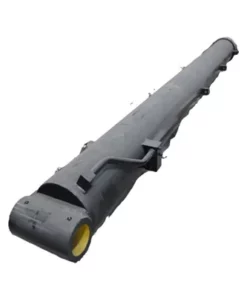
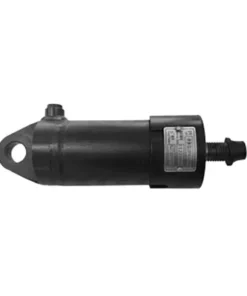
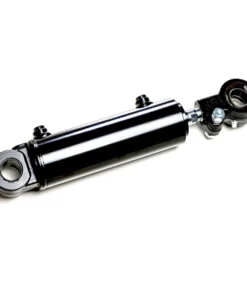
제품 빠른 세부 정보:
- 표준 및 비표준 사용 가능
- 높은 품질과 경쟁력 있는 가격으로
- 신속한 배송
- 고객의 요구에 따라 포장합니다.
우리는 중국에서 높은 품질로 최고의 가격을 제공 할 것을 약속드립니다! 우리는 또한 제품에 대한 특별 주문을받습니다. 우리 제품에 관심이 있으시면. 우리는 당신에게 자세한 정보를 제공하게 된 것을 기쁘게 생각하며, 우리의 제품은 안전 할 것이며 고품질과 합리적인 가격으로 제공 될 것을 약속드립니다. 우리 제품에 관심이 있으시면 빨리 연락 주시기 바랍니다. 우리는 진심으로 당신의 협력을 찾고 있습니다.
대부분의 제품은 유럽이나 아메리카로 수출되며 표준 및 비표준 제품을 모두 사용할 수 있습니다. 도면이나 샘플에 따라 생산할 수 있습니다. 재료는 표준 또는 특별 요청에 따라 사용할 수 있습니다. 우리를 선택하면 신뢰할 수 있습니다.

사용 가능한 재료
1. 스테인리스 스틸: SS201, SS303, SS304, SS316, SS416, SS420
2. Steel:C45(K1045), C46(K1046),C20
3. 황동:C36000(C26800), C37700(HPb59), C38500(HPb58), C27200(CuZn37), C28000(CuZn40) 3.
4. 브론즈: C51000, C52100, C54400 등
5. 철: 1213, 12L14,1215
6. 알루미늄: Al6061, Al6063
7. 귀하의 요청에 따른 OEM
표면 처리
어닐링, 천연 부동태화, 열처리, 연마, 니켈 도금, 크롬 도금, 아연 도금, 황색 부동태화, 금 부동태화, 새틴, 검은색 표면 도장 등.
처리 방법
CNC 가공, 펀칭, 터닝, 밀링, 드릴링, 연삭, 브로칭, 용접 및 조립
품질 관리 및 인증서
기술자가 생산 과정에서 자체 점검하고, 전문 품질 검사관이 포장 전 최종 점검합니다.
ISO9001:2008, ISO14001:2001, ISO/TS 16949:2009
패키지 및 리드 타임
크기: 도면
목재 케이스/용기 및 팔레트 또는 맞춤형 사양에 따라.
15-25일 샘플. 30-45일 공식 주문
항구: 상하이/닝보 항구
 Korean
  English
  Bulgarian
  Russian
  Czech
Czech  Bosnian
  Thai
Thai  Arabic
  Chinese
  Swahili
  Amharic
  Japanese
  Hungarian
  Spanish
  Azerbaijani
  Greek
Greek  Vietnamese
  Danish
  Malay
Malay  Hebrew
  Croatian
  Bengali
  Kyrgyz
  Italian
  Polish
  French
  Kazakh
  Portuguese