
Professional Manufacture Cheap Hydraulic Luffing Cylinder for Aerial Work Platform
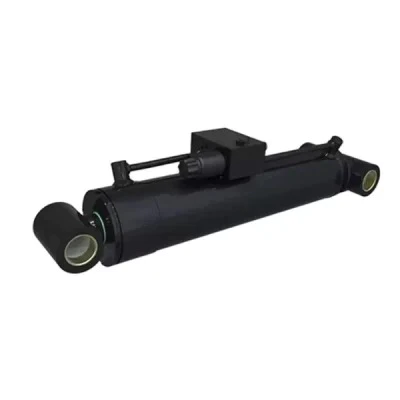
A hydraulic luffing cylinder is a device that uses hydraulic pressure to lift and lower a crane’s boom. Luffing cylinders are also used in bucket wheel excavators, reclaimers, and stackers.
What Is a Hydraulic Luffing Cylinder?
What are some common maintenance tasks for hydraulic luffing cylinder in aerial work platforms?
- Proper maintenance of hydraulic luffing cylinders is crucial to ensure the safe and efficient operation of aerial work platforms (AWPs). Here are some common maintenance tasks for hydraulic luffing cylinders:
1. Regular Inspections: Perform visual inspections of the hydraulic luffing cylinders to check for any signs of damage, leakage, or excessive wear. Look for oil leaks around the cylinder, damaged seals, bent rods, or any other visible issues. Inspect the hydraulic hoses and connections for wear, cracks, or leaks as well.
2. Fluid Level Check: Monitor the hydraulic fluid level in the system regularly. Ensure that the fluid is at the correct level according to the manufacturer's recommendations. If the fluid level is low, add the appropriate hydraulic fluid as specified by the manufacturer.
3. Fluid Quality: Check the quality and condition of the hydraulic fluid. Look for any signs of contamination, such as dirt, water, or debris. If the fluid appears cloudy or contaminated, it may need to be drained and replaced. Follow the manufacturer's guidelines for proper fluid selection and change intervals.
4. Component Lubrication: Lubricate the moving components of the hydraulic luffing cylinder as per the manufacturer's recommendations. This may involve applying grease to specific points, such as pivot joints or rod ends, to ensure smooth operation and reduce friction.
5. Seal Inspection and Replacement: Hydraulic luffing cylinders use seals to prevent fluid leaks and maintain system integrity. Inspect the seals regularly for wear, damage, or signs of leakage. If any seals are compromised, they should be replaced promptly to prevent fluid loss and potential cylinder failure.
6. Cylinder Operation Test: Periodically test the operation of the hydraulic luffing cylinders to ensure they are functioning correctly. Raise and lower the boom or platform to verify smooth and controlled movement. Pay attention to any unusual noises, vibrations, or delays in operation, as these may indicate underlying issues that require attention.
7. Cylinder Alignment and Mounting: Check the alignment and mounting of the hydraulic luffing cylinders. Verify that they are securely attached and properly aligned with the boom or platform. Loose or misaligned cylinders can result in improper movement and potential safety hazards.
8. Manufacturer's Guidelines: Follow the manufacturer's recommended maintenance schedule and guidelines for the specific hydraulic luffing cylinders in your aerial work platform. These guidelines may include specific intervals for fluid changes, seal replacements, and other maintenance tasks.
It's important to note that maintenance requirements may vary based on the manufacturer and model of the aerial work platform and its hydraulic system. Refer to the equipment's operation and maintenance manual for detailed instructions and consult with qualified professionals or service technicians for guidance specific to your AWP.
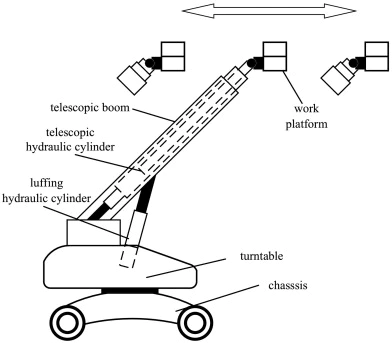
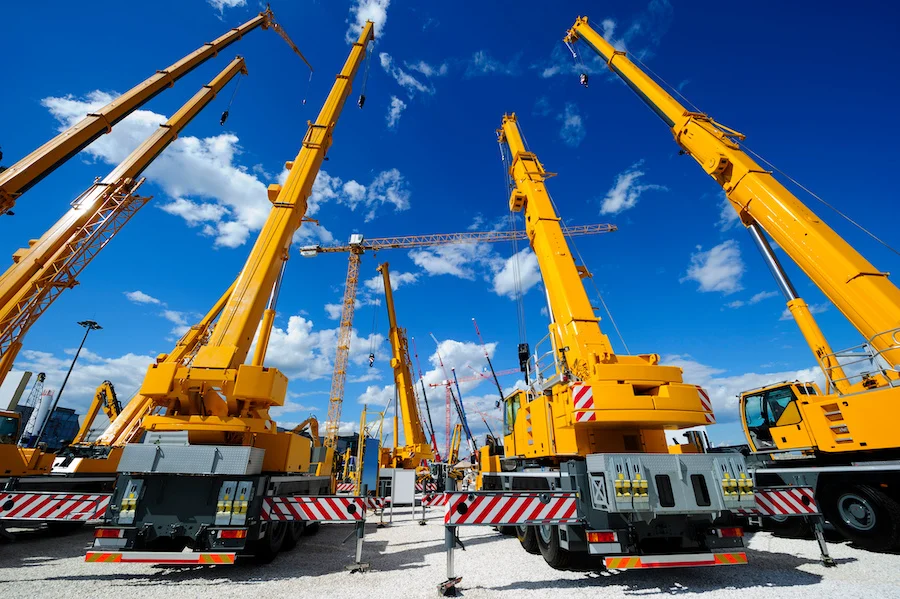
Application of hydraulic luffing cylinder
The installation process for an adjustment hydraulic cylinder may vary depending on the application and equipment involved. However, here are some general steps to consider when installing an adjustment hydraulic cylinder:
1. Prepare the Work Area: Ensure that the work area is clean, clear of debris, and provides enough space to maneuver the hydraulic cylinder and associated components. This will help facilitate a smooth installation process.
2. Select the Proper Cylinder: Choose a hydraulic cylinder suitable for the specific application, considering load capacity, stroke length, and mounting requirements. Refer to the manufacturer's specifications and recommendations for the appropriate cylinder selection.
3. Mounting Bracket or Clevis: If required, mount the cylinder to a bracket or clevis on the equipment or system where it will be installed. Ensure the mounting bracket or clevis is securely attached and aligned with the cylinder.
4. Connect Hydraulic Lines: Connect the hydraulic lines to the cylinder. The hydraulic lines should be appropriately sized, have the correct fittings, and be compatible with the hydraulic system. Use appropriate seals or fittings to prevent hydraulic fluid leakage.
5. Secure the Cylinder: Ensure the adjustment hydraulic cylinder is securely fastened to the equipment or system. This may involve tightening mounting bolts or other fasteners according to the manufacturer's recommendations. Verify the cylinder is aligned correctly and free from any interference hindering its movement.
6. Hydraulic Connections: Connect the hydraulic lines from the cylinder to the hydraulic power source. This typically involves attaching the lines to control valves, pumps, or other hydraulic components. Pay attention to proper routing, secure connections, and avoiding kinks or sharp bends in the lines.
7. Test and Adjust: Once the adjustment hydraulic cylinder is installed, thoroughly check to ensure proper functionality. Test the cylinder's extension and retraction by operating the hydraulic control system. Verify that the cylinder moves smoothly without binding or excessive resistance. Adjust the hydraulic pressure, flow, or control settings to achieve the desired positioning or adjustment.
8. Safety Considerations: Always prioritize safety during the installation process. Follow appropriate safety protocols, such as wearing protective gear and following lockout/tagout procedures if necessary. Be mindful of potential hazards, such as high pressure in hydraulic lines, sharp edges, or heavy loads associated with the equipment.
It is important to note that these steps provide a general overview of the installation process. For specific guidance, consult the manufacturer's instructions and guidelines for adjusting the installed hydraulic cylinder. Additionally, if you are unsure or inexperienced with hydraulic systems, it is recommended to seek assistance from a qualified professional or technician to ensure proper installation and operation.
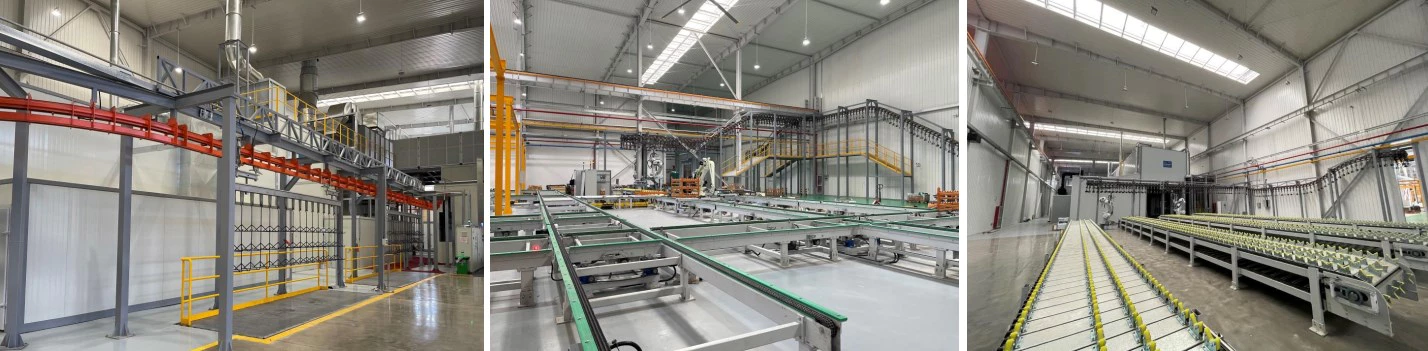
Our Factory 
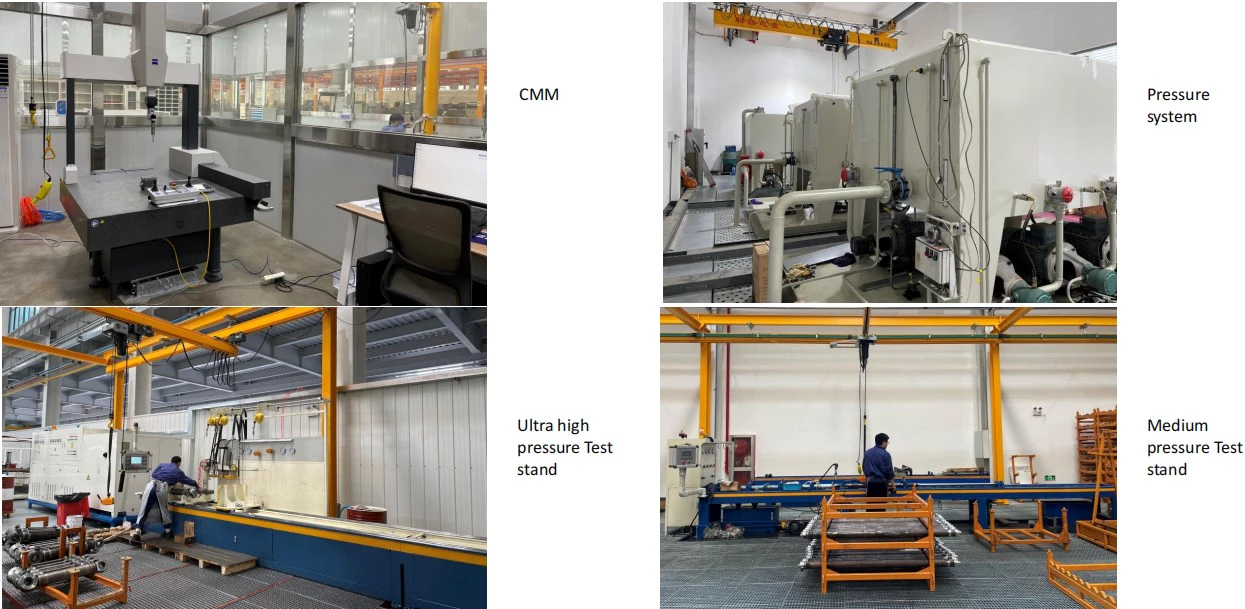
Every power welcomes customers to customize with pictures and samples.
Additional information
| edited | by hyw |
|---|
Related products
-
Low Price Hydraulic Forklift Tilt Cylinder From China Manufacturer
-
Various Good Quality Counterweight Hydraulic Cylinders for Cranes
-
Single Acting Hydraulic Lift Cylinder for Cart 22MPa
-
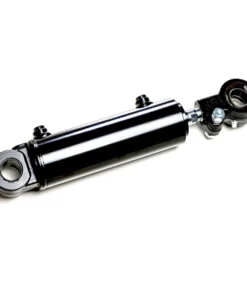
Good Quality Forklift Hydraulic Tilt Cylinder 12kg for Sale
-
Single Acting Hydraulic Forklift Lifting Cylinder (Right) Replacement Of Toyota
-
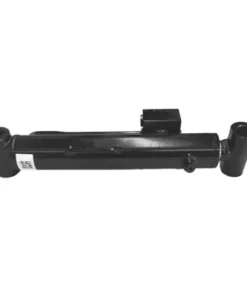
100kg Hydraulic Upper Arm Cylinder for Boom Aerial Work Vehicle
Product Quick Detail:
- Standard and non-standard available
- With high quality and competitive price
- Prompt delivery
- Packing as per customer’s demand.
We promise will offer the best price by the high quality in china! We also accept special order about the products. If you are interested in our products. Please do not hesitate to let us know.We are pleased to give you the detailed information.We promise that our products would be safety and were in high quality and reasonable price. If you are interested in our products, please contact us asap.We are sincerely looking for your cooperation.
Most of our products are exported to Europe or Americas, both standard and nonstandard products available. We can produce as per your drawing or sample. Material can be standard or as per your special request. If you choose us, you choose reliable.

Materials Available
1. Stainless Steel: SS201, SS303, SS304, SS316, SS416, SS420
2. Steel:C45(K1045), C46(K1046),C20
3. Brass:C36000 ( C26800), C37700 ( HPb59), C38500( HPb58), C27200(CuZn37), C28000(CuZn40)
4. Bronze: C51000, C52100, C54400, etc
5. Iron: 1213, 12L14,1215
6. Aluminum: Al6061, Al6063
7.OEM according to your request
Surface Treatment
Annealing, natural canonization, heat treatment, polishing, nickel plating, chrome plating, zinc plating,yellow passivization, gold passivization, satin, Black surface painted etc.
Processing Method
CNC machining, punch,turning, milling, drilling, grinding, broaching, welding and assembly
QC & Certificate
Technicians self-check in production,final-check before package by professional Quality inspector
ISO9001:2008 , ISO14001:2001,ISO/TS 16949:2009
Package & Lead Time
Size: Drawings
Wooden Case/Container and pallet, or as per customized specifications.
15-25days samples. 30-45days offcial order
Port: Shanghai/Ningbo port
 English
  Bulgarian
  Russian
  Czech
Czech  Bosnian
  Thai
Thai  Arabic
  Chinese
  Swahili
  Amharic
  Japanese
  Korean
  Hungarian
  Spanish
  Azerbaijani
  Greek
Greek  Vietnamese
  Danish
  Malay
Malay  Hebrew
  Croatian
  Bengali
  Kyrgyz
  Italian
  Polish
  French
  Kazakh
  Portuguese