
Hava İşi Platforması üçün Peşəkar İstehsal Ucuz Hidravlik Doldurma Silindiri
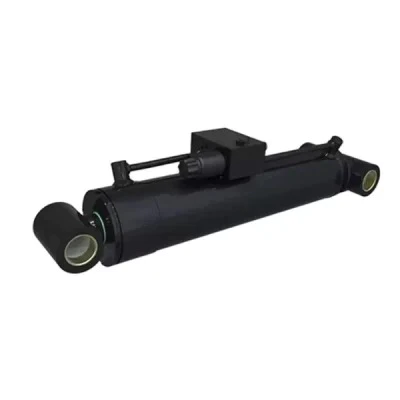
A hydraulic luffing cylinder is a device that uses hydraulic pressure to lift and lower a crane’s boom. Luffing cylinders are also used in bucket wheel excavators, reclaimers, and stackers.
What Is a Hydraulic Luffing Cylinder?
What are some common maintenance tasks for hydraulic luffing cylinder in aerial work platforms?
- Proper maintenance of hydraulic luffing cylinders is crucial to ensure the safe and efficient operation of aerial work platforms (AWPs). Here are some common maintenance tasks for hydraulic luffing cylinders:
1. Regular Inspections: Perform visual inspections of the hydraulic luffing cylinders to check for any signs of damage, leakage, or excessive wear. Look for oil leaks around the cylinder, damaged seals, bent rods, or any other visible issues. Inspect the hydraulic hoses and connections for wear, cracks, or leaks as well.
2. Fluid Level Check: Monitor the hydraulic fluid level in the system regularly. Ensure that the fluid is at the correct level according to the manufacturer's recommendations. If the fluid level is low, add the appropriate hydraulic fluid as specified by the manufacturer.
3. Fluid Quality: Check the quality and condition of the hydraulic fluid. Look for any signs of contamination, such as dirt, water, or debris. If the fluid appears cloudy or contaminated, it may need to be drained and replaced. Follow the manufacturer's guidelines for proper fluid selection and change intervals.
4. Component Lubrication: Lubricate the moving components of the hydraulic luffing cylinder as per the manufacturer's recommendations. This may involve applying grease to specific points, such as pivot joints or rod ends, to ensure smooth operation and reduce friction.
5. Seal Inspection and Replacement: Hydraulic luffing cylinders use seals to prevent fluid leaks and maintain system integrity. Inspect the seals regularly for wear, damage, or signs of leakage. If any seals are compromised, they should be replaced promptly to prevent fluid loss and potential cylinder failure.
6. Cylinder Operation Test: Periodically test the operation of the hydraulic luffing cylinders to ensure they are functioning correctly. Raise and lower the boom or platform to verify smooth and controlled movement. Pay attention to any unusual noises, vibrations, or delays in operation, as these may indicate underlying issues that require attention.
7. Cylinder Alignment and Mounting: Check the alignment and mounting of the hydraulic luffing cylinders. Verify that they are securely attached and properly aligned with the boom or platform. Loose or misaligned cylinders can result in improper movement and potential safety hazards.
8. Manufacturer's Guidelines: Follow the manufacturer's recommended maintenance schedule and guidelines for the specific hydraulic luffing cylinders in your aerial work platform. These guidelines may include specific intervals for fluid changes, seal replacements, and other maintenance tasks.
It's important to note that maintenance requirements may vary based on the manufacturer and model of the aerial work platform and its hydraulic system. Refer to the equipment's operation and maintenance manual for detailed instructions and consult with qualified professionals or service technicians for guidance specific to your AWP.
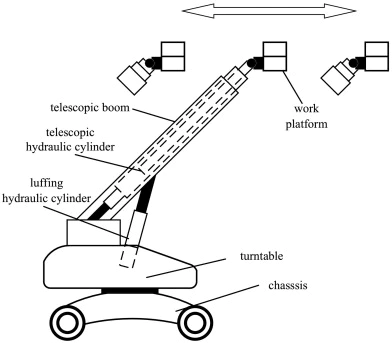
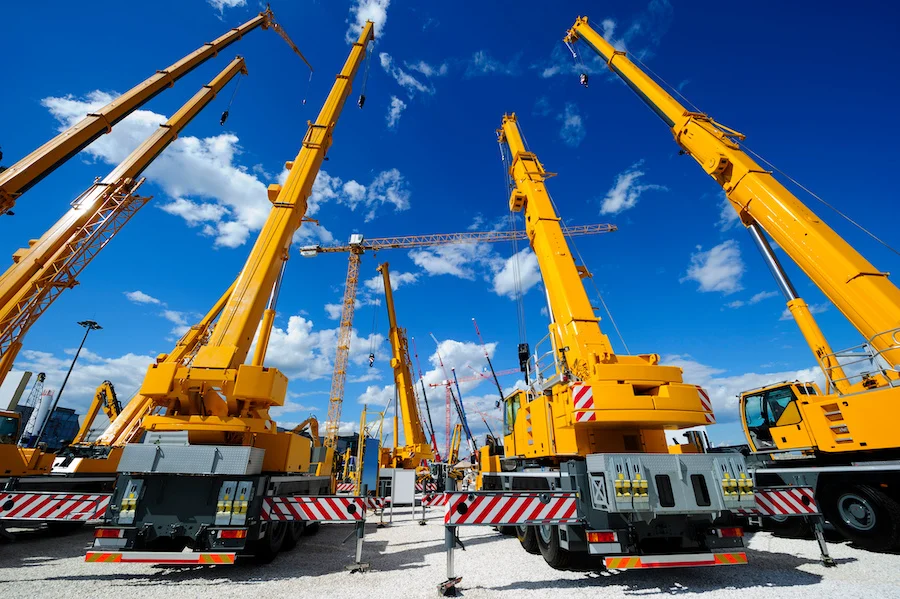
Application of hydraulic luffing cylinder
The installation process for an adjustment hydraulic cylinder may vary depending on the application and equipment involved. However, here are some general steps to consider when installing an adjustment hydraulic cylinder:
1. Prepare the Work Area: Ensure that the work area is clean, clear of debris, and provides enough space to maneuver the hydraulic cylinder and associated components. This will help facilitate a smooth installation process.
2. Select the Proper Cylinder: Choose a hydraulic cylinder suitable for the specific application, considering load capacity, stroke length, and mounting requirements. Refer to the manufacturer's specifications and recommendations for the appropriate cylinder selection.
3. Mounting Bracket or Clevis: If required, mount the cylinder to a bracket or clevis on the equipment or system where it will be installed. Ensure the mounting bracket or clevis is securely attached and aligned with the cylinder.
4. Connect Hydraulic Lines: Connect the hydraulic lines to the cylinder. The hydraulic lines should be appropriately sized, have the correct fittings, and be compatible with the hydraulic system. Use appropriate seals or fittings to prevent hydraulic fluid leakage.
5. Secure the Cylinder: Ensure the adjustment hydraulic cylinder is securely fastened to the equipment or system. This may involve tightening mounting bolts or other fasteners according to the manufacturer's recommendations. Verify the cylinder is aligned correctly and free from any interference hindering its movement.
6. Hydraulic Connections: Connect the hydraulic lines from the cylinder to the hydraulic power source. This typically involves attaching the lines to control valves, pumps, or other hydraulic components. Pay attention to proper routing, secure connections, and avoiding kinks or sharp bends in the lines.
7. Test and Adjust: Once the adjustment hydraulic cylinder is installed, thoroughly check to ensure proper functionality. Test the cylinder's extension and retraction by operating the hydraulic control system. Verify that the cylinder moves smoothly without binding or excessive resistance. Adjust the hydraulic pressure, flow, or control settings to achieve the desired positioning or adjustment.
8. Safety Considerations: Always prioritize safety during the installation process. Follow appropriate safety protocols, such as wearing protective gear and following lockout/tagout procedures if necessary. Be mindful of potential hazards, such as high pressure in hydraulic lines, sharp edges, or heavy loads associated with the equipment.
It is important to note that these steps provide a general overview of the installation process. For specific guidance, consult the manufacturer's instructions and guidelines for adjusting the installed hydraulic cylinder. Additionally, if you are unsure or inexperienced with hydraulic systems, it is recommended to seek assistance from a qualified professional or technician to ensure proper installation and operation.
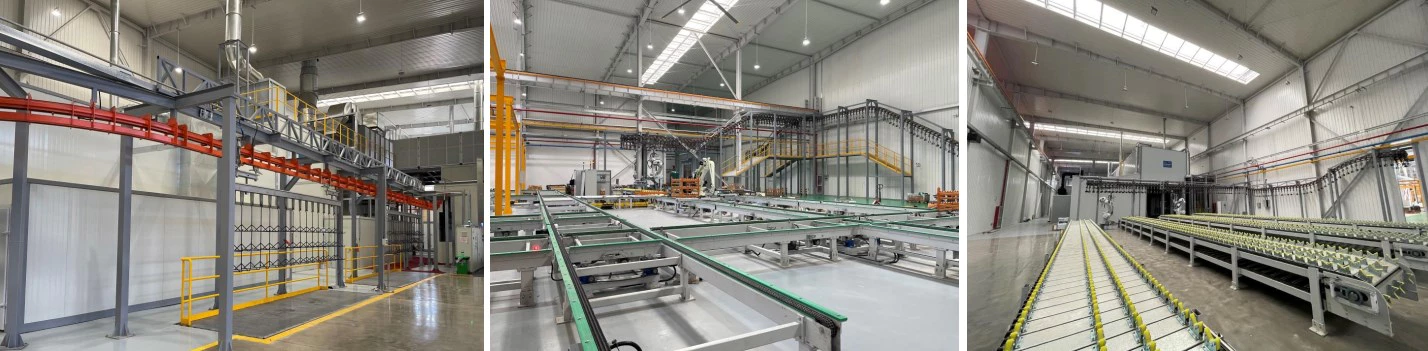
Fabrikimiz 
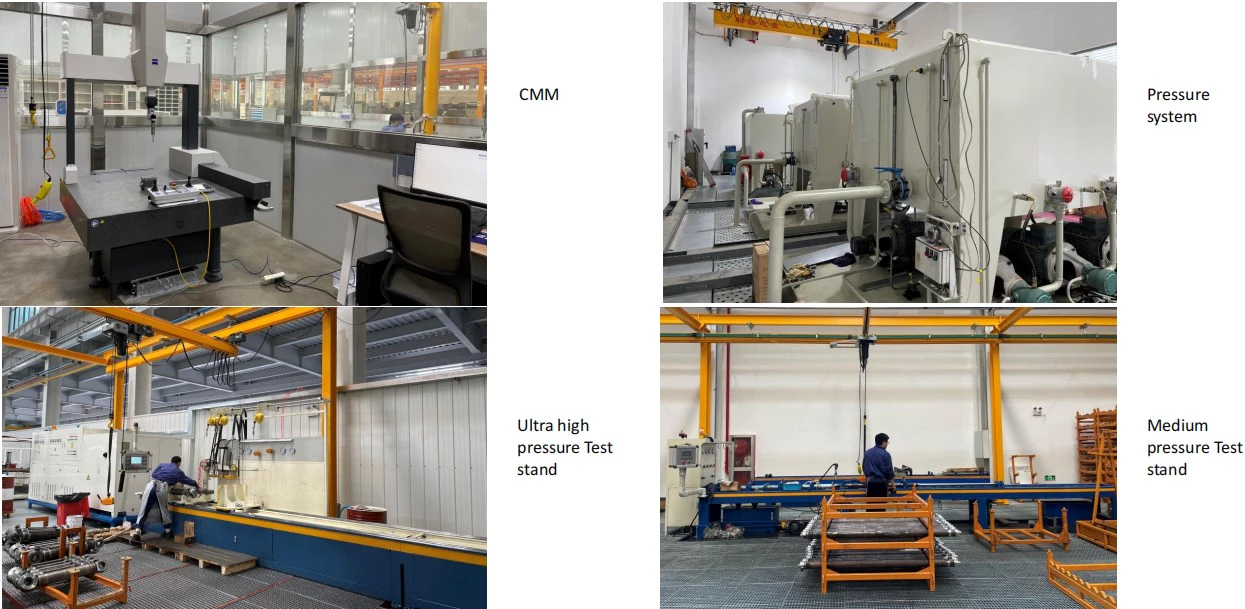
Every power welcomes customers to customize with pictures and samples.
Əlavə məlumat
| redaktə olunub | hyw tərəfindən |
|---|
Əlaqədar məhsullar
-
Sanitariya Maşınları üçün Hidravlik Kilidləmə Silindrləri
-
Satış üçün keyfiyyətli forklift hidravlik əyilmə silindri 12 kq
-
Hidravlik Silindrlər Sanitariya Maşınları üçün Tərkibli Silindr Hissələri
-
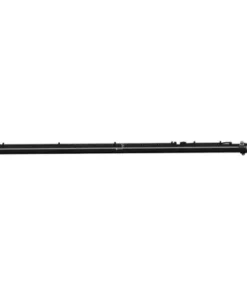
Toyota-nın fırlanan qazma qiymətinin dəyişdirilməsi üçün hidravlik təzyiqli silindr
-
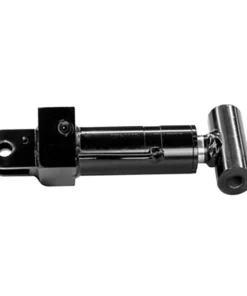
Bom Hava İş Maşını Hidravlik Aşağı Qolu Silindr Satılır
-
Sanitariya Maşınları üçün Hidravlik Kilidləmə Silindrləri
Məhsulun qısa təfərrüatları:
- Standart və qeyri-standart mövcuddur
- Yüksək keyfiyyət və rəqabətli qiymətlə
- Tez çatdırılma
- Müştərinin tələbinə uyğun qablaşdırma.
Çində yüksək keyfiyyətlə ən yaxşı qiyməti təklif edəcəyimizə söz veririk! Məhsullar haqqında xüsusi sifariş də qəbul edirik. Məhsullarımızla maraqlanırsınızsa. Zəhmət olmasa bizə bildirməkdən çəkinməyin. Sizə ətraflı məlumat verməkdən məmnunuq. Məhsullarımızın təhlükəsiz olacağına, yüksək keyfiyyətli və münasib qiymətə olacağına söz veririk. Məhsullarımızla maraqlanırsınızsa, zəhmət olmasa bizimlə əlaqə saxlayın. Biz sizin əməkdaşlığınızı səmimi qəlbdən axtarırıq.
Məhsullarımızın əksəriyyəti Avropa və ya Amerikaya ixrac edilir, həm standart, həm də qeyri-standart məhsullar mövcuddur. Rəsminizə və ya nümunənizə uyğun olaraq istehsal edə bilərik. Material standart və ya xüsusi istəyinizə uyğun ola bilər. Bizi seçsəniz, etibarlı seçərsiniz.

Materiallar mövcuddur
1. Paslanmayan Polad: SS201, SS303, SS304, SS316, SS416, SS420
2. Polad:C45(K1045), C46(K1046),C20
3. Pirinç:C36000 (C26800), C37700 ( HPb59), C38500( HPb58), C27200(CuZn37), C28000(CuZn40)
4. Bürünc: C51000, C52100, C54400 və s.
5. Dəmir: 1213, 12L14,1215
6. Alüminium: Al6061, Al6063
7. İstəyinizə uyğun olaraq OEM
Səthi müalicə
Tavlama, təbii kanonizasiya, istilik müalicəsi, cilalama, nikel örtük, xrom örtük, sink örtük, sarı passivləşdirmə, qızıl passivləşdirmə, atlaz, Qara səth boyalı və s.
Emal üsulu
CNC emal, punch, torna, freze, qazma, daşlama, broşlama, qaynaq və montaj
QC və Sertifikat
Texniklər istehsalda özünü yoxlayır, peşəkar keyfiyyət müfəttişi tərəfindən paketdən əvvəl son yoxlama
ISO9001:2008, ISO14001:2001,ISO/TS 16949:2009
Paket və çatdırılma vaxtı
Ölçü: Rəsmlər
Taxta qutu/konteyner və palet və ya xüsusi spesifikasiyalara uyğun olaraq.
15-25 gün nümunələri. 30-45 gün rəsmi sifariş
Liman: Şanxay/Ninqbo limanı
 Azerbaijani
  English
  Bulgarian
  Russian
  Czech
Czech  Bosnian
  Thai
Thai  Arabic
  Chinese
  Swahili
  Amharic
  Japanese
  Korean
  Hungarian
  Spanish
  Greek
Greek  Vietnamese
  Danish
  Malay
Malay  Hebrew
  Croatian
  Bengali
  Kyrgyz
  Italian
  Polish
  French
  Kazakh
  Portuguese