
Rack Pinion Steering

Rack Pinion Steering
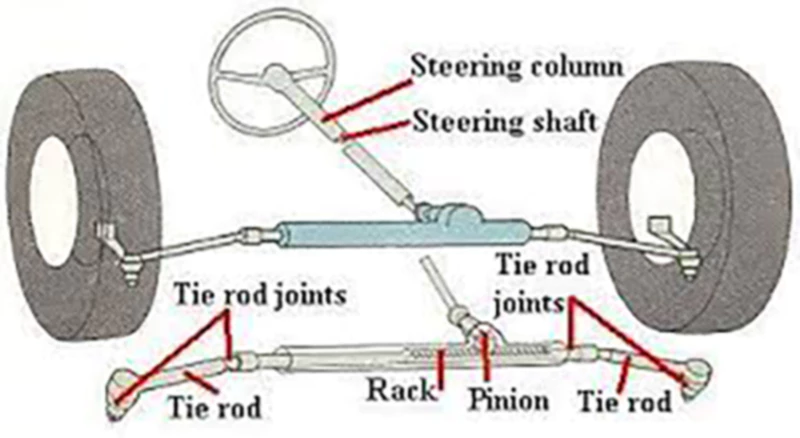
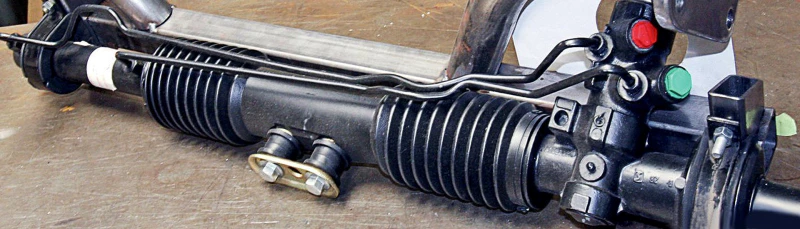
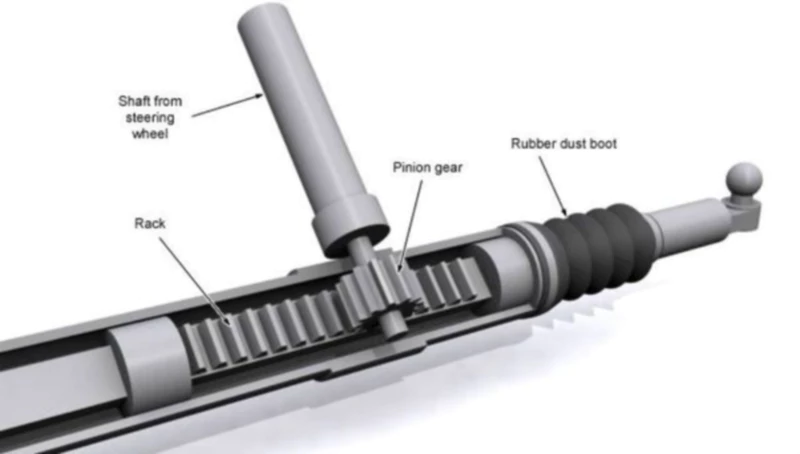
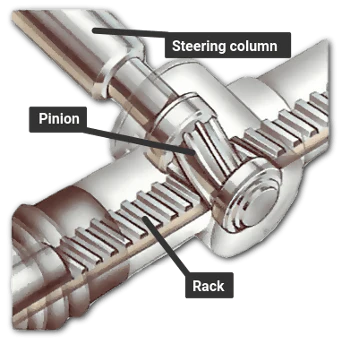
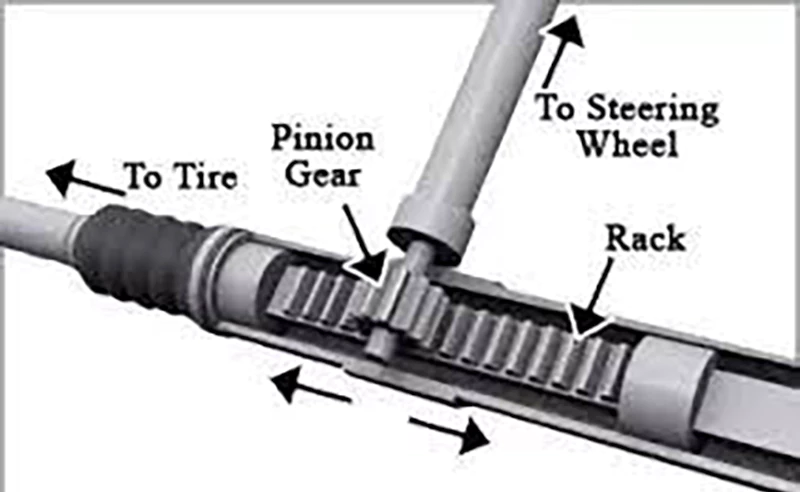
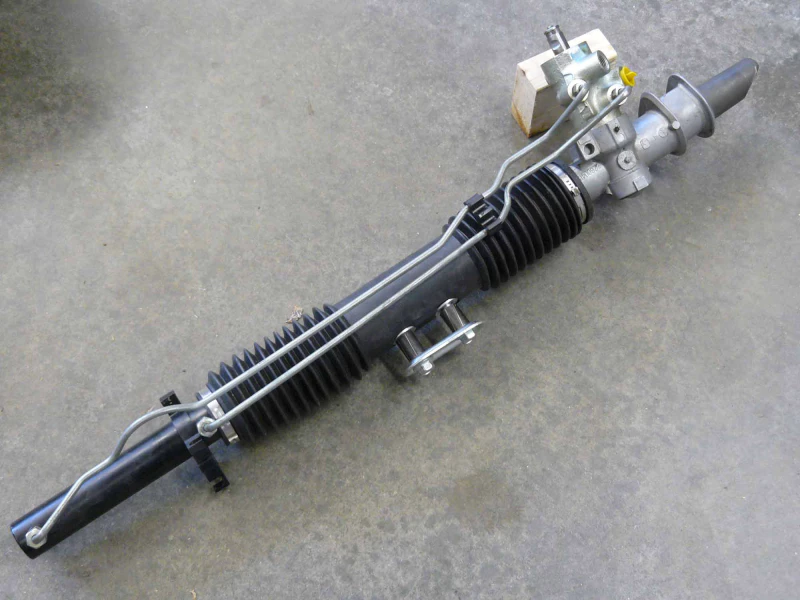
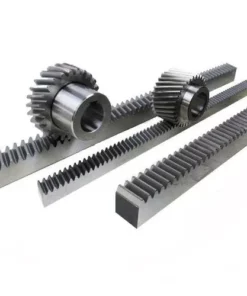
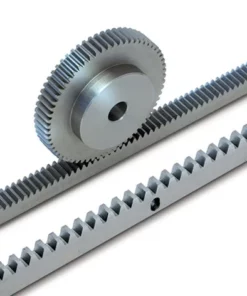
Rack and pinion steering is a type of steering mechanism commonly used in vehicles to control the direction of the front wheels. It involves the use of a rack, a long, straight bar with teeth, and a pinion gear.The rack is a linear component positioned horizontally and connected to the front wheels through tie rods. The pinion gear, which is a small gear, meshes with the teeth on the rack. The pinion gear is connected to the steering wheel via the steering column.
Rack pinion steering is a type of steering mechanism commonly used in vehicles to convert the rotational motion of the steering wheel into linear motion that controls the movement of the front wheels. Here's how rack and pinion steering works:
1. Components: The rack pinion steering system consists of two main components: the rack and the pinion. The rack is a long, straight bar with teeth along its length, while the pinion is a small gear that meshes with the rack.
2. Steering Wheel Rotation: When the driver turns the steering wheel, it rotates the steering shaft connected to the pinion gear. As the pinion gear rotates, its teeth engage with the teeth on the rack.
3. Linear Motion: The rotation of the pinion gear causes the rack to move linearly. As the rack moves, it pushes or pulls the tie rods, which are connected to the steering knuckles of the front wheels.
4. Wheel Movement: The movement of the tie rods translates the linear motion of the rack into angular motion of the front wheels. The wheels turn in the direction determined by the rotation of the steering wheel, allowing the driver to control the direction of the vehicle.
5. Power Assistance (Optional): In some vehicles, an additional component called a power steering system is incorporated to assist with steering effort. This system uses hydraulic or electric power to aid in turning the wheels, reducing the physical effort required by the driver.
Working principle
Application scenarios
1.Passenger Cars:Rack and pinion steering is the standard steering system in most passenger cars due to its compact size, ease of maintenance, and precise steering control. It allows for a comfortable and responsive driving experience.
2.Trucks and SUVs:Rack and pinion steering is also commonly used in trucks and SUVs, where its durability and precise steering are essential for handling heavier loads and navigating off-road terrain.
3.Buses:Rack and pinion steering is used in buses, especially smaller models, to provide maneuverability and ease of driving in tight spaces.
4.Motorcycles:Many modern motorcycles utilize rack and pinion steering systems to provide precise and responsive handling, particularly at high speeds.
5.Off-Road Vehicles:Rack and pinion steering is well-suited for off-road vehicles due to its durability and ability to withstand rough terrain and high loads.
6.Heavy-Duty Vehicles:Heavy-duty vehicles, such as trucks and construction equipment, often use rack and pinion steering systems due to their reliability, durability, and ability to handle heavy loads and demanding conditions.
Installation
1. Select the Right System: Choose a rack and pinion steering system that is compatible with your vehicle's make, model, and specifications. Ensure that the system is designed to handle the vehicle's weight, performance requirements, and steering geometry.
2. Prepare the Vehicle: Prior to installation, ensure that the vehicle is safely raised and supported on jack stands or a lift. Disconnect the battery to prevent any electrical mishaps during the installation process.
3. Remove the Old Steering System: If replacing an existing steering system, carefully remove the old components, including the steering column, gearbox, and linkage. Follow the manufacturer's instructions or consult a professional if needed.
4. Mount the Rack: Install the rack and pinion assembly securely in the vehicle's chassis or subframe. Ensure proper alignment and positioning of the rack to ensure smooth operation and optimal steering geometry.
5. Connect the Steering Column: Attach the steering column to the pinion input shaft of the rack and pinion assembly. Follow the manufacturer's instructions for proper alignment and connection. Secure the connections with appropriate fasteners.
6. Install Tie Rods and Linkages: Connect the tie rods to the rack and pinion assembly and the steering knuckles. Ensure proper adjustment and alignment to maintain accurate wheel alignment.
7. Check Clearances and Interferences: Verify that the rack and pinion assembly, tie rods, and other components have appropriate clearances and do not interfere with any other parts of the vehicle, including suspension components, exhaust systems, or bodywork.
Maintenance:
1. Regular Inspections: Periodically inspect the rack and pinion system for any signs of damage, wear, or leaks. Check for loose or worn components, including tie rod ends, mounting bolts, and steering column connections.
2. Fluid Level and Quality: If your vehicle has power steering, check the fluid level regularly and top it up as needed. Ensure the power steering fluid is clean and free from contaminants. Refer to the vehicle's manual for specific maintenance requirements.
3. Lubrication: Proper lubrication of the rack and pinion system is crucial for smooth operation. Follow the manufacturer's recommendations for lubrication intervals and use the recommended lubricants.
4. Wheel Alignment: Maintain proper wheel alignment to prevent premature wear of the rack and pinion system. Regularly check and adjust the alignment as per the vehicle manufacturer's specifications or consult a professional alignment service.
5. Address Issues Promptly: If you notice any abnormal steering behavior, stiffness, excessive play, or leaks in the rack and pinion system, address them promptly. Ignoring such issues can lead to further damage and compromise safety.
6. Professional Servicing: For complex maintenance tasks or repairs, it is advisable to seek assistance from a qualified mechanic or automotive service center with expertise in rack and pinion steering systems.
How to select?
To select the appropriate rack and pinion steering system, consider the following factors:
- Vehicle specifications: Understand the specifications and requirements of your vehicle, such as weight, size, and intended use. This will help determine the appropriate size and capacity of the rack and pinion system needed for your vehicle.
- Steering ratio: Determine the desired steering ratio based on your driving preferences. A lower steering ratio provides quicker and more responsive steering, while a higher ratio offers smoother and more relaxed steering. Consider the specific steering feel you want for your vehicle.
- Compatibility: Ensure the rack and pinion system is compatible with your vehicle's suspension and steering column. Check for any specific mounting requirements or modifications needed to fit the system properly.
- Quality and durability: Look for a rack and pinion system from reputable manufacturers known for producing high-quality and durable components. Consider factors such as materials used, construction quality, and overall reliability.
- Ease of installation: Select a rack and pinion system that is relatively easy to install and compatible with your vehicle's existing components. Consider whether any additional modifications or adjustments are required during installation.
- Budget: Set a budget for your rack and pinion system and research options within that range. Compare prices, features, and warranties to ensure you are getting the best value for your money.
- Reviews and recommendations: Read customer reviews and seek recommendations from experienced mechanics or automotive enthusiasts. Their insights can provide valuable information on the performance and reliability of different rack and pinion systems.
- Warranty and customer support: Check the warranty offered by the manufacturer and the availability of customer support. A reliable warranty and responsive customer support can provide peace of mind and assistance if any issues arise with your rack and pinion system.
Additional information
| edited | by hyw |
|---|
Product Quick Detail:
- Standard and non-standard available
- With high quality and competitive price
- Prompt delivery
- Packing as per customer’s demand.
We promise will offer the best price by the high quality in china! We also accept special order about the products. If you are interested in our products. Please do not hesitate to let us know.We are pleased to give you the detailed information.We promise that our products would be safety and were in high quality and reasonable price. If you are interested in our products, please contact us asap.We are sincerely looking for your cooperation.
Most of our products are exported to Europe or Americas, both standard and nonstandard products available. We can produce as per your drawing or sample. Material can be standard or as per your special request. If you choose us, you choose reliable.

Materials Available
1. Stainless Steel: SS201, SS303, SS304, SS316, SS416, SS420
2. Steel:C45(K1045), C46(K1046),C20
3. Brass:C36000 ( C26800), C37700 ( HPb59), C38500( HPb58), C27200(CuZn37), C28000(CuZn40)
4. Bronze: C51000, C52100, C54400, etc
5. Iron: 1213, 12L14,1215
6. Aluminum: Al6061, Al6063
7.OEM according to your request
Surface Treatment
Annealing, natural canonization, heat treatment, polishing, nickel plating, chrome plating, zinc plating,yellow passivization, gold passivization, satin, Black surface painted etc.
Processing Method
CNC machining, punch,turning, milling, drilling, grinding, broaching, welding and assembly
QC & Certificate
Technicians self-check in production,final-check before package by professional Quality inspector
ISO9001:2008 , ISO14001:2001,ISO/TS 16949:2009
Package & Lead Time
Size: Drawings
Wooden Case/Container and pallet, or as per customized specifications.
15-25days samples. 30-45days offcial order
Port: Shanghai/Ningbo port
 English
  Bulgarian
  Russian
  Czech
Czech  Bosnian
  Thai
Thai  Arabic
  Chinese
  Swahili
  Amharic
  Japanese
  Korean
  Hungarian
  Spanish
  Azerbaijani
  Greek
Greek  Vietnamese
  Danish
  Malay
Malay  Hebrew
  Croatian
  Bengali
  Kyrgyz
  Italian
  Polish
  French
  Kazakh
  Portuguese