
Tilt Cylinder
Discover our range of Tilt Cylinder, designed for efficiency and reliability in demanding industrial applications. Explore technical specs, benefits, and how our Tilt Cylinder can optimize your operations. Contact us today for expert advice and tailored solutions.
Product Catalog
-
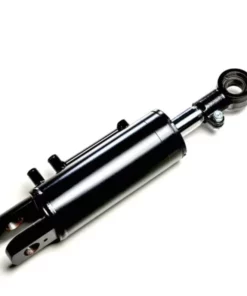
Steering Lifting Tilt Hydraulic Cylinder for Forklift Aerial Work Platform Telescopic Excavator Boom Truck Crane Vehicle
-
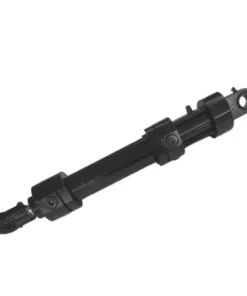
Verified Factory Custom OEM/ODM Hydraulic Cylinder China forklift hydraulic tilt cylinder
-
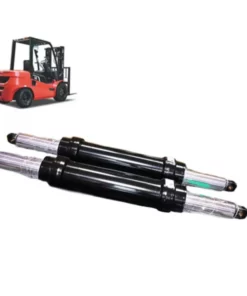
High Quality China Manufacture small hydraulic cylinder double acting hydraulic tilt cylinder
-
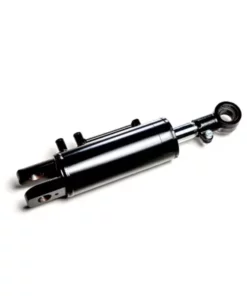
Factory Manufacture High Quality hydraulic cylinder for industrial vehicle/forklift tilt hydraul cylind
-
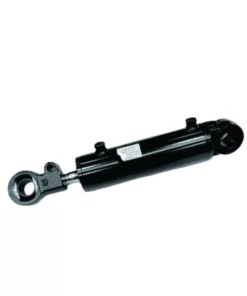
ISO Factory High Quality forklift hydraulic tilt cylinder double acting Industrial vehicle hydraulic cylinders
-
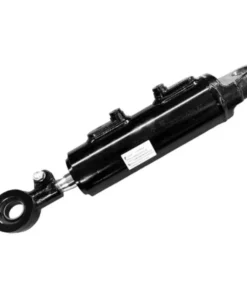
custom made hydraulic cylinder for industrial vehicle/forklift lift tilt extension hydraulic cylinder
-
Professional manufacturer Customized Hydraulic Cylinder Industrial vehicle forklift hydraulic tilt cylinder
-
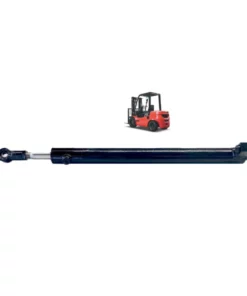
Factory Design Cylinder Hydraulic for industrial vehicle/forklift tilt Customized Hydraulic Cylinder double acting
-
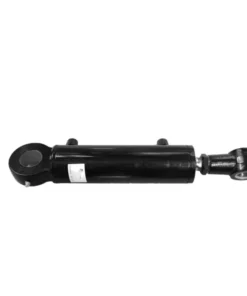
Custom double acting hydraulic oil cylinder industrial vehicle/forklift tilt hydraulic cylinders
-
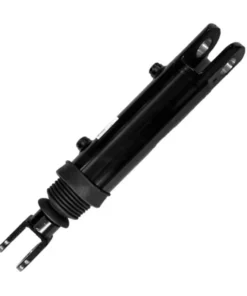
Factory direct supply double acting hydraulic tilt cylinder for tractor truck hydraulic cylinder
-
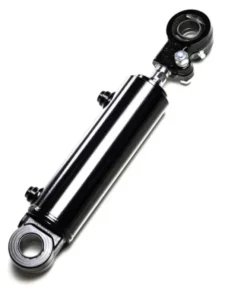
OEM ODM Factory Directly Supply Flatbed Tow Truck Hydraulic Cylinder Forklift tilt cylinder Hydraulic tilt Cylinders
-
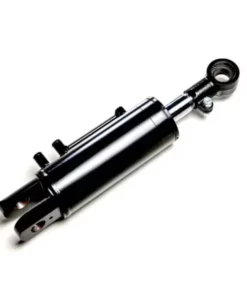
Factory direct price Industrial vehicle hydraulic cylinders double acting hydraulic tilt cylinder
Ever-Power: Pioneering Excellence in Tilt Cylinder Manufacturing
Ever-Power, founded over two decades ago, has established itself as a leading manufacturer and supplier in the hydraulic components industry. With a state-of-the-art production facility and a dedicated team of engineers, we pride ourselves on our technical expertise and innovation. Our commitment to quality and precision has enabled us to become a trusted partner for clients globally.
Our tilt cylinders are designed to provide exceptional performance and durability in various applications, including construction, agriculture, and material handling. These cylinders feature robust construction, ensuring reliability even under heavy loads, and are available in various sizes and specifications to meet specific customer needs. Their ability to facilitate smooth and controlled tilting makes them ideal for equipment like dump trucks and excavators, enhancing operational efficiency.
Ever-Power’s specialization in tilt cylinders has made us a key player in this field. Our products are recognized for their advanced engineering and superior performance, making us a preferred choice among industry professionals. We continually invest in research and development to stay ahead of market trends and customer demands.
Our service philosophy centers on customer satisfaction. We provide comprehensive after-sales support, ensuring our clients receive timely assistance and guidance. Our commitment to continuous innovation drives us to enhance our product offerings, ensuring we meet the evolving needs of our customers. At Ever-Power, we are dedicated to delivering excellence in every tilt cylinder we produce.
Types of Tilt Cylinder
Single-Acting Tilt Cylinders
Description: These cylinders use pressure to extend and rely on gravity or a spring to retract.
Applications: Common in applications where the return stroke is not under load.
Double-Acting Tilt Cylinders
Description: These cylinders use pressure for both extension and retraction, allowing for more control and force in both directions.
Applications: Used in applications where precise positioning is critical.
Rotary Tilt Cylinders
Description: Designed to produce rotary motion rather than linear motion.
Applications: Often used in applications like cranes or excavators where rotation is required.
Compact Tilt Cylinders
Description: Smaller in size, these cylinders are designed for applications with limited space.
Applications: Suitable for tight-fitting machinery or equipment.
Heavy-Duty Tilt Cylinders
Description: Built to withstand high pressure and heavy loads.
Applications: Used in construction and heavy machinery.
What is a tilt cylinder?
A tilt cylinder is a type of hydraulic or pneumatic cylinder designed to create angular movement in machinery or equipment. It operates by converting hydraulic or pneumatic pressure into linear motion, allowing for tilting or pivoting actions. These cylinders are commonly used in various applications, such as construction equipment, agricultural machinery, and material handling systems.
The tilt cylinder consists of a cylinder body, a piston, and a rod. When pressure is applied to one side of the piston, it moves within the cylinder, causing the attached rod to extend or retract. This movement facilitates the tilting action, enabling operators to adjust the angle of equipment or loads for better performance and efficiency.
Tilt cylinders are crucial for tasks that require precise angle adjustments, such as leveling loads, positioning materials, or enhancing the functionality of attachments on machinery. They are designed to withstand high pressures and are often constructed from durable materials to ensure longevity and reliability. Their versatility makes them essential components in various industries, including construction, agriculture, and manufacturing, where effective control of angle and position is necessary.
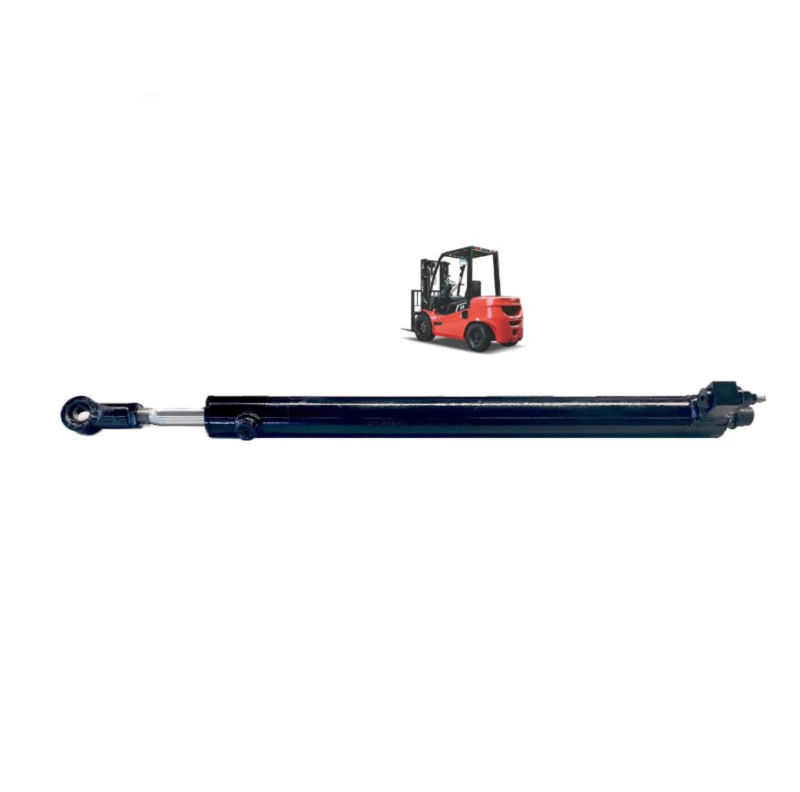
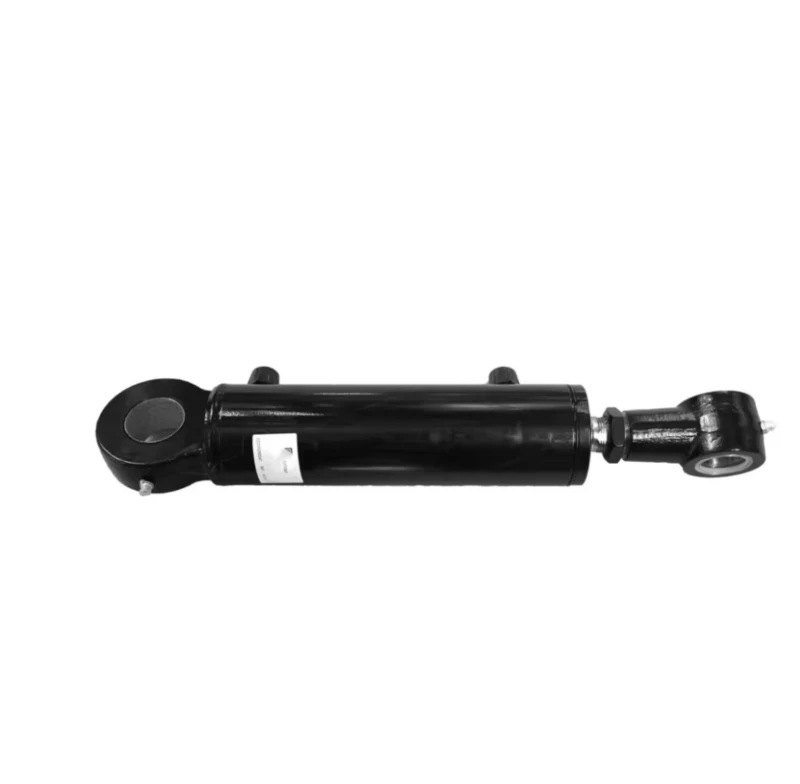
Working principle of tilt cylinder
The working principle of a tilt cylinder revolves around the conversion of hydraulic or pneumatic pressure into mechanical motion to achieve tilting actions. The main components include a cylinder body, piston, rod, and often seals to prevent fluid leakage.
When the system is activated, hydraulic fluid or compressed air is directed into one side of the cylinder through an inlet port. This pressure pushes the piston inside the cylinder, causing it to move. Depending on which side the pressure is applied, the piston moves in either direction, extending or retracting the rod connected to the piston.
For example, when pressure is applied to the bottom side of the piston, it pushes the rod upward, causing the attached equipment to tilt forward. Conversely, applying pressure to the top side retracts the rod, tilting the equipment back. The angle of tilt can be precisely controlled by regulating the pressure applied to the cylinder.
The tilt cylinder operates efficiently under high pressures, allowing for smooth and controlled movements. Its design often includes features to withstand dynamic loads and prevent fluid loss, ensuring reliability and durability in demanding applications. This makes tilt cylinders indispensable in various fields, such as construction, agriculture, and material handling, where precise angular adjustments are crucial.
Tilt Cylinder VS. Boom Cylinder
| Feature | Tilt Cylinder | Boom Cylinder |
|---|---|---|
| Function | Provides angular movement for tilting actions. | Extends or retracts to raise or lower a boom or arm. |
| Movement Type | Linear movement resulting in tilting. | Linear movement for vertical or horizontal extension. |
| Common Applications | Used in agricultural equipment, construction machinery, and material handling systems. | Common in excavators, cranes, and aerial lifts. |
| Design Structure | Typically consists of a cylinder, piston, rod, and seals for preventing leakage. | Similar structure, but often features a double-acting design for added versatility. |
| Pressure Requirements | Operates under varying pressure levels to achieve specific angles. | Requires higher pressure to lift heavy loads efficiently. |
| Control Mechanism | Pressure is adjusted to control the tilt angle. | Hydraulic valves control the extension and retraction for lifting operations. |
| Load Capacity | Generally lower load capacity compared to boom cylinders, depending on design. | Higher load capacity, designed to support heavy equipment and loads. |
| Mounting Position | Can be mounted in various positions depending on application requirements. | Typically mounted to the boom of machinery, often in a fixed position. |
| Angle of Operation | Limited to a specific range of angles for tilting. | Can operate over a wide range of angles, often exceeding 180 degrees. |
| Common Issues | May experience wear on seals due to constant angle adjustments. | Subject to stress and fatigue due to heavy lifting, requiring regular maintenance. |
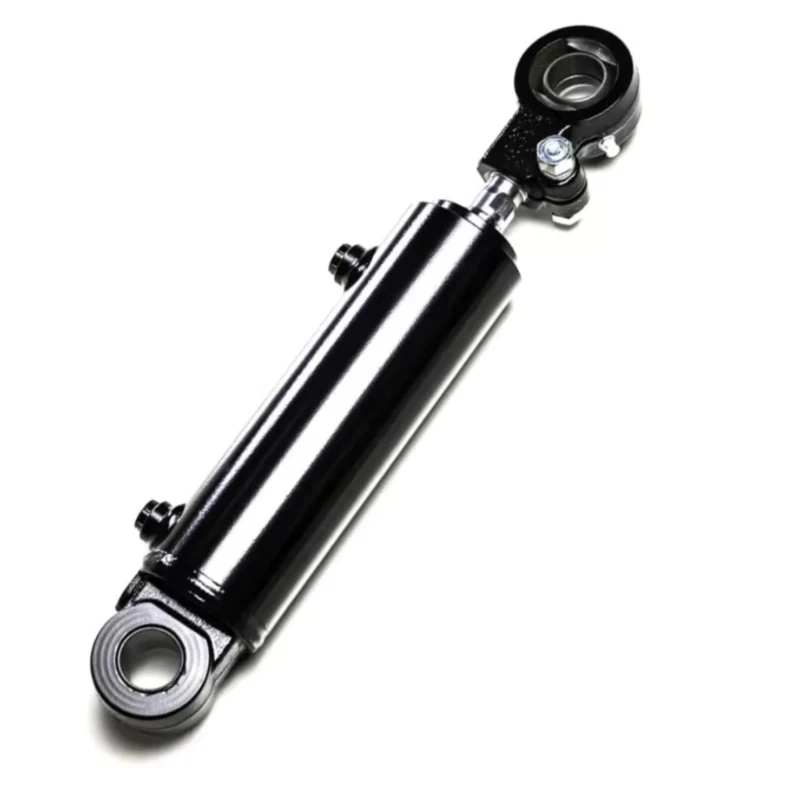
Tilt Cylinder
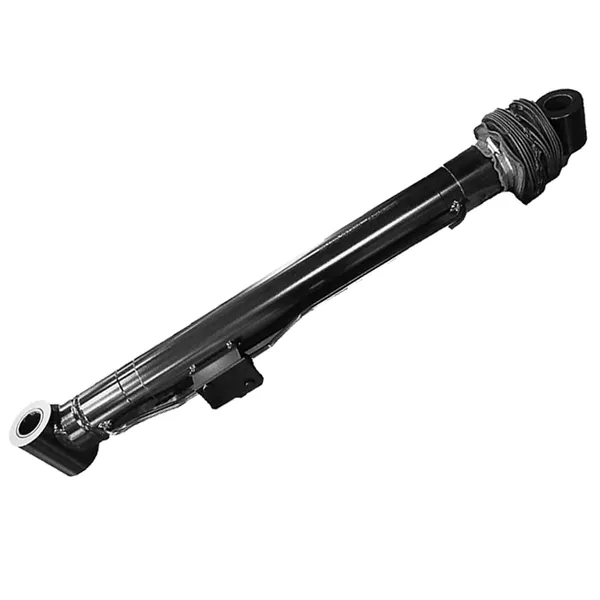
Boom Cylinder
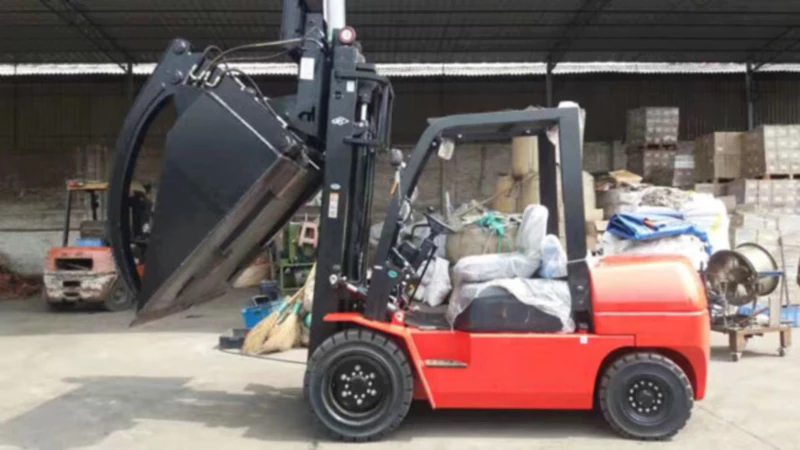
Tilt Cylinder Application in Forklift
Load Stability: By tilting the load, operators can better distribute weight and ensure that heavy items are centered, which minimizes the risk of accidents.
Enhanced Visibility: Tilting the carriage forward can improve visibility for the operator, allowing for better placement of loads in tight spaces.
Easier Load Handling: Operators can tilt the forks to slide under loads more easily and to disengage loads without needing to lift them completely.
Versatility: Tilt cylinders enable forklifts to handle a wider range of materials and containers, adapting to different shapes and sizes.
Safety Features: Many modern forklifts integrate safety features that limit the tilt angle to prevent accidents, ensuring that operators can use the tilt function safely.
Main Components of the Tilt Cylinder
1. Cylinder Barrel
Description: The main body of the tilt cylinder, typically made from high-strength steel or aluminum.
Function: Houses the piston and hydraulic fluid, providing a sealed environment for operation.
2. Piston
Description: A cylindrical component that fits snugly inside the cylinder barrel.
Function: Moves back and forth within the barrel to create hydraulic pressure, resulting in the extension and retraction of the cylinder.
3. Rod
Description: A metal shaft connected to the piston and extends outside the cylinder.
Function: Transfers the force generated by the piston to the attached machinery, enabling movement.
4. End Caps
Description: Covers at both ends of the cylinder barrel.
Function: Seal the cylinder and prevent hydraulic fluid from leaking, while providing mounting points for the cylinder.
5. Seals and O-rings
Description: Rubber or plastic components that create a tight seal between the piston and the cylinder barrel.
Function: Prevent fluid leakage and maintain pressure within the cylinder.
6. Hydraulic Ports
Description: Openings on the cylinder for connecting hydraulic lines.
Function: Allow hydraulic fluid to enter and exit the cylinder, enabling movement.
7. Mounting Brackets
Description: Fixtures that secure the tilt cylinder to the machinery.
Function: Provide stability and alignment during operation.

Tilt cylinders Application Industry
1. Construction
Applications: Tilt cylinders are commonly used in excavators, backhoes, and loaders to adjust the angle of buckets or attachments. This functionality allows for efficient digging, grading, and material handling.
Benefits: They enhance stability and control when working on uneven terrain, improving the safety and efficiency of construction operations.
2. Agriculture
Applications: In agricultural machinery like tractors and harvesters, tilt cylinders help adjust the angle of implements such as plows, seeders, and balers.
Benefits: They enable farmers to optimize the performance of their equipment for different soil conditions and crop types, improving productivity and yield.
3. Material Handling
Applications: Tilt cylinders are integral to forklifts, pallet jacks, and conveyor systems, allowing operators to tilt loads for better positioning and stability.
Benefits: They enhance the safety and efficiency of loading and unloading operations in warehouses and distribution centers.
4. Forestry
Applications: In forestry equipment like log loaders and skidders, tilt cylinders allow for the precise positioning of logs for transport and processing.
Benefits: They improve the handling of heavy and awkward loads, increasing operational efficiency in challenging environments.
5. Mining
Applications: Tilt cylinders are used in mining equipment such as dump trucks and shovels to facilitate the loading and unloading of materials.
Benefits: They provide the necessary control for handling heavy ores and minerals, ensuring safety and efficiency in operations.
6. Automotive
Applications: In automotive assembly lines, tilt cylinders can be used to adjust the position of parts and components during manufacturing and assembly processes.
Benefits: They enhance precision and flexibility in assembly tasks, contributing to higher quality and efficiency.
7. Waste Management
Applications: In waste collection vehicles, tilt cylinders are used to tilt and empty containers, such as dumpsters and bins.
Benefits: They facilitate efficient waste disposal and recycling processes, improving the effectiveness of waste management operations.
8. Aerospace
Applications: In aerospace manufacturing, tilt cylinders are utilized for adjusting the positioning of components during assembly and maintenance.
Benefits: They provide precise control needed for handling sensitive and expensive components, ensuring safety and accuracy.

Tilt cylinder maintenance required
Regular Inspection
Content: Regularly inspect the appearance of the cylinder for any signs of leaks, cracks or damage.
Frequency: Check weekly or before each use.
Lubrication
Content: Ensure that the piston rod and other moving parts are properly lubricated to reduce wear and friction.
Frequency: Lubricate monthly or quarterly, depending on the frequency of use.
Seal Inspection
Content: Regularly inspect the seals and O-rings to ensure that they are not aged, worn or damaged.
Frequency: Check every six months and replace if necessary.
Cleaning
Content: Regularly clean the outside of the cylinder to remove dirt, grease and other debris to prevent it from entering the cylinder.
Frequency: Clean after each use.
Hydraulic Oil Inspection
Content: Check the level and quality of the hydraulic oil to ensure that it is clean and suitable for use.
Frequency: Check once a month and replace the oil if necessary.
Pressure Test
Content: Perform pressure tests regularly to ensure that the cylinder works properly at the rated pressure.
Frequency: Perform once a year.
Accessory inspection
Content: Check the connectors and brackets to ensure they are not loose or damaged.
Frequency: Check before each use.

Gland cap for the hydraulic fork tilt cylinder
The gland cap for a hydraulic fork tilt cylinder is a critical component that ensures the integrity and functionality of the hydraulic system. It serves as a sealing mechanism, preventing hydraulic fluid from leaking out of the cylinder while also keeping contaminants at bay. Typically made from high-strength materials, the gland cap is designed to withstand the pressures generated during operation, often exceeding several thousand psi.
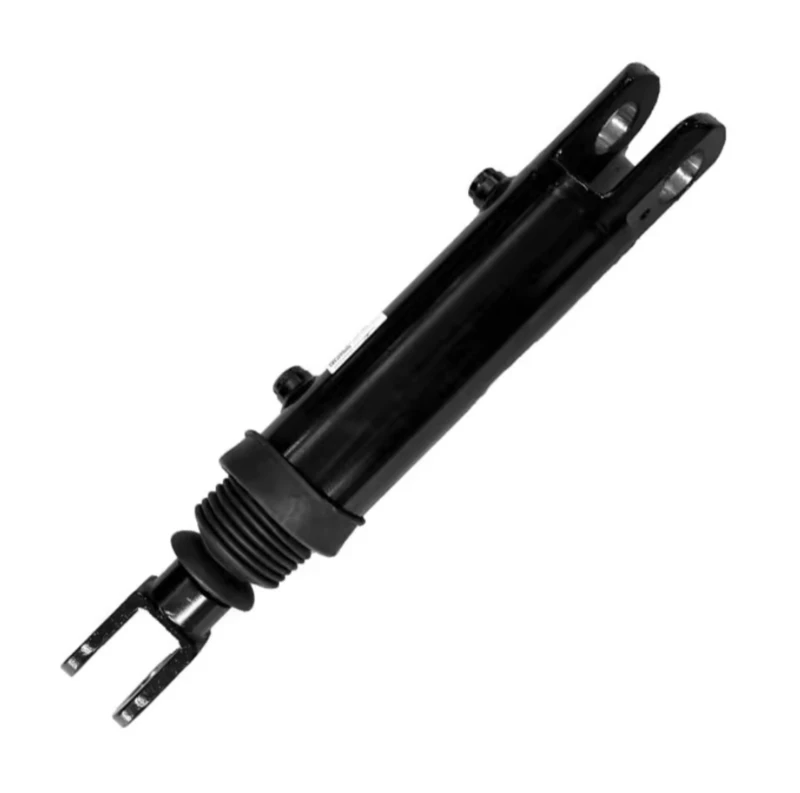
In hydraulic systems, the gland cap houses the sealing elements, such as O-rings or backup rings, which play a vital role in maintaining hydraulic pressure. The precision of the gland cap’s fit is crucial; any misalignment can lead to fluid loss and reduced efficiency. Furthermore, the gland cap must be resistant to wear and corrosion, as it is exposed to hydraulic fluids that can be chemically aggressive.
Regular inspection and maintenance of the gland cap are essential to ensure optimal performance. Operators should check for signs of wear, such as cracking or deformation, and replace the gland cap as necessary to prevent failure. Additionally, using the correct type of hydraulic fluid can enhance the lifespan of both the gland cap and the entire tilt cylinder assembly. By ensuring that the gland cap functions properly, operators can improve the reliability and safety of their forklifts, ultimately enhancing productivity in material handling applications.
hydraulic cylinder for a tilt trailer
The hydraulic cylinder for a tilt trailer is a vital component that facilitates the smooth operation of the tilting mechanism, enabling the efficient loading and unloading of cargo. Typically, these cylinders are constructed from high-strength steel to withstand the substantial forces exerted during operation. They are designed to convert hydraulic pressure into linear motion, allowing the trailer bed to tilt at a controlled angle for easy access.
A tilt trailer usually features a single or dual hydraulic cylinder system, depending on its design and load capacity. The cylinder operates by using hydraulic fluid, which is pressurized by a hydraulic pump. This pressurization creates a force that extends or retracts the cylinder rod, tilting the trailer bed as needed. This process is crucial for transporting heavy equipment, such as vehicles and machinery, as it minimizes the need for ramps and reduces loading time.
Additionally, the hydraulic cylinder must be equipped with proper sealing elements, such as O-rings and rod seals, to prevent leaks and ensure efficient operation. Regular maintenance, including inspecting for signs of wear or damage, is essential to prevent hydraulic fluid loss and maintain optimal performance. Understanding the specifications of the hydraulic cylinder, such as bore size, stroke length, and pressure rating, is crucial for selecting the right component for a tilt trailer. By ensuring these cylinders are well-maintained and appropriately sized, operators can enhance the trailer’s reliability and safety during operation.
gravity tilt trailer cylinder
The gravity tilt trailer cylinder is a specialized component designed to facilitate the self-tilting mechanism of a trailer, utilizing gravitational force to enhance the loading and unloading process. Unlike traditional hydraulic systems, gravity tilt systems rely on the weight of the trailer bed and cargo to pivot the trailer, allowing for a more straightforward and often more reliable operation.
When the trailer is loaded, the center of gravity shifts, causing the trailer bed to tilt downward. This gravitational action engages the tilt mechanism, which can be enhanced with assistive hydraulic cylinders to control the angle of descent more precisely. The design typically includes robust pivot points and a high-strength frame to withstand the dynamic forces experienced during loading and unloading operations.
The primary advantage of gravity tilt trailers is their reduced dependency on hydraulic systems, which can be prone to leaks and maintenance issues. Instead, the design simplifies the operational mechanics, making it easier for operators to load equipment without needing additional hydraulic pumps or controls. Additionally, gravity tilt trailers often feature a safety latch system to secure the trailer bed in a horizontal position while traveling, ensuring stability and safety on the road.
Regular inspection of the tilt mechanism, including the pivot points and latches, is crucial for maintaining optimal performance. By understanding the dynamics of a gravity tilt trailer cylinder, operators can effectively utilize this system for various applications, from transporting heavy machinery to loading vehicles, ensuring efficiency and safety in their operations.
3-point tilt cylinder
The 3-point tilt cylinder is a crucial component in agricultural and construction equipment, specifically designed to enhance the versatility and maneuverability of implements attached to tractors or machinery. This type of cylinder operates within a three-point hitch system, allowing for precise control over the angle of the implement, such as plows, harrows, or blades, during operation.
In a typical configuration, the 3-point hitch consists of two lower links and one top link, which connect to the tractor. The tilt cylinder is integrated into this system, enabling operators to adjust the implement’s angle dynamically. This capability is essential for achieving optimal soil engagement and ensuring that the implement performs effectively in various terrains and conditions. For instance, tilting a plow can improve soil turnover, while adjusting a grader blade can enhance road leveling.
The design of the 3-point tilt cylinder often incorporates high-strength materials and advanced sealing technologies to withstand the rigors of outdoor use. It operates through hydraulic pressure, allowing for smooth and responsive adjustments. The cylinder’s stroke length and bore size are critical parameters that must match the specific requirements of the attached implement, ensuring that operators have the necessary force and range of motion for their tasks.
Regular maintenance, including checking for hydraulic leaks and inspecting seals, is essential for the longevity and performance of the tilt cylinder. By understanding the functionality and application of the 3-point tilt cylinder, operators can maximize the efficiency of their machinery, ultimately improving productivity and outcomes in their agricultural or construction projects.
fork tilt cylinder al-10388 fork/tilt cylinder
The AL-10388 fork tilt cylinder is a specialized hydraulic component widely used in material handling equipment, particularly in forklifts. This cylinder is integral to the tilt function of the fork assembly, enabling operators to adjust the angle of the forks to optimize load stability and safety during transportation.
Constructed from high-strength materials, the AL-10388 is designed to withstand the demanding conditions of industrial environments, where hydraulic pressure can reach thousands of psi. The cylinder operates by converting hydraulic fluid pressure into linear motion, allowing for precise tilting of the forks. This is particularly important when handling loads that require careful positioning, such as pallets or irregularly shaped items.
The design of the AL-10388 typically features robust seals and a piston rod that prevents hydraulic fluid leakage, ensuring efficient operation and reducing the need for frequent maintenance. Proper sizing and compatibility with the forklift’s hydraulic system are essential to achieving optimal performance; therefore, operators must pay attention to specifications such as bore diameter, stroke length, and pressure ratings when selecting this cylinder.
Regular inspection of the AL-10388 fork tilt cylinder is critical for maintaining the forklift’s operational efficiency. Signs of wear, such as surface scratches or leaks around the seals, should be addressed immediately to prevent hydraulic failure. By understanding the functionality and maintenance requirements of the AL-10388, operators can enhance the safety and productivity of their material handling operations, ensuring that loads are managed efficiently and effectively.
Why Choose Us?
1. High-quality products: Our company is committed to providing the highest quality tilt cylinder. Our products are precision-engineered and manufactured using advanced materials to ensure durability, reliability, and consistent performance.
2. Comprehensive Service: We pride ourselves on providing excellent customer service. Our professional team is ready to answer your questions, provide technical support, and provide solutions tailored to your needs.
3. Competitive Prices: Our company offers competitive prices without compromising quality. We believe in creating value for our customers and work hard to ensure our products fit every budget.
4. Excellent after-sales support: We know a product is only as good as the support you receive after purchasing it. Our company provides comprehensive after-sales services, including timely repair, replacement and maintenance, ensuring that your hydraulic cylinders are in optimal condition for a more extended period.
5. Rich product range: Our company provides a variety of hydraulic cylinder shafts to meet different applications and requirements. We can provide you with the right product.
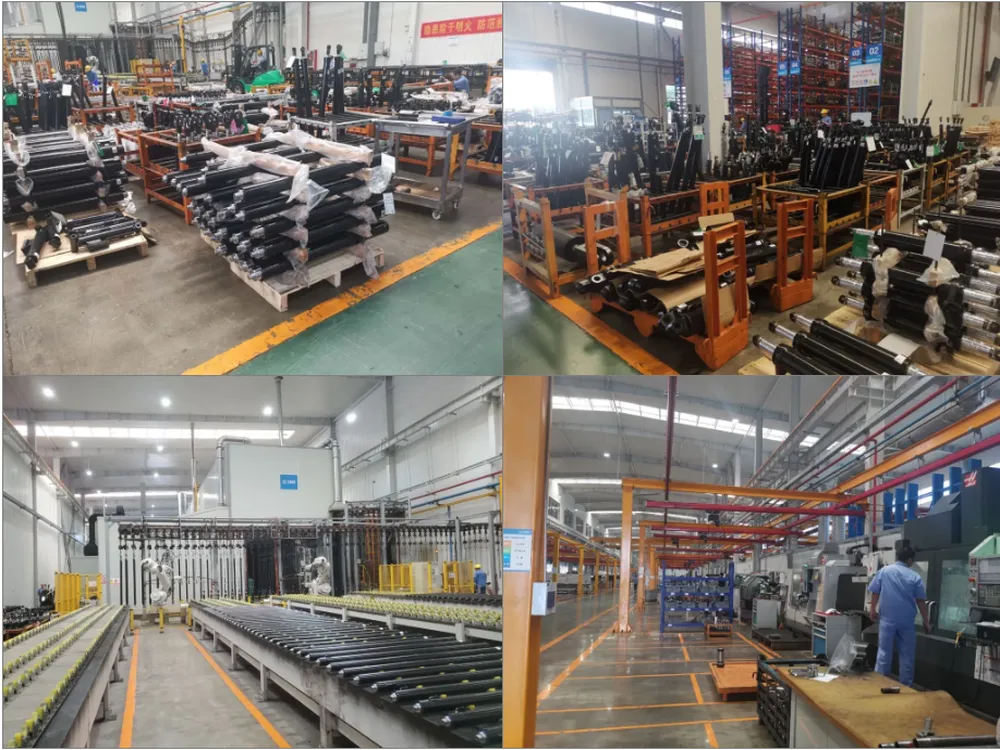
Factory
Edited by Czh