
Straight Axle
Discover our range of straight axle, designed for efficiency and reliability in demanding industrial applications. Explore technical specs, benefits, and how our axle can optimize your operations. Contact us today for expert advice and tailored solutions.
Product Catalog
-

Unbrake Trailer Axle Straight & Overlay 3500lb Square Hub Axle
-

Square Trailer Axle Straight Trailer Shaft Axle 1500KG
-
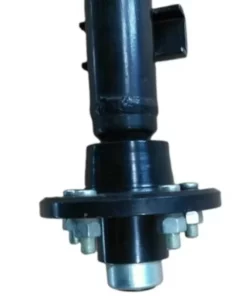
Boat Trailer Axle 2000lbs Round Tube Straight Idler Axle
-
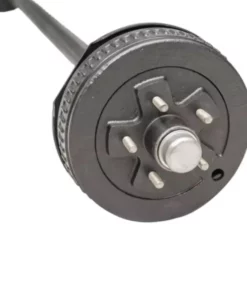
6 K Electric Brake Axle Trailer Straight Axle Wholesale
-
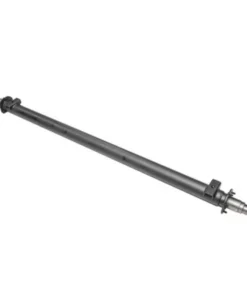
Factory Customized Stud Axle Round Straight Axle For Trailer Suspension Parts
-
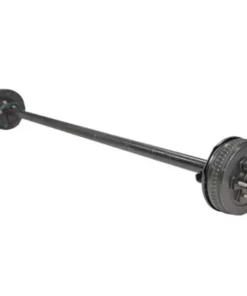
China Factory Semi Trailer Steer Axle For Air Suspension Parts Straight Axle Beam
-
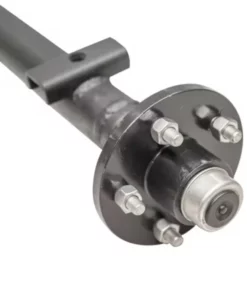
Wholesale Electric Brake Axle Straight Axle For Semi Trailer Parts
-

3.5 K China Factory Trailer Straight Axle With 5 Lug Electric Brake Assembly
-
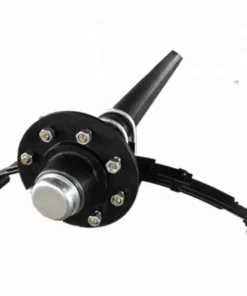
Manufacturer Camper Trailer Suspension Parts Straight Axle With Idler Hub Assembly
-
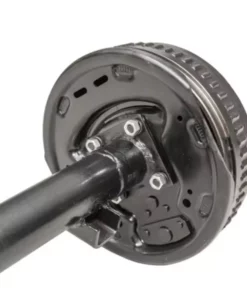
High Quality Semi Trailer Spare Parts Straight Axle With Brake Assembly
-
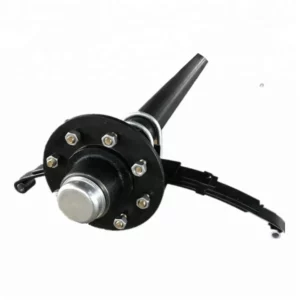
Straight Trailer Axle With Wheel Hub And Leaf Spring
-
Trailer Brake Axle Straight And Overlay Axle For Sale
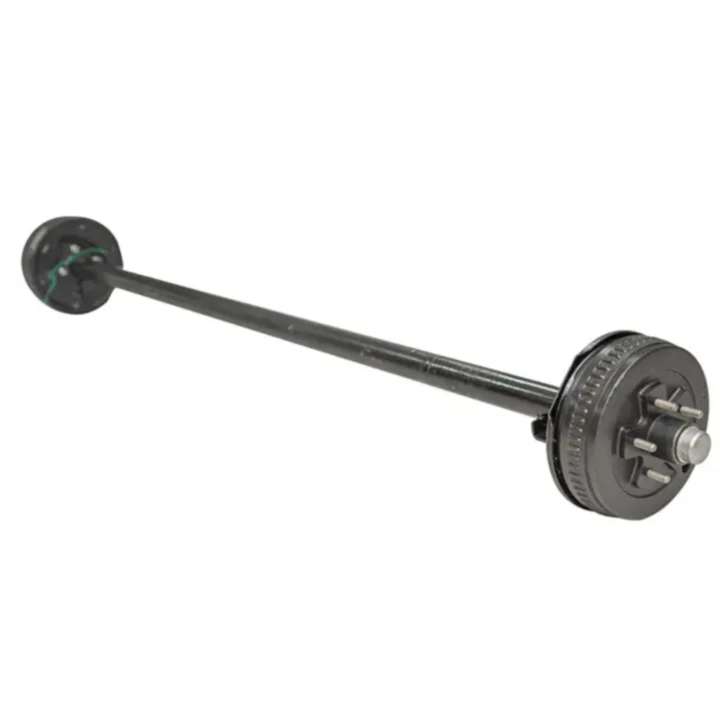
Ever-Power: Leading Innovator in High-Performance Straight Axles for Industrial and Automotive Applications
Ever-Power is a globally recognized company with years of experience in manufacturing and selling mechanical components. Established with a commitment to innovation and quality, the company has grown to become an industry leader, supported by advanced technology and state-of-the-art production facilities. With a team of skilled engineers and cutting-edge equipment, Ever-Power offers reliable and high-performance solutions across various sectors.
One of Ever-Power’s flagship products is the straight axle, designed to meet the demanding needs of automotive, agricultural, and industrial applications. Known for its durability, precise engineering, and resistance to wear and tear, Ever-Power’s straight axle ensures stability and smooth performance in harsh conditions. These axles are suitable for a wide range of vehicles and machinery, providing enhanced load capacity and extended service life, making them a trusted choice for heavy-duty applications.
With deep expertise in axle technology, Ever-Power has established itself as a leader in the straight axle industry. The company is known for its commitment to continuous innovation, ensuring that its products meet the highest international standards. Along with a strong emphasis on customer satisfaction, Ever-Power provides exceptional after-sales service, technical support, and a dedication to maintaining long-term client relationships.
Advantages and features of straight axles
| Feature | Description |
|---|---|
| High Durability | Straight axles are built with robust materials like steel, providing long-lasting durability even in extreme conditions. |
| Enhanced Load Capacity | They are designed to handle heavy loads, making them ideal for applications such as trucks, trailers, and agricultural equipment. |
| Simpler Design | A straightforward design allows for easy manufacturing, installation, and maintenance, reducing downtime and operational costs. |
| Cost-Effective | The simpler construction of straight axles often results in lower production costs compared to independent suspension systems. |
| High Strength-to-Weight Ratio | Straight axles offer a high strength-to-weight ratio, ensuring both performance efficiency and the ability to support heavy loads. |
| Better Ground Clearance | Straight axles provide consistent ground clearance, making them ideal for off-road and uneven terrain applications. |
| Torsional Rigidity | Due to their rigid structure, straight axles can withstand significant torsional forces, improving stability in heavy-duty vehicles. |
| Uniform Tire Wear | By keeping the wheels aligned on the same plane, straight axles help in reducing uneven tire wear, thus extending the lifespan of tires. |
| Suitable for Heavy-Duty Use | They are ideal for use in heavy-duty applications such as construction vehicles, mining trucks, and agricultural machinery due to their toughness. |
| Low Maintenance | The design and robustness of straight axles require less frequent maintenance, reducing the total cost of ownership over time. |
| Interchangeability | Many straight axles are designed with standardized components, allowing for easier part replacement and compatibility with different models. |
| Stability in Towing | Straight axles offer greater stability in towing operations, making them ideal for trailers and other towing vehicles. |
Straight Axles application in RV and UTV
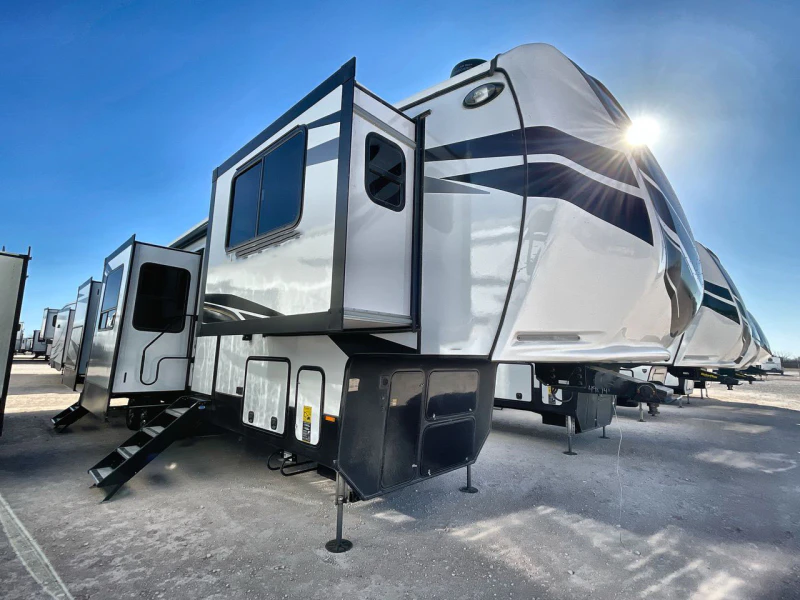
Straight axles play a crucial role in enhancing the performance and stability of Recreational Vehicles (RVs), which are designed for long-distance travel and outdoor living. Here’s how they are applied:
1. RVs and Motorhomes
- Weight Distribution: Straight axles ensure even weight distribution across the vehicle, which is critical for RVs carrying heavy loads, including furniture, appliances, and personal belongings.
- Stability and Handling: Straight axles offer stability, which is essential for the safe maneuvering of large motorhomes, especially during long highway drives or when navigating winding roads and campgrounds.
- Durability for Long Trips: The strength of straight axles makes them highly durable, withstanding the stress of long journeys on varied road conditions, including bumpy or uneven surfaces often encountered in RV parks and off-road areas.
2. Travel Trailers and Campers
- Towing Stability: For travel trailers and campers, straight axles provide excellent towing stability, ensuring the trailer stays balanced and securely attached to the towing vehicle. This helps prevent trailer sway, especially when driving at higher speeds or in windy conditions.
- Load Capacity: Straight axles support the heavy loads associated with travel trailers, from kitchen appliances to outdoor gear, ensuring the trailer can carry the necessary equipment for extended stays without compromising performance.
3. Off-Road RVs
- Rugged Terrain Adaptability: Off-road RVs are designed to navigate rough, uneven terrain, and straight axles are ideal for these conditions, providing consistent ground clearance and the ability to absorb shocks from rocks and dips.
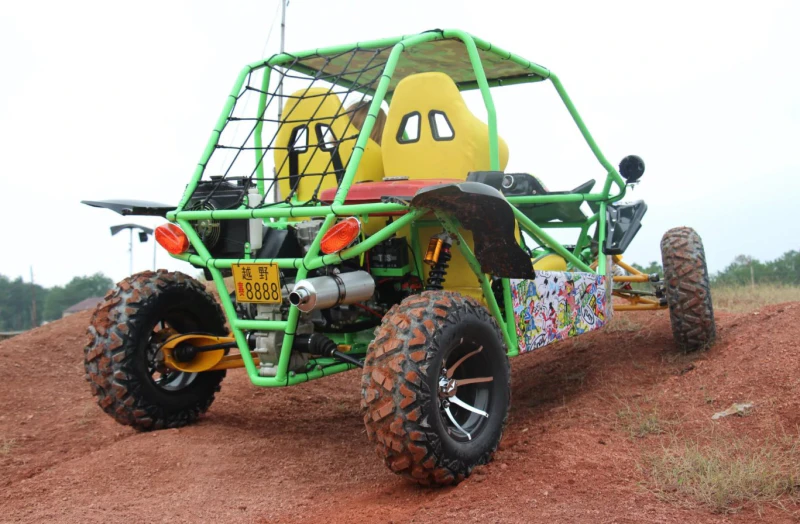
Utility Task Vehicles (UTVs), also known as side-by-sides, are versatile off-road vehicles used in agriculture, recreation, and heavy-duty work. Straight axles enhance UTV performance in the following ways:
1. Off-Road Performance
- Ground Clearance: UTVs need ample ground clearance to tackle off-road environments such as rocky trails, mud, sand, and forests. Straight axles provide uniform ground clearance, allowing the vehicle to navigate obstacles without damaging the undercarriage.
- Durability: UTVs are used in harsh and challenging conditions, and straight axles, known for their toughness, withstand the wear and tear of rugged terrains. Whether it’s racing or navigating work sites, straight axles provide the strength necessary for prolonged use.
2. Heavy Load Handling
- Cargo Transport: UTVs often carry heavy equipment and materials in industries like farming, construction, and landscaping. Straight axles offer high load-bearing capacity, ensuring the vehicle can manage significant weight without affecting its performance.
- Towing Capabilities: Many UTVs are equipped with towing hitches, used for pulling trailers, equipment, or other vehicles. Straight axles enhance towing stability and strength, making it easier to transport heavy loads across different terrains.
3. Stability and Control
- Rough Terrain Navigation: UTVs need stability to navigate steep hills, rocky paths, or muddy fields. Straight axles provide the necessary torsional rigidity, ensuring that the UTV remains stable even in difficult off-road conditions.
- Consistent Tire Wear: Straight axles help maintain proper wheel alignment, reducing uneven tire wear and extending the lifespan of tires, which is crucial when operating in remote or difficult environments where frequent tire changes are impractical.
Advantages of Modern Straight Axles compared to traditional Straight Axles
| Feature | Modern Straight Axles | Traditional Straight Axles |
|---|---|---|
| Material Technology | Utilizes advanced materials like high-strength steel or composites for improved strength and reduced weight. | Often made from heavier, older materials, which may be less durable and more prone to rust. |
| Weight | Significantly lighter due to modern material and design innovations, contributing to better fuel efficiency and vehicle performance. | Heavier, which can negatively impact fuel efficiency, acceleration, and handling. |
| Strength and Durability | Enhanced with stronger materials and advanced engineering to withstand greater loads and harsh conditions. | While still durable, traditional axles may show wear faster under high-stress conditions. |
| Handling and Stability | Designed with advanced geometry for improved vehicle stability, better handling, and smoother rides, especially off-road. | Basic design limits handling and stability, particularly when navigating uneven terrains. |
| Noise and Vibration Control | Modern designs reduce noise, vibration, and harshness (NVH), providing a quieter and more comfortable ride. | Higher levels of noise and vibration, leading to a less refined driving experience. |
| Maintenance Requirements | Reduced maintenance needs due to improved materials, better sealing, and less wear and tear over time. | Higher maintenance due to older materials and designs that require more frequent inspections and replacements. |
| Fuel Efficiency | The lighter weight and optimized design improve fuel economy, making modern axles more efficient for long-term use. | Less efficient due to heavier weight and older designs that create more rolling resistance. |
| Cost Efficiency | Higher initial investment, but lower long-term costs due to fewer repairs, longer lifespan, and improved fuel economy. | Lower upfront cost, but higher lifetime costs because of frequent maintenance and replacement needs. |
| Customization and Versatility | Modern straight axles can be easily customized for specific applications (e.g., off-road vehicles, heavy-duty trucks). | Limited flexibility in customization and adaptation to specific vehicle requirements. |
| Safety Features | Incorporates modern safety standards and features, providing better vehicle control and occupant protection. | Lacks advanced safety features and improvements found in modern axle designs. |
| Sustainability | Eco-friendly materials and processes reduce environmental impact during production and vehicle operation. | Older manufacturing processes and materials may have a larger environmental footprint. |
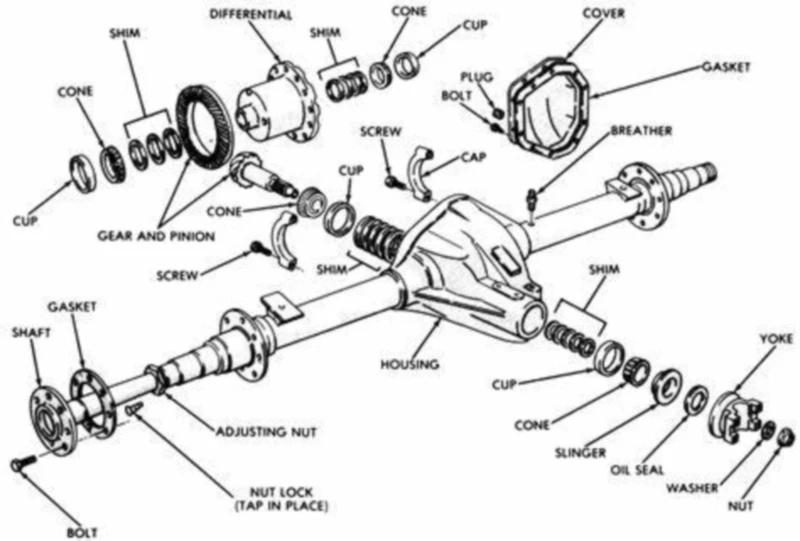
Main Parts of Straight Axles
Axle Shaft: The central component that transmits power from the vehicle’s engine to the wheels. It supports the weight of the vehicle and handles the torque generated during movement.
Housing: The outer casing that encases the axle shaft. It provides structural integrity and protects the internal components from dirt, debris, and moisture.
Wheel Hubs: Attached to the ends of the axle shaft, wheel hubs serve as the mounting point for the wheels. They contain bearings that allow for smooth rotation.
Differential: A gear mechanism located within the axle housing that allows the wheels to rotate at different speeds, especially when turning. This helps maintain traction and stability.
Axle Bearings: These support the axle shaft and reduce friction during rotation. They are essential for smooth wheel movement and longevity.
Brake Components: Including brake drums or discs, these are attached to the wheel hubs and are crucial for vehicle stopping power.
U-Joints (Universal Joints): If the straight axle is part of a drive system, U-joints connect the axle to the driveshaft, allowing for movement while transmitting power.
Suspension Components: These may include leaf springs or coil springs, which help absorb shocks and maintain ride height.
Seal and Gasket: These prevent fluid leaks from the differential and keep contaminants out of the housing.
Mounting Brackets: These attach the axle assembly to the vehicle’s frame or chassis, providing stability and alignment.
Installation and maintenance of Straight Axles
Installation of Straight Axles
- Preparation:
- Tools Needed: Gather essential tools such as wrenches, sockets, jack stands, and torque wrenches.
- Safety Gear: Wear safety glasses and gloves for protection.
- Vehicle Preparation:
- Park the vehicle on a level surface and secure it with wheel chocks.
- Lift the vehicle using a jack and place it on jack stands.
- Removal of Old Axle:
- Disconnect the battery to prevent electrical issues.
- Remove the wheels to access the axle.
- Detach any brake components, such as brake drums or discs.
- Remove any associated components (e.g., differential cover) to gain access to the axle.
- Carefully unbolt and remove the old axle from its mounting points.
- Installing the New Axle:
- Position the new straight axle in place, ensuring it aligns with the mounting points.
- Secure the axle with bolts and torque them to the manufacturer’s specifications.
- Reinstall the differential cover and any removed components.
- Reattach the brake components, ensuring proper alignment and functionality.
- Final Steps:
- Reinstall the wheels and lower the vehicle.
- Reconnect the battery.
- Check the fluid levels and add any necessary fluids (e.g., axle oil).
Maintenance of Straight Axles
- Regular Inspections:
- Visual Checks: Regularly inspect the axle for any signs of wear, rust, or damage.
- Listen for Noises: Pay attention to unusual noises when driving, which may indicate problems.
- Lubrication:
- Check and maintain proper lubrication in the differential and axle bearings.
- Replace the axle oil according to the manufacturer’s recommendations.

- Torque Check:
- Periodically check the torque of axle bolts to ensure they are securely fastened.
- Alignment:
- Ensure the vehicle is properly aligned to prevent uneven tire wear and excessive stress on the axle.
- Brake Maintenance:
- Regularly inspect the brakes for wear and replace brake pads or shoes as needed.
- Suspension Checks:
- Inspect suspension components, such as shocks and springs, for wear and replace if necessary.
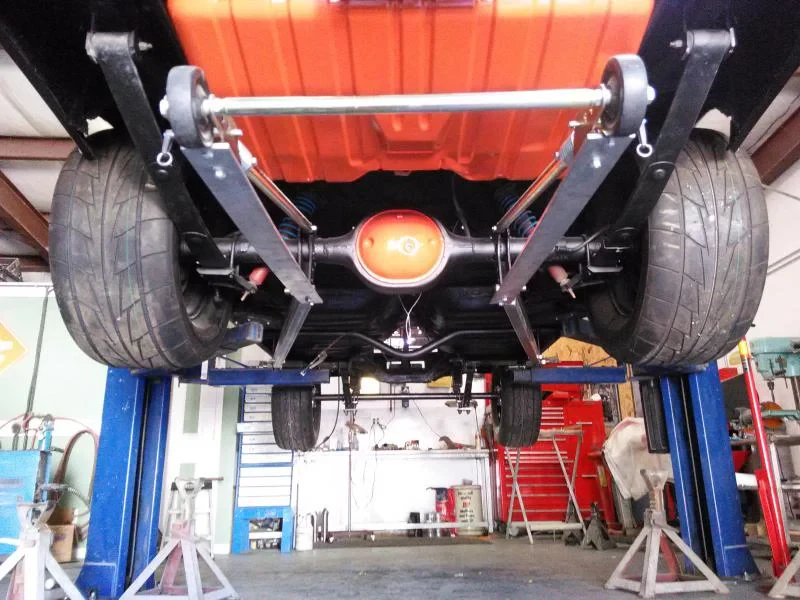
straight axle vs independent suspension
The debate between straight axle versus independent suspension systems is long-standing, as both have distinct advantages depending on the application. A straight axle, also known as a solid axle, connects both wheels on the same axle, maintaining a fixed distance between them. In contrast, an independent suspension allows each wheel to move separately, improving handling and ride comfort.
Straight axles are renowned for their durability and load-carrying capacity, making them ideal for heavy-duty vehicles like trucks, off-road vehicles, and agricultural equipment. One of the key benefits is their simplicity in design, which leads to easier maintenance and higher durability under heavy loads. Additionally, straight axles provide better ground clearance and articulation in off-road conditions, allowing both wheels to stay engaged with the terrain, enhancing traction.
straight axle suspension upgrade for SUVs
Upgrading to a straight axle suspension for SUVs is a popular modification among off-road enthusiasts looking to enhance their vehicle’s durability and performance in rugged terrains. A straight axle, also known as a solid axle, provides better weight distribution and traction, especially in challenging conditions like rock crawling, mudding, or steep inclines. This type of axle offers a higher level of ground clearance and articulation, making it ideal for off-road applications where independent suspension systems may struggle to maintain consistent traction.
The process of upgrading involves replacing the existing independent suspension system with a straight axle, which can handle more load and is typically more durable under stress. This modification often includes adding reinforced components such as heavy-duty differential housings, stronger driveshafts, and upgraded steering systems to cope with the increased demands. A solid axle allows both wheels on an axle to move together, ensuring greater stability when traversing uneven surfaces. It also reduces the risk of individual wheel misalignment that could lead to uneven tire wear and decreased control.
However, a straight axle suspension upgrade does come with trade-offs. The ride quality on paved roads may become rougher compared to the smoother feel of independent suspension systems. Handling in tight turns can be less responsive, as solid axles generally sacrifice some maneuverability for off-road capability. Despite these challenges, the robustness of a straight axle makes it a popular choice for serious off-roaders who prioritize performance over comfort.
heavy-duty straight axles for agricultural equipment
Heavy-duty straight axles for agricultural equipment are a crucial component designed to withstand extreme loads and harsh working conditions. These axles are engineered for durability, ensuring optimal performance in demanding environments such as farming, where they support the weight and operation of large machinery.
Typically made from high-grade steel, heavy-duty straight axles offer enhanced strength and resistance to bending, which is essential for equipment like tractors, trailers, and harvesters. They are designed to handle heavy payloads, providing stability and safety during operation. In agricultural settings, where uneven terrain and constant stress are common, these axles must deliver consistent torque and load distribution.
Additionally, heavy-duty straight axles are often paired with advanced bearings and seals to reduce friction and wear, ensuring a longer service life. Precision in axle alignment and construction is key to minimizing vibration and preventing premature wear of tires and other connected parts. For farmers and agricultural operators, selecting robust straight axles is vital to reduce downtime and maintenance costs while ensuring productivity in the field.
Affordable straight axles for off-roading
Affordable straight axles for off-roading are essential for enthusiasts seeking a balance between performance and cost-effectiveness. These axles are designed to handle the rugged demands of off-road environments, where vehicles encounter rough terrains, steep inclines, and heavy loads. Despite being affordable, well-engineered straight axles can still deliver the durability and reliability needed for challenging off-road adventures.
Straight axles are favored in off-roading due to their simplicity and ability to provide consistent ground clearance, which is crucial for navigating uneven landscapes. They also offer better articulation, enabling all four wheels to maintain traction, even when one wheel encounters an obstacle. This ensures greater vehicle stability and improved performance on rocky, muddy, or sandy surfaces.
While affordability is key, it’s important that the materials used are still durable. Many affordable straight axles are made from heat-treated steel or alloy materials to enhance strength without compromising cost. Precision engineering in these axles also ensures proper alignment and load distribution, which minimizes wear on suspension components and tires.
High-performance straight axles for trucks
High-performance straight axles for trucks are engineered to meet the rigorous demands of heavy-duty hauling and off-road conditions. These axles are built for strength, durability, and enhanced load capacity, making them ideal for trucks that need to perform in tough environments, whether on highways, construction sites, or challenging terrains.
One of the key advantages of high-performance straight axles is their ability to handle substantial torque and weight loads. Designed with precision, these axles ensure even load distribution, reducing the risk of premature wear on tires, suspension systems, and other drivetrain components. Materials such as heat-treated alloy steel are often used to increase tensile strength, allowing the axles to endure high stress without deforming.
In trucks, straight axles provide better load-carrying capacity compared to independent suspension systems. This is particularly important for trucks used in applications like towing or carrying heavy payloads, where durability and stability are crucial. These axles also enhance traction and ground clearance, essential for off-road and construction vehicles that frequently encounter uneven and rough terrain.
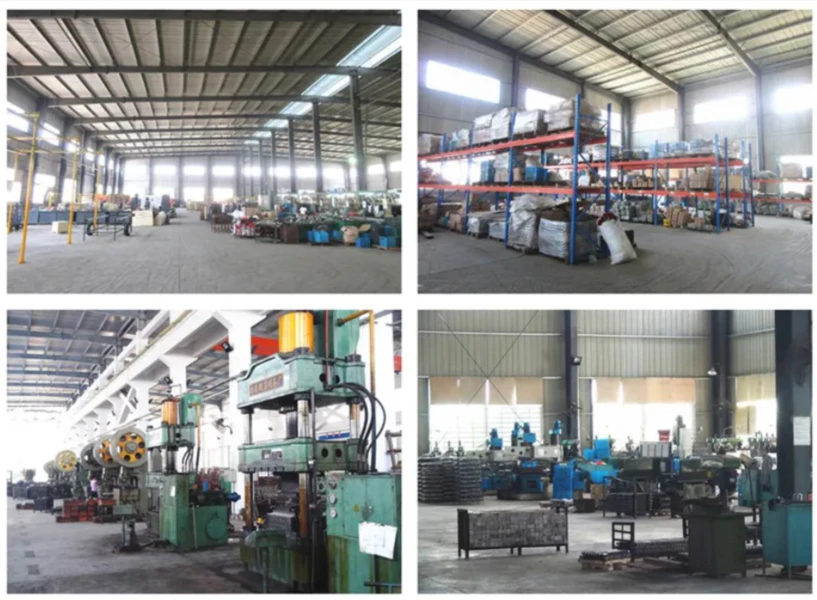
Factory
Edited by Czh