
Worm Shafts
Product Catalog
-
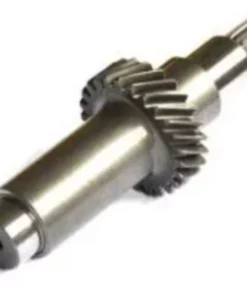
Customized CNC Machining Auto Spare Parts Car Accessories Worm Shaft Gears
-
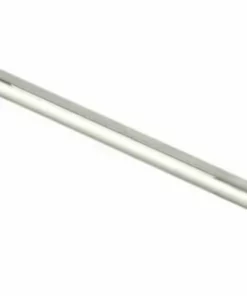
OEM High Precision Steel Worm Shaft for Motor Rotor
-
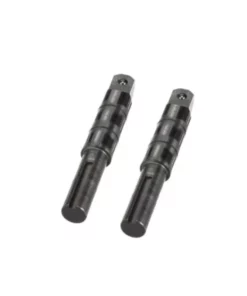
Custom CNC Machining Worm Shaft Assembly Stainless Steel Plunger Bolt Mounting Stud Metal Bowl Pin Dowel Shaft Driven
-
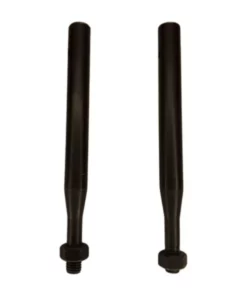
Factory Direct Supply Cheap Price Accessories Baler Worm Shaft
Ever-Power: Your Premier Source for High-Quality Worm Shaft manufacturing
Ever-Power is a leading manufacturer and supplier specializing in Worm Shafts, with a rich history of excellence in the engineering industry. Established over a decade ago, our company has grown significantly, leveraging advanced manufacturing techniques and state-of-the-art technology to produce high-quality products. Our commitment to innovation and precision has positioned us as a trusted partner in various sectors, including automotive, robotics, and industrial machinery.
Worm Shafts are essential components in many applications due to their unique design, which allows for high torque transmission and compact size. These shafts provide a smooth and efficient operation, making them ideal for use in gear reducers, conveyor systems, and lifting equipment. The inherent advantages of Worm Shafts include low noise, minimal backlash, and the ability to handle high loads, making them a preferred choice for engineers and manufacturers alike.
At Ever-Power, we pride ourselves on our deep expertise in Worm Shaft production. Our dedicated research and development team continuously explores new materials and design innovations to enhance performance and durability. We are recognized for our reliability and quality assurance in the industry, ensuring that our products meet the highest standards.
We are committed to customer satisfaction, providing comprehensive after-sales support and maintenance services to ensure optimal performance of our products. Our philosophy emphasizes collaboration and continuous improvement, driving us to innovate and adapt to meet the evolving needs of our clients. Trust Ever-Power for all your Worm Shaft needs, and experience the difference of working with a dedicated and knowledgeable partner.
What are worm shafts?
Worm shafts are specialized mechanical components widely used in gear systems to transmit power and motion. Characterized by their helical gear design, a worm shaft consists of a worm (a screw-like gear) and a worm wheel (a gear that meshes with the worm). This unique configuration allows for high torque transmission in a compact form, making worm shafts particularly advantageous in applications where space is limited.
The primary function of worm shafts is to convert rotational motion and transfer it to another component at a reduced speed while increasing torque. This gear arrangement is commonly found in various industries, including automotive, manufacturing, and robotics. Worm shafts are essential in applications such as conveyor systems, lifting equipment, and robotics, where precise movement and load handling are critical.
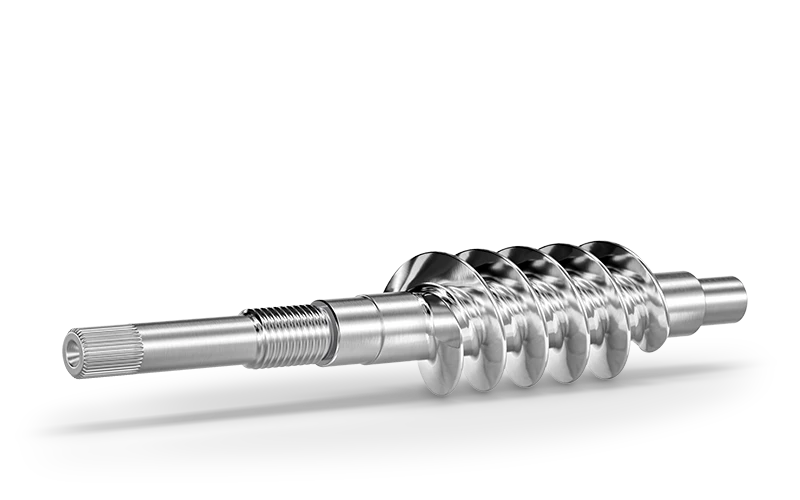
One of the key benefits of worm shafts is their ability to provide significant gear reduction in a single stage, resulting in smooth and quiet operation. Additionally, they exhibit minimal backlash, which enhances positional accuracy and control. Their self-locking feature is another advantage, preventing reverse movement when the load is applied, making them ideal for vertical applications.
Worm shafts are manufactured using high-quality materials to ensure durability and performance. Their versatility and efficiency make them an integral part of modern machinery, providing reliable solutions for power transmission across a wide range of applications. Whether in industrial equipment or consumer products, worm shafts play a crucial role in ensuring optimal performance and functionality.

How worm shafts work
Worm shafts operate based on a unique gear mechanism that involves a worm and a worm wheel. The worm, resembling a screw, has a helical thread that engages with the teeth of the worm wheel. When the worm shaft is rotated, it turns the worm, which, in turn, drives the worm wheel. This interaction converts the rotational motion of the worm into a slower rotational motion in the worm wheel, effectively reducing speed while increasing torque.
The design of worm shafts allows for a high gear reduction ratio in a compact space. As the worm shaft turns, the self-locking feature prevents back-driving, making it ideal for applications where load stability is crucial, such as in elevators and hoists. Additionally, the low backlash characteristic enhances precision, ensuring accurate positioning in machinery.
Overall, worm shafts are valued for their efficiency, smooth operation, and ability to handle high loads, making them a popular choice in various industrial and mechanical applications. Their design enables effective power transmission in limited spaces, contributing to their widespread use across multiple sectors.
Application areas of worm shafts

Aerospace
In the aerospace industry, worm shafts are used in control systems, landing gear mechanisms, and actuation systems. Their ability to provide high torque in compact spaces is crucial for ensuring precise movement and reliability in flight operations.

Automobile
Worm shafts play a vital role in automotive applications, such as power steering systems and gearboxes. Their self-locking feature prevents back-driving, which is essential for safety in vehicle control mechanisms.

Medical Device Industry
In medical devices, worm shafts are used in equipment like surgical robots and automated laboratory instruments. Their precise motion control and reliability are critical for ensuring accurate procedures and tests.

Electrical Equipment
Worm shafts are integrated into various electrical devices, including motors and generators. They help in reducing speed while increasing torque, making them suitable for applications requiring high efficiency and controlled movement.

Architecture
In architectural applications, worm shafts are utilized in automated systems like retractable roofs and moving walls. They provide reliable motion control and support complex designs while ensuring stability.

Musical Instruments
Worm shafts are used in some musical instruments, such as electric guitars for tuning mechanisms and in synthesizers for controlling sound modulation. Their precision and reliability enhance the performance and tuning accuracy of these instruments.
The main components of worm shafts
Worm: The worm is a screw-like gear with a helical thread that meshes with the teeth of the worm wheel. It is responsible for converting rotational motion into linear movement and reducing speed while increasing torque.
Worm Wheel: This gear engages with the worm and is designed with teeth that fit the helical grooves of the worm. The worm wheel rotates when the worm is turned, allowing for efficient power transmission.
Shaft: The shaft serves as the central support for the worm and transmits rotational force. It connects the worm to the driving motor and ensures stable operation.
Bearings: Bearings are crucial for reducing friction and providing smooth rotation of the worm shaft assembly. They support the worm and worm wheel, allowing for efficient operation and longevity.
Housing: The housing encases the worm and worm wheel assembly, protecting it from external elements and ensuring proper alignment. It also helps in dissipating heat generated during operation.
Lubrication System: A lubrication system is often included to reduce wear and friction between moving parts. Proper lubrication ensures smooth operation and extends the lifespan of the worm shaft.
Worm shafts compared to other gear types
| Aspect | Worm Shafts | Spur Gears | Bevel Gears | Helical Gears |
|---|---|---|---|---|
| Design | Screw-like with a helical thread | Straight teeth aligned parallel to the axis | Conical shape with teeth cut on an angle | Helical teeth cut at an angle to the axis |
| Torque Transmission | High torque with significant gear reduction | Moderate torque; lower reduction ratios | High torque; effective for changing the axis of rotation | High torque with smoother operation |
| Efficiency | Typically less efficient due to sliding contact | High efficiency due to rolling contact | Moderate efficiency; effective in many applications | High efficiency; less sliding friction |
| Backlash | Minimal backlash; self-locking capability | Higher backlash; dependent on quality of manufacturing | Moderate backlash; can be minimized with precise manufacturing | Lower backlash compared to spur gears |
| Applications | Lifting equipment, automotive steering, robotics | General machinery, clocks, conveyors | Automotive differentials, power tools | Industrial machinery, conveyor systems |
| Noise Level | Generally quieter due to continuous contact | Can be noisy at high speeds | Moderate noise levels; varies with design | Quieter than spur gears, smoother operation |
| Load Capacity | Excellent load capacity, especially in compact designs | Limited by size; suitable for moderate loads | High load capacity, but design dependent | High load capacity with smoother operation |
| Cost | Often more expensive due to complex design | Generally lower cost | Moderate cost, depending on precision requirements | Moderate to high cost based on precision |
Materials used to make worm shafts
Carbon Steel: Often used due to its strength and hardness, carbon steel is suitable for applications requiring high load capacity. It can be heat-treated to improve wear resistance and tensile strength.
Alloy Steel: This material contains additional elements (like chromium, molybdenum, or nickel) to enhance toughness, hardness, and wear resistance. Alloy steel is often used in heavy-duty applications where high performance is essential.
Stainless Steel: Known for its corrosion resistance, stainless steel is ideal for applications in harsh environments, such as food processing or marine applications. It also offers good strength and durability.
Bronze: Used for worm wheels, bronze has excellent wear resistance and self-lubricating properties. It is often chosen for applications where low friction and good corrosion resistance are required.
Plastic: In some applications, especially lightweight or low-load scenarios, plastic (such as nylon or acetal) can be used to manufacture worm shafts. These materials are lightweight, resistant to corrosion, and can operate quietly, although they may have lower load-bearing capacities compared to metal.
Cast Iron: Sometimes used for larger, lower-speed applications, cast iron offers good wear resistance and dampening properties, making it suitable for heavy machinery.
Hardened Steel: For applications requiring exceptional wear resistance, worm shafts can be made from hardened steel, which undergoes heat treatment to achieve higher hardness levels.

Alloy Steel

Carbon Steel
Different types of worm shafts
Single-thread Worm Shafts: These have a single helical thread that engages with a worm wheel. They provide high torque and are commonly used in applications where significant speed reduction is needed.
Multi-thread Worm Shafts: Featuring multiple helical threads, these shafts allow for higher speeds and reduced friction compared to single-thread designs. They are often used in applications requiring faster operation with less torque.

Left-hand and Right-hand Worm Shafts: Worm shafts can be designed with either left-handed or right-handed threads, determining the direction of rotation. This specification is crucial for ensuring compatibility with the corresponding worm wheel.
Self-locking Worm Shafts: These are designed to prevent reverse motion when the load is applied. This feature is beneficial in applications like hoists and elevators, providing safety and stability.
Hardened Worm Shafts: Made from specially treated materials, these shafts are designed to withstand high wear and tear. They are suitable for heavy-duty applications requiring extended service life.
Compact Worm Shafts: These are designed with a smaller footprint, making them ideal for applications with space constraints. They still maintain efficient torque transmission despite their size.

Modular Worm Shafts: These allow for interchangeable components, making maintenance and customization easier. They are often used in complex systems where adaptability is needed.
Specialty Worm Shafts: Customized designs may be created for specific applications, incorporating unique features like special materials or coatings to enhance performance.
Manufacturing process of worm shafts
Material Selection: The process begins with selecting the appropriate material, often carbon steel, alloy steel, or stainless steel, depending on the desired properties and application requirements.
Cutting and Shaping: The selected material is cut into rough blanks using methods such as saw cutting or laser cutting. The blanks are then shaped into the basic form of the worm shaft using techniques like forging or machining.
Machining: The rough blanks undergo precision machining to create the worm profile. This typically involves:
Turning: The blank is placed in a CNC lathe, where the outer diameter is shaped and the worm thread is cut.
Threading: A specialized tool is used to form the helical thread on the worm shaft, which is crucial for its engagement with the worm wheel.
Heat Treatment: To enhance strength and wear resistance, the machined worm shafts may undergo heat treatment processes such as quenching and tempering. This step is essential for achieving the desired hardness and durability.
Surface Finishing: After heat treatment, the shafts are subjected to surface finishing processes to improve surface quality. This may include grinding, polishing, or shot blasting to remove any surface imperfections and achieve the required tolerances.
Coating: In some cases, worm shafts are coated with materials like nitriding or hard chrome to improve corrosion resistance and reduce friction.
Quality Control: Throughout the manufacturing process, rigorous quality control measures are implemented. This includes dimensional inspections, hardness testing, and surface finish evaluations to ensure that the shafts meet specified standards.
Assembly: If the worm shaft is part of a larger assembly, it may be combined with other components, such as bearings and worm wheels, during the assembly process.

Hollow shaft worm gear reducer
A Hollow Shaft Worm Gear Reducer is a type of gearbox that utilizes a hollow shaft to deliver high torque and power transmission while allowing flexibility in installation. This design combines the functionality of worm gear systems, known for high torque transmission and precise speed control, with the added versatility of a hollow shaft, enabling more efficient alignment, coupling, and integration with existing machinery. These reducers are essential in various industries, such as material handling, automation, packaging, and conveyor systems, due to their compact design, torque advantages, and self-locking capabilities.
Key Features and Advantages
Compact Design: The hollow shaft allows for a more compact assembly, as the shaft can pass through the gearbox, simplifying alignment and installation. This compact size is especially beneficial in applications with space constraints.

High Torque Output: Worm gear reducers excel at delivering high torque at low speeds, making them suitable for heavy-duty applications requiring significant torque multiplication. The hollow shaft version retains this advantage while offering easier integration with other parts.
Self-Locking Capability: Due to the angle of the worm shaft and wheel, these reducers often possess a self-locking feature, meaning the output shaft resists back-driving forces. This is a crucial feature for applications like lifting and hoisting, where load holding is essential for safety and energy efficiency.
Vibration Damping and Noise Reduction: Worm gear systems naturally provide smooth, vibration-free operation, which reduces noise and contributes to the durability of the machinery. This feature makes hollow shaft worm gear reducers suitable for quiet, precise, and long-lasting performance in sensitive environments.
Ease of Installation and Coupling: The hollow shaft allows for direct coupling with other components like motors and shafts, eliminating the need for additional couplings or adapters. This not only simplifies the assembly but also minimizes the risk of misalignment, reducing maintenance needs and enhancing operational stability.
Common Applications
Material Handling Equipment: In conveyor systems, hollow shaft worm gear reducers help manage torque and speed, especially in equipment requiring smooth operation and high load handling.
Lifting and Hoisting Systems: Their self-locking capability makes these reducers essential for lifting applications, such as in hoists and elevators, where load-holding capability is crucial for safety.
Automation and Robotics: Compact and high-precision, hollow shaft worm gear reducers are valuable for automation tasks where space-saving, quiet operation, and precise motion control are priorities.
Packaging Machinery: These gear reducers help regulate speed and torque in packaging machinery, ensuring accuracy and control in tasks like wrapping, filling, and sealing.
Maintenance measures taken by worm shafts
Regular Lubrication: Proper lubrication is crucial to minimize friction and wear. Use the recommended lubricant type and maintain appropriate levels to ensure smooth operation. Regularly check and replace lubricants according to the manufacturer’s guidelines.
Visual Inspections: Conduct routine visual inspections for signs of wear, damage, or misalignment. Look for unusual noise, vibration, or overheating, which could indicate underlying issues.
Alignment Checks: Ensure that the worm shaft and associated components are correctly aligned. Misalignment can lead to uneven wear and potential failure. Use precision tools to check alignment periodically.
Cleaning: Keep the worm shaft and surrounding areas clean from debris, dust, and contaminants. Accumulated dirt can affect lubrication and lead to premature wear.
Monitor Operating Conditions: Keep track of operating conditions such as temperature, load, and speed. Excessive load or heat can accelerate wear and lead to premature failure.
End Play and Backlash Adjustments: Check for end play and backlash in the worm gear system. Adjust these parameters as necessary to ensure optimal engagement between the worm and worm wheel.
Bearing Maintenance: Inspect and maintain the bearings that support the worm shaft. Bearings should be lubricated and replaced if they show signs of wear or damage.
Temperature Monitoring: Implement temperature monitoring systems to detect overheating. Elevated temperatures can indicate lubrication issues or excessive friction.
Periodic Testing: Conduct periodic performance tests to evaluate the efficiency and functionality of the worm shaft system. This can help identify potential issues before they escalate.
Replacement of Worn Components: If any components show signs of significant wear, such as the worm or worm wheel, replace them promptly to prevent further damage to the system.
Document Maintenance Activities: Keep records of all maintenance activities, inspections, and replacements. This documentation can help in identifying patterns of wear and informing future maintenance strategies.
Factory:

Edited by Czh