
Ever-Power: Precision Engineering and Innovation in CNC Lathes
Ever-Power is a leading manufacturer specializing in the production and sale of CNC lathes, with a rich history that spans over two decades. Located in a state-of-the-art facility, our company boasts a dedicated team of engineers and technicians, equipped with advanced technology to ensure the highest quality standards. We have established a robust reputation in the industry, supported by our commitment to innovation and precision.
Our CNC lathes are designed to meet the diverse needs of various sectors, including aerospace, automotive, medical, and electronics. These machines offer exceptional accuracy and efficiency, capable of producing complex components with tight tolerances. The user-friendly interface and automation features enhance productivity, while our lathes’ durable construction ensures long-term reliability, making them an ideal choice for both small-scale workshops and large manufacturing plants.
Ever-Power stands out in the CNC lathe market due to our specialization and expertise. We continuously invest in research and development to incorporate cutting-edge technologies into our products, ensuring we remain at the forefront of the industry. Our commitment to quality and performance has made us a trusted partner for businesses around the globe.
Customer satisfaction is at the heart of our service philosophy. We offer comprehensive after-sales support, including installation, training, and maintenance services, to ensure our clients maximize their investment. At Ever-Power, we believe in fostering long-term relationships with our customers through continuous innovation and dedicated support, helping them achieve their manufacturing goals effectively and efficiently.
Product Catalog
-
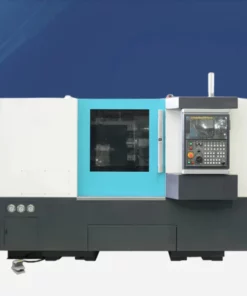
M series vertical machining center
-
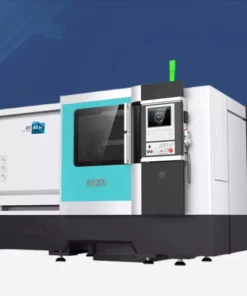
T series horizontal CNC machine tools
-
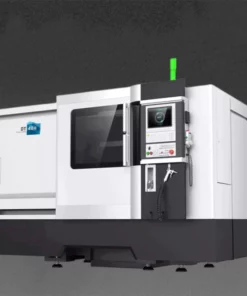
DST series turning center
-
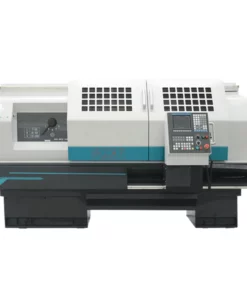
V series vertical CNC machine tools
-
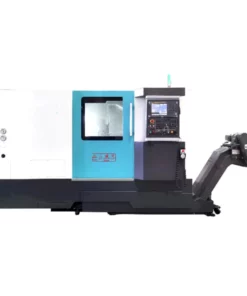
H series horizontal machining center system
-
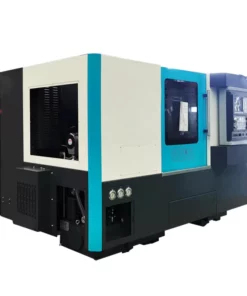
U series five axis vertical machining center
-
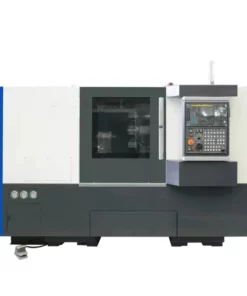
B series bridge type gantry machining center
-
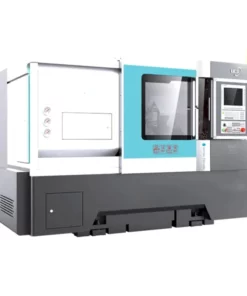
G series gantry machining center
-
G series moving gantry vertical machining center
-
Mog Cloud Cabinet – Smart Tool Cabinet
-
Slant Bed CNC Lathe Machine CLS20
-
Slant Bed CNC Lathe Machine DT-40H

What is CNC Lathe?
A CNC lathe, or Computer Numerical Control lathe, is a highly advanced machining tool used for shaping and machining materials, primarily metals and plastics. Unlike traditional lathes operated manually, CNC lathes are controlled by computer programs, allowing for greater precision and automation in the manufacturing process.
CNC lathes are equipped with a rotating workpiece, which is shaped by a cutting tool that moves along various axes. This capability enables the production of complex geometries, including cylindrical, conical, and intricate shapes. The precision of CNC lathes ensures high-quality finishes and tight tolerances, making them ideal for industries such as aerospace, automotive, medical, and electronics.
The advantages of CNC lathes include increased efficiency, as they can operate continuously without human intervention, and the ability to produce consistent results across large production runs. Additionally, they offer flexibility, allowing manufacturers to switch between different designs quickly by simply updating the software.
The difference between CNC lathe and traditional lathe
| Feature | CNC Lathe | Traditional Lathe |
|---|---|---|
| Control Method | Computer Numerical Control (CNC) | Manual control by the operator |
| Precision | High precision with tight tolerances | Moderate precision, dependent on operator skill |
| Automation | Fully automated, can run unattended | Requires constant operator attention |
| Programming | Programmed using CAD/CAM software | No programming; adjustments made manually |
| Complexity of Parts | Capable of producing complex shapes easily | Better suited for simpler parts |
| Setup Time | Longer initial setup due to programming | Quicker setup for small jobs |
| Production Volume | Ideal for mass production with high consistency | Suitable for small batches or one-off pieces |
| Tool Changes | Automatic tool changers available | Manual tool changes required |
| Learning Curve | Requires knowledge of CNC programming | Easier to learn basic operations |
| Cost | Higher initial investment | Generally lower initial cost |
| Maintenance | Advanced diagnostics and monitoring systems | Basic maintenance; reliant on operator checks |
| Material Versatility | Can handle various materials with ease | Limited versatility based on machine design |
| Flexibility | Highly flexible; can easily switch designs | Less flexible; requires manual adjustments |
Working Principle of CNC Lathe
The working principle of a CNC lathe revolves around the precise control of a rotating workpiece and a cutting tool. The process begins with the design of a part using CAD (Computer-Aided Design) software. Once the design is finalized, it is converted into a G-code, which is a language that CNC machines understand. This G-code dictates the movements and operations of the lathe.
In operation, the workpiece is mounted securely onto the lathe’s spindle, which rotates at variable speeds. The CNC system controls the movement of the cutting tool along multiple axes—commonly the X (horizontal) and Z (longitudinal) axes. Depending on the design requirements, the cutting tool moves in specific patterns to shape the material, removing excess material to achieve the desired dimensions and surface finish.
One of the key advantages of CNC lathes is their ability to perform multiple operations without manual intervention. For instance, some CNC lathes feature live tooling, allowing for milling and drilling while the workpiece is rotating, further enhancing production efficiency.

Application industries of CNC Lathe
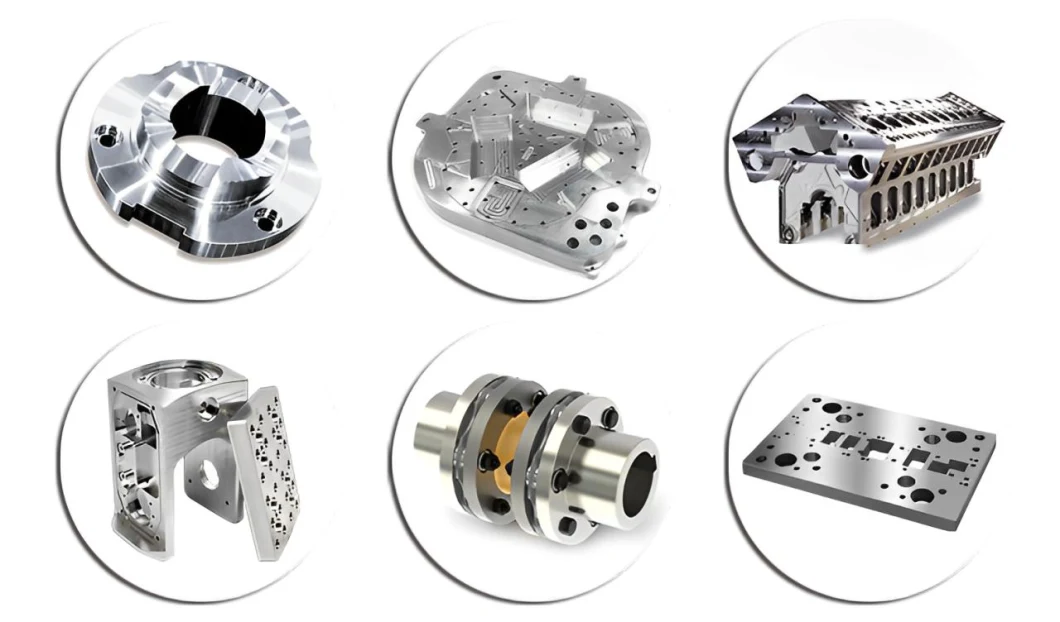
Aerospace: CNC lathes manufacture critical components such as turbine housings, engine parts, and structural elements, requiring high precision and stringent quality standards.
Automotive: Used for producing engine blocks, transmission components, axles, and various other parts, CNC lathes enhance productivity and ensure consistent quality in automotive manufacturing.
Medical: CNC lathes produce surgical instruments, implants, and dental devices, where precision and biocompatibility are essential.
Electronics: They are used to create enclosures, connectors, and components for electronic devices, allowing for intricate designs and high-volume production.
Oil and Gas: CNC lathes are essential for manufacturing valves, fittings, and specialized equipment that must withstand extreme conditions.
Defense: Used to produce military components and systems, CNC lathes ensure high reliability and precision in defense applications.
Industrial Machinery: They are used in manufacturing components for various machines, including pumps, compressors, and gears, contributing to the functionality and efficiency of industrial operations.
Furniture and Woodworking: CNC lathes can shape and carve wooden components for furniture and decorative items, enhancing design possibilities.
Consumer Goods: Used to produce items like handles, knobs, and other components found in household appliances and personal products.
Research and Development: CNC lathes are used to create prototypes and experimental components, allowing for rapid development and testing of new products.
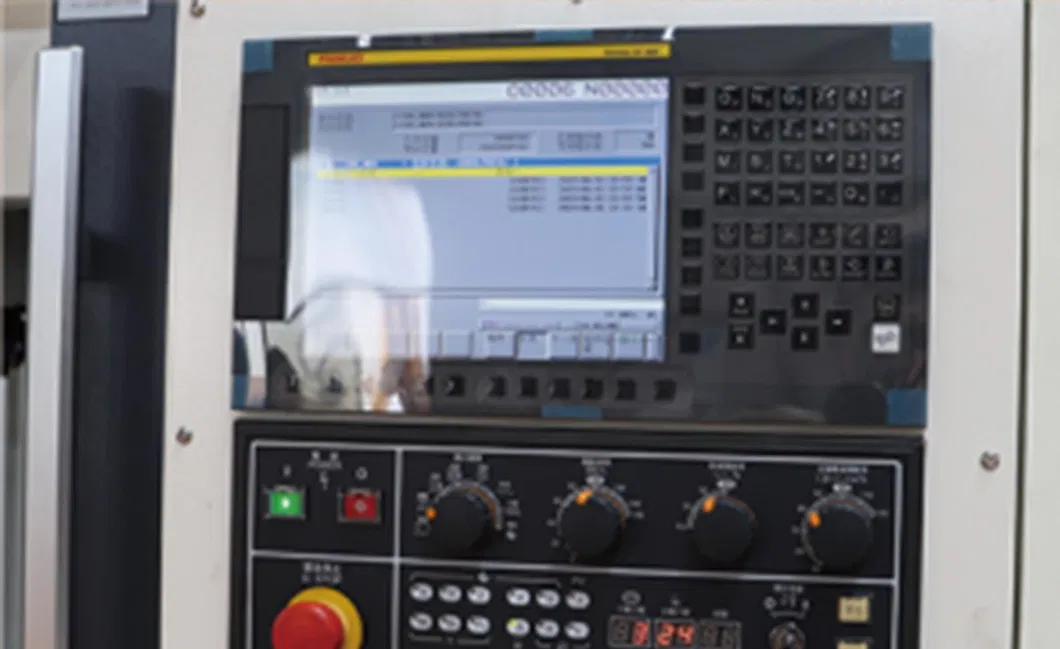
CNC system
CNC systems are mainly used for precise motion control, process adjustment to improve production efficiency, and real-time status monitoring and feedback.
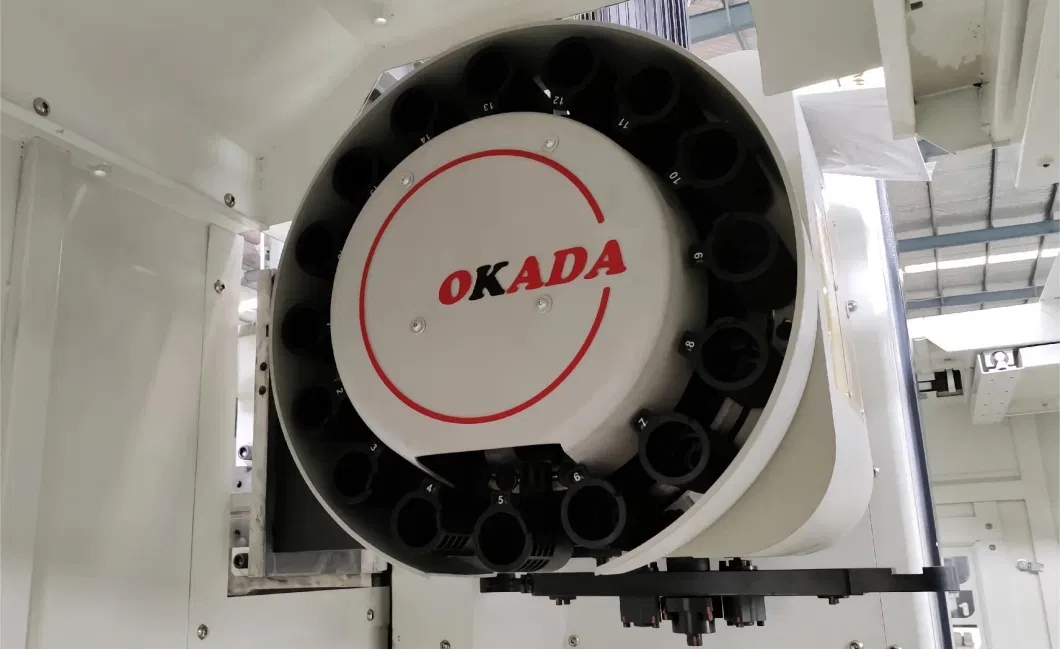
Tool magazine
The tool magazine mainly provides a location for storing tools and can correctly select and position the tools according to program control for tool exchange; the tool changing mechanism executes the tool exchange action.
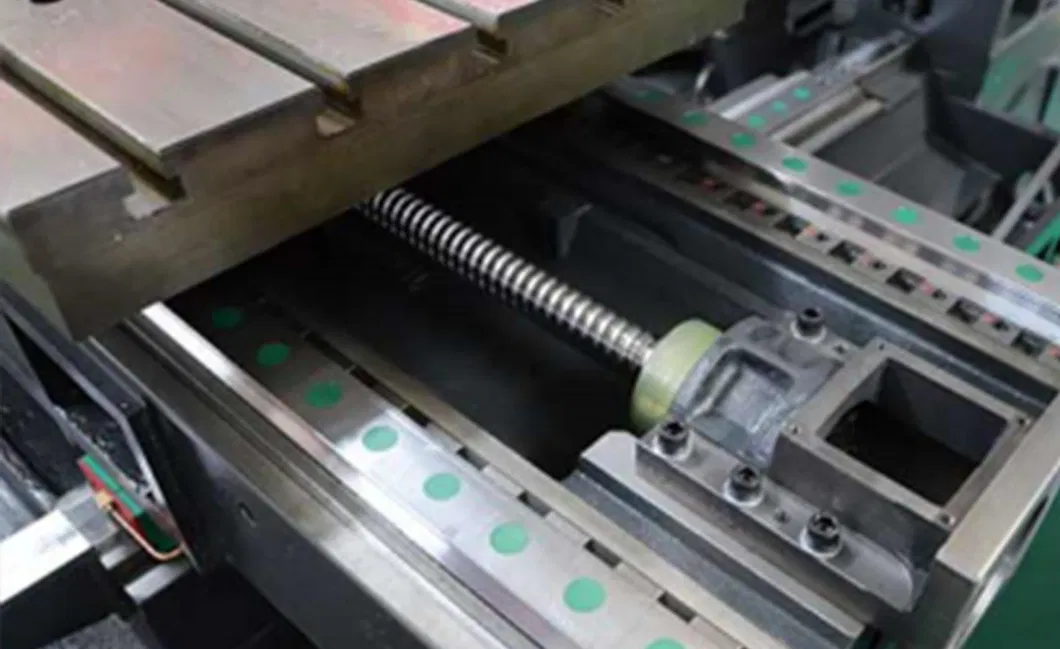
Linear guides
The friction resistance of the linear guides in the machining center is rolling friction, which is very low, so positioning accuracy and repeatability can be guaranteed even during rapid movement. Taiwan brand roller linear guides are used, and the rollers and guides are in line-surface rolling contact, which has higher rigidity and load-bearing capacity than ball guides.
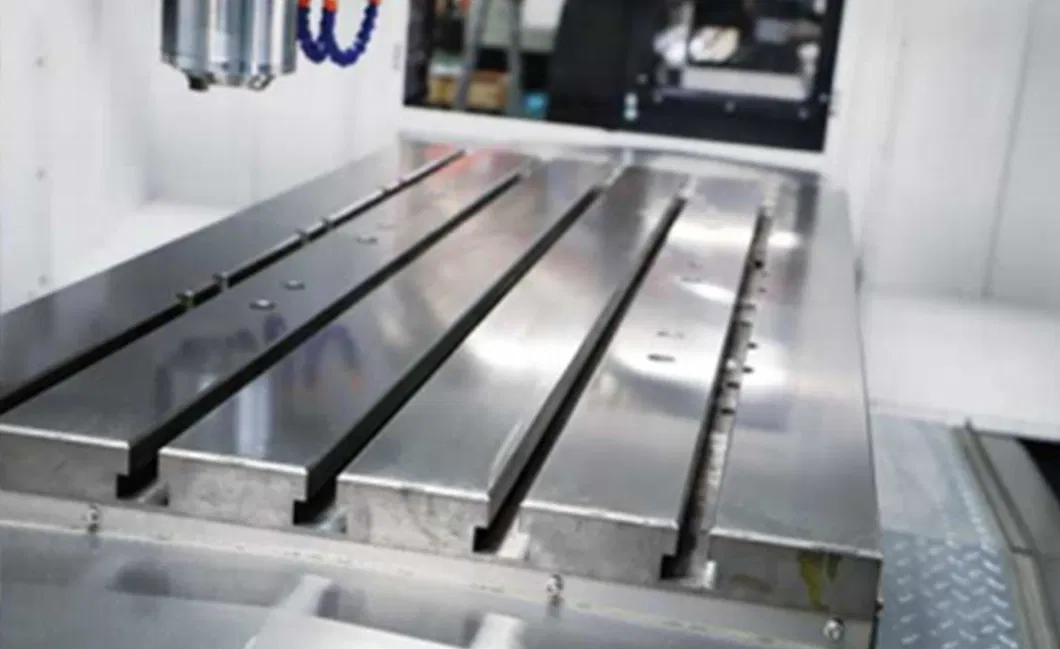
Workbench
The work table of the machining center is usually made of high-strength materials, such as high-quality cast iron or welded parts. It is treated with aging and secondary tempering to eliminate internal stress and ensure stable processing of the workpiece. This design enables the worktable to withstand greater cutting forces and workpiece weight, guaranteeing stability during processing.
Materials that CNC lathes can
Metals:
Aluminum: Lightweight and easy to machine, aluminum is commonly used in aerospace, automotive, and consumer goods.
Steel: Various grades, including stainless, carbon, and tool steel, are used for their strength and durability.
Brass: Known for its excellent machinability and corrosion resistance, brass is often used in plumbing fittings and electrical components.
Copper: Highly conductive and easy to work with, copper is used in electrical applications and plumbing.
Titanium: Lightweight yet strong, titanium is used in aerospace and medical applications, though it requires specialized tooling due to its hardness.
Plastics:
Acrylic: Clear and lightweight, acrylic is often used in signage and display products.
Nylon: Durable and resistant to wear, nylon is used for gears and bearings.
Polycarbonate: Impact-resistant and versatile, polycarbonate is used in applications like eyewear and protective equipment.
PTFE (Teflon): Known for its non-stick properties and chemical resistance, PTFE is used in specialized applications like seals and gaskets.
Composites:
Carbon Fiber Reinforced Polymers (CFRP): Used in aerospace and automotive applications for their high strength-to-weight ratio.
Glass Fiber Reinforced Plastics (GFRP): Common in marine and automotive industries for lightweight and durable parts.
Wood:
CNC lathes can also process wood, making them suitable for furniture production and decorative items.
Ceramics:
Some advanced CNC lathes can process ceramic materials, which are used in specialized applications like aerospace and medical devices.
How operators program CNC lathe
CAD Design: The process begins with creating a detailed design of the part using Computer-Aided Design (CAD) software. The design includes specifications for dimensions, tolerances, and features.
CAM Software: After the CAD model is complete, it is imported into Computer-Aided Manufacturing (CAM) software. This software generates the necessary tool paths and machining instructions based on the part geometry.
G-Code Generation: The CAM software converts the tool paths into G-code, a programming language that CNC machines understand. G-code commands instruct the machine on how to move the cutting tool, the speed of operations, and the sequence of machining steps.
Editing and Optimization: Operators may review and edit the generated G-code to optimize the machining process. This can include adjusting feed rates, cutting speeds, and tool selections based on material properties and desired finish quality.
Simulation: Before running the program on the actual machine, operators often use simulation tools to visualize the machining process. This helps identify potential issues, such as collisions or programming errors, and allows for adjustments to be made before actual production.
Loading the Program: Once the G-code is finalized, it is loaded into the CNC lathe’s control system. This can be done via USB, network connection, or direct input on the machine’s control panel.
Setup and Calibration: Operators set up the CNC lathe by installing the appropriate tools and fixtures, loading the workpiece, and calibrating the machine to ensure accurate machining.
Running the Program: With everything in place, the operator starts the machining cycle. The CNC system interprets the G-code and controls the movements of the lathe automatically.
Monitoring: During the machining process, operators monitor the operation to ensure everything runs smoothly. They check for any anomalies and can make real-time adjustments if needed.
Post-Processing: After the machining is complete, operators may perform finishing processes, quality checks, and tool changes for subsequent operations.


CNC Lathe Machine for Sale
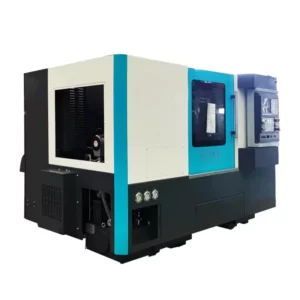
When searching for a CNC lathe machine for sale, it’s essential to consider various factors to ensure you choose the right model for your manufacturing needs. CNC lathes are pivotal in modern machining, offering precision, efficiency, and the ability to produce complex parts. They come in various types, including horizontal, vertical, and Swiss-style lathes, each designed for specific applications.
When purchasing a CNC lathe, evaluate the machine’s specifications, such as spindle speed, axis travel, and tool capacity. Additionally, consider the control system; user-friendly interfaces can significantly reduce training time and improve productivity. Look for machines that support advanced features like live tooling, which allows for milling and drilling operations without changing setups, enhancing versatility.
It’s also important to assess the support and warranty offered by the manufacturer or supplier. Reliable after-sales service and technical support can save time and money in the long run. Moreover, consider whether you need new or used equipment. While new CNC lathes come with the latest technology, used machines can offer significant savings, provided they are in good condition.
Maintenance and care of CNC Lathe
Regular Cleaning: Keep the machine clean from chips, dust, and coolant residues. Use a vacuum or compressed air to remove debris from the work area and machine components. This prevents contamination and damage to the moving parts.
Lubrication: Regularly check and replenish lubricants in the machine’s bearings, guideways, and other moving parts. Proper lubrication reduces friction, prevents wear, and ensures smooth operation.
Coolant Maintenance: Monitor coolant levels and quality. Regularly change or filter the coolant to prevent bacterial growth and maintain effective cooling and lubrication during machining.
Calibration: Periodically calibrate the CNC lathe to ensure accuracy in machining. This includes checking alignment, tool offsets, and measuring the actual dimensions of produced parts against specifications.
Tool Inspection: Regularly inspect cutting tools for wear and damage. Replace or sharpen tools as needed to maintain machining quality and efficiency.
Electrical Checks: Ensure all electrical components, including the control panel and wiring, are in good condition. Look for signs of wear, fraying, or corrosion, and address any issues promptly.
Software Updates: Keep the CNC control software updated to benefit from the latest features and improvements. Regular updates can enhance machine performance and fix known bugs.
Training and Procedures: Ensure operators are well-trained in proper machine operation and maintenance procedures. Establish a maintenance schedule to regularly perform checks and service tasks.
Documentation: Keep detailed records of maintenance activities, repairs, and part replacements. This documentation helps identify trends and informs future maintenance strategies.
Professional Inspections: Schedule periodic professional inspections by certified technicians to identify potential issues that may not be apparent during routine checks.


Factory:

Edited by Czh