
Long Pitch Conveyor Chain
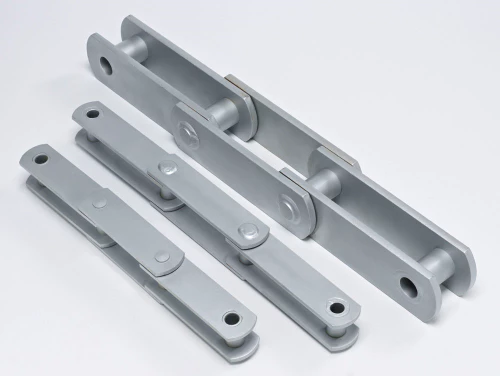
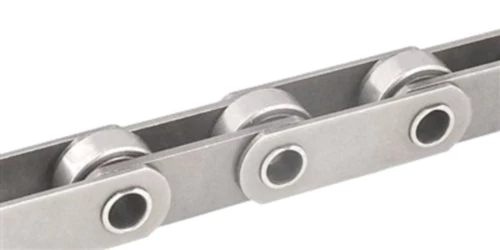
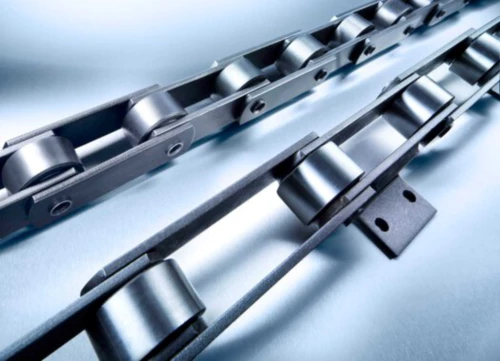
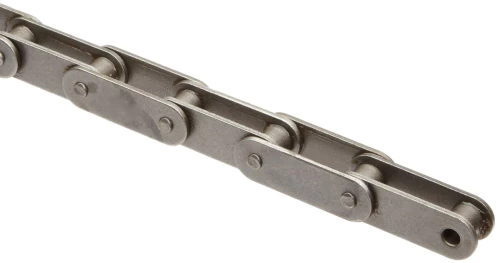
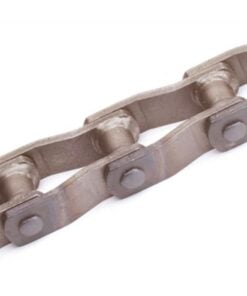
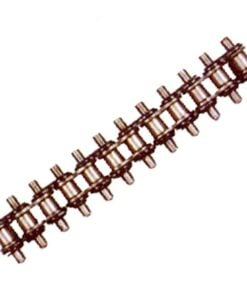
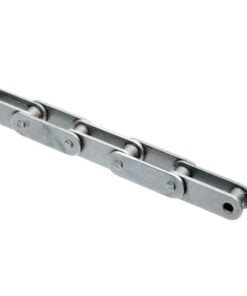
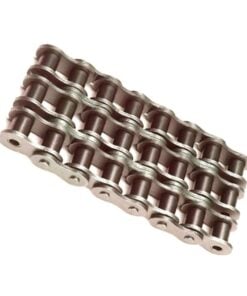
A long-pitch conveyor chain is a type of conveyor chain that features a larger pitch, or distance between each chain link, compared to standard chains.
A long-pitch conveyor chain is a type of conveyor chain that features a larger pitch, or distance between each chain link, compared to standard chains.
Advantages
1. Enhanced durability: Long pitch conveyor chains are often built with robust materials and construction, making them highly durable and capable of withstanding heavy loads and harsh operating conditions.
2. Reduced maintenance requirements: The larger pitch of long pitch conveyor chains means fewer chain links, resulting in reduced friction and wear. This minimizes the need for frequent lubrication and maintenance, leading to cost savings and increased operational efficiency.
3. Smooth operation: The longer pitch in these chains allows for smoother and quieter operation, reducing noise levels in the working environment and enhancing overall workplace safety and comfort.
4. Efficient material handling: Long pitch conveyor chains are well-suited for applications that involve the transportation of bulk materials or larger products. Their design allows for efficient movement of heavy loads, ensuring smooth material flow and preventing jams or disruptions in the production process.
5. Versatility: These chains can be customized and adapted to suit specific application requirements, including different conveyor configurations, speeds, and load capacities. This versatility makes them suitable for a wide range of industries, such as manufacturing, food processing, mining, and more.
6. Cost-effective solution: Long pitch conveyor chains offer a cost-effective solution for material handling needs. Their durable construction and reduced maintenance requirements contribute to longer chain life and lower overall operating costs.
The working principle of a long pitch conveyor chain
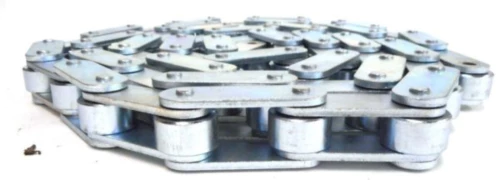
1. Chain and Sprocket Interaction: A long pitch conveyor chain consists of a series of interconnected links, typically made of metal, that form a continuous loop. The chain is driven by sprockets, which are toothed wheels mounted on shafts.
2. Power Transmission: The sprockets are connected to a power source, such as an electric motor or engine, that provides rotational force. As the sprockets rotate, the chain moves along the conveyor path.
3. Material Loading: The material to be transported is loaded onto the conveyor chain. This can be done manually or through an automated loading mechanism, depending on the specific application.
4. Chain Movement: As the sprockets rotate, the teeth of the sprockets engage with the chain links, causing them to move. The long pitch design ensures that there is a larger gap between each chain link, allowing for efficient material handling.
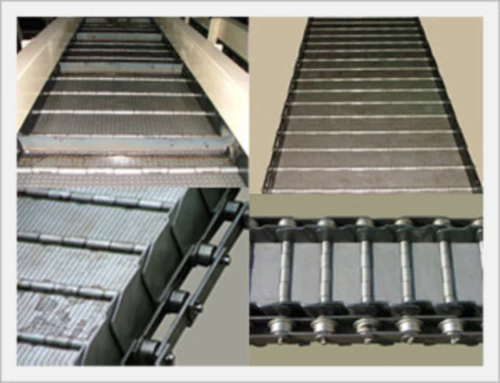
5. Material Transportation: As the chain moves, it carries the loaded materials along the conveyor path. The materials can be conveyed horizontally, vertically, or at an incline, depending on the conveyor system's configuration and purpose.
6. Discharge: At the desired location, the materials are discharged from the conveyor chain. This can be achieved through various methods, such as gravity, mechanical pushers, or pneumatic systems, depending on the specific application requirements.
7. Chain Return: Once the materials have been unloaded, the chain continues its looped motion, returning to the starting point for the next loading cycle.
How To select the appropriate long pitch conveyor chain?
1. Load Capacity: Determine the maximum weight or load that the conveyor chain needs to handle. Ensure that the selected chain has a suitable load capacity to safely transport your materials.
2. Speed and Operating Conditions: Consider the required conveyor speed and the environment in which the chain will operate. Factors such as temperature, moisture, dust, and chemicals can affect chain performance. Choose a chain that can withstand the operating conditions without compromising its durability and functionality.
3. Chain Material: Select a chain material that is compatible with the type of materials being transported and the environment. Common materials include stainless steel, carbon steel, and plastic. Each material has its own strengths in terms of corrosion resistance, strength, and wear resistance.
4. Pitch Size: Determine the appropriate pitch size based on the spacing requirements and the size of the material being transported. Too small a pitch may result in material jams, while too large a pitch may lead to instability or reduced efficiency.
5. Chain Type: Consider the specific design requirements of your conveyor system. There are various types of long pitch conveyor chains available, such as roller chains, flat top chains, and engineering steel chains. Choose the type that best suits your application needs.
6. Maintenance and Lubrication: Evaluate the maintenance requirements of the chain. Some chains may require regular lubrication or periodic maintenance to ensure optimal performance and longevity. Consider the maintenance schedule that aligns with your operational capabilities.
7. Supplier Reputation: Select a reputable supplier or manufacturer known for producing high-quality conveyor chains. Consider factors such as product reliability, customer support, and availability of spare parts.
8. Cost: Evaluate the overall cost-effectiveness of the chain, considering factors such as initial purchase cost, maintenance requirements, and expected lifespan. Choose a chain that offers the best balance between performance and affordability.
Installation:
1. Prepare the Conveyor System: Ensure that the conveyor system is properly aligned and free from any obstructions or debris that may hinder the installation process.
2. Chain Length: Determine the appropriate length of the chain for your conveyor system. It is essential to have the correct length to prevent excessive tension or slack in the chain.
3. Chain Attachment: Attach the chain to the sprockets, ensuring that the chain engages properly with the teeth of the sprockets. Follow the manufacturer's instructions for the specific attachment method.
4. Tension Adjustment: Adjust the tension of the chain to ensure proper engagement with the sprockets. Avoid over-tensioning or under-tensioning, as both can lead to premature wear and reduced chain life.
5. Lubrication: Apply lubrication to the chain according to the manufacturer's recommendations. Proper lubrication reduces friction, wear, and noise, enhancing the chain's performance and extending its lifespan.
Maintenance:
1. Regular Inspections: Conduct routine inspections of the chain, sprockets, and other components to identify any signs of wear, damage, or misalignment. Address any issues promptly to prevent further damage.
2. Cleaning: Keep the chain and conveyor system clean from dirt, debris, and contaminants that can cause premature wear or system malfunction. Regularly remove any build-up and ensure proper lubrication.
3. Lubrication: Follow the manufacturer's guidelines for lubrication intervals and methods. Apply the appropriate lubricant to the chain to reduce friction and wear. Avoid over-lubrication, as it can attract more contaminants.
4. Tension Adjustment: Periodically check and adjust the chain tension as needed. Proper tension ensures optimal performance and prevents excessive wear or slack in the chain.
5. Component Replacement: Replace any worn-out or damaged components, such as chain links, sprockets, or bearings, with compatible replacements. Use high-quality components from reputable suppliers.
6. Training and Safety: Train personnel on proper maintenance procedures and safety protocols related to the conveyor system. Promote a safe working environment and encourage regular maintenance practices.
Matching sprocket
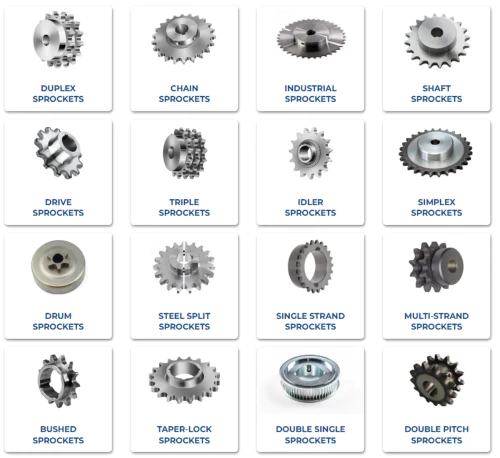
The relationship between a Long Pitch Conveyor Chain and its corresponding sprockets is crucial for the efficient and reliable operation of the conveyor system. The sprockets are specially designed to match the pitch and width of the chain, ensuring proper engagement and smooth movement.
The teeth of the sprockets interlock with the links of the chain, transmitting power and guiding the chain along the conveyor path. The pitch of the chain must align precisely with the pitch of the sprocket teeth to prevent slippage or jamming. Additionally, the number of teeth on the sprockets determines the speed ratio and the amount of force transferred to the chain.
The width of the sprocket teeth and the corresponding chain should match to maintain proper contact and reduce wear. Misalignment or mismatch between the chain and sprocket width can lead to excessive friction, premature wear, and potential damage to the chain or sprockets.
Furthermore, the sprockets must be properly aligned and securely mounted to ensure smooth operation and prevent chain derailment. Any misalignment or loose mounting can cause the chain to jump or skip teeth, disrupting the entire conveyor system.
Additional information
| edited | by hyw |
|---|
Product Quick Detail:
- Standard and non-standard available
- With high quality and competitive price
- Prompt delivery
- Packing as per customer’s demand.
We promise will offer the best price by the high quality in china! We also accept special order about the products. If you are interested in our products. Please do not hesitate to let us know.We are pleased to give you the detailed information.We promise that our products would be safety and were in high quality and reasonable price. If you are interested in our products, please contact us asap.We are sincerely looking for your cooperation.
Most of our products are exported to Europe or Americas, both standard and nonstandard products available. We can produce as per your drawing or sample. Material can be standard or as per your special request. If you choose us, you choose reliable.

Materials Available
1. Stainless Steel: SS201, SS303, SS304, SS316, SS416, SS420
2. Steel:C45(K1045), C46(K1046),C20
3. Brass:C36000 ( C26800), C37700 ( HPb59), C38500( HPb58), C27200(CuZn37), C28000(CuZn40)
4. Bronze: C51000, C52100, C54400, etc
5. Iron: 1213, 12L14,1215
6. Aluminum: Al6061, Al6063
7.OEM according to your request
Surface Treatment
Annealing, natural canonization, heat treatment, polishing, nickel plating, chrome plating, zinc plating,yellow passivization, gold passivization, satin, Black surface painted etc.
Processing Method
CNC machining, punch,turning, milling, drilling, grinding, broaching, welding and assembly
QC & Certificate
Technicians self-check in production,final-check before package by professional Quality inspector
ISO9001:2008 , ISO14001:2001,ISO/TS 16949:2009
Package & Lead Time
Size: Drawings
Wooden Case/Container and pallet, or as per customized specifications.
15-25days samples. 30-45days offcial order
Port: Shanghai/Ningbo port
 English
  Bulgarian
  Russian
  Czech
Czech  Bosnian
  Thai
Thai  Arabic
  Chinese
  Swahili
  Amharic
  Japanese
  Korean
  Hungarian
  Spanish
  Azerbaijani
  Greek
Greek  Vietnamese
  Danish
  Malay
Malay  Hebrew
  Croatian
  Bengali
  Kyrgyz
  Italian
  Polish
  French
  Kazakh
  Portuguese