
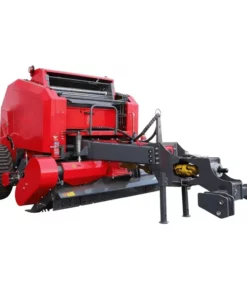
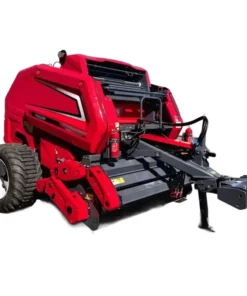
9YG-2.24D Round Baler (S9000 Beyond) for Tractor

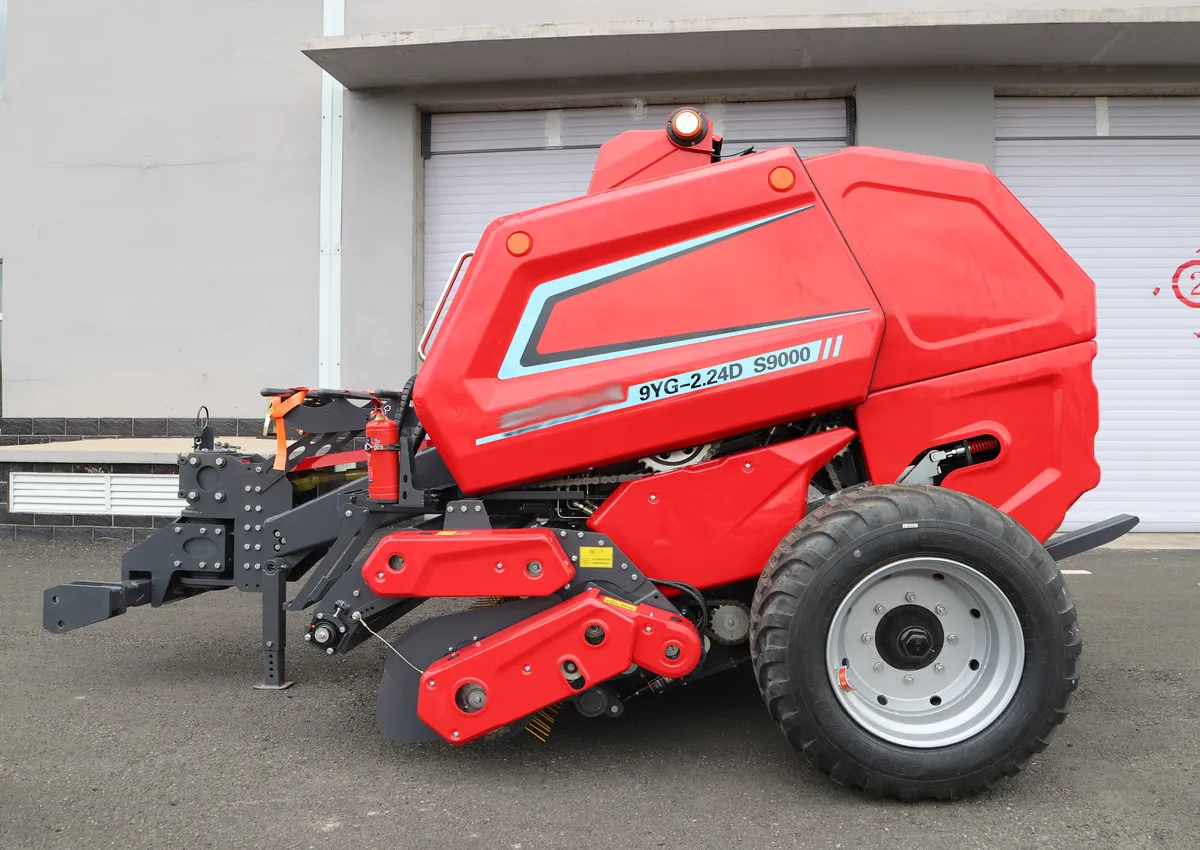
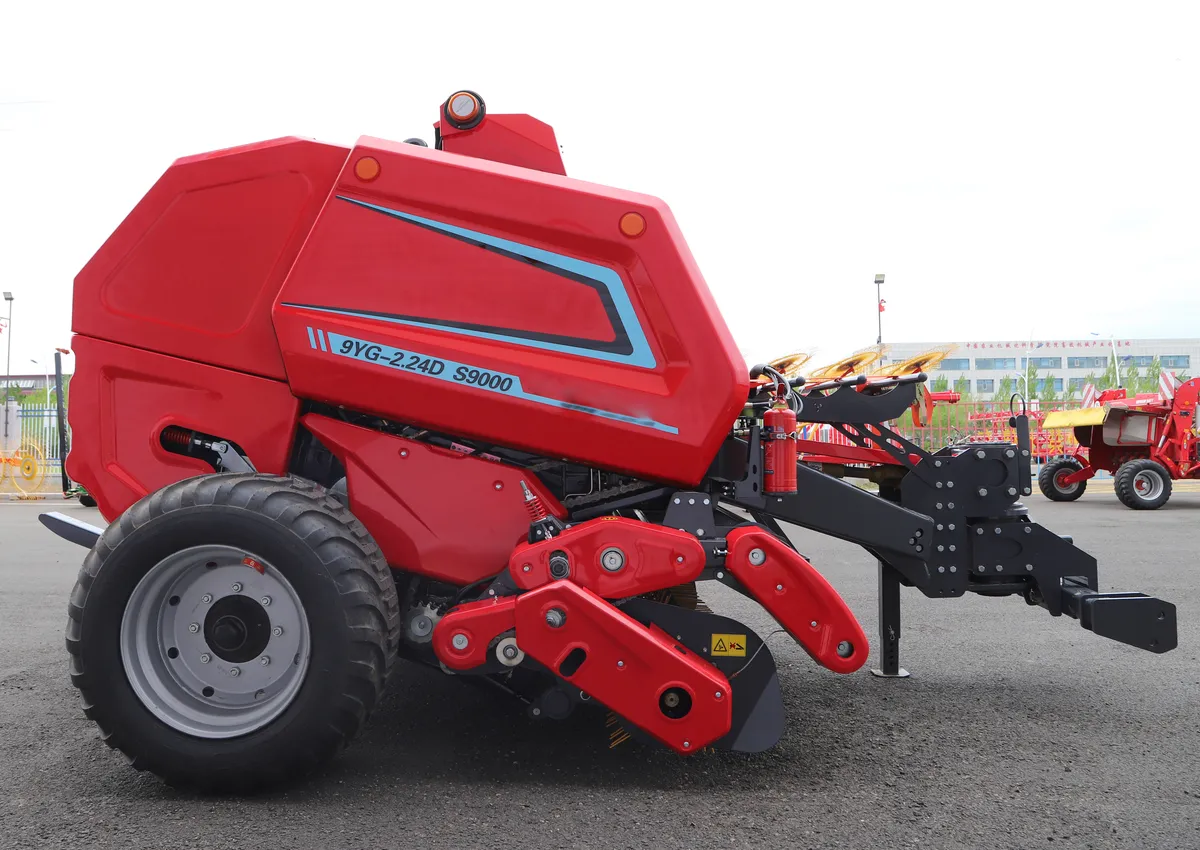
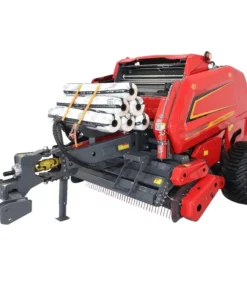
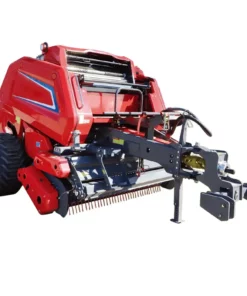
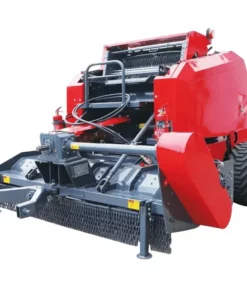
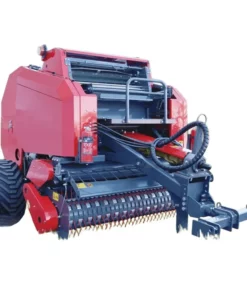
Discover the 9YG-2.24D round baler (S9000 Beyond), a high-efficiency tractor round baler designed for robust hay and straw baling. With a 2.24m pickup width and capability to produce bales up to 1.3m in diameter, this round hay baler machine ensures dense, uniform bales weighing 500-1000 lbs, boosting productivity up to 100 bales per hour. Ideal for farmers seeking durable, low-maintenance equipment with quick hitching and reduced turning radius for seamless field operations.
9YG-2.24D Round Baler (S9000 Beyond) Overview
The 9YG-2.24D round baler (S9000 Beyond) represents a pinnacle in modern agricultural machinery, specifically engineered to address the demands of efficient forage harvesting. This tractor round baler integrates advanced traction technology with a flexible transverse traction frame, allowing for swift and secure attachment to various tractor models. Its design emphasizes versatility, making it suitable for baling a wide array of crops such as corn stalks, rice straw, wheat, soybeans, and pasture grasses. By converting loose windrows into compact, cylindrical bales, this round baler machine minimizes storage space and facilitates easier transportation, ultimately enhancing farm operational efficiency. Its ability to handle uneven terrain without compromising performance, thanks to the dual gearbox system that permits 90-degree rotations on both sides, reducing the turning radius and eliminating the need to disengage power during maneuvers.
The 9YG-2.24D round hay baler incorporates heavy-duty components like double-sided 20A reinforced chains in the rear chamber, which increase compression pressure for denser bales. This compact round baler stands out in competitive markets where reliability is key, offering a balance of power and precision that outperforms many standard hay round balers. Its sensor-controlled bale density ensures consistent results, ranging from 100-200 kg/m³, tailored to specific crop moisture levels and types. Whether operating in small plots or large fields, this hay round baler adapts seamlessly, providing a cost-effective solution for producers aiming to maximize yield while minimizing labor.
Product Specifications
For any specialized configurations or additional features tailored to your needs, please reach out to our team for personalized assistance.
| No. | Item | Unit | Specification |
|---|---|---|---|
| 1 | Model Name | / | 9YG-2.24D Round Baler (S9000 Beyond) |
| 2 | Hitching Method | / | Towed |
| 3 | Pickup Width | mm | 2240 |
| 4 | Pickup Structure Type | / | Tine type |
| 5 | Feeding Mechanism Type | / | Fork and Roller Type |
| 6 | Compression Baling Mechanism Type | / | Roller Type |
| 7 | Compression Width | mm | 1400 |
| 8 | Compression Diameter | mm | Φ 1200 |
| 9 | Number of Compression Working Parts | Units | 18 (Roller) |
| 10 | Compression Roller Diameter | mm | Φ 222 |
| 11 | Bale Tying Method | / | Net Wrap |
| 12 | Matching Power | kW | 55–100 |
| 13 | Structural Mass | kg | 4312 |
| 14 | Power Output Shaft Speed | r/min | 720 |
| 15 | Overall Dimensions (L × W × H) (Working State) | mm | 4470 × 3010 × 2370 |
| 16 | Bale Density Control | / | Sensor Control |
| 17 | Bale Dimensions (Diameter × Width) | mm | Φ 1300 × 1400 |
| 18 | Bale Density | Kg/m³ | 100–200 |
| 19 | Productivity | Bales/h | 40–100 |
| 20 | Wheelbase | mm | 2600 |
| 21 | Working Speed | Km/h | 5–35 |
| 22 | Net Wrap Specification (L × W) | / | 2000 × 1.4 m/bale |
9YG-2.24D Hay Round Baler (S9000 Beyond) Advantages
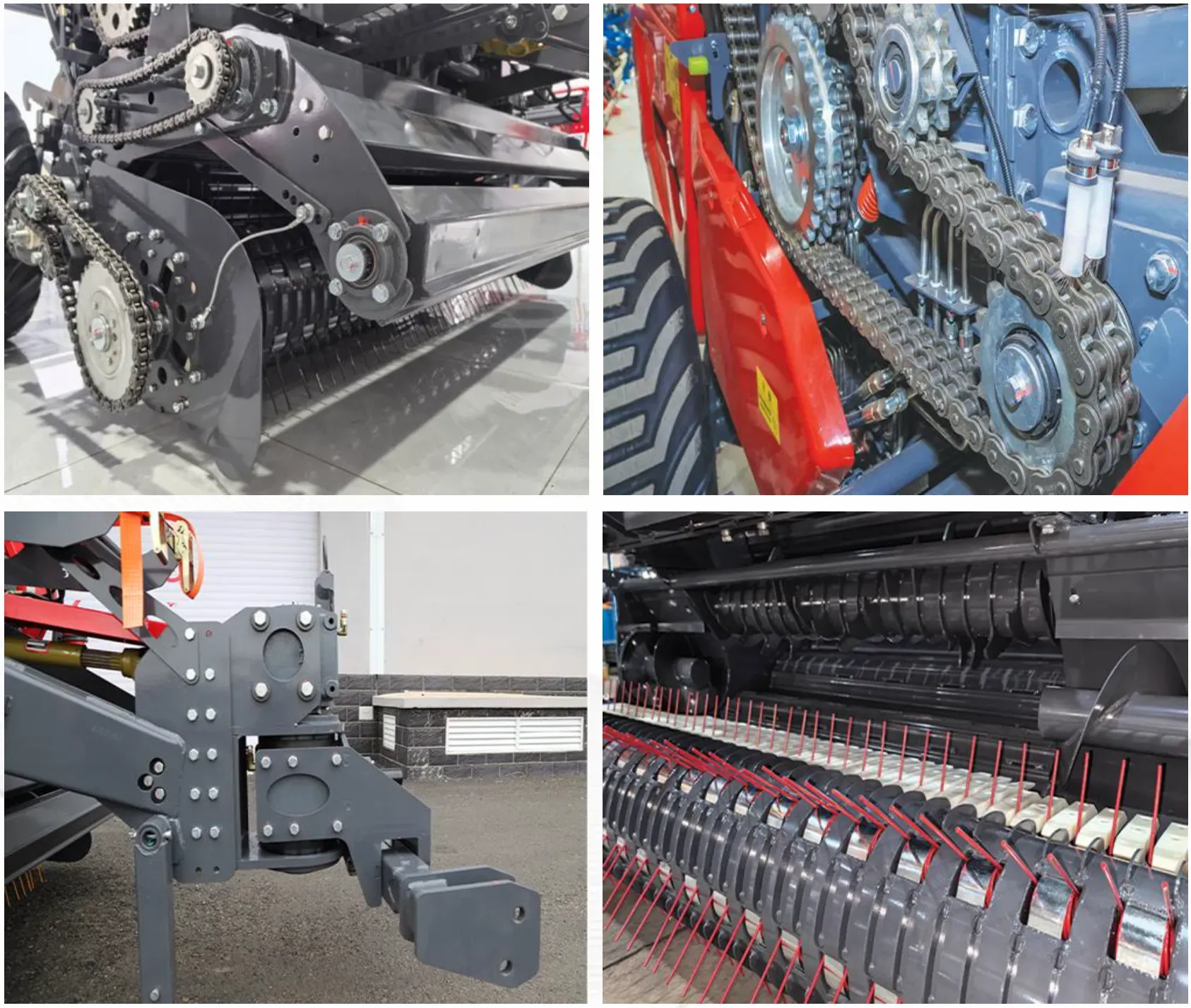
The 9YG-2.24D hay round baler (S9000 Beyond) boasts an array of innovative features that set it apart in the realm of hay round baler machines. One standout is the quick hitching system, facilitated by a flexible transverse traction frame that rotates vertically for effortless connection to tractor arms via pins. This design streamlines setup, saving valuable time during busy harvest periods. Additionally, the dual gearbox allows for 90-degree left and right rotations, significantly reducing the turning radius and enabling continuous power delivery during maneuvers. Such functionality is particularly beneficial for navigating tight field corners without halting operations, a common issue with traditional round baler for tractor models.
Another critical feature is the enhanced compression chamber, equipped with double-sided 20A heavy-duty chains that amplify pressure for denser bales. This results in uniform bundles weighing 500-1000 pounds, ideal for storage and transport. The axial-flow semi-forced feeding mechanism, devoid of cams and guards, minimizes power consumption while increasing intake volume, slashing grass blockages and boosting efficiency by nearly double compared to conventional systems. This proprietary technology, developed in-house, underscores the machine's edge over competitors in the compact round baler category.
Safety and durability are further emphasized through integrated components like the safety torque transmission shaft, which protects parts during sharp turns in small plots. The hydraulic system employs H-type ferrule joints for higher pressure tolerance, accelerating chamber opening and closing while a buffer cylinder mitigates vibration-induced damage. These elements collectively ensure the silage round baler operates reliably across varied terrains, from flat pastures to undulating hillsides.
Operators will also value the sensor-based bale density control, which automates adjustments for consistent quality without constant monitoring. Paired with a 2.24m pickup width and spring tine structure, it efficiently gathers windrows of various crops. This round hay baler machine's robust build, including a 2600mm wheel track for stability, makes it a versatile choice for demanding agricultural environments.
How Does a Round Baler Work
- Power Transmission from Tractor PTO
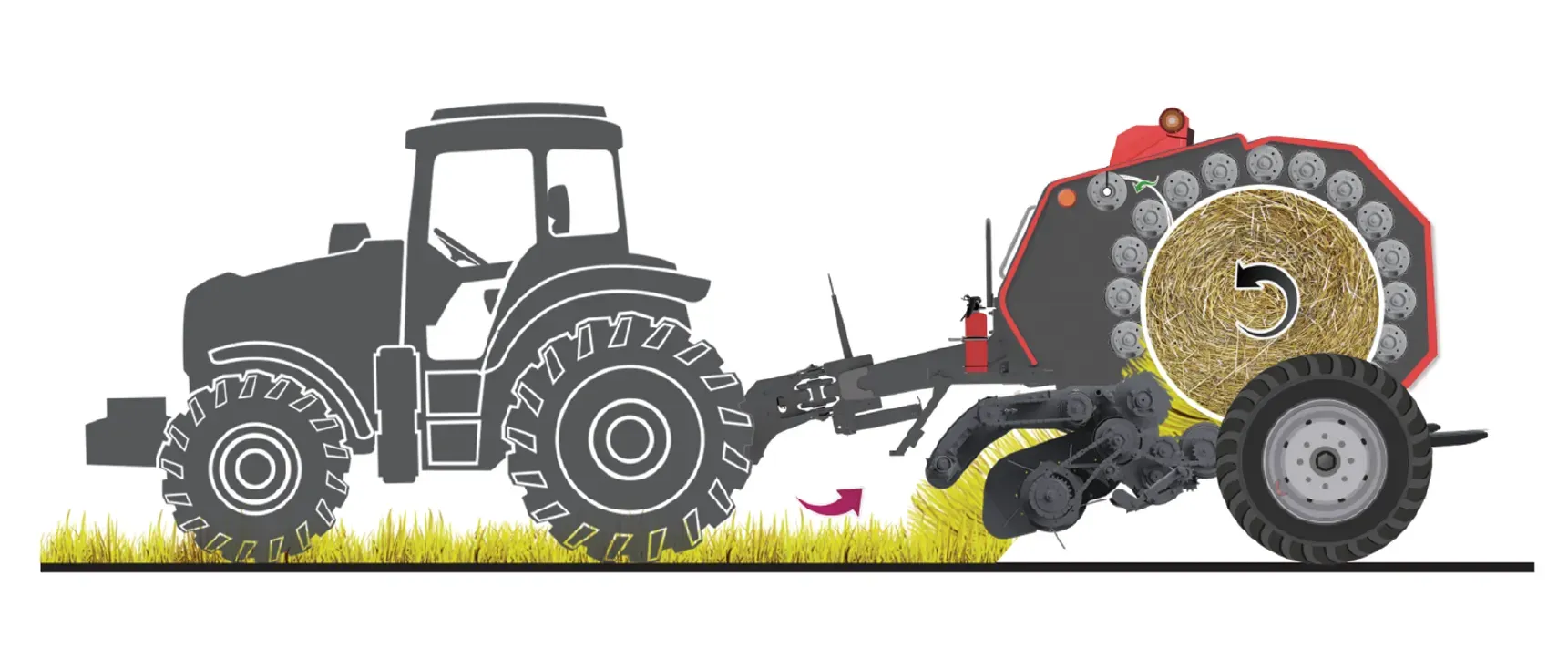
The process begins when the tractor's power take-off shaft links directly to the baler's drive input, spinning at a steady 720 revolutions per minute to supply essential mechanical force. This consistent torque powers the entire setup, including internal gears and drive chains, allowing the equipment to maintain smooth performance over diverse field conditions at up to 35 kilometers per hour, adapting seamlessly to shifts in ground level or material weight without any operational pauses. - Crop Gathering with Pickup Assembly
As the baler moves forward, flexible spring tines across a 2.24-meter span scoop up dried materials such as hay or straw from the soil surface. This collection method lifts the forage efficiently, directing it toward the intake while reducing spillage, and handles irregular windrows typical in open grazing areas by adjusting to variations in row height and density for thorough pickup. - Material Feeding into the System
The collected crop proceeds into an axial-flow mechanism featuring fork-style rollers and cylindrical drums that propel it onward with steady force. By eliminating conventional cam elements and safety barriers, this design cuts down on friction and prevents frequent jams, enabling more effective entry during intensive harvesting periods and conserving energy from the tractor's output. - Compression in the Chamber
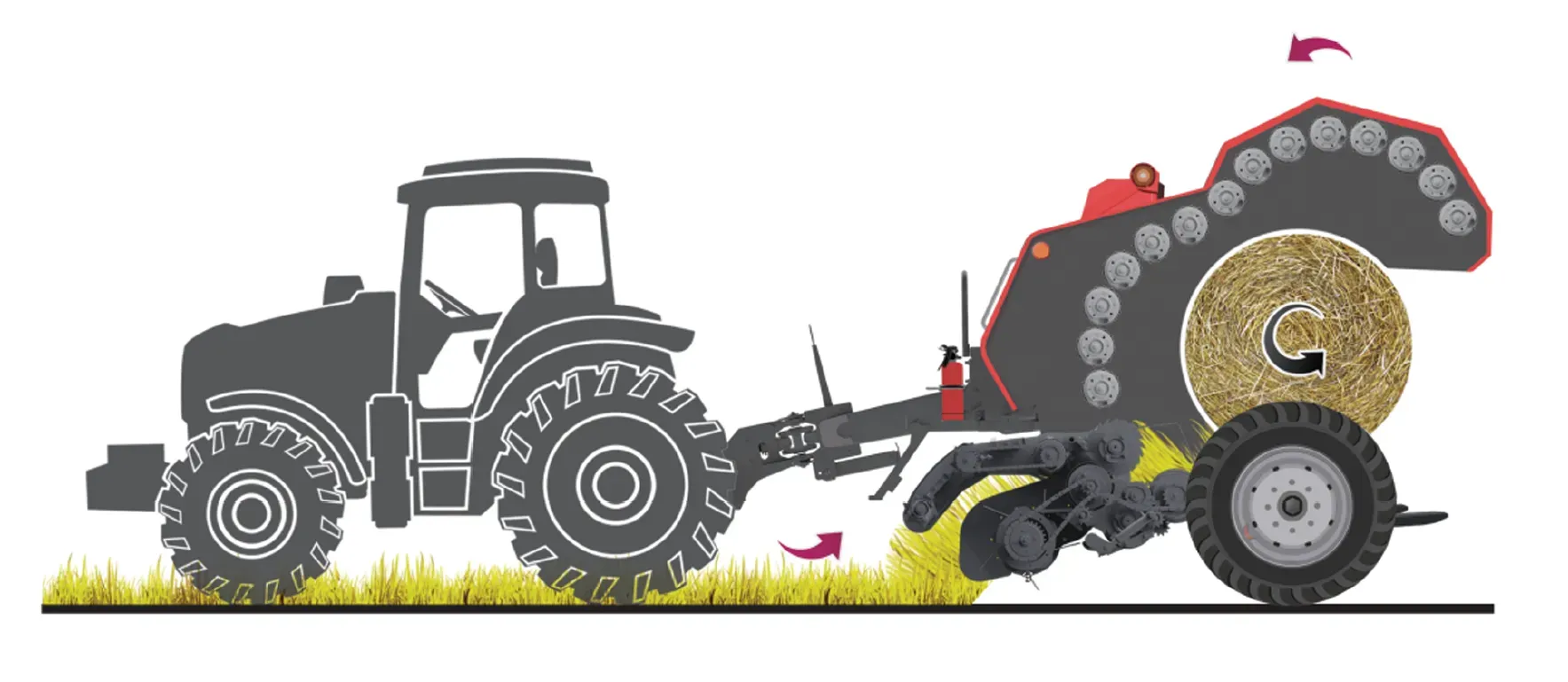
Within the 1.4-meter-wide enclosure, a series of 18 drums, each measuring 222 millimeters across, rotate to shape the incoming forage into a compact cylindrical form. Reinforced chains on both sides exert balanced compression, progressively increasing bale solidity to levels between 100 and 200 kilograms per cubic meter, resulting in robust packages suitable for easy stacking and long-distance hauling. - Monitoring and Adjustment with Sensors
Embedded sensors track the developing bale's dimensions and firmness in real time, implementing automatic tweaks to guarantee even results throughout. This precise oversight keeps each output at the ideal 1.3 by 1.4 meters, safeguarding the forage's structure and preserving key nutrients by avoiding excessive squeezing that might compromise the material's integrity or feed quality. - Wrapping and Ejection of the Bale
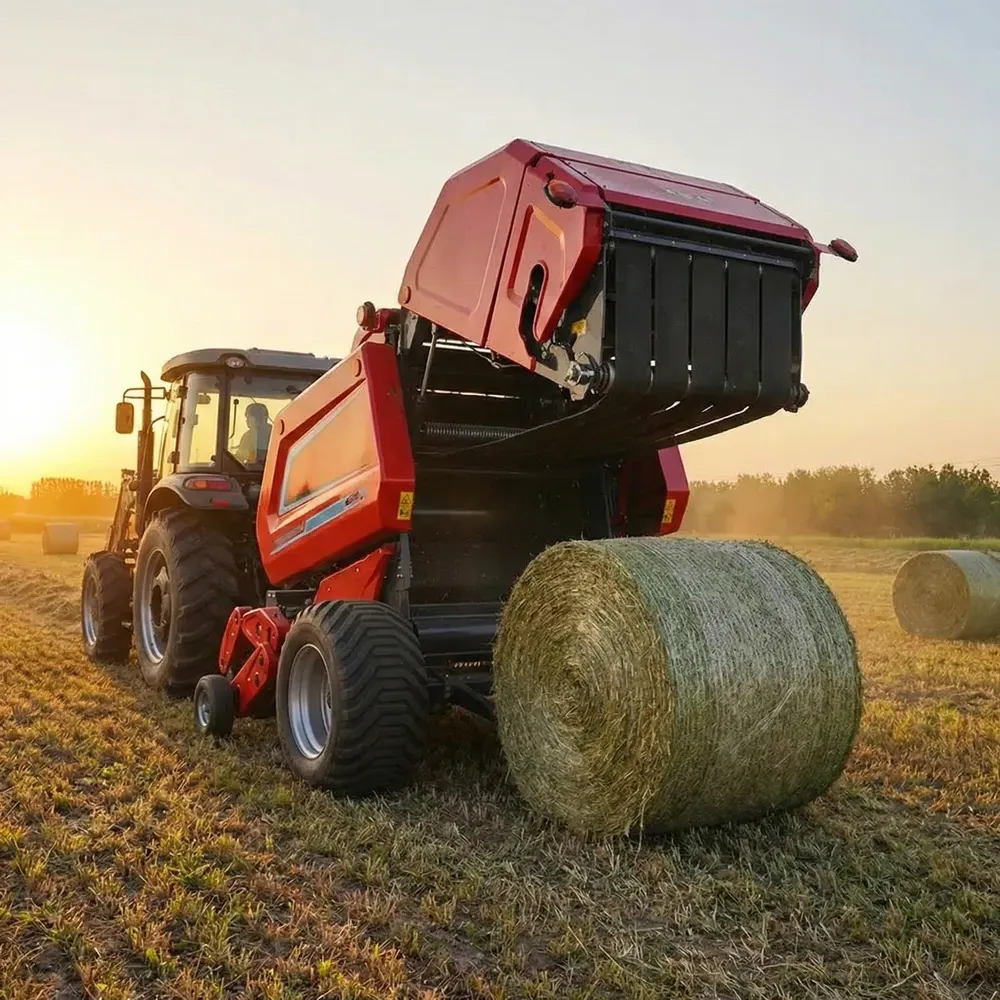
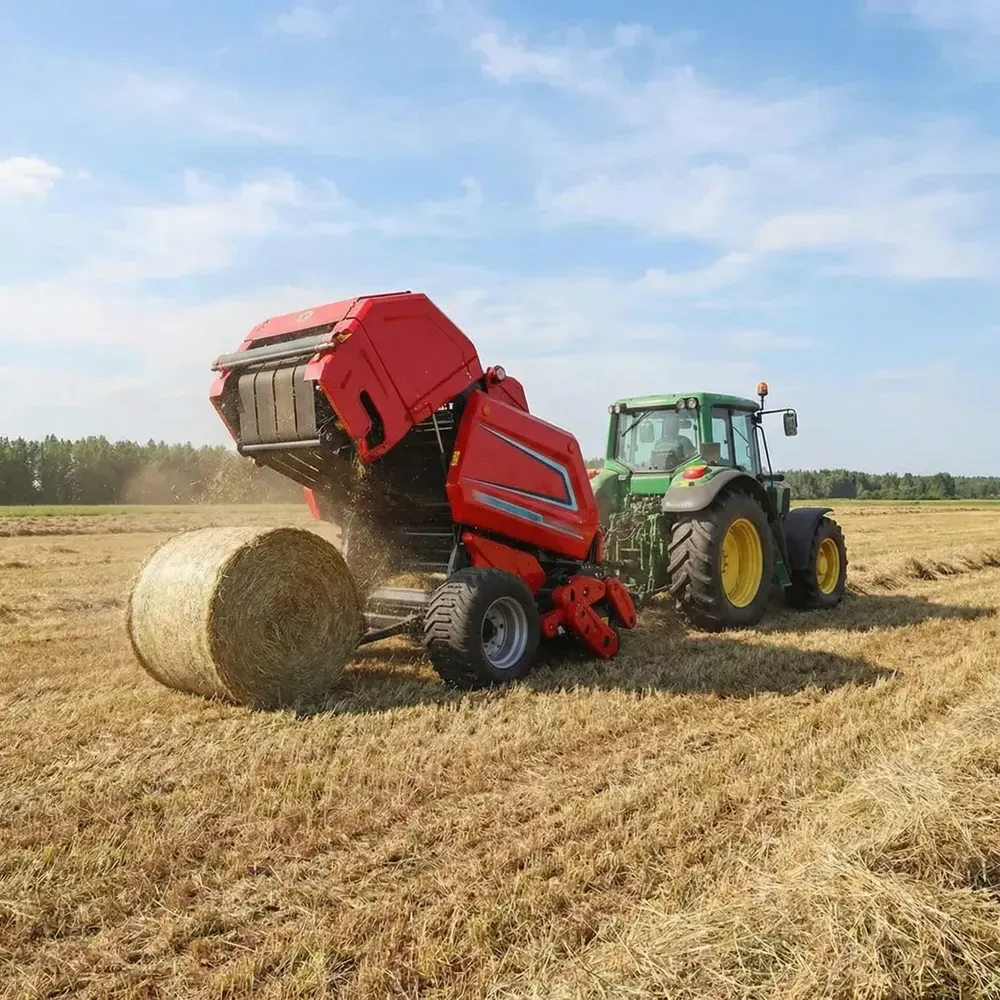
Upon completion, a netting system applies a 2-meter-long mesh wrap to secure the bale against loosening during movement or storage. Hydraulic actuators then swing open the rear section, depositing the finished product gently onto the ground, which swiftly prepares the chamber for the subsequent load and supports uninterrupted workflow in active field sessions.
Applications of the Round Hay Baler
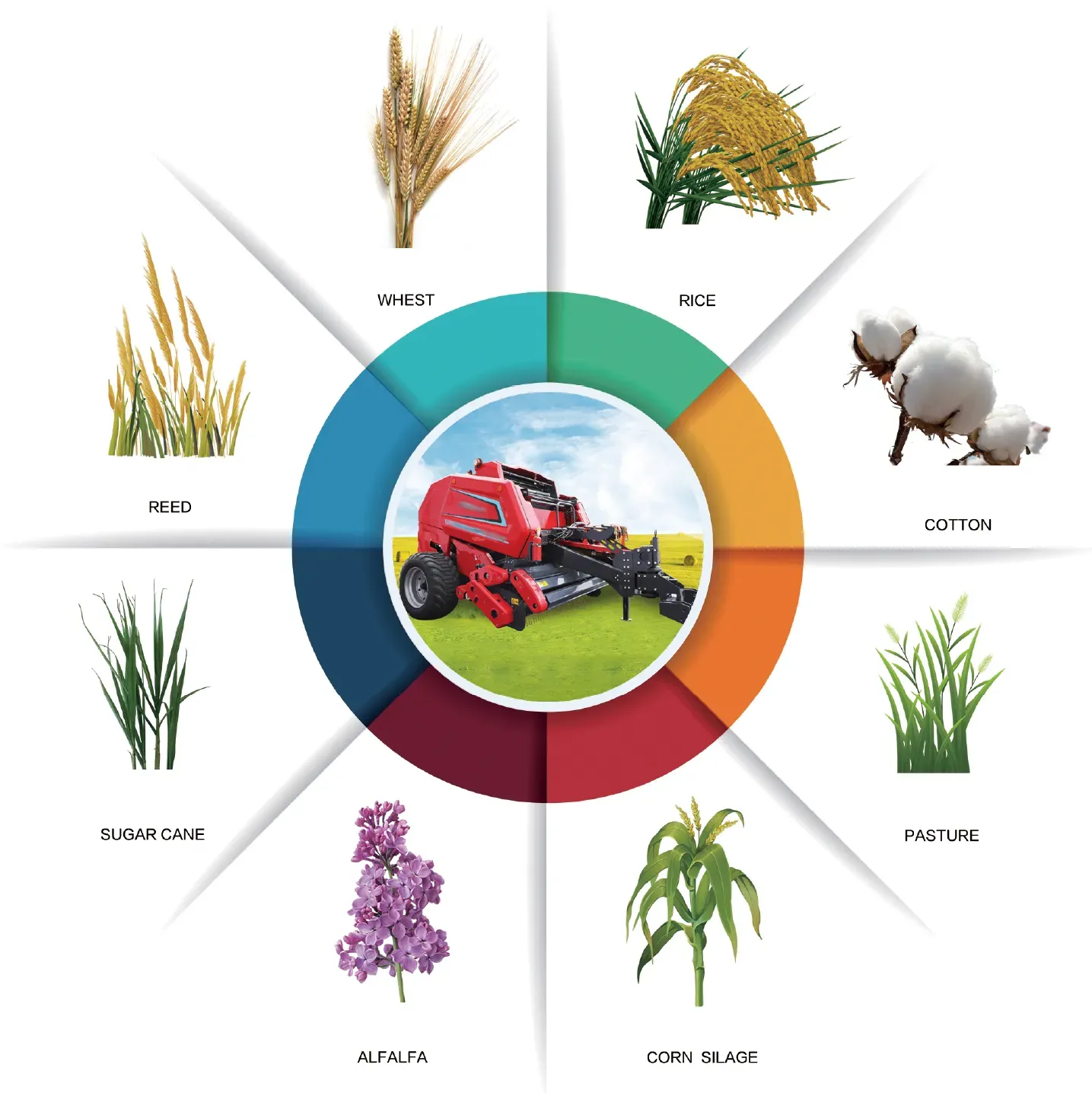
- Wheat Straw Baling
Farmers utilize round balers to collect wheat residues after grain harvest, forming compact cylinders that simplify storage in barns or open stacks. This method reduces exposure to weather elements, preserving dry matter for livestock bedding or mulch in subsequent planting seasons, while also clearing fields efficiently for tillage operations. - Rice Straw Management
In paddy fields, the baler gathers leftover rice stalks post-threshing, compressing them into dense rolls suitable for transport to processing facilities. This application aids in preventing field burning, promotes soil health by returning organic material as compost, and supports bioenergy production through bundled feedstock. - Corn Silage Preparation
The equipment processes chopped corn plants into tightly wrapped bales, maintaining moisture levels for fermentation in anaerobic conditions. Operators benefit from this by creating high-nutrient feed reserves for dairy cattle during winter months, ensuring consistent supply chains and minimizing spoilage risks in humid climates. - Pasture Grass Harvesting
Ranchers employ the baler to bundle cut grasses from meadows, producing uniform packages that facilitate easy handling with forklifts or trailers. This practice enhances forage quality for haylage, allows for rotational grazing systems, and optimizes land use by enabling multiple cuts per growing period. - Alfalfa Forage Baling
Specialized for legume crops like alfalfa, the machine gently compresses leafy stems to retain protein content in the bales. This supports commercial hay markets by delivering premium products to equine owners or export traders, while reducing leaf shatter during collection on sloped terrains. - Reeds and Wetland Vegetation
In marshy areas, the round hay baler collects tall reeds for ecological restoration projects, forming stable bundles used in erosion control barriers along riverbanks. This application contributes to habitat management, provides materials for thatching in rural constructions, and assists in clearing waterways to improve flow dynamics. - Cotton Stalk Processing
After cotton picking, the round hay baler machine aggregates tough stalks into manageable rolls, aiding in field cleanup for the next crop cycle. This enables conversion into biomass fuel for local energy plants, reduces pest harbors, and integrates with sustainable farming by recycling nutrients back into the soil profile. - Sugarcane Residue Handling
The device bundles sugarcane tops and leaves left after milling, creating dense units for efficient removal from plantations. This facilitates quicker replanting, supplies raw material for paper industries or animal fodder, and mitigates fire hazards in tropical regions with high residue volumes.
Round Baler Vs Square Baler
When selecting equipment for hay or forage processing, operators must evaluate the distinct characteristics of hay round balers and square balers to align with their specific operational needs, such as field size, storage capabilities, and budget constraints. Round balers produce cylindrical bales that typically range from 4 to 6 feet in diameter, while square balers form rectangular units, often in small (14x18 inches) or large (3x4 feet) formats. This fundamental difference in shape influences handling, density, and durability, making each type suitable for particular scenarios in agricultural settings.
Round hay balers generally offer lower initial costs, with machines priced at one-quarter to one-third of square balers, and they require less horsepower—often 50 to 100 HP tractors suffice compared to 150 HP or more for large square models. Their lighter weight, around 7,000 to 8,000 pounds, enhances safety on uneven or hilly terrain and reduces fuel consumption during operation. Bales from these units shed water effectively when net-wrapped, allowing outdoor storage for extended periods without significant spoilage, which is advantageous in regions with unpredictable weather. However, the baling process involves stopping to eject each bale, potentially slowing productivity in high-volume tasks, and the rounded shape can complicate stacking, leading to larger storage footprints.
In contrast, square balers excel in producing denser bales—up to 20% more compact than rounds—which optimizes transport efficiency and stack stability, ideal for commercial shipping or dense barn arrangements. The non-stop operation, where completed bales drop automatically, supports faster field coverage, and the uniform rectangles facilitate ventilation in storage without specialized setups. Yet, these benefits come at a premium: higher equipment costs, greater machine weight (up to 35,000 pounds), and increased sensitivity to moisture, necessitating covered storage to prevent absorption and quality degradation. For small-scale farms, round balers often prove more practical due to simplicity and reduced maintenance, whereas large operations focused on export or bulk sales may prefer squares for their handling advantages.
The choice ultimately depends on factors like labor availability, terrain, and end-use. For instance, round bales suit livestock feeding directly in fields, minimizing handling steps, while square bales support precise portioning in dairy or equine enterprises. Evaluating long-term costs, including twine or net usage—rounds may require more wrapping material—helps determine the most economical option. Many producers maintain both types to address varying crop conditions and market demands, ensuring flexibility across seasons.
| Aspect | Round Baler | Square Baler |
|---|---|---|
| Cost | Lower purchase and operational expenses; suitable for smaller tractors | Higher upfront cost; requires more powerful equipment |
| Bale Density | Lower overall, softer cores; less optimized for transport | Higher density; better for stacking and shipping |
| Weather Resistance | Excellent water shedding; outdoor storage viable | Prone to moisture; indoor storage essential |
| Operation | Requires stopping to eject bales; simpler design | Continuous process; faster in large fields |
| Storage and Handling | Larger footprint; risk of rolling on slopes | Stable stacks; easier loading with machinery |
| Weight | Lighter machine (7,000-8,000 lbs) | Heavier (20,000-35,000 lbs); more strain on tractors |
FAQ
Q: What is the pickup width of the 9YG-2.24D round baler for tractor?
A: The pickup width measures 2.24 meters, giving the round baler for tractor excellent coverage across wide windrows of hay, straw, or crop residues. This generous width allows operators to work faster while maintaining clean pickup even on uneven ground, making the machine highly efficient for both small plots and larger commercial fields.
Q: How does the working principle of this round hay baler machine ensure dense bales?
A: This round hay baler machine relies on 18 heavy rolling drums and double-sided reinforced chains to apply consistent pressure inside the chamber. Sensors continuously monitor and adjust compression, producing uniform bales that hold their shape during transport and storage, outperforming many standard round baler designs in density control.
Q: What tractor power is required for the compact round baler?
A: The compact round baler operates smoothly with tractors delivering 55-100 kW at the PTO. This broad power range makes the tractor round baler compatible with mid-size and larger machines commonly found on mixed farms, ensuring reliable performance without requiring oversized equipment.
Q: Can this silage round baler handle wet crops effectively?
A: Yes, the silage round baler is built to manage high-moisture crops thanks to its net-wrapping system and controlled compression. It preserves natural moisture levels while forming tight, stable bales, making it a practical choice for haylage or corn silage production in regions with variable weather.
Q: What are the round baler sizes for bales produced?
A: Finished bales from this round baler measure 1.3 meters in diameter and 1.4 meters wide, with densities ranging from 100-200 kg/m³. These round baler sizes strike an ideal balance between weight, handling ease, and storage density for most farm operations.
Q: How to maintain the round baler belts and chains?
A: Keep round baler belts and chains in top condition by lubricating them daily after use and cleaning off residue to prevent wear. Seasonal inspections for stretching or damage, combined with timely replacement of worn parts, extend service life and maintain the smooth operation expected from a quality round baler machine.
Q: What is the round baler price range for this model?
A: Round baler price varies by region, configuration, and shipping destination, but the 9YG-2.24D offers strong value compared to similar models. Contact our team for a current quote that includes any available promotions or bundle options for the round hay baler for sale.
Q: Is this the best round baler for small farms?
A: Many small-farm owners consider this the best round baler for their needs because of its reduced turning radius, quick hitching, and ability to work efficiently in tight spaces. The compact round baler delivers professional results without demanding large tractors or extensive operator experience.
Q: How to install the round baler PTO shaft?
A: Installing the round baler PTO shaft is straightforward: align the splines with the tractor’s PTO output, slide the shaft on, and secure the locking collar. Always apply fresh grease to the universal joints and perform a short test run at low speed to confirm safe, vibration-free operation.
Q: What applications suit the round straw baler best?
A: The round straw baler excels at handling wheat, rice, corn, and pasture residues in grain, livestock, and mixed farming systems. Its gentle pickup and reliable net wrapping make it equally effective for dry hay, silage, or straw, giving operators flexibility across different crop types and seasons.
Q: How often should I service the best round hay baler machine?
A: Perform daily visual checks and basic cleaning on the best round hay baler machine during heavy use. Schedule a full professional service once per year or after every 500 operating hours to keep bearings, chains, and hydraulics in excellent condition and avoid unexpected downtime.
Customer Reviews
Marcus Reed, Ranch Owner, Canada
"We've been running this round baler for over a year on our 200-acre spread, and it's really stepped up our hay game. The 2.24m pickup grabs alfalfa windrows like a champ, spitting out dense bales that stack tight without falling apart. Haven't had a single breakdown in the middle of the field—build quality is rock solid, making it my go-to round hay baler machine."
Elena Vargas, Agricultural Contractor, Spain
"Reliability is key in my line of work, and this tractor round baler has slashed my job times by half with its sharp turns and smart sensor setup. My clients rave about the even bales it produces, and the low upkeep means I'm not constantly shelling out for repairs. Definitely worth the round baler price—it's paid for itself already."
Tom Wilkins, Dairy Farmer, United States
"I switched to this compact round baler about six months back for our silage runs, and the 55-100 kW match works perfectly with our tractors. Bales come out steady at around 800 lbs each, keeping our feed consistent through the season. When a small part needed replacing, customer service jumped on it right away—top-notch support all around."
Sophia Chen, Crop Producer, Australia
"Dealing with wheat straw is a breeze now thanks to this round straw baler. Its slim design handles our rolling hills without a hitch, and the net wrapping holds everything secure. We've cut down on waste big time, and the feed quality for our stock buyers has improved noticeably after using it for nine months straight."
Raj Patel, Farm Manager, India
"This round hay baler for sale turned things around for our soybean cleanup. Setup was easy as pie, and in the 10 months since, we've had zero big fixes needed. EVER-POWER's shipping got it here on schedule despite the distance—logistics were smoother than expected for such heavy gear."
Laura Fischer, Livestock Operator, Germany
"The output on this best round baler blows me away—hitting 80 bales an hour when conditions are right. Stuff like the dual gearbox keeps it simple to run, and the team was quick to sort out our questions. If you're after something tough and reliable, this one's a solid pick for any operation."
Ivan Kuznetsov, Grain Farmer, Russia
"Picked up this silage round baler last season for our vast wheat fields, and it's held up through tough winters without missing a beat. The round baler pto shaft hooks up fast to our 80 kW rigs, churning out 1.3m bales that store well outdoors. Service attitude from the supplier was professional, answering tech queries in no time."
Batbayar Enkhbayar, Pasture Manager, Mongolia
"Our grasslands demand a sturdy round baler machine, and this model fits the bill with its wide pickup and stable chains. We've been using it for eight months on mixed grasses, producing compact bales that travel easy to market. The round baler sizes are just right for our trailers, and delivery timing was spot on—great logistics for remote spots like ours."
Carlos Oliveira, Sugarcane Producer, Brazil
"This best round hay baler has streamlined our residue handling after harvests, with the sensor controls ensuring tight wraps every time. After a full year, the round baler belts show minimal wear, saving us on maintenance costs. Product quality stands out, especially in humid conditions where others fail—highly satisfied with the overall performance."
Additional information
| Edited by | Yjx |
|---|
Product Quick Detail:
- Standard and non-standard available
- With high quality and competitive price
- Prompt delivery
- Packing as per customer’s demand.
We promise will offer the best price by the high quality in china! We also accept special order about the products. If you are interested in our products. Please do not hesitate to let us know.We are pleased to give you the detailed information.We promise that our products would be safety and were in high quality and reasonable price. If you are interested in our products, please contact us asap.We are sincerely looking for your cooperation.
Most of our products are exported to Europe or Americas, both standard and nonstandard products available. We can produce as per your drawing or sample. Material can be standard or as per your special request. If you choose us, you choose reliable.

Materials Available
1. Stainless Steel: SS201, SS303, SS304, SS316, SS416, SS420
2. Steel:C45(K1045), C46(K1046),C20
3. Brass:C36000 ( C26800), C37700 ( HPb59), C38500( HPb58), C27200(CuZn37), C28000(CuZn40)
4. Bronze: C51000, C52100, C54400, etc
5. Iron: 1213, 12L14,1215
6. Aluminum: Al6061, Al6063
7.OEM according to your request
Surface Treatment
Annealing, natural canonization, heat treatment, polishing, nickel plating, chrome plating, zinc plating,yellow passivization, gold passivization, satin, Black surface painted etc.
Processing Method
CNC machining, punch,turning, milling, drilling, grinding, broaching, welding and assembly
QC & Certificate
Technicians self-check in production,final-check before package by professional Quality inspector
ISO9001:2008 , ISO14001:2001,ISO/TS 16949:2009
Package & Lead Time
Size: Drawings
Wooden Case/Container and pallet, or as per customized specifications.
15-25days samples. 30-45days offcial order
Port: Shanghai/Ningbo port
 English
  Bulgarian
  Russian
  Czech
Czech  Bosnian
  Thai
Thai  Arabic
  Chinese
  Swahili
  Amharic
  Japanese
  Korean
  Hungarian
  Spanish
  Azerbaijani
  Greek
Greek  Vietnamese
  Danish
  Malay
Malay  Hebrew
  Croatian
  Bengali
  Kyrgyz
  Italian
  Polish
  French
  Kazakh
  Portuguese