
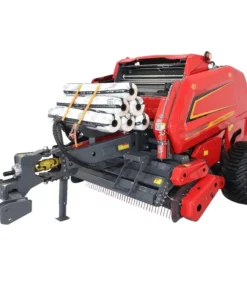
9YG-1.25 Round Baler for Tractor

Discover the reliable 9YG-1.25 round baler for tractors, designed for efficient hay and silage processing with a 2240 mm pickup width and productivity of 40-80 bales per hour. Compatible with 40-60 HP tractors, it delivers dense 1200 x 1250 mm bales, minimizing crop loss and supporting diverse applications like alfalfa and corn stalks for optimal farm operations.
9YG-1.25 Round Baler Overview
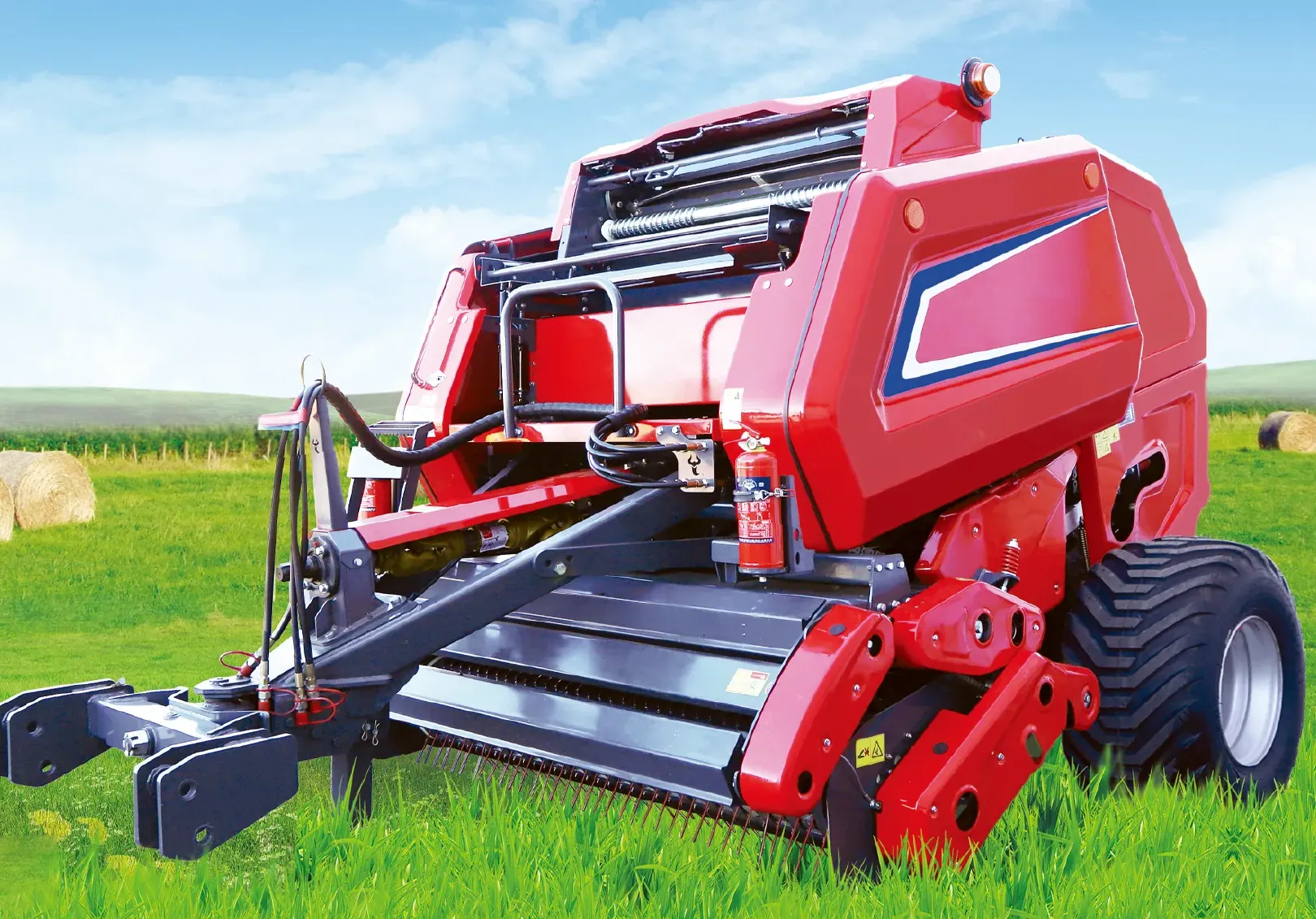
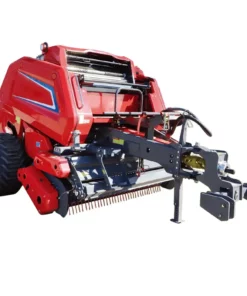
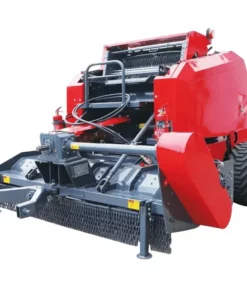
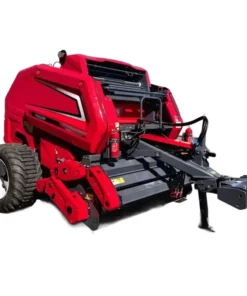
The 9YG-1.25 round baler represents a sophisticated piece of agricultural equipment engineered to streamline forage harvesting processes. This machine is specifically tailored for attachment to tractors, enabling farmers to gather, compress, and secure crop materials into cylindrical bales with precision and efficiency. Its design incorporates advanced mechanisms that accommodate a variety of crop types, ensuring minimal waste and high-quality output. As a towed unit, it integrates seamlessly with standard tractor systems, providing maneuverability across diverse terrains while maintaining operational stability.
In practice, the 9YG-1.25 round hay baler excels in handling both dry and moist forages, making it an indispensable tool for modern farming operations. The baler's compact structure allows for easy navigation in confined areas, while its robust construction ensures durability under demanding conditions. Operators benefit from reduced labor requirements, as the automated features handle much of the baling cycle independently.
Product Specifications
| No. | Item | Unit | Specification |
|---|---|---|---|
| 1 | Model Name | / | 9YG-1.25 Round Baler |
| 2 | Hitching Method | / | Towed |
| 3 | Pickup Width | mm | 2240 |
| 4 | Pickup Structure Type | / | Spring Tooth and Hammer Claw Interchangeable |
| 5 | Feeder Structure Type | / | Auger + Tine and Roller Type |
| 6 | Compression Chamber Baling Mechanism Type | / | Drum Type |
| 7 | Compression Chamber Width | mm | 1250 |
| 8 | Compression Chamber Diameter | mm | 1200 |
| 9 | Number of Rolling Working Parts | pc | 18 |
| 10 | Rolling Drum Diameter | mm | 222 |
| 11 | Baling Method | / | Automatic Net Wrapping |
| 12 | Matching Power | kW/hp | ≧88.2/120 |
| 13 | Structural Mass | kg | 4558 |
| 14 | Power Take-off Shaft Speed | r/min | 720 |
| 15 | Overall Dimensions (L×W×H) | mm | 5250×2700×2350 (Working State) |
| 16 | Bale Density Control | / | Sensor Control |
| 17 | Bale Size (Diameter×Width) | mm | 1200×1250 |
| 18 | Bale Density | kg/m³ | 115-200 |
| 19 | Productivity | bales/h | 40-80 |
| 20 | Wheelbase | mm | 2450 |
| 21 | Operating Speed | km/h | 5-20 |
| 22 | Net Specification (Length×Width) | m | 2000×1.25/bale |
9YG-1.25 Hay Round Baler Features
1. Interchangeable Pickup Mechanisms for Versatile Crop Handling
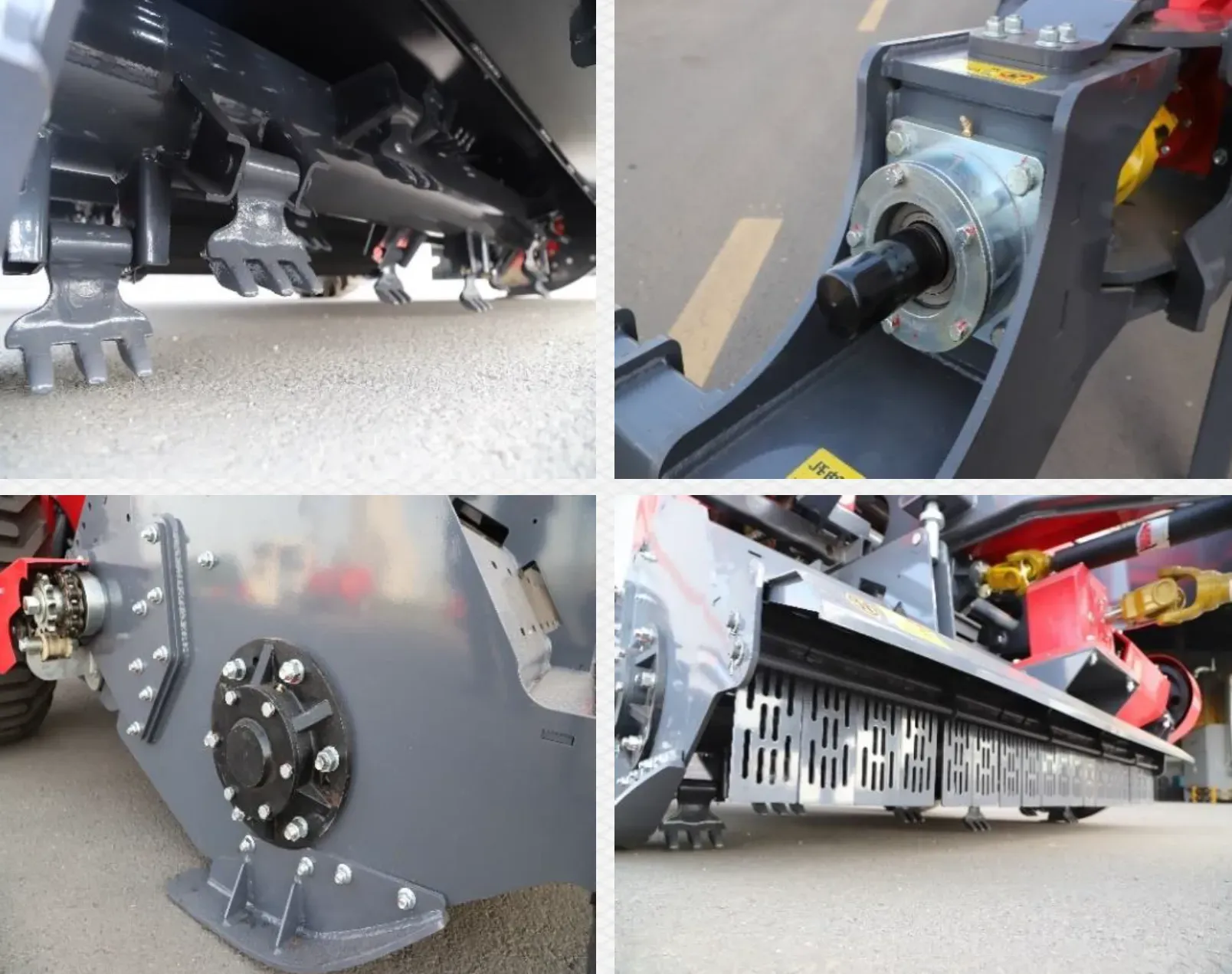
This baler allows seamless switching between spring teeth pickers for lighter forages like grass or alfalfa and specialized hammer claw pickers tailored for tougher materials such as corn stalks. By enabling this flexibility, operators can adapt quickly to different field conditions without needing additional equipment, which streamlines workflows and maintains consistent performance across varied harvest scenarios, ultimately supporting broader agricultural applications.
2. Direct Collection and Baling of Standing Corn Stalks
Designed to gather and compress upright corn stalks in a single pass, the machine bypasses traditional steps like manual raking or row bundling. This integrated approach not only accelerates the harvesting process but also preserves stalk integrity, reducing material loss during transfer and ensuring denser bales that store better over time, making it particularly useful for large-scale corn operations where time efficiency is critical.
3. Cost-Effective Operation Through Process Simplification
By eliminating the need for separate gathering and bundling procedures, this round hay baler significantly lowers labor and fuel expenses associated with stalk collection. Farmers benefit from fewer machinery runs across the field, which cuts down on wear and tear while optimizing resource use, leading to measurable savings that can be redirected toward other farm improvements or expansions.
4. Robust Construction for Demanding Field Environments
Built with reinforced steel components and a sturdy frame, the 9YG-1.25 round balers withstand rough terrains and prolonged use without compromising functionality. Its design incorporates heavy-duty rollers and protective shielding to handle high-volume baling, ensuring longevity even in dusty or uneven conditions, which provides reliable service season after season for professional agricultural users.
High Productivity with Uniform Bale Formation
Capable of producing 40 to 80 bales per hour depending on crop density, the baler uses a wide 2240 mm pickup width combined with auger and roller feeders to create consistent, high-density rounds measuring 1200 x 1250 mm. This efficiency minimizes downtime and maximizes output, allowing operators to cover more acreage in less time while delivering bales that are easier to handle, transport, and store.
5. Automated Net Wrapping for Enhanced Bale Protection
The system automatically applies net wrapping in just 2-3 revolutions, securing bales tightly against weather elements and preventing unraveling during movement. Sensor-controlled density adjustments further refine the process, expelling excess air to promote better fermentation in silage applications, resulting in superior forage quality that supports livestock nutrition and reduces spoilage risks over extended periods.
Working Principle of the Round Hay Baler for Tractor
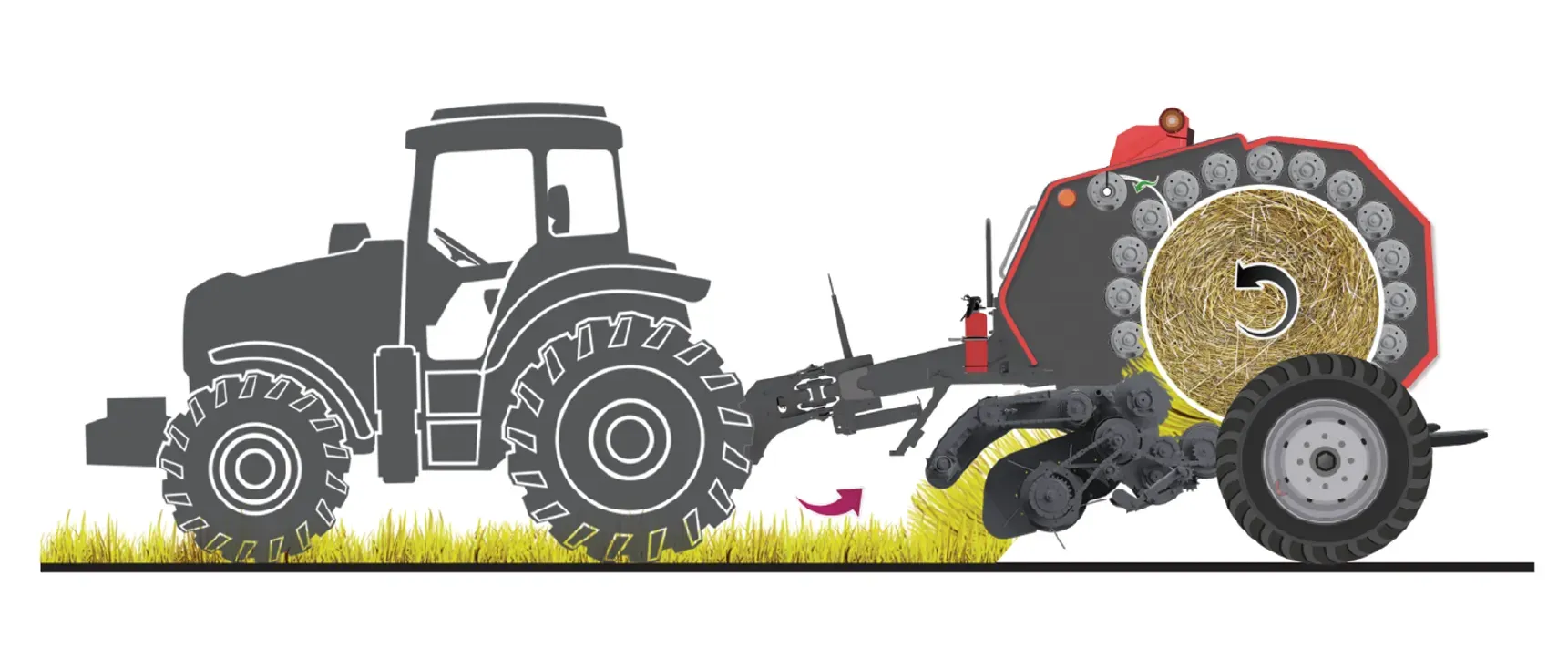
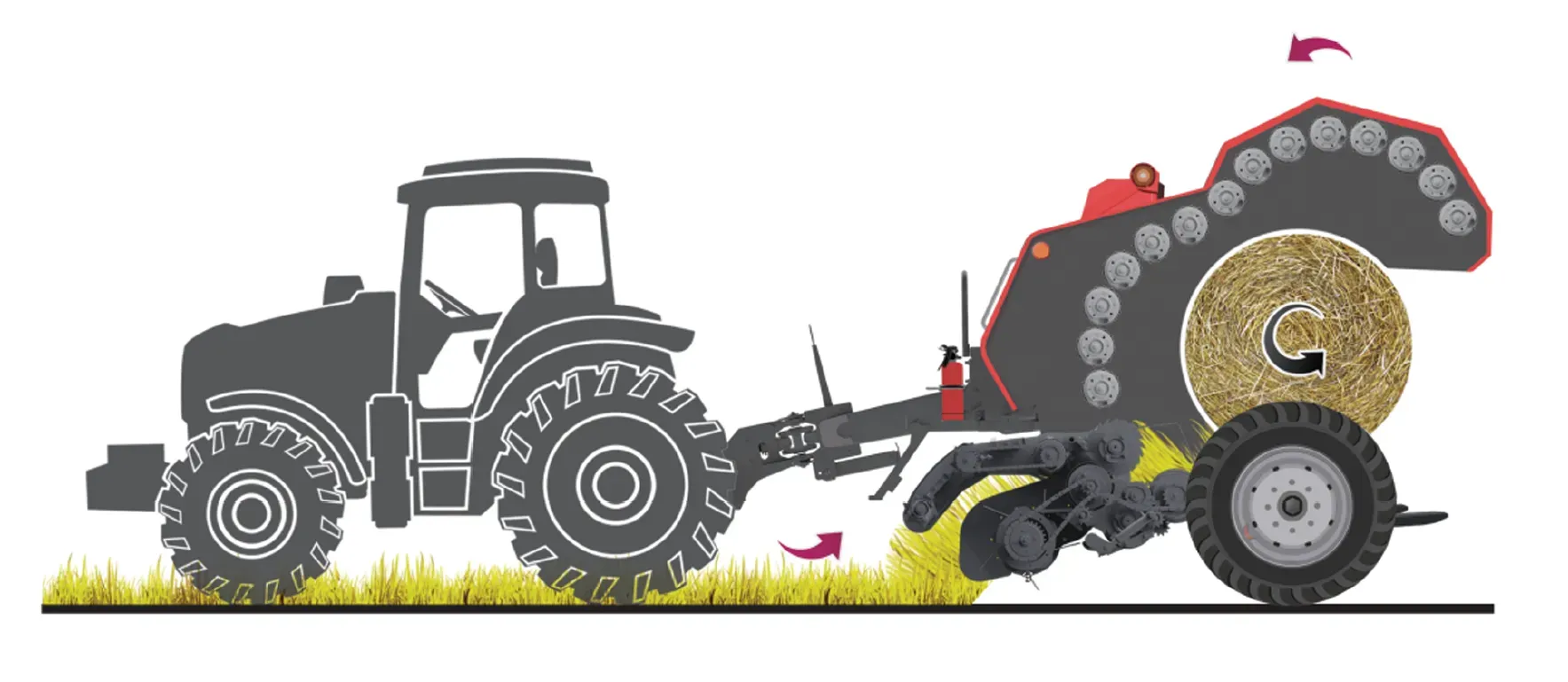
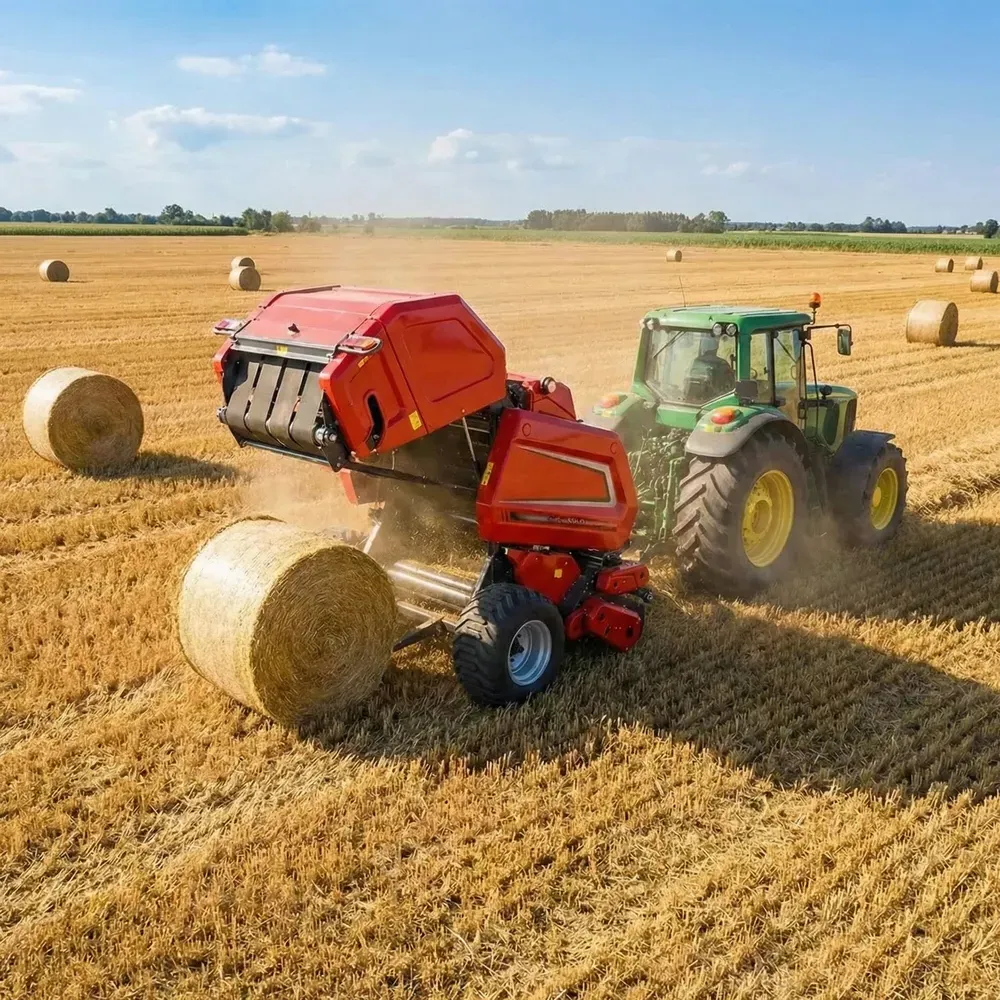
The operational mechanics of the PTO driven round hay baler for tractors, such as the 9YG-1.25 model, reflect careful design aimed at efficient forage management in agricultural settings. This equipment relies on the tractor's power take-off shaft to drive its functions, operating at a steady 720 revolutions per minute to maintain reliable energy delivery throughout the process. Initially, the machine's pickup unit engages with the crop residue on the field. Equipped with rotating tines that span a 2240 millimeter width, it carefully elevates materials like hay or straw from the ground surface, minimizing soil disturbance and maximizing collection volume in each pass.
Once gathered, the forage moves smoothly toward the baling compartment through a system of conveyor belts. These belts play a key role in avoiding blockages by evenly spreading the incoming material, which helps prevent uneven buildup that could disrupt the workflow. Power from the PTO ensures this transfer remains consistent, allowing the baler to handle varying crop densities without interruption.
Inside the chamber, the formation of the bale begins with augers and rollers working in tandem to create a compact core. The augers rotate to distribute the forage uniformly around the central axis, establishing a stable foundation for subsequent layers. As more material accumulates, belts and rollers apply radial force progressively, compressing the contents layer upon layer. Integrated sensors continuously track the bale's density, adjusting pressure to reach an optimal range of 115 to 200 kilograms per cubic meter. This monitoring guarantees that each bale achieves the desired firmness, which is essential for storage stability and transport ease.
When the bale attains its full size of 1200 millimeters in diameter, the automated net wrapping mechanism initiates. It swiftly encases the compressed forage in a net measuring 2000 by 1.25 meters, providing secure binding that protects against environmental exposure and maintains shape during handling. Following this, hydraulic cylinders gently push the completed bale out of the chamber, allowing the system to reset automatically for the next cycle. This ejection process is designed to be smooth, reducing the risk of damage to the bale or the equipment itself.
Round Baler Machine Applications
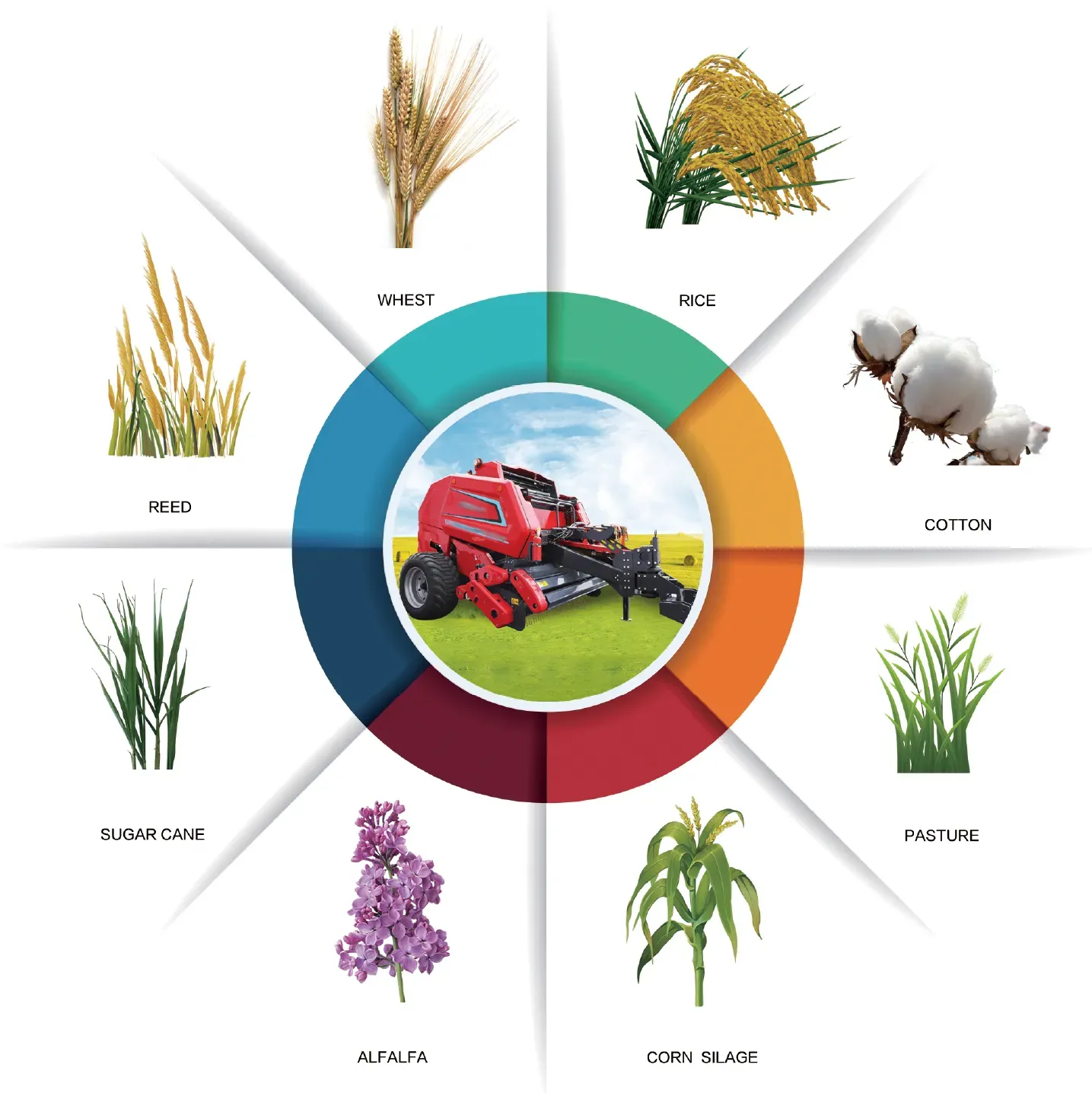
- Wheat Straw Management
Farmers employ round hay balers to collect wheat residues after grain harvest, compressing them into dense cylindrical bundles that facilitate easy stacking in barns or transport to processing facilities. This method reduces field clutter, prevents nutrient loss from weathering, and supports uses like animal bedding or biofuel production, with machines handling dry stalks efficiently across large acreages. - Cotton Residue Handling
Compact round balers prove effective for gathering cotton plant remains post-harvest, forming tight rolls that minimize space during storage and simplify logistics to markets or recycling centers. Operators appreciate how these units preserve fiber quality, enabling repurposing for mulch or compost, while adapting to varying field conditions in cotton-growing regions. - Sugarcane Waste Utilization
Round straw balers assist in bundling sugarcane tops and leaves after cane extraction, creating manageable packages that aid in clearing fields quickly and supplying materials for livestock feed or bioenergy plants. This application streamlines operations in tropical farms, where the equipment's robust design copes with fibrous debris to enhance overall harvest efficiency. - Rice Paddy Residue Baling
Hay round balers are commonly used to pick up rice straw scattered in paddies, pressing it into uniform cylinders suitable for long-term storage or sale to feed mills. This practice helps prevent environmental issues like burning, while providing farmers with additional income streams from residues that would otherwise decompose unused in wet environments. - Corn Silage Preparation
Silage round balers specialize in harvesting moist corn stalks for fermentation, wrapping them securely to create airtight bundles that maintain nutritional value for dairy cattle diets. Users benefit from the machine's ability to handle high-moisture content without spoilage, ensuring reliable feed supplies during off-seasons in intensive livestock operations. - Pasture Grass Collection
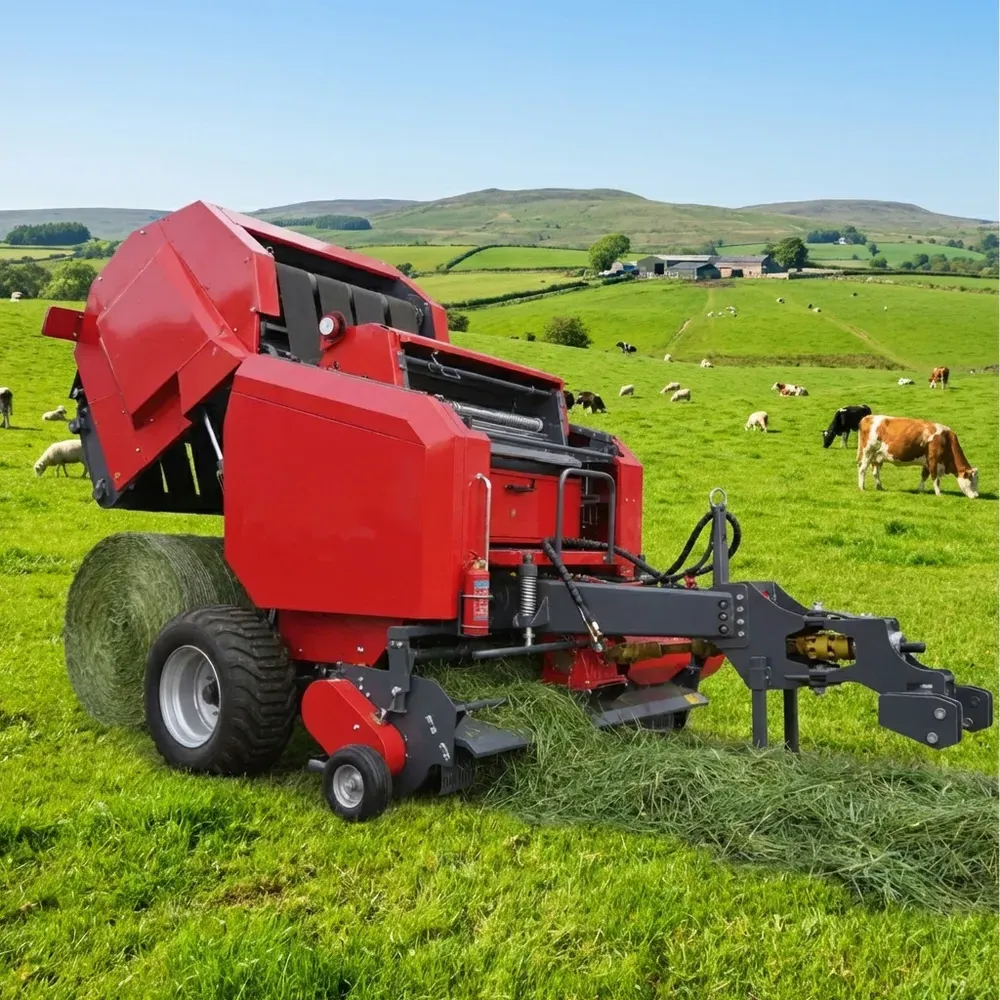
Round baler machines excel at mowing and bundling pasture grasses into neat rolls, preserving forage quality for winter feeding or hay sales. This approach allows ranchers to manage grazing lands effectively, reducing overgrowth and supporting sustainable rotations, with the equipment's versatility accommodating uneven terrains typical of open ranges. - Alfalfa Forage Processing
Round hay baler machines carefully gather alfalfa cuttings, compressing them into high-density bales that retain leaf integrity and protein levels essential for premium livestock feed. Growers find this method advantageous for multiple seasonal cuts, as it minimizes handling damage and optimizes transport to distant buyers or storage sites. - Reed Harvesting Applications
Silage round balers are adapted for cutting and bundling reeds from wetlands, producing compact units ideal for thatching materials or biomass fuel. This technique aids in habitat management while turning abundant growth into valuable resources, with the baler's durable components ensuring performance in challenging, moist conditions.
Maintenance Tips for the Compact Round Baler
Ensuring the reliable operation and extended service life of the 9YG-1.25 compact round baler requires a systematic approach to upkeep. Begin with routine visual examinations each day, focusing on the pickup tines to identify any obstructions from debris or signs of deterioration such as bending or dull edges. Addressing these promptly by honing the tines or installing new ones preserves the machine's ability to gather forage effectively, preventing reduced throughput during field work.
At intervals of eight to ten operating hours, apply appropriate grease to the universal joints and pivot areas. This practice reduces mechanical resistance and averts potential failures that could arise from excessive wear, thereby supporting uninterrupted performance in demanding agricultural environments. Similarly, maintain the belts by clearing away accumulated plant matter after each use, while conducting thorough checks for any splitting or thinning. Plan to substitute these components after accumulating 500 to 1,000 bales to uphold compression integrity and avoid operational disruptions.
Regular assessments of the hydraulic system are essential, including monitoring connection points for leaks and confirming adequate oil volumes. Remove trapped air from the lines as needed to sustain consistent pressure, which is critical for smooth ejection and wrapping functions. Keep optical detectors and the netting apparatus free of dust and residues through gentle wiping, and fine-tune tensions according to the provided guidelines to mitigate errors in bale formation. During periods of inactivity, particularly in winter months, position the baler under shelter in a moisture-free space to shield metal surfaces from rust development, thus safeguarding structural components for future seasons.
In addition to these core practices, document all service activities in a log to track patterns and anticipate needs, such as bearing replacements or chain tensioning. Consult the equipment's documentation for specific torque values when securing bolts, and consider professional servicing annually to evaluate internal mechanisms like rollers and augers. By adhering to these measures, operators can optimize the baler's efficiency, minimize repair costs, and ensure it remains a dependable tool for forage processing tasks across various crop types.
FAQ
Q: What is the best round baler for small farms?
A: Operators seeking the best round baler for small farms often select the 9YG-1.25 due to its streamlined footprint and seamless integration with tractors rated between 40 and 60 horsepower. This compact round baler delivers reliable performance in limited spaces, handling hay and straw with reduced energy consumption, which helps smaller operations manage costs while maintaining high output levels without overwhelming existing equipment setups.
Q: What are round baler sizes available?
A: Available round baler sizes for this unit focus on practical dimensions suited to standard farm handling, with the 9YG-1.25 generating bales measuring 1200 by 1250 millimeters. These proportions ensure compatibility with common trailers and storage facilities, facilitating efficient movement and preservation of materials like grass or alfalfa without excessive bulk that could complicate logistics for mid-sized agricultural enterprises.
Q: How to maintain a tractor round baler?
A: To maintain a tractor round baler effectively, conduct lubrication on key joints and pivots after every eight to ten hours of use, alongside routine belt cleaning to dislodge debris and checks on electronic sensors for optimal function. Such practices extend the lifespan of the round baler machine, averting common failures and supporting consistent operation across seasons in demanding rural settings.
Q: What is the round baler price range?
A: The round baler price range fluctuates based on geographic markets, additional features, and current supply chains, typically starting from competitive figures that reflect quality construction. For precise details on round hay baler for sale options with the 9YG-1.25, reaching out directly allows for tailored estimates that account for customizations like enhanced wrapping systems or transport adaptations to fit specific budgetary needs.
Q: Is a compact round baler suitable for silage?
A: A compact round baler proves highly suitable for silage tasks, as the 9YG-1.25 incorporates precise density regulation via built-in sensors to manage moist forage compression effectively. This silage round baler capability results in well-sealed packages that promote proper fermentation, preserving nutritional content for livestock feed and enabling producers to handle wetter crops without compromising bale integrity or storage viability.
Q: What PTO speed is required for a round straw baler?
A: The required PTO speed for a round straw baler like the 9YG-1.25 stands at 720 revolutions per minute, which guarantees steady power delivery from compatible tractors for smooth straw processing. This specification aligns the round baler PTO shaft with standard agricultural machinery, minimizing strain and enhancing efficiency during extended sessions in straw-heavy fields.
Q: How many bales per hour does a hay round baler produce?
A: A hay round baler such as the 9YG-1.25 can produce between 40 and 80 bales per hour, influenced by factors including crop type, moisture content, and terrain variations. This output range positions it as a dependable hay round baler machine for operations aiming to maximize daily throughput while adapting to real-time conditions without sacrificing bale quality.
Q: What are round baler belts made of?
A: Round baler belts consist of robust synthetic compounds engineered for superior resistance against abrasion and stretching under intense pressure. These materials ensure the belts in models like the 9YG-1.25 endure repeated cycles of compression in a round baler machine, supporting durable performance across diverse forages and reducing the frequency of replacements in active farming environments.
Q: Can a round baler for tractor handle corn stalks?
A: A round baler for tractor can indeed handle corn stalks proficiently, with the 9YG-1.25 featuring a specialized hammer claw mechanism that grips and feeds tough residues directly into the chamber. This tractor round baler design eliminates extra preparation steps, allowing seamless integration into corn harvest routines and yielding compact bundles suitable for feed or bedding purposes.
Q: What is the best round hay baler for wet conditions?
A: The best round hay baler for wet conditions includes units like the 9YG-1.25, equipped with modifiable components that accommodate higher moisture levels without clogging or uneven compression. As a best round hay baler option, its reinforced structure and sensor-driven adjustments maintain operational reliability in damp fields, helping users avoid delays during unpredictable weather patterns.
Q: How to install round baler PTO shaft?
A: To install a round baler PTO shaft on the 9YG-1.25, first position the connection points in alignment with the tractor's output, then fasten securely while confirming all protective guards are properly fitted. This step-by-step approach for the round baler PTO shaft ensures safe power transmission, preventing accidents and enabling immediate field readiness with minimal tools required.
Customer Reviews
Maria Gonzalez, Ranch Owner, Mexico
"We've been running this round baler on our alfalfa patches for more than a year now with a 50 HP tractor, and that 2240 mm pickup really speeds things up. No big problems even through the wet seasons, and the EVER-POWER folks were quick with a guide when we tweaked the belts. Solid compact round baler choice for our setup."
Thomas Reed, Crop Farmer, United States
"This hay round baler has totally changed how we handle straw on the farm. Averaging 60 bales an hour, it's dependable with that auto wrapping feature cutting down time. Fifteen months in, zero breakdowns, and the density control makes stacking a breeze. Best round baler we've invested in for efficiency."
Elena Petrov, Agricultural Manager, Russia
"Impressed by how versatile this round hay baler machine is with corn stalks and grasses. It pairs perfectly with our 60 HP tractor over bumpy ground. Shipment arrived right on schedule, and the sturdy build has held up through two tough seasons. Worth every bit for our large-scale operations."
James O'Connor, Dairy Farmer, Ireland
"For silage work, this silage round baler nails it with those dense 1200 mm bales that stack and store without issues. Support team sent replacement parts fast for a small sensor glitch, keeping us going with minimal stops. Twenty months of steady use, and it's still performing like new."
Sophie Laurent, Farm Operator, France
"The low upkeep on this tractor round baler is a game-changer; just lube it every 10 hours and it hums along. Boosted our output to 50 bales per hour, really streamlining things. The service crew's approach was spot-on and helpful during our questions—professional all the way."
Ahmed Khalil, Livestock Producer, Egypt
"Handling sugarcane leftovers with this round straw baler is effortless thanks to the hammer claw pickup. Twelve months down, hardly any wear, and the net wrapping keeps bales tight. Delivery was prompt, making the whole experience smooth and positive for our feed needs."
Liam Thompson, Grain Grower, Australia
"Picked this round baler for tractor to tackle our wheat residues, and it's proven tough with the 720 r/min PTO shaft delivering consistent power. We've clocked 18 months without major fixes, focusing on the durable round baler belts that withstand our dry, dusty fields. Logistics from EVER-POWER were efficient, arriving ahead of harvest."
Isabella Costa, Agribusiness Manager, Brazil
"Our team loves this compact round baler for its adaptability in soybean and corn silage fields. With round baler sizes at 1200 x 1250 mm, transport is straightforward. Over 14 months, the machine's quality shines through, and customer service attitude was excellent when we inquired about round baler price adjustments for bulk orders."
Robert Singh, Forage Specialist, Canada
"This best round hay baler handles our pasture grass perfectly, even in variable weather. The automatic features save labor, producing up to 70 bales hourly on good days. Sixteen months of use, and the build quality impresses—no regrets on the investment, with timely support for a minor round baler PTO shaft alignment tip."
Additional information
| Edited by | Yjx |
|---|
Product Quick Detail:
- Standard and non-standard available
- With high quality and competitive price
- Prompt delivery
- Packing as per customer’s demand.
We promise will offer the best price by the high quality in china! We also accept special order about the products. If you are interested in our products. Please do not hesitate to let us know.We are pleased to give you the detailed information.We promise that our products would be safety and were in high quality and reasonable price. If you are interested in our products, please contact us asap.We are sincerely looking for your cooperation.
Most of our products are exported to Europe or Americas, both standard and nonstandard products available. We can produce as per your drawing or sample. Material can be standard or as per your special request. If you choose us, you choose reliable.

Materials Available
1. Stainless Steel: SS201, SS303, SS304, SS316, SS416, SS420
2. Steel:C45(K1045), C46(K1046),C20
3. Brass:C36000 ( C26800), C37700 ( HPb59), C38500( HPb58), C27200(CuZn37), C28000(CuZn40)
4. Bronze: C51000, C52100, C54400, etc
5. Iron: 1213, 12L14,1215
6. Aluminum: Al6061, Al6063
7.OEM according to your request
Surface Treatment
Annealing, natural canonization, heat treatment, polishing, nickel plating, chrome plating, zinc plating,yellow passivization, gold passivization, satin, Black surface painted etc.
Processing Method
CNC machining, punch,turning, milling, drilling, grinding, broaching, welding and assembly
QC & Certificate
Technicians self-check in production,final-check before package by professional Quality inspector
ISO9001:2008 , ISO14001:2001,ISO/TS 16949:2009
Package & Lead Time
Size: Drawings
Wooden Case/Container and pallet, or as per customized specifications.
15-25days samples. 30-45days offcial order
Port: Shanghai/Ningbo port
 English
  Bulgarian
  Russian
  Czech
Czech  Bosnian
  Thai
Thai  Arabic
  Chinese
  Swahili
  Amharic
  Japanese
  Korean
  Hungarian
  Spanish
  Azerbaijani
  Greek
Greek  Vietnamese
  Danish
  Malay
Malay  Hebrew
  Croatian
  Bengali
  Kyrgyz
  Italian
  Polish
  French
  Kazakh
  Portuguese