
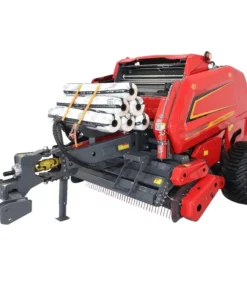
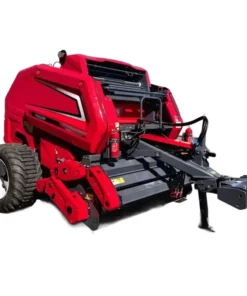
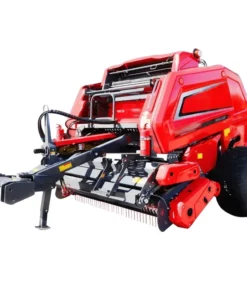
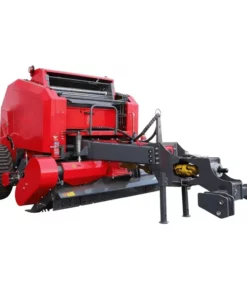
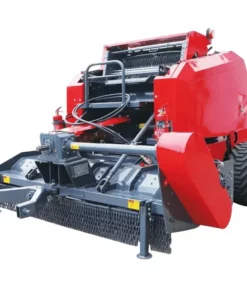
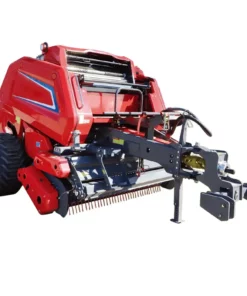
9YG-1.0 Round Baler for Tractor

Discover EVER-POWER’s 9YG-1.0 round baler for tractor, designed for 48-80 kW power with 40-100 bales per hour productivity and 115-200 kg/m³ density. This efficient round hay baler suits small farms, handling straw, hay, and silage to minimize labor and maximize output.
9YG-1.0 Round Baler Overview
The 9YG-1.0 round baler represents a practical solution for farmers seeking reliable equipment to manage crop residues effectively. Engineered for compatibility with mid-range tractors, this machine excels in transforming loose materials like wheat straw, rice stalks, and various grasses into compact, transportable bales. Its design emphasizes durability and ease of use, making it suitable for operations where space and power are limited. By incorporating advanced pickup and compression technologies, the baler ensures minimal crop loss during collection and forming, which is crucial for maintaining feed quality in livestock farming. Operators appreciate how it adapts to varying field conditions, from flat pastures to slightly uneven terrain, without compromising performance.
This round hay baler integrates features that enhance overall farm efficiency. For instance, the automatic net wrapping system secures bales quickly, reducing the time spent on manual tying and allowing for continuous operation. This is particularly beneficial during peak harvest seasons when timely processing can prevent weather-related spoilage. Compared to larger models, the 9YG-1.0 hay round baler strikes a balance between capacity and maneuverability, enabling it to navigate narrow gates and tight storage areas. This round hay baler machine often report improved workflow, as it pairs seamlessly with existing equipment like round baler PTO shafts, contributing to a more streamlined agricultural process.
Product Specifications
| No. | Item | Unit | Specification |
|---|---|---|---|
| 1 | Model Name | / | 9YG-1.0 Round Baler |
| 2 | Hitching Method | / | Towed |
| 3 | Pickup Width | mm | 1900 |
| 4 | Pickup Structure Type | / | Tine type |
| 5 | Feeding Mechanism Type | / | Fork and Roller Type |
| 6 | Compression Baling Mechanism Type | / | Roller Type |
| 7 | Compression Width | mm | 1000 |
| 8 | Compression Diameter | mm | Φ 1000 |
| 9 | Number of Compression Working Parts | Units | 16 (Roller) |
| 10 | Compression Roller Diameter | mm | Φ 222 |
| 11 | Bale Tying Method | / | Net Wrap |
| 12 | Matching Power | kW | 48–80 |
| 13 | Structural Mass | kg | 2640 |
| 14 | Power Output Shaft Speed | r/min | 720 |
| 15 | Overall Dimensions (L × W × H) (Working State) | mm | 3750 × 2300 × 2020 |
| 16 | Bale Density Control | / | Sensor Control |
| 17 | Bale Dimensions (Diameter × Width) | mm | Φ 1100 × 1000 |
| 18 | Bale Density | kg/m³ | 115–200 |
| 19 | Productivity | Bales/h | 40–100 |
| 20 | Wheelbase | mm | 2045 |
| 21 | Working Speed | km/h | 5–20 |
| 22 | Net Wrap Specification (L × W) | m | 2000 × 1.0 /bale |
Key Features of 9YG-1.0 Hay Round Baler
- Tailored for Small-Horsepower Tractors
This baler is engineered specifically for tractors with lower power outputs, enabling efficient operation in modest farming setups without requiring heavy machinery upgrades. It handles baling tasks smoothly, ensuring compatibility with equipment commonly found on small to medium-sized farms, which helps operators manage costs while maintaining productivity levels during harvest seasons. - Optimal Bale Weight for Easy Handling
Each bale produced weighs between 200 and 400 kilograms, striking a balance that facilitates straightforward loading, unloading, and transportation using standard farm vehicles or trailers. This weight range minimizes the need for specialized lifting gear, allowing farmers to move bales quickly from fields to storage areas or markets, reducing overall labor time and physical strain. - Versatile Crop Residue Collection
Designed to gather and bundle straw and forage from diverse crops including corn stalks, rice paddies, wheat fields, and soybean residues, the machine forms compact round bales that preserve material quality for feed or bedding uses. Its adaptability across different harvest types supports year-round utility, helping agricultural professionals maximize the value of post-harvest waste in varied growing regions. - Innovative Axial-Flow Feeding System
The baler employs an axial-flow semi-forcible mechanism that directs material efficiently into the compression chamber, eliminating traditional components like cams and protective rings to streamline the process. This setup not only conserves energy but also accommodates larger volumes of input, making it suitable for continuous fieldwork where consistent flow is essential for uninterrupted operations. - Reduced Power Consumption and Enhanced Efficiency
By optimizing the feeding process, the system lowers energy demands compared to conventional models, allowing tractors to perform longer without excessive fuel use or strain on engines. Operators benefit from nearly doubled throughput rates, which translates to faster completion of baling jobs and the ability to cover more acreage in a single day, directly impacting farm profitability. - Minimized Risk of Blockages
The absence of complex guarding elements in the pickup assembly significantly decreases the chances of material jams, even when dealing with dense or uneven crop rows. This reliability ensures smoother runs through challenging conditions, such as wet or tangled residues, providing peace of mind for users who rely on the equipment during critical harvest windows to avoid costly delays.
Working Principle of the Round Hay Baler
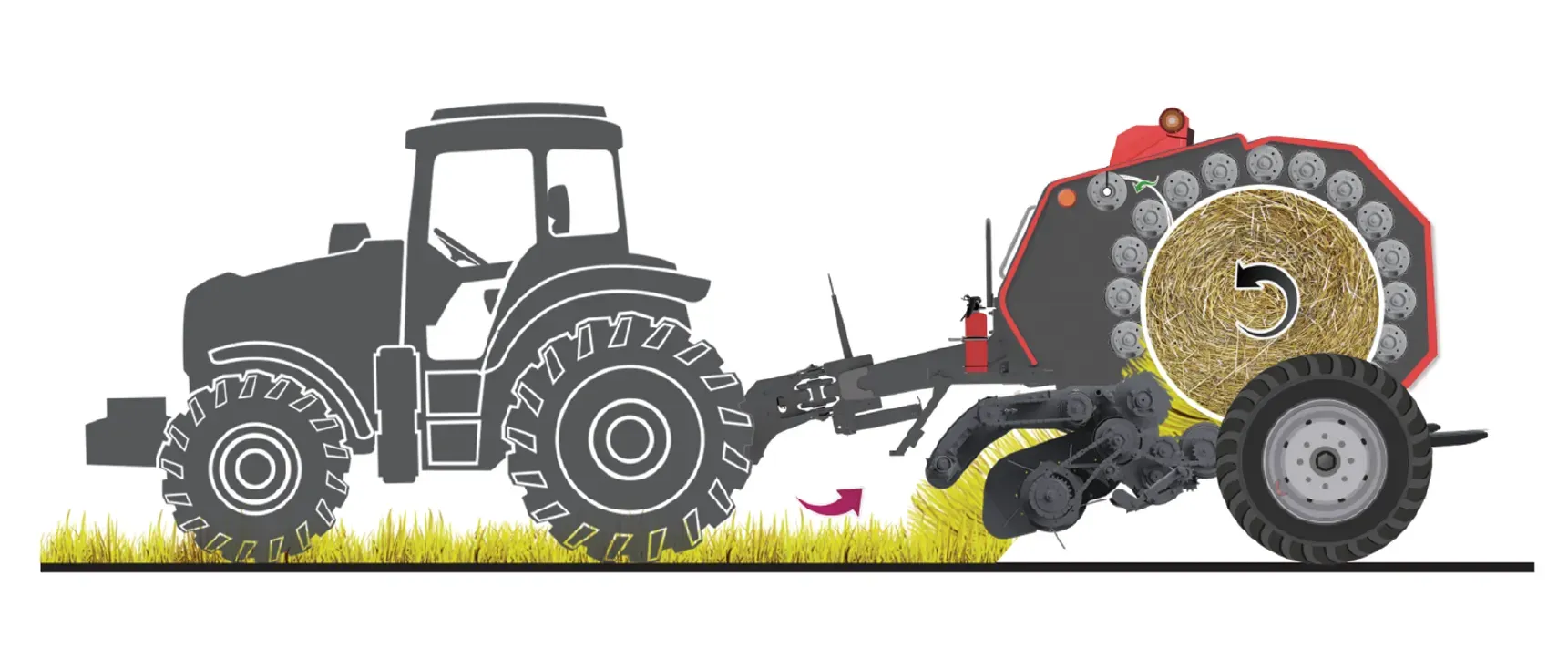
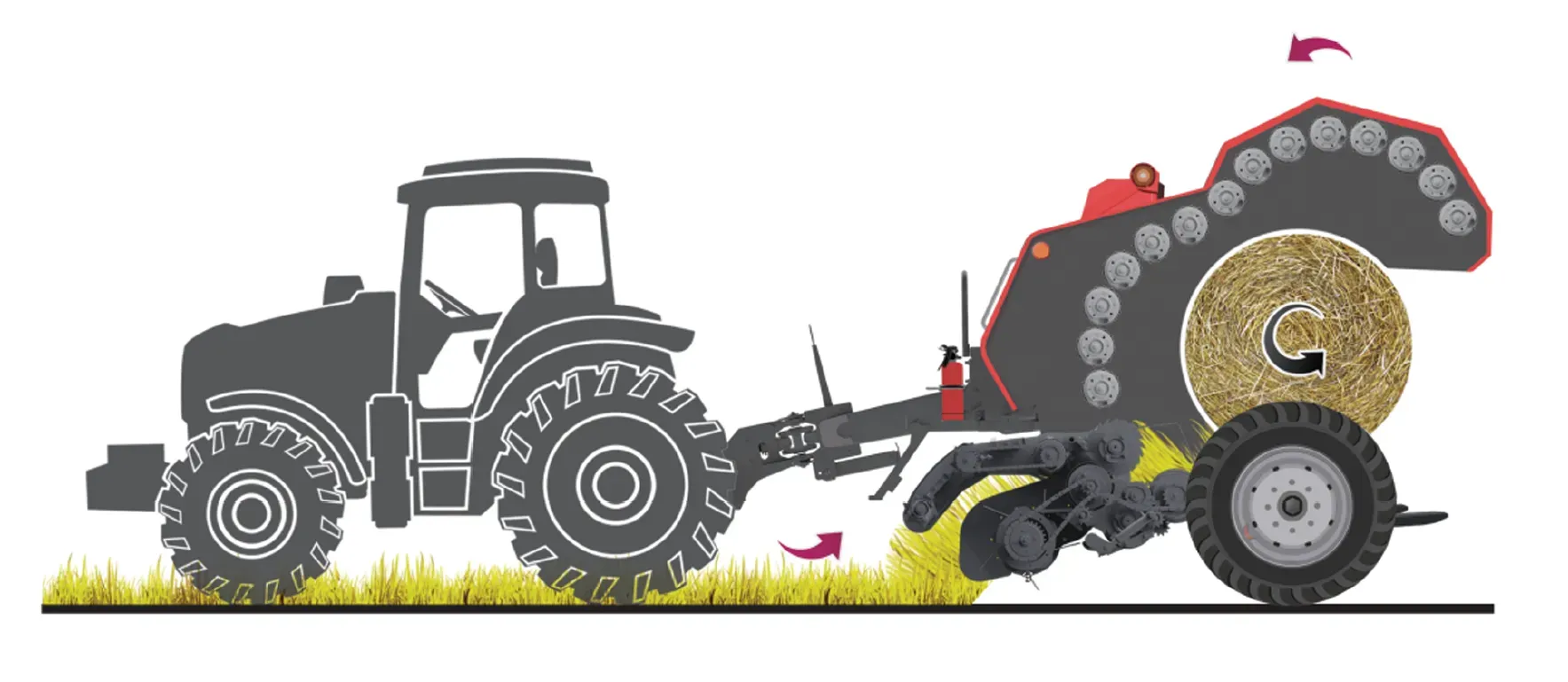
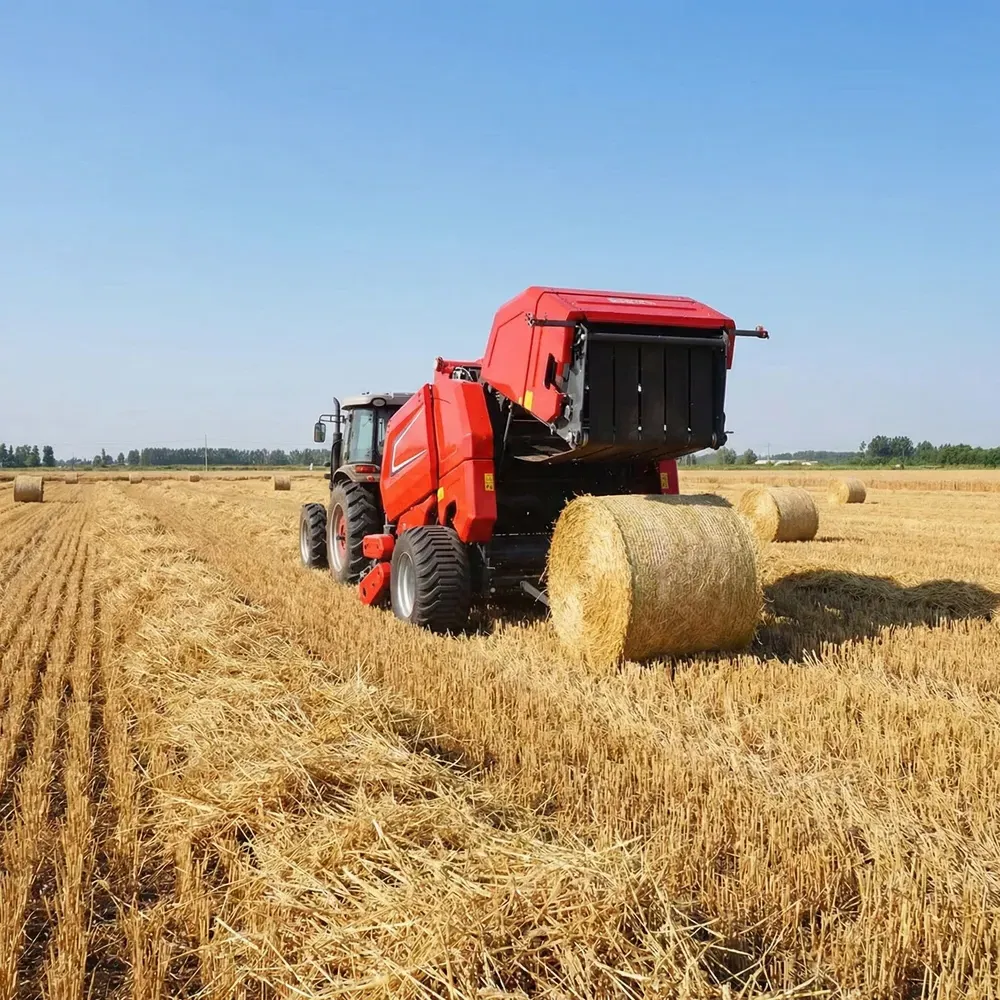
The tractor PTO drive round hay baler operates through a sequence of mechanical processes that efficiently convert loose crop residues into compact bales, facilitating storage and transport in agricultural settings. Power transmission initiates when the tractor's power take-off shaft connects to the baler, rotating at a consistent speed of 720 revolutions per minute. This towed linkage ensures stable energy delivery to all components, allowing the machine to function reliably across fields without independent propulsion systems.
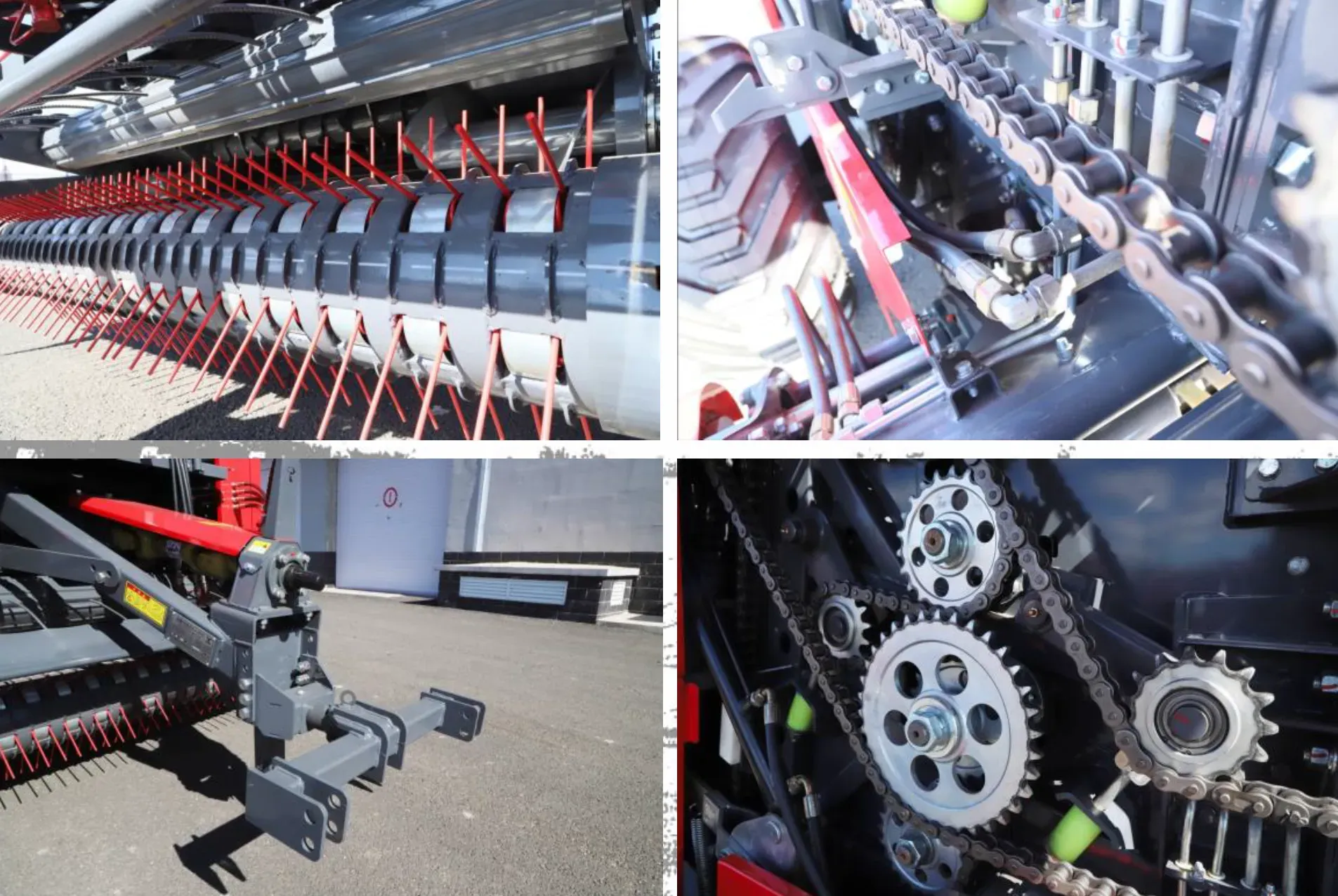
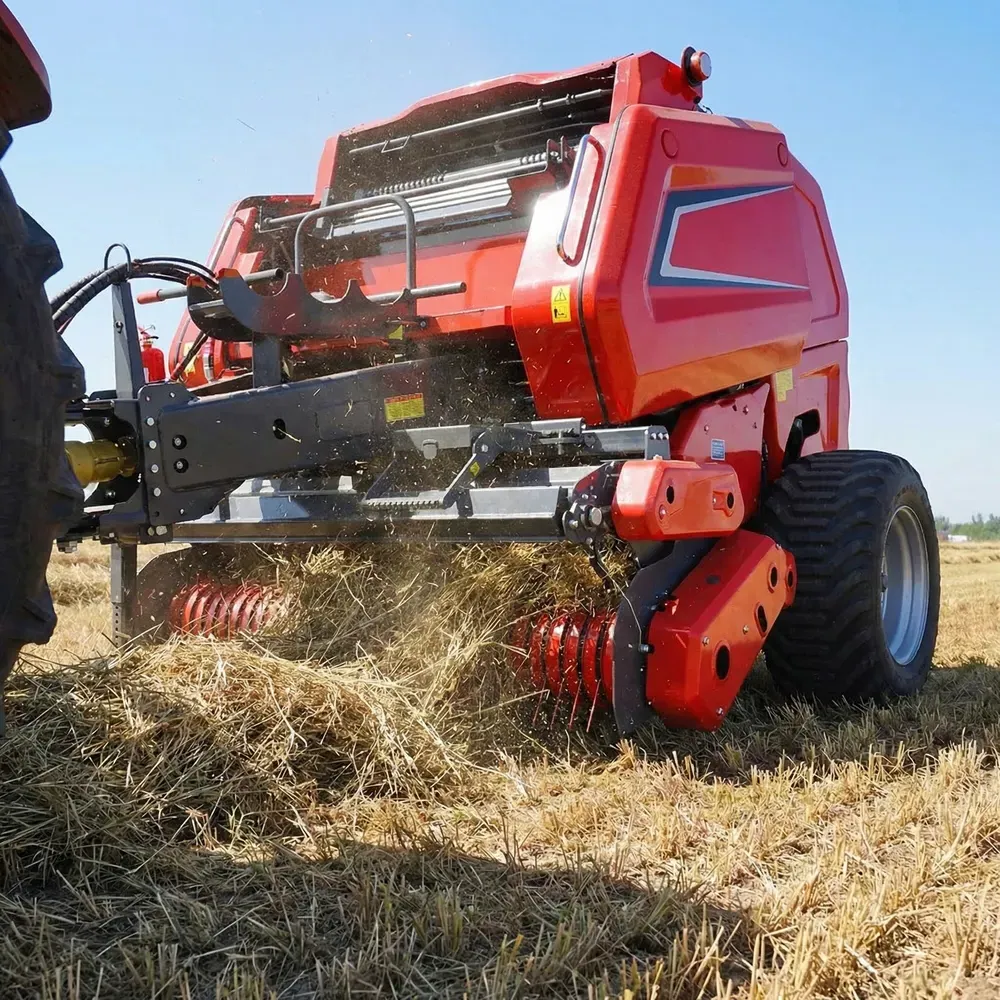
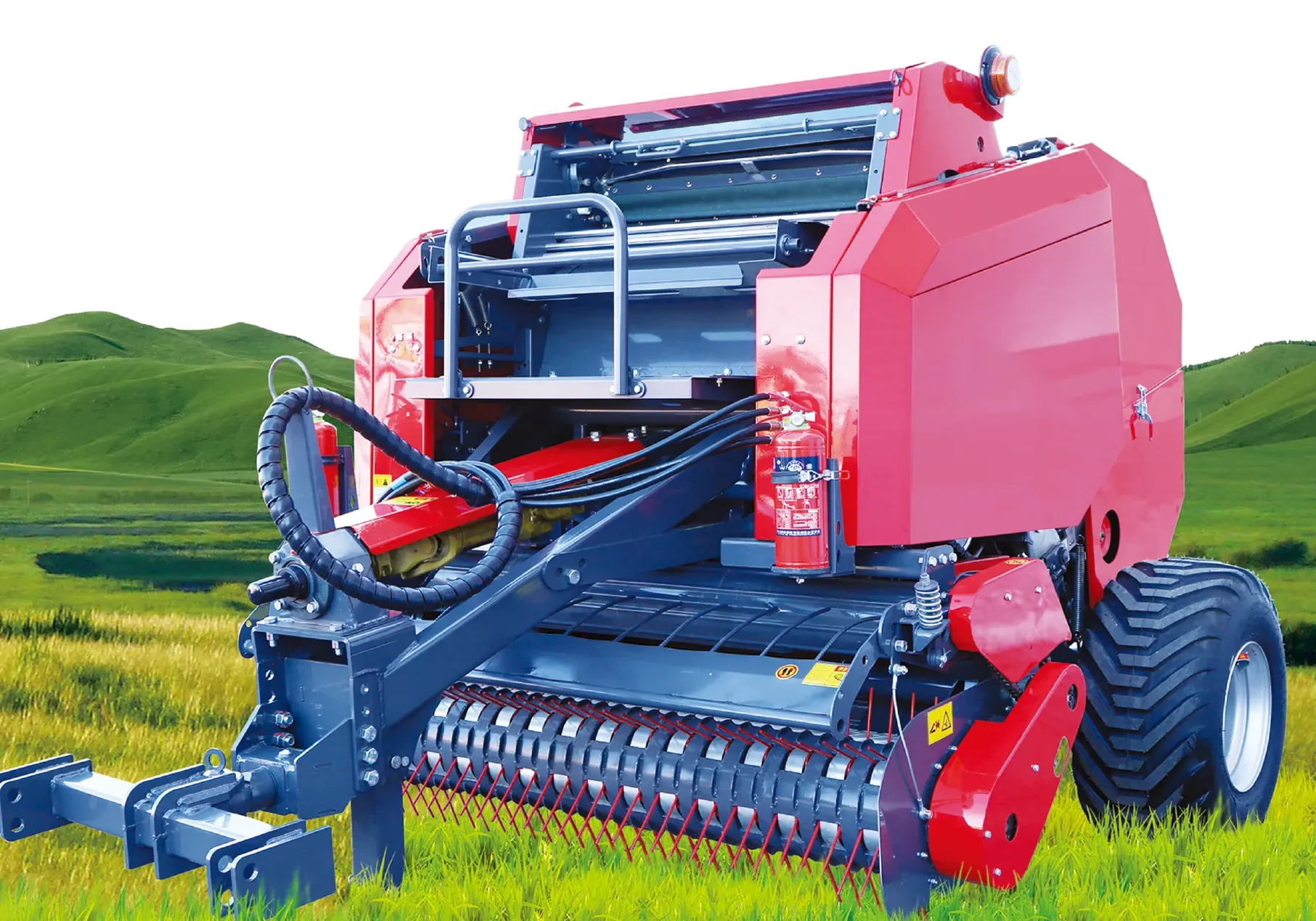
As the tractor advances, the pickup mechanism engages, utilizing spring-loaded tines to collect windrowed materials such as hay or straw from the ground. These tines gently elevate the crop rows, directing them upward into the intake zone to minimize ground contamination and material loss. Once gathered, a set of forks or augers propels the forage forward into the baling chamber, maintaining a steady flow that prevents uneven accumulation and supports continuous operation even in varying crop densities.
Within the compression chamber, a series of 16 strategically positioned rollers begins the densification process. These rollers rotate in unison, applying progressive pressure to the incoming material, which gradually forms a cylindrical core. Sensors integrated into the system monitor bale density in real time, adjusting compression to achieve optimal levels between 115 and 200 kilograms per cubic meter, depending on the crop type and moisture content. This controlled buildup ensures uniform bale structure, enhancing durability during handling.
When the bale attains its specified dimensions of approximately 1100 millimeters in diameter and 1000 millimeters in width, the process transitions to wrapping. The net dispenser automatically deploys a layer of netting around the compressed cylinder, securing it against expansion or disintegration. Following this, hydraulic or mechanical actuators open the chamber door, enabling the completed bale to eject onto the field surface. The cycle then resets, allowing immediate resumption of pickup and compression for the next unit.
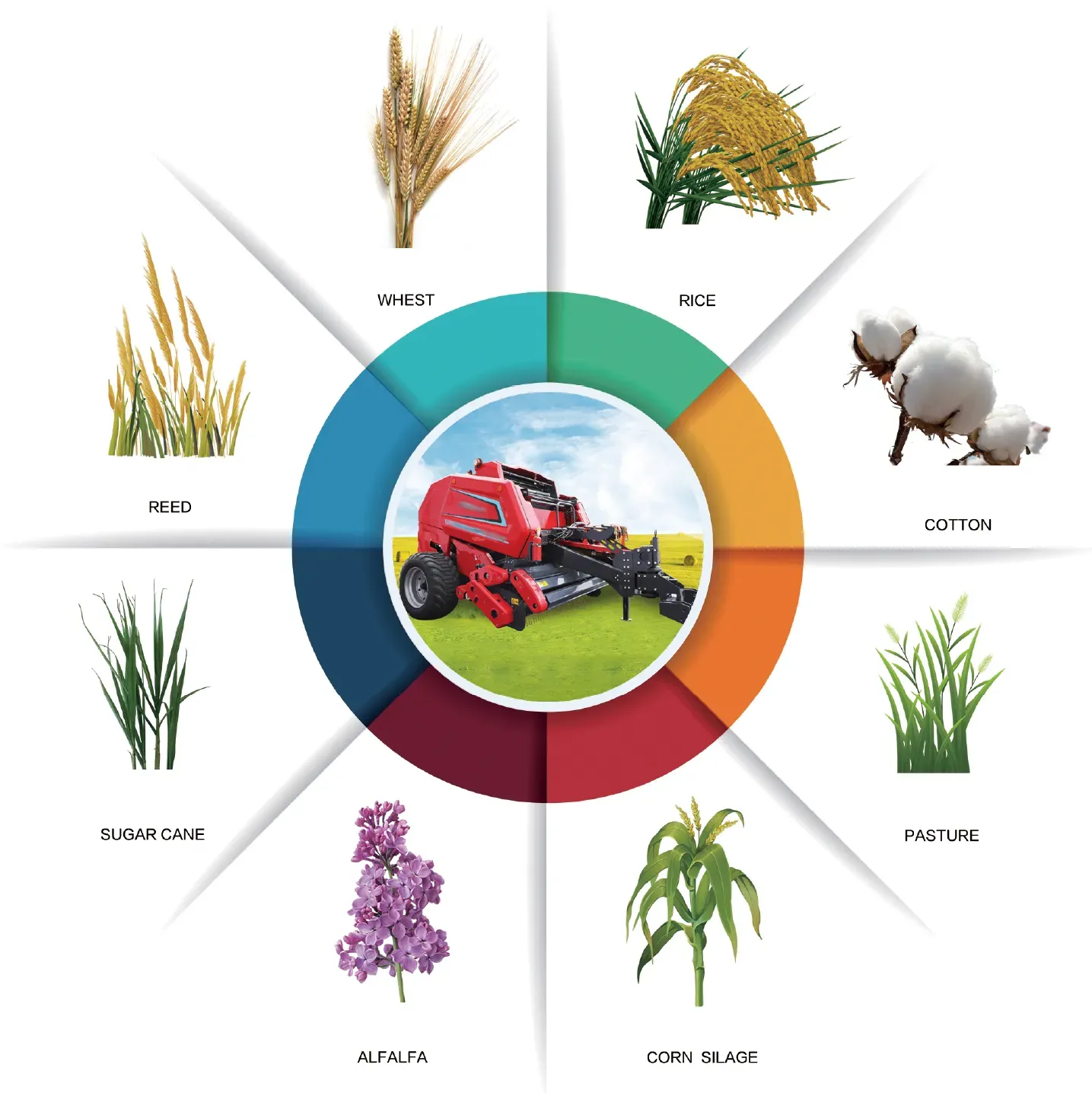
Compact Round Baler Machine Applications
- Wheat Residue Management
Farmers utilize compact round balers to collect wheat straw after grain harvest, compressing it into dense cylinders for livestock bedding or mulch in subsequent plantings. This process clears fields efficiently, preventing pest buildup and allowing quick soil preparation for cover crops, while the bales serve as a marketable byproduct for animal husbandry operations in regions with intensive cereal production. - Rice Straw Processing
In paddy-dominated areas, these round baler machines gather rice stalks post-threshing, forming tight rolls that facilitate transport to processing facilities for use as biofuel or mushroom substrate. The compact design suits narrow field paths common in Asian farming, reducing labor needs and minimizing environmental impact by avoiding open burning, which helps comply with air quality regulations. - Corn Silage Production
For dairy and beef enterprises, round hay balers handle chopped corn plants, including stalks and ears, to create wrapped bales that preserve moisture and nutrients through fermentation. This method supports year-round feed availability, with the machine's sensor controls ensuring optimal density to prevent spoilage, making it a staple in feedlot systems where high-quality forage is critical for animal performance. - Pasture Grass Harvesting
Ranchers employ these units to mow and bale native or improved grasses from meadows, producing hay rolls suitable for winter storage or sale to equestrian centers. The towed setup works well on undulating terrain, enabling operators to maintain pasture health by removing excess growth, which promotes regrowth and biodiversity in grazing lands. - Cotton Stalk Utilization
After cotton picking, round straw balers compress leftover bolls and stems into manageable bundles, often used for erosion control matting or as raw material in paper manufacturing. This application aids in field cleanup, reducing tillage requirements and supporting sustainable practices in cotton belts, where residue management prevents soil compaction from heavy machinery. - Sugarcane Byproduct Handling: In tropical plantations, machines bale sugarcane bagasse and tops following juice extraction, creating compact units for energy generation in mills or as organic fertilizer. The process streamlines waste disposal, turning potential pollutants into resources, and the baler's compatibility with smaller tractors fits operations in hilly or fragmented plots typical of sugarcane farming.
- Alfalfa Forage Baling
Legume growers use silage round balers to harvest multiple cuttings of alfalfa, rolling the nutrient-rich leaves and stems into bales for premium animal feed markets. This ensures minimal leaf shatter during collection, preserving protein content essential for dairy herds, and allows timely regrowth cycles to maximize yields in irrigated valleys. - Reed and Wetland Vegetation Control
Environmental managers apply these balers in marshy areas to cut and bundle reeds, aiding in habitat restoration or biomass harvesting for thatching materials. The lightweight construction prevents soil disturbance in sensitive ecosystems, supporting conservation efforts while providing raw inputs for crafts or bioenergy, particularly in coastal or riverine zones.
Select the Right Round Hay Baler for Tractor
Choosing an appropriate round hay baler for a tractor involves evaluating several practical factors to ensure it aligns with specific farming requirements, equipment compatibility, and long-term operational needs. Start by assessing the tractor's power output, as balers like the 9YG-1.0 model require between 48 and 80 kilowatts to function effectively without straining the engine or reducing efficiency during extended use. For smaller operations or fields with limited access, prioritize compact designs that offer maneuverability, such as those with overall dimensions around 3750 by 2300 by 2020 millimeters, which allow navigation through gates and uneven terrain while maintaining stability via a 2045-millimeter wheelbase.
Consider the type of crops and expected bale density, as these influence the machine's pickup width and compression capabilities. A 1900-millimeter tine-type pickup suits gathering windrows from wheat, rice, or pasture grass, while roller compression with 16 units ensures densities from 115 to 200 kilograms per cubic meter, ideal for dry hay or moist silage to prevent spoilage. Productivity is another key aspect; aim for models that deliver 40 to 100 bales per hour at speeds of 5 to 20 kilometers per hour, matching the scale of your acreage to avoid bottlenecks during peak harvest periods.
Budget and maintenance should guide decisions too, favoring units with sensor-controlled features for automatic adjustments, reducing manual interventions and downtime. Look for durable construction, such as reinforced rollers and net wrapping systems using 2000 by 1.0-meter specifications per bale, which enhance bale integrity for transport. By matching these elements to your setup, you can select a baler that boosts efficiency, cuts labor costs, and supports sustainable practices like residue recycling for soil health.
FAQ
Q: How do round baler sizes affect productivity?
A: Round baler sizes play a crucial role in field efficiency, as seen in the 9YG-1.0's design producing bales of Φ1100 x 1000 mm dimensions, which means handling fewer but denser units per acre compared to smaller alternatives. This configuration allows operators to achieve rates up to 100 bales per hour in optimal conditions, minimizing trips for unloading and enabling quicker coverage of expansive hay or straw areas during tight harvest schedules.
Q: What is the best round baler for small farms?
A: For small farms prioritizing space and power constraints, the 9YG-1.0 emerges as a top choice among round hay balers, offering seamless integration with tractors rated at 48-80 kW without overwhelming smaller setups. Its towed structure and modest footprint facilitate easy storage and navigation in confined pastures, outperforming bulkier competitors in scenarios where maneuverability directly impacts daily output and operational simplicity.
Q: How to maintain round baler belts?
A: Maintaining round baler belts ensures longevity in models like the 9YG-1.0, where weekly visual checks for wear such as surface cracks or fraying prevent unexpected failures during peak use. Remove accumulated debris after each session, and plan replacements seasonally or following roughly 500 bales to sustain consistent compression, drawing from practices recommended for similar hay round baler machines to avoid costly interruptions in fieldwork.
Q: Can this hay round baler handle silage?
A: Yes, the 9YG-1.0 hay round baler is well-equipped for silage tasks, thanks to its adjustable density control ranging from 115 to 200 kg/m³, which accommodates the higher moisture content typical of fermented crops without compromising bale integrity. This capability positions it favorably against other silage round balers, allowing farmers to process wet materials efficiently while preserving nutritional value for livestock feed over extended storage periods.
Q: What tractor power is needed for a round hay baler machine?
A: A round hay baler machine such as the 9YG-1.0 requires tractor power between 48 and 80 kW to operate at peak performance, ensuring smooth power transfer through the PTO without overloading the engine in demanding conditions. This range aligns with common setups for tractor round balers, providing sufficient torque for consistent rolling and wrapping, even when tackling dense straw or grass in variable terrains.
Q: Are there compact round baler options for uneven terrain?
A: Compact round baler options abound for uneven terrain, with the 9YG-1.0 excelling due to its robust wheelbase of 2045 mm and overall stability that handles slopes and rough ground better than some larger models. Farmers dealing with hilly pastures find this round baler machine reliable, as its design minimizes tipping risks and maintains steady pickup, comparable to leading competitors in challenging agricultural environments.
Q: How does a round straw baler work with PTO shafts?
A: A round straw baler like the 9YG-1.0 integrates seamlessly with round baler PTO shafts by connecting at a speed of 720 r/min, channeling tractor energy directly to the compression and wrapping mechanisms for uninterrupted function. This setup mirrors standard practices in tractor round baler operations, where proper alignment prevents vibrations and ensures efficient power delivery, supporting high-volume straw processing without mechanical strain.
Q: How to install a tractor round baler?
A: Installing a tractor round baler involves securing the towed hitch to the drawbar first, followed by attaching the PTO shaft with careful spline matching to avoid misalignment issues common in round baler for tractor setups. Conduct a low-speed test run to verify stability and hydraulic connections, adhering to guidelines that ensure safe operation, much like procedures for other compact round balers to prevent initial setup errors.
Q: What makes the best round hay baler stand out?
A: The best round hay baler distinguishes itself through innovations like automatic net wrapping and precise sensor control, as exemplified in the 9YG-1.0, which enhance bale uniformity and reduce manual oversight compared to basic models. Features such as these, including reliable round baler belts and adaptive density adjustments, elevate performance in diverse conditions, aligning with what operators seek in top-tier round baler machines for sustained efficiency.
Customer Reviews
Pierre Laurent, Grain Producer, France
"We've integrated this round baler for tractor into our wheat operations on a 300-hectare spread for over a year, and it handles straw with ease thanks to the 1900 mm pickup width. Reaching 70 bales per hour consistently, the compact round baler design fits our hilly terrain without issues. EVER-POWER's customer service shone when we requested adjustments to the round baler PTO shaft—they responded within days with expert guidance."
Maria Gonzalez, Feedlot Manager, Argentina
"Switching to this hay round baler machine transformed our corn silage processing; the sensor control maintains 160 kg/m³ density, keeping feed fresh longer. After 15 months of use with a 55 kW tractor, no breakdowns, and the round baler belts hold up well in humid conditions. Logistics impressed us—shipment arrived ahead of schedule from overseas, minimizing downtime during our busy season."
Raj Patel, Crop Farmer, India
"This tractor round baler has been reliable for rice residues on our 150-acre farm, producing uniform bales at speeds up to 90 per hour over the past 10 months. The lightweight 2640 kg frame maneuvers through flooded paddies effortlessly, and automatic wrapping cuts labor needs. We appreciate EVER-POWER's fair round baler price, which made it accessible without sacrificing quality."
Anna Müller, Dairy Operator, Germany
"For our alfalfa fields, this silage round baler excels with its 5-20 km/h range, adapting to mixed terrains seamlessly after two seasons of operation. Bales at Φ1100 x 1000 mm sizes reduce storage space, and the build quality prevents spoilage effectively. Service attitude from the team was professional; they provided detailed maintenance tips via video call promptly."
Carlos Silva, Rancher, Brazil
"Handling sugarcane bagasse with this round hay baler for sale option has boosted efficiency on our tropical estate, where we've clocked 100 bales/hour on dry days using a 70 kW setup for 18 months. The round straw baler’s durability stands out in rainy weather, with minimal wear on components. International delivery was swift, arriving in under three weeks despite customs."
Sophie Wilson, Livestock Farmer, United Kingdom
"This best round hay baler fits our small-scale pasture grass needs perfectly, with easy towed installation and consistent performance over 9 months. The 48-80 kW compatibility avoids overtaxing our tractors, and sensor features ensure even density. EVER-POWER's follow-up on usage queries via email demonstrated excellent support, focusing on practical advice."
Kenji Tanaka, Agricultural Specialist, Japan
"We've deployed this round baler machine for soybean straw on precision farms, achieving 60 bales per hour reliably for the last 14 months. Compact round baler sizes make it ideal for narrow plots, and the net wrapping system secures loads without fail. The company's logistics team coordinated seamless import, ensuring no delays in our tight harvest windows."
Olga Ivanova, Field Manager, Ukraine
"This round hay baler machine manages our wheat and corn mixes effectively, with the 16-roller compression delivering solid bales at 180 kg/m³ after a full year in operation. Stability on uneven ground is a plus, and round baler belts require little upkeep. EVER-POWER's quality focus is evident, backed by responsive service for spare parts orders."
Liam O'Sullivan, Hay Producer, New Zealand
"For our export-oriented hay operations, this best round baler stands out with versatile speed adjustments, handling up to 85 bales/hour on a 65 kW tractor over 11 months. The round baler PTO shaft integration is smooth, reducing fuel use. Timely logistics from EVER-POWER ensured delivery just before peak season, with helpful installation support included."
Additional information
| Edited by | Yjx |
|---|
Product Quick Detail:
- Standard and non-standard available
- With high quality and competitive price
- Prompt delivery
- Packing as per customer’s demand.
We promise will offer the best price by the high quality in china! We also accept special order about the products. If you are interested in our products. Please do not hesitate to let us know.We are pleased to give you the detailed information.We promise that our products would be safety and were in high quality and reasonable price. If you are interested in our products, please contact us asap.We are sincerely looking for your cooperation.
Most of our products are exported to Europe or Americas, both standard and nonstandard products available. We can produce as per your drawing or sample. Material can be standard or as per your special request. If you choose us, you choose reliable.

Materials Available
1. Stainless Steel: SS201, SS303, SS304, SS316, SS416, SS420
2. Steel:C45(K1045), C46(K1046),C20
3. Brass:C36000 ( C26800), C37700 ( HPb59), C38500( HPb58), C27200(CuZn37), C28000(CuZn40)
4. Bronze: C51000, C52100, C54400, etc
5. Iron: 1213, 12L14,1215
6. Aluminum: Al6061, Al6063
7.OEM according to your request
Surface Treatment
Annealing, natural canonization, heat treatment, polishing, nickel plating, chrome plating, zinc plating,yellow passivization, gold passivization, satin, Black surface painted etc.
Processing Method
CNC machining, punch,turning, milling, drilling, grinding, broaching, welding and assembly
QC & Certificate
Technicians self-check in production,final-check before package by professional Quality inspector
ISO9001:2008 , ISO14001:2001,ISO/TS 16949:2009
Package & Lead Time
Size: Drawings
Wooden Case/Container and pallet, or as per customized specifications.
15-25days samples. 30-45days offcial order
Port: Shanghai/Ningbo port
 English
  Bulgarian
  Russian
  Czech
Czech  Bosnian
  Thai
Thai  Arabic
  Chinese
  Swahili
  Amharic
  Japanese
  Korean
  Hungarian
  Spanish
  Azerbaijani
  Greek
Greek  Vietnamese
  Danish
  Malay
Malay  Hebrew
  Croatian
  Bengali
  Kyrgyz
  Italian
  Polish
  French
  Kazakh
  Portuguese