
Epicyclic Gear
Product Catalog
-
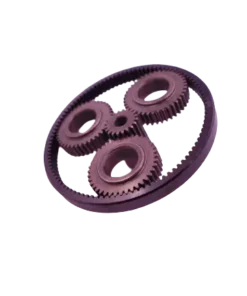
Manufacturer custom precision mechanical epicyclic gear trains for power tools
-
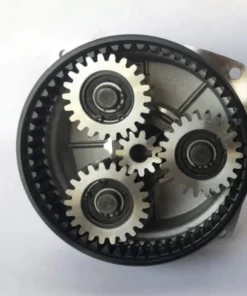
Powder metallurgy saves 80% cost of sun planet pinion custom metal mini epicyclic gear
-
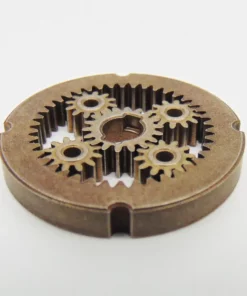
Powder metallurgy stainless steel planetary spur speed epicyclic gear for reduction gearbox
-
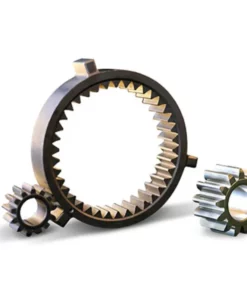
Powder metallurgy saves 80% cost of PM sintered metal mini epicyclic planetary reducer gear
-
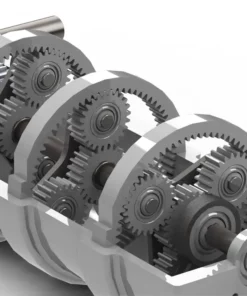
Powder metallurgy saves 80% cost of micro iron epicyclic custom planetary gear
-
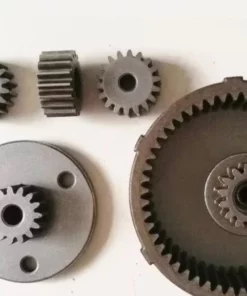
2022 Powdered metal Custom Press sintered planet Epicyclic Gearing for power tool
Ever-Power: Your Trusted Leader in Epicyclic Gearing Solutions
Ever-Power is a leading manufacturer and supplier specializing in epicyclic gearing, with a rich history of excellence in the mechanical engineering sector. Founded over a decade ago, Ever-Power has grown into a formidable player in the industry, leveraging advanced technology and skilled expertise to deliver high-quality gearing solutions. Our state-of-the-art facilities and commitment to research and development ensure that we remain at the forefront of innovation.
Our epicyclic gearing products are renowned for their compact design, high torque capacity, and efficiency. These systems feature a unique arrangement of sun, planet, and ring gears that allow for smooth power transmission while minimizing space requirements. Their versatility makes them suitable for a wide range of applications, including automotive transmissions, industrial machinery, robotics, and aerospace systems. The ability to achieve multiple gear ratios enhances their appeal in various demanding environments.
At Ever-Power, we pride ourselves on our expertise and influence in the epicyclic gearing domain. Our dedicated team of engineers works closely with clients to provide tailored solutions that meet their specific needs. We are committed to maintaining high standards of quality and reliability in all our products.
Customer satisfaction is at the core of our service philosophy. We offer comprehensive after-sales support, ensuring that clients receive the assistance they need for optimal performance. Our culture of continuous innovation drives us to enhance our product offerings and adapt to the evolving needs of the market, solidifying our position as a trusted leader in epicyclic gearing solutions.
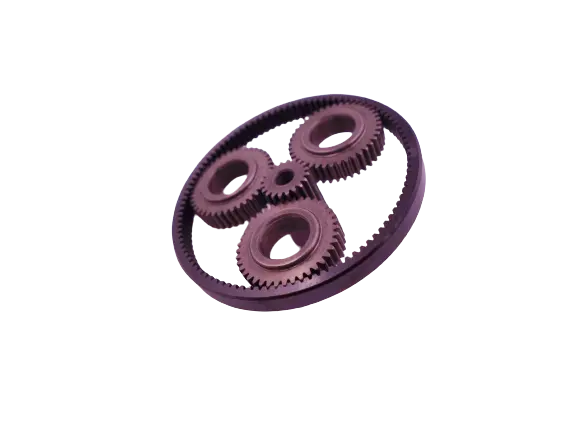
What is epicyclic gearing?
Epicyclic gearing, also known as planetary gearing, is a sophisticated gear system that consists of a central sun gear, one or more planet gears, and an outer ring gear. This arrangement allows the planet gears to orbit around the sun gear while simultaneously engaging with the ring gear. The design enables multiple gear ratios to be achieved in a compact space, making epicyclic gearing highly efficient and versatile.
One of the key features of epicyclic gearing is its ability to distribute load among several planet gears, which enhances torque capacity and durability. This design also results in lower backlash, providing greater precision and control in applications that require accurate positioning. Epicyclic systems are commonly used in various industries, including automotive, aerospace, and robotics, where they serve in automatic transmissions, propulsion systems, and robotic arms.
The advantages of epicyclic gearing include high mechanical efficiency, reduced weight, and the ability to handle both radial and axial loads effectively. This makes them ideal for applications with space constraints and high performance demands. Additionally, the configuration allows for quieter operation compared to traditional gear systems.
Epicyclic Gear vs. Traditional Gear Systems
| Feature | Epicyclic Gear Systems | Traditional Gear Systems |
|---|---|---|
| Design Complexity | More complex design with multiple gears (sun, planet, ring) | Simpler design with typically two or three gears |
| Size and Weight | Compact and lightweight due to space-efficient design | Often bulkier and heavier due to larger footprint |
| Torque Capacity | High torque capacity due to load distribution across multiple planet gears | Lower torque capacity, limited by individual gear size |
| Gear Ratios | Capable of achieving multiple gear ratios in a single assembly | Generally provides fixed gear ratios with fewer options |
| Efficiency | High efficiency (often above 90%) due to reduced friction | Varies widely; some systems may have lower efficiency |
| Backlash | Typically low backlash, providing better precision | Can have higher backlash, affecting precision |
| Maintenance | Generally low maintenance, less wear on components | May require more maintenance, depending on design |
| Load Handling | Can handle both radial and axial loads effectively | Primarily handles radial loads |
| Applications | Commonly used in robotics, automotive transmissions, and aerospace | Widely used in simple machines, gearboxes, and tools |
| Cost | Higher initial cost due to complexity | Often lower initial cost due to simpler design |
How does epicyclic gearing work?
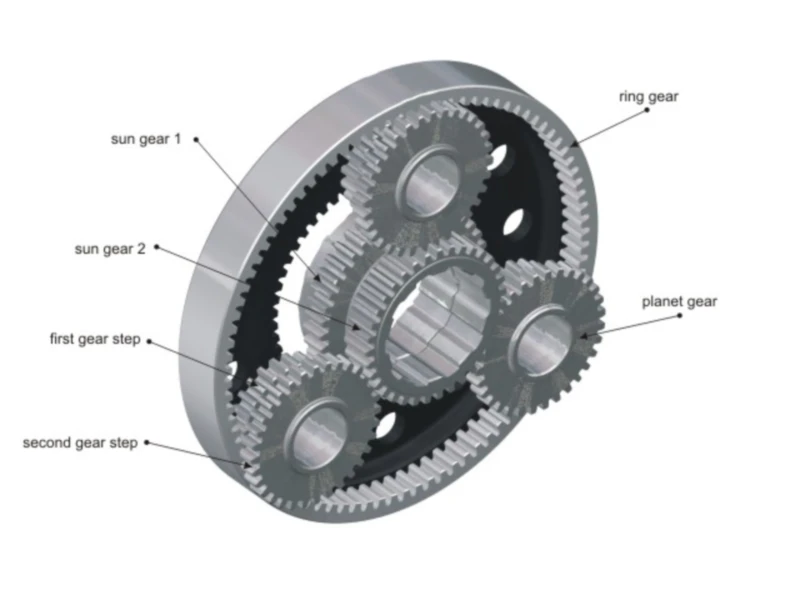
Epicyclic gearing, or planetary gearing, operates through a unique arrangement of gears that work together to provide various gear ratios in a compact design. At the heart of this system is the sun gear, which is centrally positioned. Surrounding the sun gear are one or more planet gears, which are mounted on a movable carrier. The outermost component is the ring gear, which has internal teeth that mesh with the planet gears.
When the sun gear is driven by an input source, it rotates, causing the planet gears to orbit around it while simultaneously rotating on their axes. This dual motion allows the planet gears to engage with both the sun gear and the ring gear. Depending on which component is held stationary or driven, different gear ratios can be achieved. For example, if the ring gear is fixed, the output is taken from the planet carrier, resulting in a reduction in speed and an increase in torque. Conversely, if the sun gear is stationary and the ring gear is driven, it results in a speed increase.
This unique working principle allows epicyclic gearing to distribute load evenly across multiple gears, enhancing torque capacity and durability while minimizing backlash. The result is a highly efficient and versatile system that is commonly used in applications ranging from automotive transmissions to industrial machinery, making it an essential element in modern mechanical design.
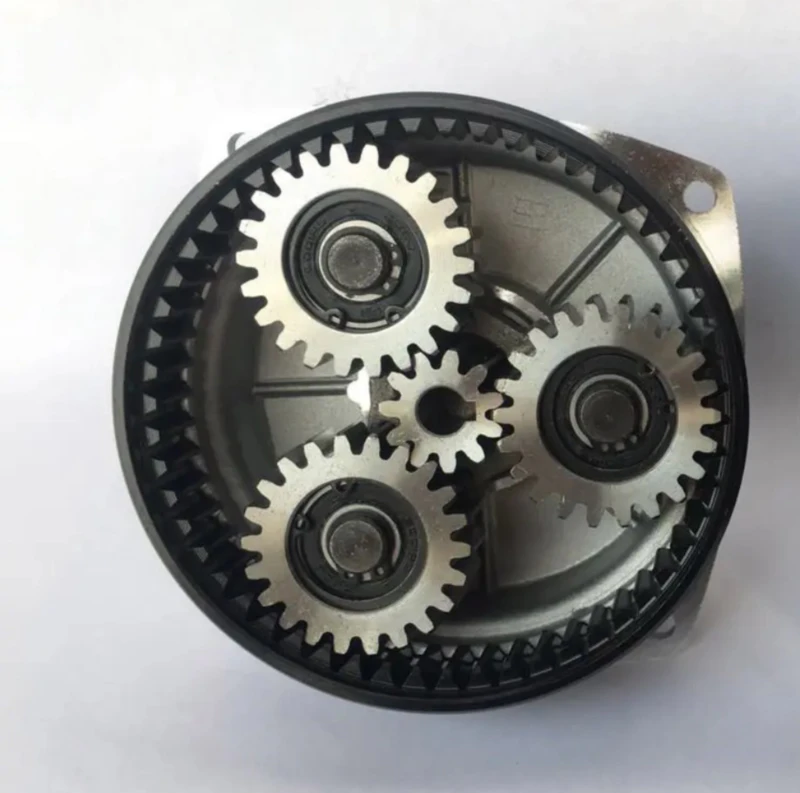
The main components of epicyclic gearing
1. Sun Gear:The central gear that drives the system. It is typically the input gear and provides the initial torque to the system.
2. Planet Gears: These smaller gears orbit around the sun gear. They are mounted on a movable carrier and engage with both the sun and ring gear, allowing for torque transmission and speed reduction or increase.
3. Ring Gear: An outer gear with internal teeth that mesh with the planet gears. The ring gear can be stationary or driven, depending on the desired output.
4. Planet Carrier: This component holds the planet’s gears in place and allows them to rotate. It serves as the output component when connected to a drive mechanism.
5. Bearings: Bearings support the rotating elements and reduce friction, ensuring smooth operation within the gearing system.
6. Input Shaft: The shaft connected to the sun gear transmits power to the system.
7. Output Shaft: The shaft connected to the planet carrier delivers the system’s final output.
Epicyclic Gear Motor
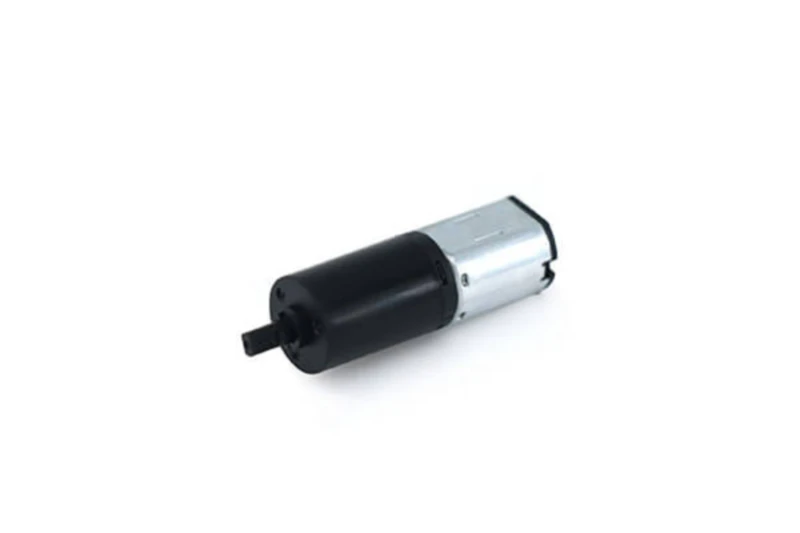
An epicyclic gear motor combines an electric motor with an epicyclic gearing system, offering a compact and efficient solution for various applications. The integration of the motor with the epicyclic gears allows for high torque output while maintaining a small form factor, making it ideal for space-constrained environments.
The epicyclic gear system consists of a central sun gear, planet gears, and a ring gear, which work together to provide multiple gear ratios. When the motor drives the sun gear, the planet gears orbit around it, transferring power to the ring gear or the planet carrier. This arrangement not only reduces the output speed but also increases torque, making it suitable for applications requiring significant force, such as in robotics, conveyor systems, and automotive drivetrains.
One of the key advantages of epicyclic gear motors is their efficiency. With high mechanical efficiency often exceeding 90%, they minimize energy losses, which is crucial in applications where power consumption is a concern. Additionally, the load is evenly distributed among the planet gears, enhancing durability and reducing wear.
These motors also exhibit low backlash, providing precise control, which is essential in applications requiring accurate positioning. Their versatility allows them to be used in a wide range of industries, from manufacturing to aerospace.
Advantages of Epicyclic Gears
1. Compact Design
- Space Efficiency: Their unique arrangement allows for high torque transmission within a smaller footprint, making them ideal for applications with limited space.
2. High Torque Capacity
- Load Distribution: The load is distributed across multiple planet gears, enabling epicyclic gears to handle high torque effectively without increasing size.
3. Versatile Gear Ratios
- Multiple Ratios: Epicyclic gearing can achieve various gear ratios within a single unit, providing flexibility for different speed and torque requirements.
4. Low Backlash
- Precision Control: These systems typically exhibit low backlash, which is essential for applications requiring high precision, such as robotics and aerospace.
5. Increased Efficiency
- Minimal Energy Loss: With efficiencies often exceeding 90%, epicyclic gears minimize energy loss, making them energy-efficient options for power transmission.
6. Durability and Reliability
- Robust Construction: The design inherently reduces wear and extends the lifespan of components, contributing to overall reliability in demanding applications.
7. Ability to Handle Radial and Axial Loads
- Versatile Load Handling: Epicyclic gears can manage both radial and axial loads, making them suitable for various applications, including automotive and industrial machinery.
8. Enhanced Stability
- Reduced Vibration: The balanced design helps minimize vibrations during operation, contributing to smoother performance and reduced wear.
https://img.jiansujichilun.com/cy-07.24/Images/epicyclic-gear/ep-epicyclic-gear-6.webp
9. Simplicity of Design
- Fewer Components: Compared to traditional gear systems, epicyclic gears often have fewer components, leading to easier assembly and maintenance.
10. Adaptability
- Customization Options: Epicyclic gearing systems can be easily adapted and customized for specific applications, allowing for tailored solutions.
How to choose the right epicyclic gearing system
1. Application Requirements: Assess the specific needs of your application, including torque, speed, and load capacity. Understanding the operational conditions helps determine the appropriate gear ratios and configurations.
2. Gear Ratio: Determine the required gear ratio based on the desired output speed and torque. Epicyclic gearing can provide various ratios, so select one that balances speed and torque for your application.
3. Size and Weight Constraints: Consider the available space for installation. Epicyclic systems are compact, but you should ensure the selected unit fits within your design parameters without compromising performance.
4. Efficiency: Look for gear systems with high mechanical efficiency to minimize energy loss. This is especially important in applications where power consumption is critical.
5. Durability and Material: Evaluate the materials used in the gearing system. High-quality materials can enhance durability and wear resistance, extending the lifespan of the system.
6. Backlash: Low backlash is crucial for applications requiring precise control. Ensure the system you choose meets the necessary backlash specifications for your needs.
7. Mounting and Integration: Consider how the gear system will be mounted and integrated with other components. Ensure compatibility with your motor and other mechanical parts.
8. Cost Considerations: Analyze the cost versus performance trade-offs. While higher-quality systems may have a higher upfront cost, they often provide better reliability and efficiency in the long run.
9. Manufacturer Reputation: Choose a reputable manufacturer known for quality and support. Research customer reviews and technical support options.
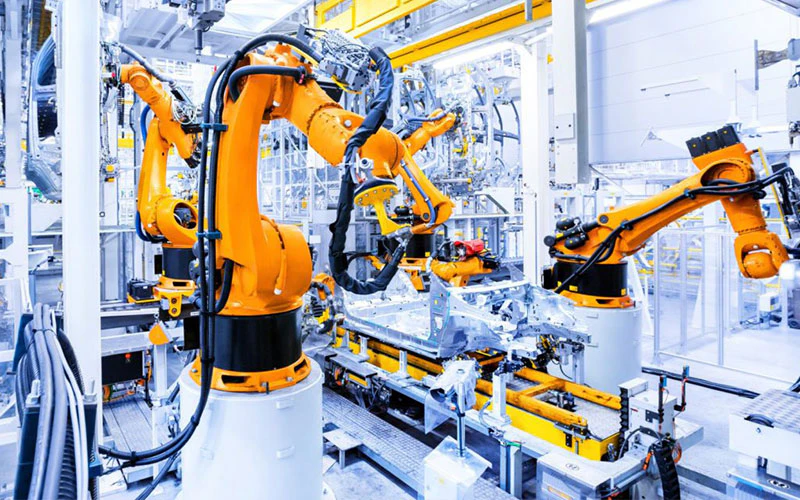
Epicyclic Gear Assemblies for Robotics
Epicyclic gear assemblies play a crucial role in robotics, providing efficient power transmission and precise control in various robotic applications. Here’s an overview of their significance and benefits in this field:
1. Compact Design
Epicyclic gear assemblies are known for their compact size, making them ideal for robotic systems where space is often limited. This allows robots to maintain a lightweight profile while still achieving high torque output.
2. High Torque Density
The unique arrangement of sun, planet, and ring gears allows for a significant increase in torque output relative to the size of the gear assembly. This is particularly beneficial in robotics, where tasks may require overcoming substantial resistance or load.
3. Multiple Gear Ratios
Epicyclic gear assemblies can provide various gear ratios, allowing robots to adapt to different operational needs. This versatility is essential in applications like robotic arms, where varying speeds and torques are needed for different tasks.
4. Low Backlash
Precision is vital in robotics, and epicyclic gear assemblies typically exhibit low backlash, ensuring accurate movement and positioning. This characteristic is crucial for tasks that require fine manipulation and control.
5. Durability and Reliability
These assemblies distribute load evenly across multiple planet gears, which enhances durability and reduces wear. This reliability is essential for robots operating in demanding environments, ensuring consistent performance over time.
6. Applications in Robotics
Epicyclic gear assemblies are widely used in various robotic applications, including:
- Robotic Arms: For precise movement and manipulation.
- Mobile Robots: To provide efficient drive systems with high torque.
- Industrial Automation: In tasks like assembly, welding, and painting where precision and control are paramount.
Epicyclic Gear Efficiency Ratings
Epicyclic gears, also known as planetary gears, are known for their high efficiency, which is a crucial factor in many applications where power transmission is required. Here’s an overview of the efficiency ratings and factors influencing them:
1. Typical Efficiency Range
- Efficiency Ratings: Epicyclic gear systems typically exhibit efficiency ratings between 85% to 98%, depending on various design and operational factors.
- Factors Influencing Efficiency: The actual efficiency can be influenced by gear design, materials, lubrication, and load conditions.
2. Components Impacting Efficiency
- Gear Design: The arrangement of the sun, planet, and ring gears plays a significant role. Optimized designs minimize friction and wear.
- Bearing Quality: High-quality bearings reduce frictional losses, contributing to overall efficiency.
- Lubrication: Proper lubrication is vital. Oil types, viscosity, and application methods can affect friction levels and, consequently, efficiency.
- Material Selection: Using lightweight, durable materials can reduce inertia and friction, improving efficiency.
3. Load Conditions
- Light Load vs. Heavy Load: Efficiency can vary with load conditions. Generally, epicyclic gears operate more efficiently under load, as they are designed to distribute forces evenly across multiple planet gears.
- Dynamic vs. Static Conditions: Efficiency ratings may differ when comparing dynamic operations (where gears are actively engaged) to static conditions (when gears are stationary).
4. Comparison with Other Gear Systems
- Higher Efficiency: Epicyclic gears often outperform traditional gear systems, which may have efficiency ratings ranging from 75% to 90%. The compact design and load distribution of epicyclic gears contribute to their superior efficiency.
5. Practical Implications
- Energy Savings: High efficiency translates to reduced energy consumption, which is particularly important in applications like automotive transmissions, robotics, and industrial machinery.
- Heat Generation: Improved efficiency leads to lower heat generation, reducing wear and prolonging the lifespan of the gear system.
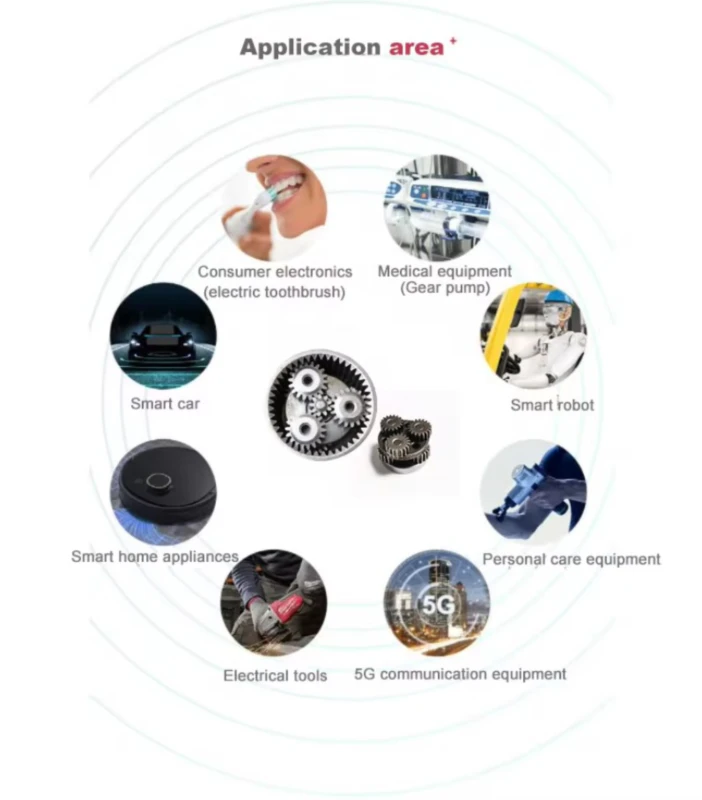
Application areas of epicyclic gearing
1. Automotive Industry
- Automatic Transmissions: Epicyclic gears are commonly used in automatic gearboxes, enabling smooth shifting and efficient power transmission.
- Hybrid and Electric Vehicles: They help optimize motor performance and enhance energy efficiency.
2. Robotics
- Robotic Arms: Used for precise movement and control, allowing for accurate positioning in tasks such as assembly and welding.
- Mobile Robots: Provide high torque in compact sizes, essential for mobility and maneuverability.
3. Aerospace
- Flight Control Systems: Used in actuators and mechanisms for controlling flight surfaces, where precision and reliability are crucial.
- Landing Gear Systems: Provide the necessary torque and space efficiency for retractable landing gear.
4. Industrial Machinery
- Conveyor Systems: Facilitate smooth and efficient operation in material handling and manufacturing processes.
- Cranes and Hoists: Used in lifting mechanisms to provide high torque while minimizing space requirements.
5. Marine Applications
- Propulsion Systems: Used in marine engines and thrusters, offering high efficiency and durability in harsh environments.
6. Renewable Energy
- Wind Turbines: Employed in the gearbox systems of wind turbines to optimize energy conversion from wind to electrical power.
7. Medical Equipment
- Surgical Robots: Provide precise movement and control, enhancing the capabilities of minimally invasive surgeries.
8. Home Appliances
- Washing Machines and Dishwashers: Used in drive systems to achieve different speed and torque settings for effective operation.
9. Heavy Equipment
- Construction Machinery: Used in equipment like excavators and bulldozers, where high torque and compact design are essential for functionality.
Best Practices for Epicyclic Gear Maintenance
Maintaining epicyclic gears is crucial to ensure their longevity, efficiency, and optimal performance. Here are some best practices for effective maintenance:
1. Regular Inspections
- Visual Checks: Regularly inspect for signs of wear, damage, or misalignment. Look for unusual noises during operation, which could indicate underlying issues.
- Alignment: Ensure that the gears are properly aligned. Misalignment can lead to increased wear and reduced efficiency.
2. Lubrication
- Appropriate Lubricant: Use the recommended lubricant type and viscosity to reduce friction and wear. Ensure that the lubricant is suitable for high-load applications typical in epicyclic gear systems.
- Regular Changes: Schedule regular oil changes based on operating conditions and manufacturer recommendations. Contaminated or degraded oil can significantly affect performance.
- Lubrication System Maintenance: If using a centralized lubrication system, ensure it’s functioning correctly and distributing oil effectively.
3. Temperature Monitoring
- Temperature Checks: Regularly monitor the operating temperature. Excessive heat can indicate problems such as inadequate lubrication or excessive friction.
- Cooling Systems: If applicable, ensure that cooling systems are operating efficiently to prevent overheating.
4. Load Management
- Avoid Overloading: Operate within the specified load limits to prevent excessive stress on the gears. Overloading can lead to premature failure.
- Dynamic Load Analysis: Evaluate the dynamic loads the gear system will experience during operation, especially in variable load applications.
5. Vibration Analysis
- Monitoring: Implement vibration analysis techniques to detect early signs of gear failure or imbalance. Anomalies in vibration patterns can indicate misalignment, wear, or other issues.
- Data Logging: Maintain records of vibration data over time to identify trends and potential problems.
6. Dust and Contamination Prevention
- Sealing: Ensure that seals are intact and effective in preventing dust and contaminants from entering the gear system.
- Cleaning Procedures: Regularly clean the surrounding area to minimize contamination risks. Avoid using harsh chemicals that could damage components.
7. Replacement of Worn Parts
- Timely Replacements: Replace worn or damaged components promptly to prevent further damage to the gear system.
- Use Genuine Parts: When replacing parts, use original manufacturer components to ensure compatibility and performance.
8. Documentation and Records
- Maintenance Log: Keep a detailed maintenance log, documenting inspections, lubrication, replacements, and any issues encountered. This can help in identifying patterns and planning future maintenance.
9. Training and Knowledge
- Staff Training: Ensure that personnel involved in maintenance are trained and knowledgeable about the specific requirements of epicyclic gear systems.
- Manufacturer Guidelines: Familiarize yourself with the manufacturer’s maintenance recommendations and best practices for specific gear models.
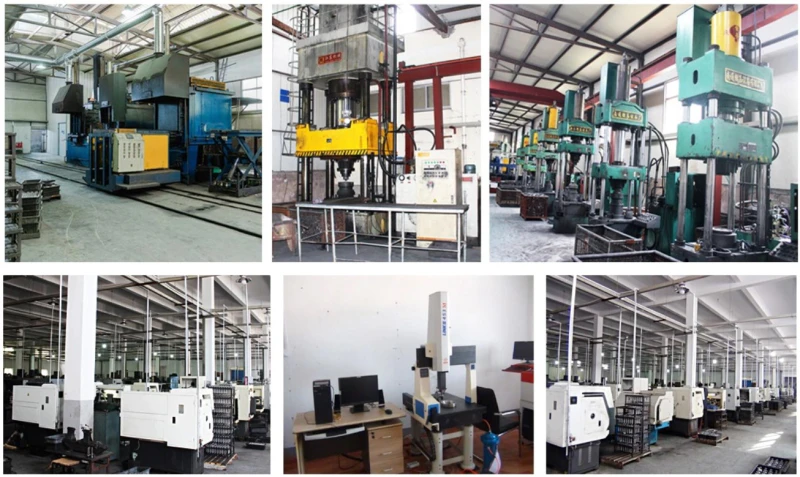
Factory:
Edited by Czh