
Epicyclic Drive
Discover our range of micro epicyclic drives, designed for efficiency and reliability in demanding industrial applications. Explore technical specs, benefits, and how our epicyclic drives can optimize your operations. Contact us today for expert advice and tailored solutions.
Product Catalog
-
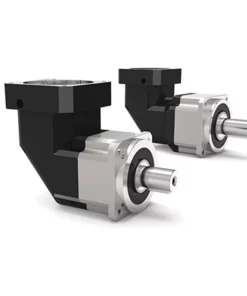
Precision Planetary Gearbox Transmission Speed Reducer High-Quality Cycloidal Small Reducer Drive Power
-
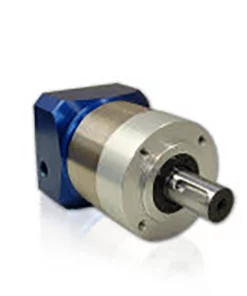
Planetary Winch Drive Slew Gear Housing Reducer Gearbox Small Wind Turbine Hollow Shaft High Torque Motors Bevel 2 Speed Multi Stage Inline Epicyclic Hydraulic
-
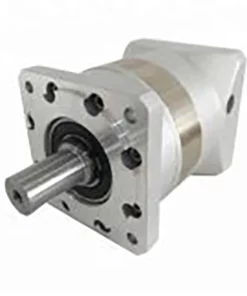
Planetary Reduction Drive Servo Gearbox Single Gear Set Sun Epicyclic Reduction Micro Motor Epicyclic Two Stage Single Precision Bevel Stainless Steel
-
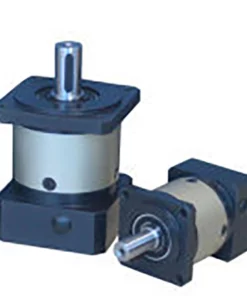
Planetary Winch Drive Slew Gear Reducer Gear Housing Unit Wind Turbine Hollow Shaft High Torque 2 Speed Epicyclic Stainless Steel Multi-Stage Helical Gearbox
-
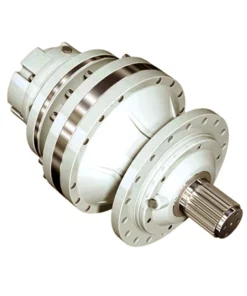
Slew Drive Gear Hollow Shaft High Torque Bevel Plastic Small Hydraulic Wind Turbine NEMA Planetary Multi Stage Reducer Reduction Gearbox
-
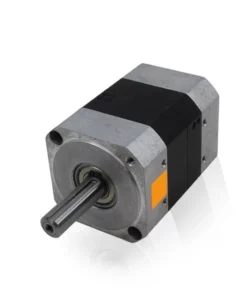
Transmission Gearhead Gear Motor Winch Wheel Drive Speed Precision Reducer Reduction Epicyclic Inline Planetary Gearbox Industrial
Ever-Power: Your Premier Source for Innovative Epicyclic Drives
Ever-Power has established itself as a leading manufacturer and supplier of high-quality Epicyclic Drives, with a rich history spanning over two decades. Our extensive experience and commitment to excellence have allowed us to grow into a sizable enterprise known for its technological prowess and innovative solutions. At Ever-Power, we leverage advanced manufacturing techniques and state-of-the-art equipment to produce Epicyclic Drives that meet the highest industry standards.
Our Epicyclic Drives are renowned for their compact design, high efficiency, and exceptional torque capacity. These systems distribute loads evenly across multiple gears, resulting in smoother operation and reduced noise levels. Their versatility in achieving a wide range of gear ratios makes them suitable for various applications, from automotive and aerospace to robotics and industrial machinery. Customers trust Ever-Power for their ability to deliver tailored solutions that optimize performance while minimizing space requirements.
Ever-Power’s expertise in the Epicyclic Drive sector sets us apart as a trusted partner. We pride ourselves on our commitment to quality, and our products have gained a strong reputation in the market. Our dedicated customer support team ensures that clients receive comprehensive assistance throughout their experience with us, from initial consultation to post-sale support.
Innovation is at the core of Ever-Power’s philosophy. We continually invest in research and development to enhance our product offerings and stay ahead of industry trends. With a focus on quality, reliability, and customer satisfaction, Ever-Power is your go-to source for Epicyclic Drives that drive efficiency and performance in your applications.
Epicyclic Drive VS Traditional Gear Systems
| Feature | Epicyclic Drive | Traditional Gear Systems |
|---|---|---|
| Design Compactness | Compact design allows for high torque in a small footprint. | Typically larger and bulkier, requiring more space. |
| Torque Distribution | Load is distributed across multiple gears, enhancing durability. | Load is concentrated on a single gear, increasing wear. |
| Gear Ratio Flexibility | Can achieve a wide range of gear ratios in one assembly. | Requires multiple gear sets to achieve similar ratios. |
| Efficiency | High mechanical efficiency, often exceeding 90%. | Varies widely, usually lower than epicyclic systems. |
| Smooth Operation | Provides smoother power transmission due to design. | May experience more vibration and noise. |
| Noise Levels | Generally operates at lower noise levels. | Can be noisier, especially under heavy loads. |
| Integration Ease | Easily integrated into compact systems and machinery. | May require more complex installation due to size. |
| Versatility | Suitable for various applications, including robotics, automotive, and aerospace. | Primarily suited for specific applications based on design. |
| Maintenance Requirements | Often requires less maintenance due to even load distribution. | May need more frequent maintenance and part replacements. |
| Customization | Highly customizable for specific applications. | Limited customization options compared to epicyclic systems. |

What is an epicyclic drive?
An epicyclic drive, commonly known as a planetary drive, is a type of gear system characterized by its unique arrangement of gears that rotate around a central gear, known as the sun gear. This design consists of three main components: the sun gear, planetary gears, and the ring gear. The planetary gears are mounted on a movable arm called the carrier, allowing them to orbit around the sun gear while simultaneously rotating on their own axes.
One of the defining features of epicyclic drives is their ability to achieve high torque output in a compact form factor. The arrangement of multiple gears allows for the distribution of load across several surfaces, enhancing durability and efficiency. This makes epicyclic drives particularly suitable for applications requiring high power in limited spaces, such as in automotive transmissions, robotics, and industrial machinery.
Epicyclic drives can also provide a wide range of gear ratios within a single assembly, making them highly versatile. They can efficiently handle changes in speed and torque, which is crucial for various mechanical systems. Additionally, they tend to operate more quietly and smoothly compared to traditional gear systems, further enhancing their appeal.
How epicyclic drives work
The working principle of an epicyclic drive, or planetary gear system, revolves around the interaction of three main components: the sun gear, planetary gears, and the ring gear. The sun gear, located at the center, is driven by an input shaft, generating motion. Surrounding the sun gear are the planetary gears, which are mounted on a carrier that can rotate. The ring gear encircles the planetary gears and features internal teeth that mesh with the planetary gears.
When the sun gear rotates, it causes the planetary gears to engage with it and rotate around it while simultaneously spinning on their own axes. As the planetary gears turn, they also rotate against the inner teeth of the ring gear. Depending on which component is held stationary or acted upon, different output speeds and torque can be achieved. For instance, if the ring gear is fixed, the carrier will rotate at a speed that is a function of the sun gear’s rotation and the number of teeth on each gear.
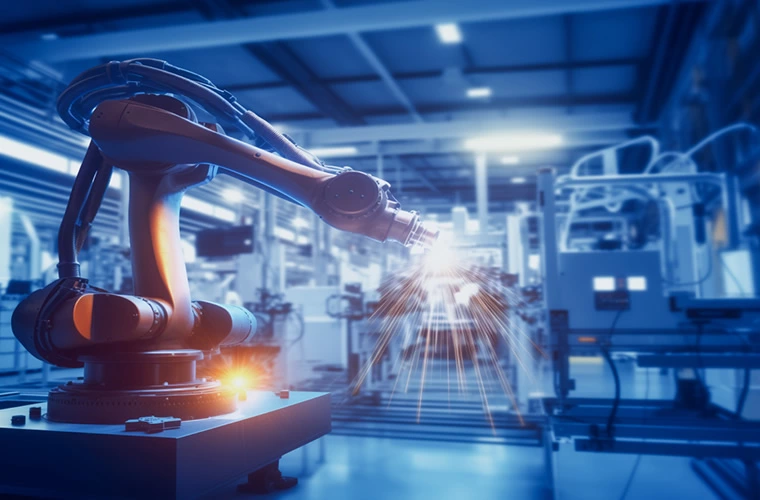
Applications of Epicyclic Drive in Robotics
Epicyclic drives, or planetary gear systems, are integral to many robotic applications due to their unique design and performance characteristics. Here are some key applications:
1. Robotic Arms
Epicyclic drives are commonly used in robotic arms, where precise control of motion is essential. Their ability to provide high torque in a compact space allows robotic arms to perform tasks like welding, assembly, and material handling efficiently.
2. Autonomous Mobile Robots
In autonomous mobile robots, epicyclic drives enable smooth and controlled movements. Their compact design helps maintain the robot’s low center of gravity, enhancing stability and maneuverability in various environments.
3. Humanoid Robots
Humanoid robots often utilize epicyclic drives in their joints. The ability to achieve high torque while minimizing weight is crucial for maintaining balance and fluid motion, making them suitable for applications in research and entertainment.
4. Drone Systems
Epicyclic drives are used in drone propulsion systems to achieve efficient power transmission. They help optimize the drone’s performance by allowing for varying speeds and torque, essential for flight stability and maneuverability.
5. Industrial Robots
In industrial automation, epicyclic drives provide the necessary precision and power for tasks such as pick-and-place operations, palletizing, and packaging. Their reliability and efficiency contribute to higher productivity in manufacturing processes.
6. Exoskeletons
Robotic exoskeletons use epicyclic drives to assist users in walking or lifting heavy objects. The drives help translate human movement into mechanical assistance, providing support while maintaining a natural range of motion.
7. Telepresence Robots
Epicyclic drives in telepresence robots allow for precise navigation and control. This application is critical for remote communication and collaboration, particularly in healthcare and corporate environments.
8. Robotics in Agriculture
In agricultural robotics, epicyclic drives facilitate the operation of autonomous tractors and harvesters. Their ability to handle heavy loads and adapt to varying terrain enhances efficiency in farming operations.
9. Medical Robotics
Epicyclic drives are integral to surgical robots, where precision and reliability are paramount. They enable delicate movements required in minimally invasive surgeries, improving patient outcomes.
10. Collaborative Robots (Cobots)
In collaborative robotics, epicyclic drives provide the necessary force and control for safe interaction with human operators. Their design allows for smooth and responsive movements, essential for shared workspaces.

Epicyclic Drive Efficiency Ratings
Epicyclic Drive Efficiency Ratings
Epicyclic drives, also known as planetary gear systems, are renowned for their high efficiency, making them a preferred choice in various applications. Here’s a breakdown of their efficiency ratings and factors affecting performance:
1. General Efficiency Range
Epicyclic drives typically achieve efficiency ratings between 90% and 98%. This high efficiency is primarily due to their unique gear arrangement, which allows for load distribution across multiple gears, reducing friction and wear.
2. Factors Influencing Efficiency
Several factors can impact the efficiency of epicyclic drives:
Gear Design: The design and materials used for the gears play a crucial role. Precision manufacturing and high-quality materials can significantly reduce losses due to friction.
Lubrication: Proper lubrication is essential for minimizing friction between the gears. Advanced lubricants can enhance performance and extend the lifespan of the drive.
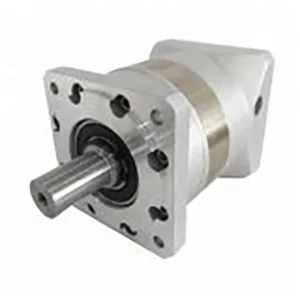
Load Conditions: The operating load affects efficiency. Epicyclic drives are most efficient under optimal load conditions, while excessive loads can lead to increased friction and reduced performance.
Speed of Operation: The speed at which the drive operates can also influence efficiency. Higher speeds may result in increased losses due to heat generation, so finding the optimal speed is essential.
3. Comparative Efficiency
When compared to traditional gear systems, epicyclic drives generally offer superior efficiency. While traditional systems may have efficiencies ranging from 70% to 85%, epicyclic drives excel due to their design that minimizes energy losses.
4. Application-Specific Ratings
Efficiency ratings can vary based on application:
Automotive Transmissions: In automotive applications, epicyclic drives are utilized in automatic transmissions, where they provide smooth gear shifting with high efficiency, contributing to better fuel economy.
Robotics and Automation: In robotics, efficiency is critical for power conservation. High-efficiency epicyclic drives help extend operational time and reduce energy consumption in robotic systems.
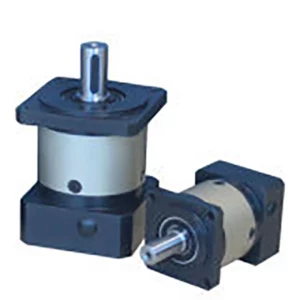
Industrial Machinery: For industrial applications, the efficiency of epicyclic drives translates to reduced operating costs and improved productivity, as less energy is wasted in power transmission.
5. Future Innovations
Ongoing research and development in gear technology aim to further enhance the efficiency of epicyclic drives. Innovations such as improved materials, advanced manufacturing techniques, and enhanced lubrication methods are expected to yield even higher efficiency ratings.
How Epicyclic Drives Work in Automotive Transmissions
Epicyclic drives, or planetary gear systems, play a crucial role in automotive transmissions, particularly in automatic and continuously variable transmissions (CVTs). Their unique design and functionality enable efficient power transfer and smooth gear shifts. Here’s how they work:
1. Components of the Epicyclic Drive
An epicyclic drive consists of three main components:
Sun Gear: The central gear that receives input from the engine.
Planetary Gears: Multiple gears that revolve around the sun gear, mounted on a rotating carrier.
Ring Gear: An outer gear that meshes with the planetary gears, featuring internal teeth.
2. Gear Arrangement
In a typical epicyclic drive, the sun gear is connected to the engine, while the ring gear can be held stationary, rotated, or driven by another power source. The planetary gears rotate around the sun gear while also spinning on their own axes.
3. Gear Ratio Variability
The arrangement allows for multiple gear ratios to be achieved within a single assembly. By locking or releasing different components (the sun gear, ring gear, or carrier), the transmission can select various gear ratios. For instance:
Low Gear: The sun gear drives the planetary gears while the ring gear is fixed, resulting in a high torque output suitable for starting from a stop.
High Gear: The ring gear may be driven, allowing the vehicle to reach higher speeds with lower engine RPM, optimizing fuel efficiency.
4. Smooth Gear Shifting
Epicyclic drives enable seamless gear changes without noticeable shifts, which is a hallmark of automatic transmissions. As the vehicle accelerates, the system can continuously adjust the gear ratio, ensuring optimal performance and smooth driving experiences.
5. Efficiency Advantages
Epicyclic drives are highly efficient, often exceeding 90% efficiency. Their ability to distribute loads across multiple gears reduces wear and heat generation, contributing to longer transmission life and improved fuel economy.
6. Control Systems
Modern automotive transmissions equipped with epicyclic drives often utilize advanced electronic control systems. These systems monitor vehicle speed, engine load, and driver input to optimize gear selection and shift timing, enhancing overall performance.
7. Applications Beyond Standard Vehicles
Epicyclic drives are not limited to conventional automobiles. They are also utilized in hybrid and electric vehicles, where their efficiency and compactness make them ideal for energy management and performance.

Unique features of planetary transmission
1. Compact Design
Planetary transmissions are designed to be compact and lightweight. Their arrangement of gears allows for high torque transmission in a smaller footprint, making them ideal for applications where space is limited.
2. High Torque Density
These systems are capable of delivering high torque output relative to their size. The load is distributed across multiple planetary gears, which enhances durability and allows for effective handling of high power levels.
3. Multiple Gear Ratios
A single planetary gear assembly can provide multiple gear ratios. By varying which component (sun gear, ring gear, or carrier) is driven or held stationary, the system can seamlessly shift between different ratios without the need for multiple separate gear sets.
4. Smooth Operation
Planetary transmissions offer smooth and continuous gear shifts. This is especially advantageous in automatic transmissions, where the transition between gears is virtually unnoticeable, leading to a more comfortable driving experience.
5. Efficiency
These systems typically exhibit high mechanical efficiency, often exceeding 90%. The design minimizes energy losses due to friction, which is crucial in applications like automotive transmissions, where fuel efficiency is essential.
6. Load Distribution
The load in a planetary system is shared among multiple gears, which reduces stress on individual components. This characteristic leads to lower wear rates and longer service life compared to traditional gear systems that concentrate loads on single gears.
7. Versatility
Planetary transmissions are versatile and can be adapted for various applications, including automotive, robotics, aerospace, and industrial machinery. They can be configured for different operating conditions and performance requirements.
8. Enhanced Control
With modern electronic control systems, planetary transmissions can optimize performance based on real-time data, such as vehicle speed and engine load. This enables adaptive shifting strategies that enhance both efficiency and responsiveness.
9. Reverse Functionality
Many planetary transmissions can easily switch between forward and reverse motions by altering the direction of the driving component. This feature is particularly useful in applications such as vehicles and industrial machinery.
10. Integration with Electric Drives
In hybrid and electric vehicles, planetary transmissions can be integrated with electric motors, allowing for efficient power management and regeneration capabilities, further enhancing the overall efficiency of the drivetrain.
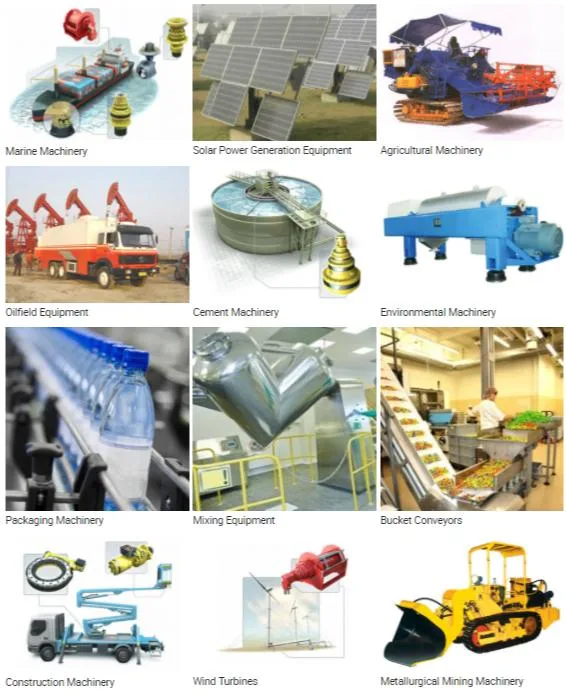
Application areas of epicyclic drives
Epicyclic drives, or planetary gear systems, are highly versatile and find applications across a variety of industries due to their compact design, high efficiency, and ability to provide multiple gear ratios. Here are some key application areas:
1. Automotive Industry
Automatic Transmissions: Widely used in cars, providing smooth gear shifts and efficient power transfer.
Hybrid and Electric Vehicles: Optimize energy usage and enhance performance through effective power management.
2. Robotics
Robotic Arms: Used for precise control and high torque in industrial and service robots.
Mobile Robots: Enable smooth navigation and movement in autonomous systems.
3. Aerospace
Aircraft Systems: Employed in landing gear mechanisms and flight control systems, where weight savings and reliability are critical.
Spacecraft: Utilized in mechanisms for satellite positioning and attitude control.
4. Industrial Machinery
Conveyor Systems: Improve efficiency in material handling by providing high torque and variable speed options.
Packaging Machines: Used in applications requiring precise control over speed and torque.
5. Medical Devices
Surgical Robots: Provide precise motion control for minimally invasive procedures, enhancing surgical accuracy.
Prosthetics: Used in advanced prosthetic devices to allow for natural movement and responsiveness.
6. Marine Applications
Propulsion Systems: Implemented in marine gearboxes for boats and ships, delivering efficient power transfer in compact designs.
7. Renewable Energy
Wind Turbines: Employed in gearboxes to convert rotational energy from blades into electrical power efficiently.
Hydroelectric Systems: Used in turbines for effective energy conversion and management.
8. Consumer Electronics
Electric Tools: Found in various power tools for adjustable torque and speed control.
Bicycles: Used in gear systems for smooth shifting and enhanced performance.
9. Construction Equipment
Excavators and Cranes: Provide high torque and load handling capabilities, essential for lifting heavy materials.
10. Telecommunications
Robotic Process Automation (RPA): Used in automated systems for telecommunication equipment, enabling precise and reliable operation.
Maintenance and care of epicyclic drives
Maintaining epicyclic drives is essential to ensure their longevity and optimal performance. Here are key practices for the maintenance and care of these systems:
1. Regular Inspection
Visual Checks: Frequently inspect the drive for any signs of wear, damage, or leakage. Look for cracks in the housing, unusual wear on gears, or any abnormal noises during operation.
Gear Condition: Monitor the condition of the gears and bearings. Any signs of pitting, scoring, or discoloration should be addressed promptly.
2. Lubrication
Proper Lubrication: Ensure that the gears are adequately lubricated with the recommended oil or grease. Proper lubrication reduces friction and heat, preventing premature wear.
Lubricant Quality: Use high-quality lubricants suitable for the operational environment. Check for contamination and change the lubricant as per manufacturer guidelines.
3. Temperature Monitoring
Heat Management: Regularly monitor the operating temperature of the epicyclic drive. Excessive heat can indicate problems, such as inadequate lubrication or excessive load.
Cooling Systems: If applicable, ensure that any cooling systems are functioning correctly to maintain optimal operating temperatures.
4. Load Management
Avoid Overloading: Ensure that the epicyclic drive is not subjected to loads beyond its rated capacity. Overloading can lead to accelerated wear and potential failure.
Proper Sizing: Select the right size and capacity of the epicyclic drive for the specific application to prevent undue stress.
5. Alignment Checks
Proper Alignment: Ensure that the drive is correctly aligned with connected components. Misalignment can lead to uneven wear and increased friction.
Adjustment: Make necessary adjustments to maintain alignment during installation and throughout the drive’s operational life.
6. Vibration Monitoring
Vibration Analysis: Regularly perform vibration analysis to detect any unusual patterns that may indicate wear or misalignment.
Balancing: Ensure that rotating parts are balanced to minimize vibrations, which can contribute to wear and noise.
7. Dust and Contaminant Control
Sealing: Check seals and gaskets regularly to prevent dust and contaminants from entering the drive. Contamination can significantly reduce performance and lifespan.
Cleaning: Keep the external surfaces of the drive clean. Use appropriate cleaning methods to avoid damaging components.
8. Scheduled Maintenance
Preventive Maintenance Program: Establish a routine maintenance schedule based on manufacturer recommendations and operational conditions.
Documentation: Maintain records of inspections, maintenance activities, and any repairs performed to track the health of the drive.
9. Professional Servicing
Expert Inspection: Consider having a qualified technician periodically inspect and service the epicyclic drive, especially in critical applications where reliability is paramount.
Repairs and Overhauls: Address any identified issues promptly and consider overhauling the system if significant wear is detected.
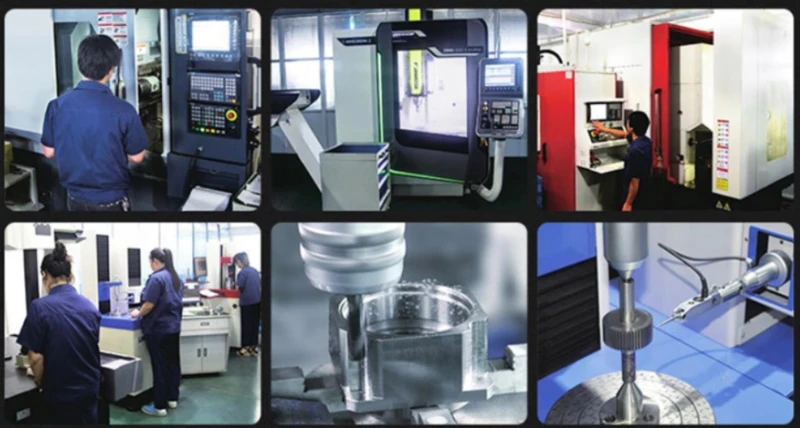
Factory:
Edited by Czh