
Milling Machine
HIGH QUALITY PRECISE MANUFACTURER &SUPPLIER
Ever-Power: Your Premier Partner for Precision CNC Milling Solutions
Ever-Power is a leading manufacturer and supplier specializing in CNC milling machines, with a rich history spanning over two decades. Founded in [Year], the company has grown significantly in scale and reputation, establishing state-of-the-art facilities that utilize advanced technology and precision engineering. Our commitment to excellence has positioned Ever-Power as a trusted name in the industry, known for delivering high-quality milling solutions.
Our CNC milling machines are designed with cutting-edge features that ensure exceptional precision and efficiency. Equipped with robust tooling systems and advanced control software, our machines provide unmatched versatility in processing a wide range of materials, including metals, plastics, and composites. The high-speed capabilities and repeatability of our milling machines make them ideal for various applications, from aerospace and automotive manufacturing to medical device production and electronics.
Ever-Power’s expertise in the milling sector is unmatched, reflecting our dedication to innovation and quality. We continuously invest in research and development to enhance our product offerings, ensuring we remain at the forefront of technological advancements in milling. Our strong market presence and positive customer feedback attest to our impact in the industry.
At Ever-Power, we prioritize customer satisfaction through exceptional service and support. Our dedicated team provides comprehensive after-sales assistance, including installation, maintenance, and training. We believe in fostering long-term relationships with our clients, enabling us to respond swiftly to their evolving needs. With a focus on continuous improvement and innovation, Ever-Power is committed to delivering solutions that empower our customers to succeed in their milling applications.
Product Catalog
-
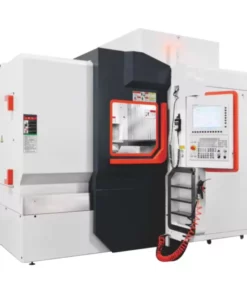
Factory price CNC Parallel Double Spindle Dual Power Tool Turret Turning Milling Lathe Machine with Twin Tailstock for Sale
-
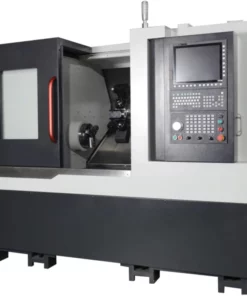
Dual Spindle CNC Turning And Milling Machine LK-200MSY With Interpolated Y-Axis For Metal Processing
-
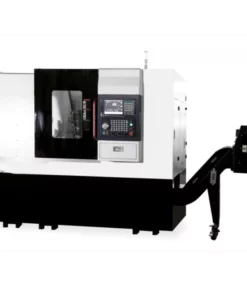
High-Performance Leichman CNC Lathe Machine CK108MY With Interpolated Y-Axis For Metal Turning Milling Drilling Engraving
-
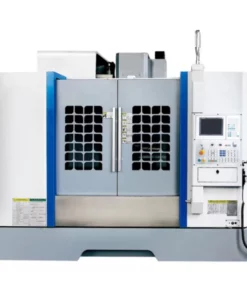
High Rigidity Vertical Machining Center VMC640 With 800*300 Table Size For Turning Milling Drilling Tapping
-
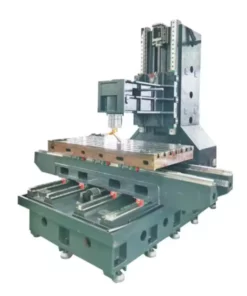
High Stability Powerful Vertical Machining Center VMC640 With 12 Pieces Bamboo Hat For Turning Milling Drilling Tapping
-
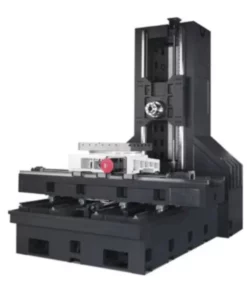
High-Performance Vertical Machining Center VMC640 With High Rigidity Spindle For Turning Milling Drilling Tapping
What is machines milling?
Milling machines are widely used in metal processing and manufacturing. They mainly use rotating tools to cut workpieces. Its working principle is that the tool is fixed on the spindle, the workpiece moves on the worktable, and the tool cuts the material by high-speed rotation to form the desired shape and size.
There are many types of milling machines, including vertical milling machines, horizontal milling machines and CNC milling machines. Among them, CNC milling machines use computers to control the movement of the tool, which can achieve high-precision and complex shape processing and are suitable for mass production.
Through advanced technologies and tools, milling machines can meet different production needs and provide high-quality processing solutions. With the rise of intelligent manufacturing, modern milling machines continue to innovate and integrate automation and data functions to improve production efficiency and flexibility. In general, milling machines are an indispensable and important equipment in modern manufacturing, helping various industries achieve precision processing and efficient production.
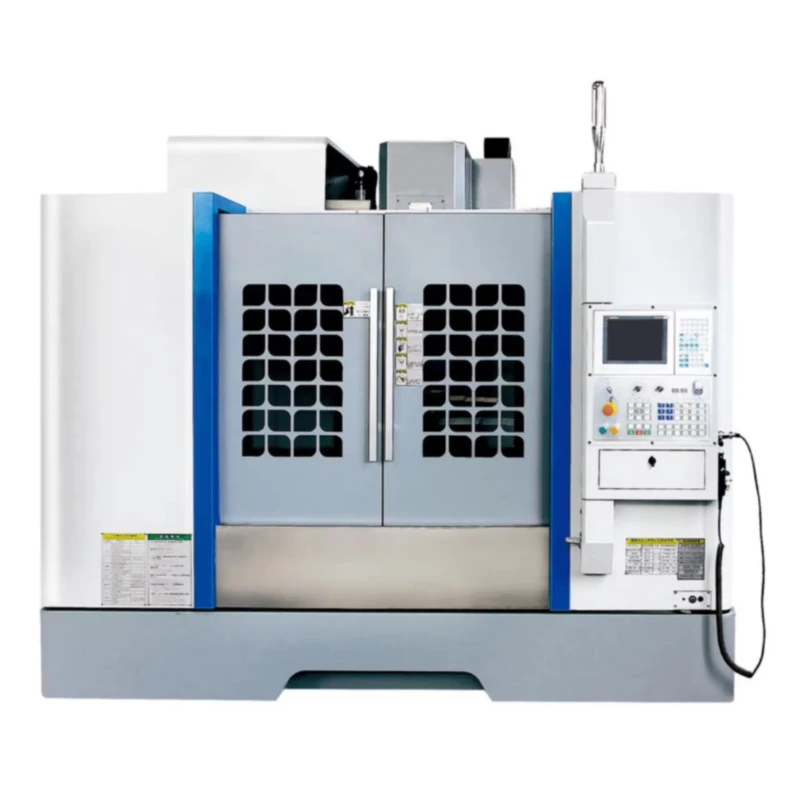
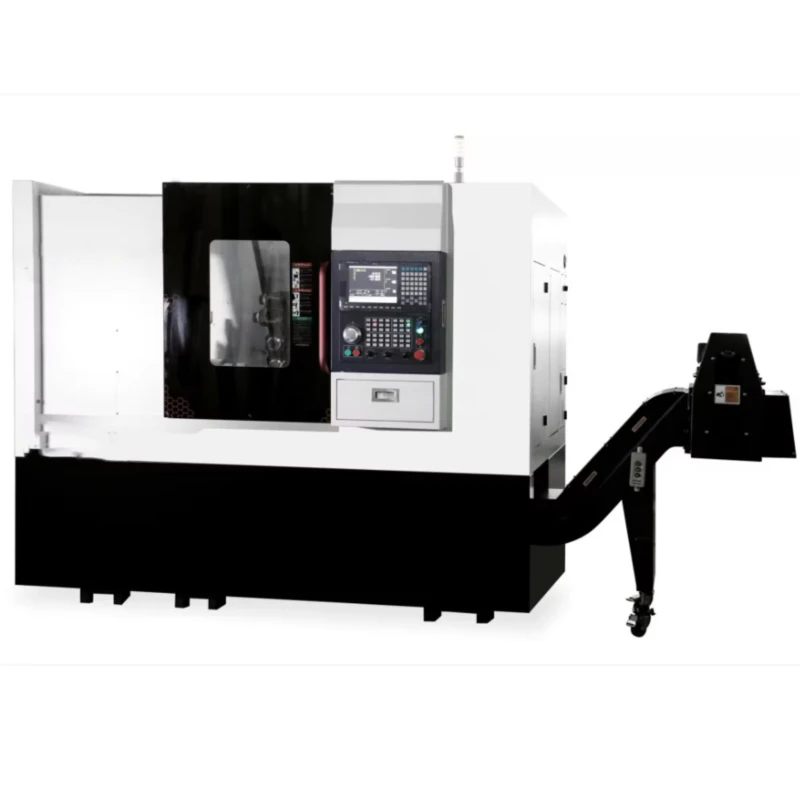
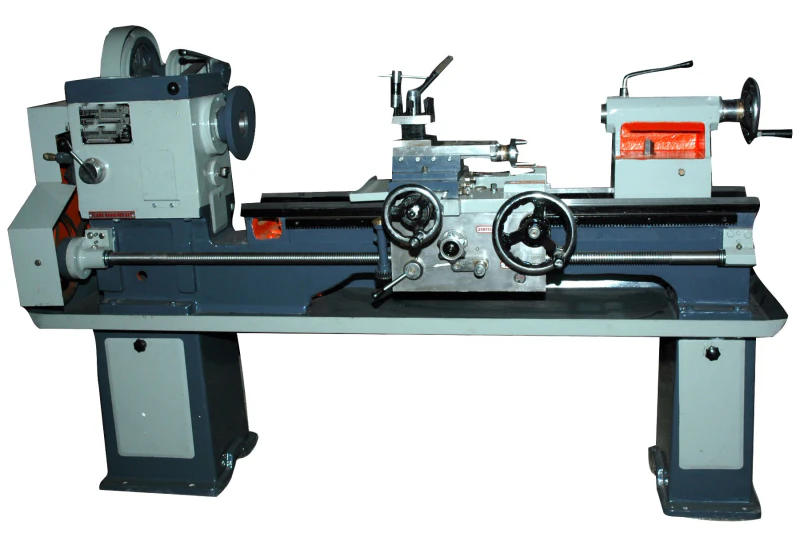
Difference between a milling machine and a lathe
Functionality:
Milling Machine: Primarily used for removing material from a workpiece using rotating cutting tools. It can create flat surfaces, grooves, and complex shapes.
Lathe: Used to shape materials by rotating the workpiece against a stationary cutting tool, producing cylindrical forms like shafts and rods.
Movement:
Milling Machine: The cutting tool moves across the stationary workpiece, often in multiple axes (horizontal, vertical, or both).
Lathe: The workpiece rotates on a spindle while the cutting tool moves linearly or remains fixed, allowing for shaping along its length.
Types of Cuts:
Milling Machine: Capable of making various cuts, including horizontal, vertical, and angled cuts. It can also drill holes and create intricate designs.
Lathe: Primarily produces round shapes, threads, and conical surfaces, focusing on shaping the outer surface of a rotating part.
Tooling:
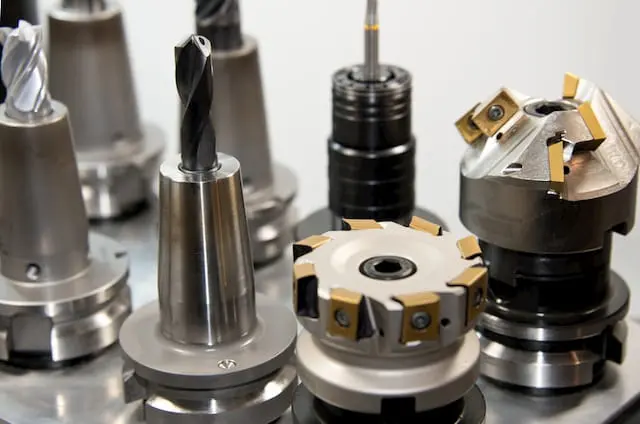
Milling Machine: Utilizes various cutting tools such as end mills, face mills, and slab mills.
Lathe: Typically uses single-point cutting tools or specialized inserts designed for specific operations.
Applications:
Milling Machine: Widely used in industries requiring precision and complexity, such as aerospace, automotive, and electronics.
Lathe: Commonly employed for producing cylindrical parts and components in various engineering and manufacturing sectors.
Milling Machine
Lathe
How to choose a milling machine tool?
Type of Milling Machine: Determine whether you need a vertical, horizontal, or CNC milling machine based on your specific applications and production volume.
Material Compatibility: Consider the materials you will be working with (metals, plastics, composites) and ensure the tool is suitable for those materials.
Tool Size and Compatibility: Check the size of the milling machine and ensure the tool is compatible with its spindle size and mounting system.
Cutting Tool Geometry: Choose the right geometry for the cutting tool, such as end mills, face mills, or ball nose cutters, based on the type of cuts and shapes you need to achieve.
Cutting Speed and Feed Rate: Evaluate the cutting speed and feed rate required for your operations, and select a tool that can efficiently handle these parameters.
Tool Material: Select a cutting tool material (high-speed steel, carbide, ceramic) based on factors like durability, heat resistance, and the specific machining conditions.
Coating: Consider tools with special coatings (like TiN, TiAlN) that enhance performance by reducing friction and increasing tool life.
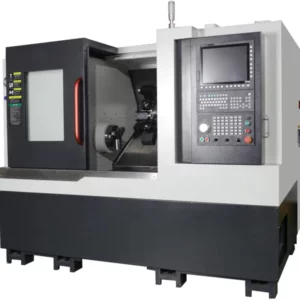
Working principle of CNC milling machine
Computer Programming: CNC (Computer Numerical Control) milling machines are programmed using CAD (Computer-Aided Design) software. The design is converted into a G-code, which tells the machine how to move.
Setup: The material (usually a block of metal, plastic, or wood) is securely mounted on the machine’s worktable. Tooling (cutting tools) is also set up according to the specifications of the job.
Cutting Process:
Tool Movement: The CNC machine uses a rotating cutting tool that moves in multiple axes (typically X, Y, and Z) to remove material from the workpiece. The movement is precise and controlled by the CNC system.
Feed Rate: The cutting tool advances at a predetermined feed rate, which can be adjusted based on the material and desired finish.
Depth of Cut: The depth of each cut can be controlled to achieve the desired dimensions and surface finish.
Cooling: Often, a coolant is applied during the milling process to reduce heat and extend tool life.
Monitoring: The CNC system monitors the process, adjusting as necessary to maintain precision and accommodate any changes.
Finishing: Once the initial milling is complete, additional operations like drilling, tapping, or surface finishing may be performed to achieve the final product specifications.
Quality Control: Finally, the finished part is inspected for accuracy and quality, often using precision measuring tools.
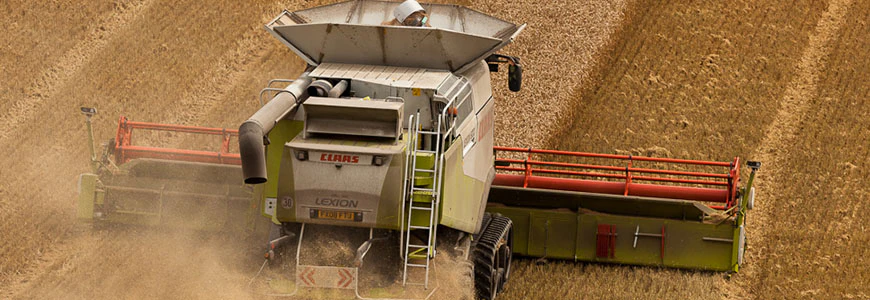
Application of milling machine

Medical Industry
Agriculture
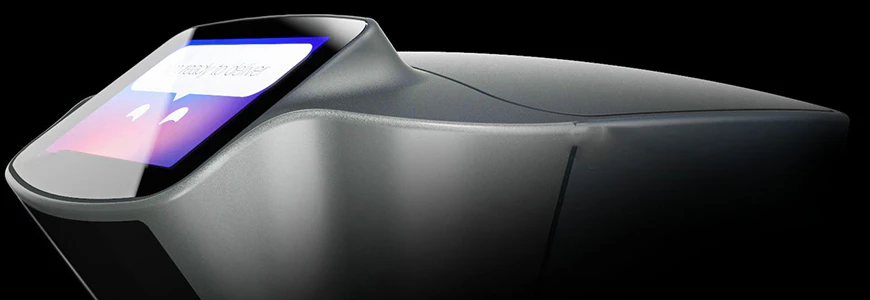
Robotics Industry
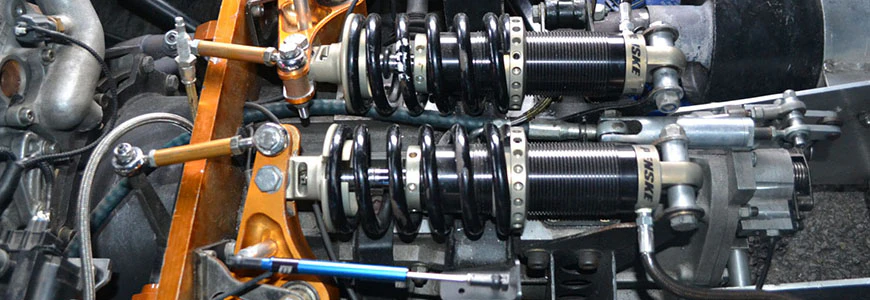
Medical Industry

Aerospace Industry
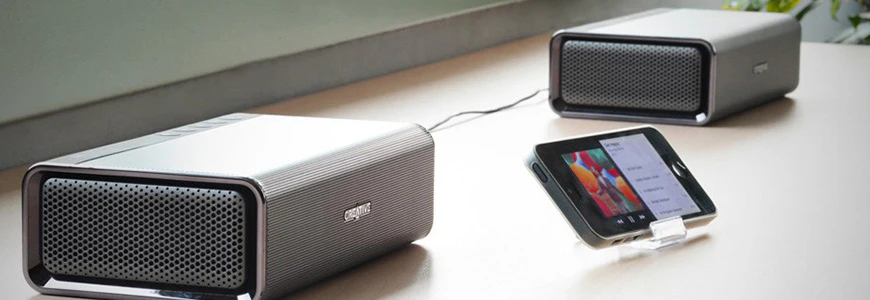
Consumables
Advantages and disadvantages of small milling machines and large milling machines
| Aspect | Small Milling Machines | Large Milling Machines |
|---|---|---|
| Advantages | – Space Efficiency: Requires less floor space, ideal for small workshops. – Cost-Effective: Generally cheaper to purchase and maintain. – Ease of Use: Simpler controls and setup, making them suitable for beginners. – Portability: Often lighter and easier to move or relocate. | – Versatility: Capable of handling larger and more complex parts. – Durability: Typically built with sturdier materials, offering greater longevity. – Precision: Higher accuracy and stability for intricate machining operations. – Higher Production Rates: Can process large batches efficiently, suitable for industrial settings. |
| Disadvantages | – Limited Capacity: Cannot accommodate larger workpieces or extensive machining operations. – Less Power: May struggle with tougher materials or larger cutting tools. – Lower Production Speed: Slower processing speed for complex tasks compared to large machines. – Limited Functionality: Fewer features and capabilities compared to larger models. | – Space Requirements: Occupies significant floor space, which can be a limitation for smaller shops. – Higher Initial Cost: More expensive to purchase and maintain. – Complexity: More advanced controls and setups may require specialized training. – Less Portability: Generally heavier and more difficult to move. |
Application of milling machine in automobile manufacturing
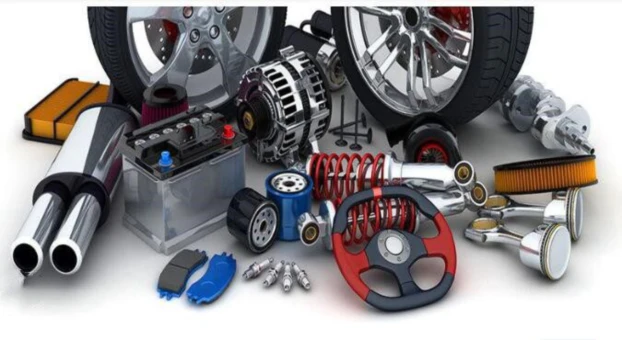
1. Component Manufacturing
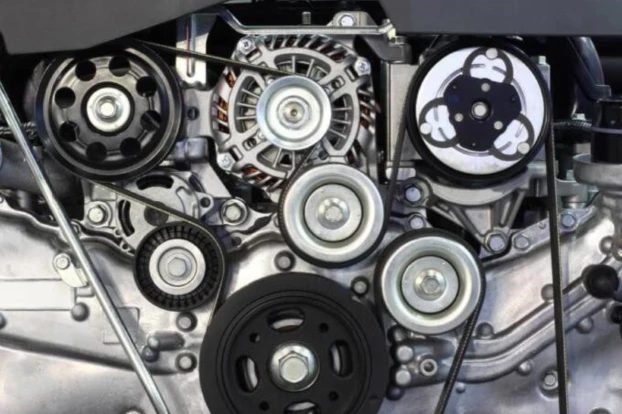
Engine Parts: Milling machines are used to produce critical engine components such as cylinder heads, engine blocks, and crankshafts. The precision of milling allows for the creation of complex geometries and tight tolerances necessary for optimal engine performance.
Transmission Components: Parts like gear housings, shafts, and synchronizers are machined using milling to ensure proper fit and function within the transmission system.
2. Tooling and Fixtures
Custom Tooling: Milling machines are employed to create specialized tools and fixtures used in the assembly of vehicles. This includes jigs that hold parts in place during welding or assembly, ensuring consistent quality.
Prototype Development: In the design phase, milling machines are used to create prototypes of new parts, allowing engineers to test designs before full-scale production.
3. Body and Chassis Components
Structural Parts: Milling is used to fabricate parts of the vehicle’s body and chassis, such as brackets, panels, and reinforcements. These components must meet stringent safety and durability standards.
Suspension Components: Parts like control arms and subframes are machined to precise specifications, enhancing the vehicle’s handling and stability.
4. Finishing Processes
Surface Finishing: Milling machines can achieve high-quality surface finishes on parts, which is essential for aesthetic and functional purposes, such as reducing friction in moving components.
Deburring and Cleaning: Milling is also used in the final stages of manufacturing to remove sharp edges and burrs from machined parts, ensuring safe handling and proper assembly.
5. Batch Production
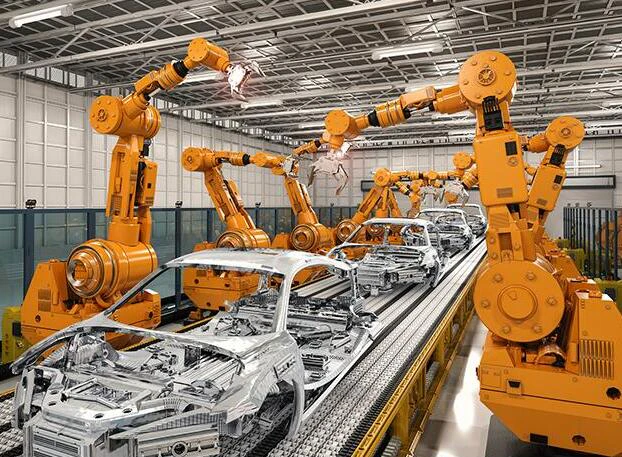
Mass Production Capabilities: Modern milling machines, especially CNC (Computer Numerical Control) mills, can be programmed to produce large quantities of parts with consistent accuracy, reducing production time and costs.
6. Customization and Modification
Aftermarket Modifications: Milling machines are used in custom shops for modifying parts or creating unique components tailored to specific performance needs, such as custom intakes or exhaust systems.
7. Integration with CAD/CAM
Design-to-Manufacturing: With the integration of CAD (Computer-Aided Design) and CAM (Computer-Aided Manufacturing) software, milling machines can quickly adapt to design changes, streamlining the manufacturing process and reducing lead times.
Maintenance and maintenance of the milling machine
Regular Inspection
Daily Checks: Inspect for loose parts, leaks, and unusual noises. Ensure safety guards are in place.
Wear Assessment: Regularly check tools and cutting edges for wear and replace them as needed.
Lubrication
Scheduled Lubrication: Follow manufacturer guidelines for lubricating moving parts, such as bearings and lead screws, to reduce friction and wear.
Oil Change: Periodically change the oil in the spindle and gearbox to maintain smooth operation.
Cleaning
Debris Removal: Clean the machine after each use to remove chips and debris, preventing corrosion and maintaining accuracy.
Coolant Maintenance: Regularly check and replace coolant to prevent bacterial growth and ensure effective cooling.
Calibration
Alignment Checks: Periodically calibrate the machine to ensure accuracy. Check the alignment of the spindle and table.
Axis Calibration: Verify that the X, Y, and Z axes are properly calibrated for precise machining.
Electrical System Maintenance
Inspect Wiring: Regularly check electrical connections for wear or damage.
Control Software Updates: Keep the CNC software updated for optimal performance and features.
Component Replacement
Timely Replacement: Replace worn parts such as belts, bearings, and seals promptly to avoid further damage.
Scheduled Overhauls: Plan for major overhauls at specified intervals to replace critical components.
Record Keeping
Maintenance Log: Keep detailed records of maintenance activities, inspections, and repairs to track the machine’s condition and plan future maintenance.
Why choose our company?
1. High-quality products: Ever-power is committed to providing the highest-quality milling machine. Our products are precision-engineered and manufactured using advanced materials to ensure durability, reliability, and consistent performance.
2. Comprehensive Service: Ever-power prides itself on providing excellent customer service. Our professional team is ready to answer your questions, provide technical support, and provide solutions tailored to your needs.
3. Competitive Prices: Ever-power offers competitive prices without compromising quality. We believe in creating value for our customers and work hard to ensure our products fit every budget.
4. Excellent after-sales support: Ever-power knows a product is only as good as the support you receive after purchasing it. Ever-power provides comprehensive after-sales services, including timely repair, replacement, and maintenance, ensuring that your milling machine is in optimal condition for a more extended period.
5. Rich product range: Ever-power provides a variety of milling machine shafts to meet different applications and requirements. We can provide you with the right product.