
Mower gearbox
Product catalog
-
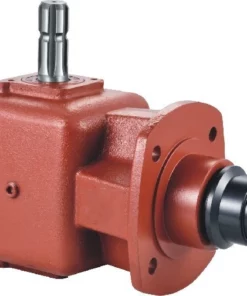
Agricultural Machinery Lawn Mower Transmission Gearbox
-
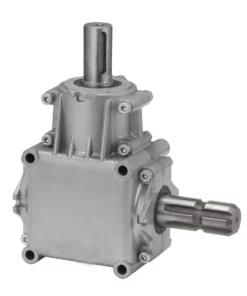
Shaft Mounted Gearbox for Agriculture Machinery Lawn Mower Rotary Cutter Machinery Part
-
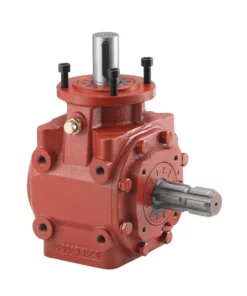
80HP Right Angle Gearbox Lawn Mower Agricultural Gearbox
-
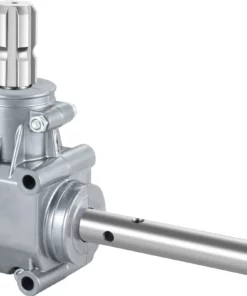
Transmission Agricultural Implement Mower Transmission Pto Gearbox
-
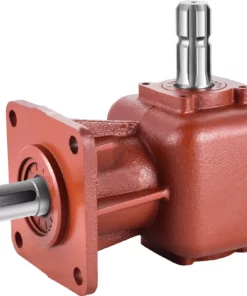
Agricultural Gearbox /Fertilizer Spreader Gearbox /Lawn Mower Gearbox
-
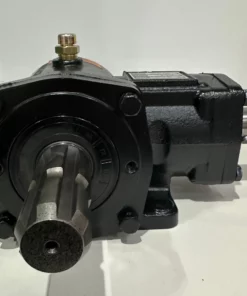
Flail Mower Tractor Pto Drive Shaft Agricultural Gearbox
Leading Manufacturer Of Mower Gearboxes
Ever-Power is a prominent company specializing in manufacturing and distributing flail mower gearboxes. With cutting-edge production facilities and an experienced R&D team, we are committed to delivering top-tier gearbox products to agricultural machinery users globally. Our flail mower gearboxes are highly regarded for their outstanding performance and long-lasting durability. These gearboxes are designed with a compact structure, ensuring high transmission efficiency, low noise levels, and ease of maintenance. They are ideal for various agricultural and garden machinery, providing reliable and efficient field mowing and orchard maintenance operations.
Ever-Power boasts deep expertise and significant influence in the flail mower gearbox sector. Our products have earned multiple international certifications, guaranteeing compliance with global standards. Additionally, we provide customized services, offering gearbox designs and manufacturing tailored to meet specific customer needs. Our advanced production facilities incorporate cutting-edge technology, ensuring that every gearbox undergoes stringent quality control measures. Moreover, our dedicated after-sales team is always available to offer our clients technical support and problem-solving assistance.
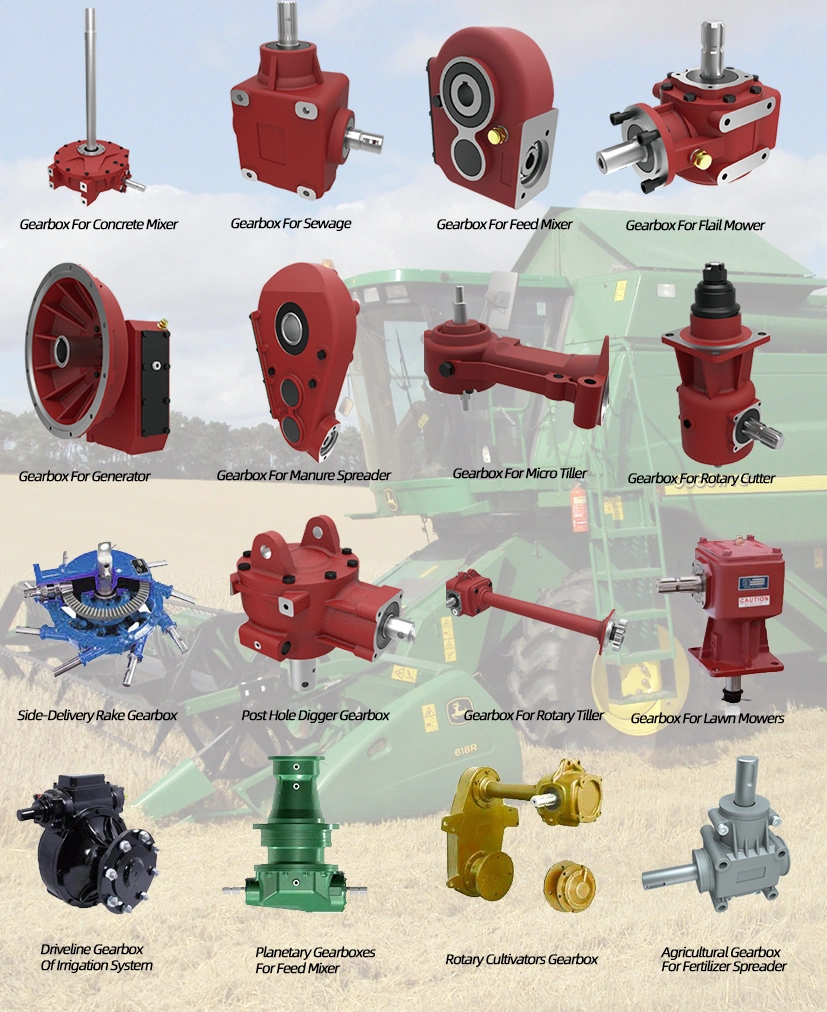
We also supply various types of agricultural gearboxes and PTO shafts, including rotary cutter gearboxes, rotary tiller gearboxes, feed mixer gearboxes, lawn mower gearboxes, fertilizer spreader gearboxes, post hole digger gearboxes, corn header gearboxes, fertilizer mixer gearboxes, round baler gearboxes, square baler gearboxes, irrigation reel gearboxes, manure spreader gearboxes, and rotary rake gearboxes. Ever-Power is committed to becoming your most reliable partner for agricultural machinery gearboxes through our professional products and dedicated services.
The role of the mower gearbox
Power Transmission: The gearbox transfers the mechanical power generated by the engine to the mower’s cutting blades. This ensures the blades rotate at the correct speed, providing efficient grass cutting.
Speed Regulation: By adjusting the gear ratio, the gearbox controls the speed of the blades and wheels. This allows for smooth operation and ensures the mower can handle different types of grass and terrain effectively.
Torque Conversion: The gearbox helps convert the engine’s high-speed, low-torque output into a lower-speed, high-torque output necessary to power the mower’s blades through thick or tough grass.
Directional Control: In self-propelled mowers, the gearbox also transfers power to the wheels, enabling forward or reverse movement. It helps control the mower’s movement, making it easier for the operator to maneuver over uneven ground or slopes.
Noise Reduction: Gearboxes are often designed to operate quietly, helping to reduce the overall noise level of the lawn mower.
Durability and Longevity: A well-designed gearbox provides protection to the mower’s motor by managing the load on the engine. This enhances the durability and longevity of the mower.
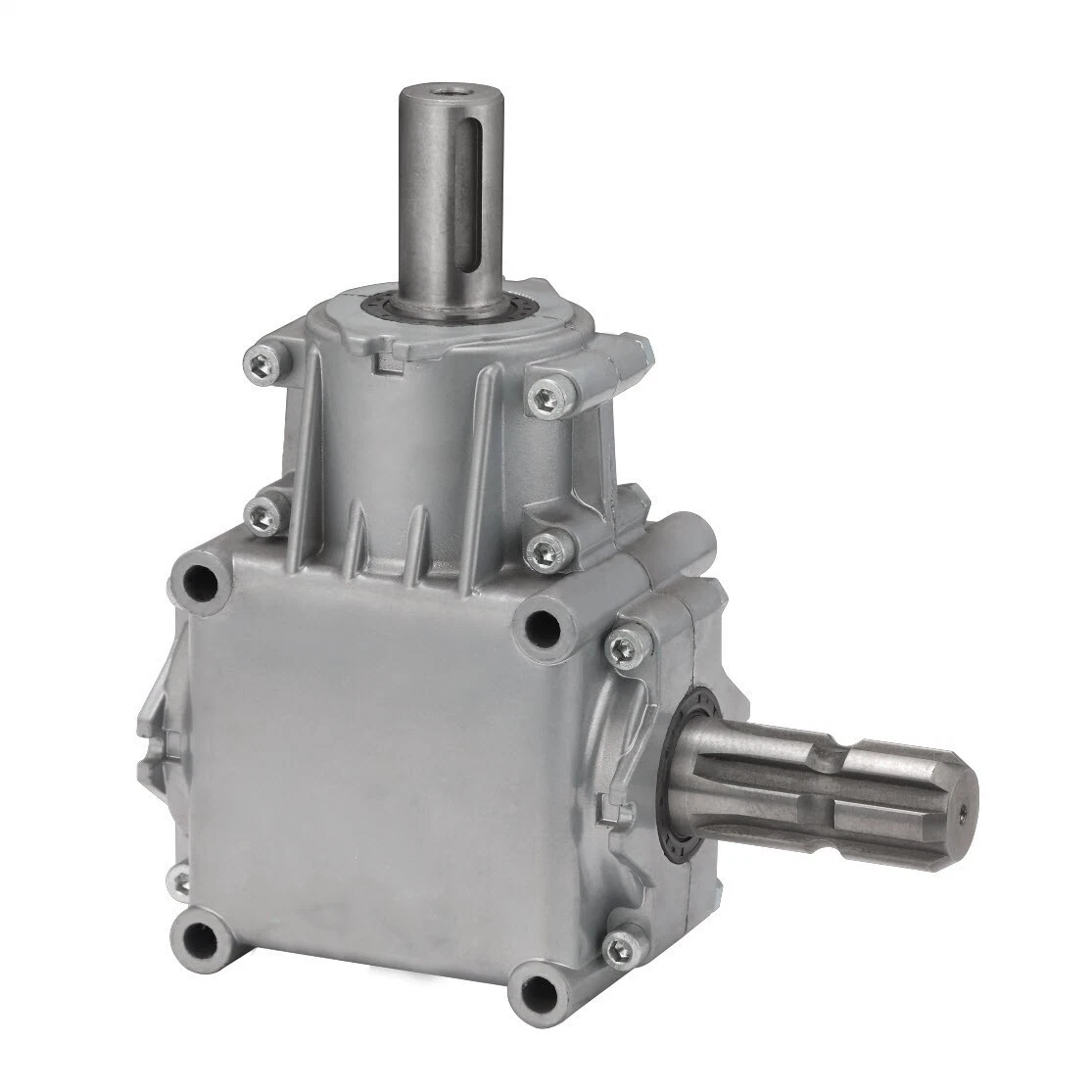
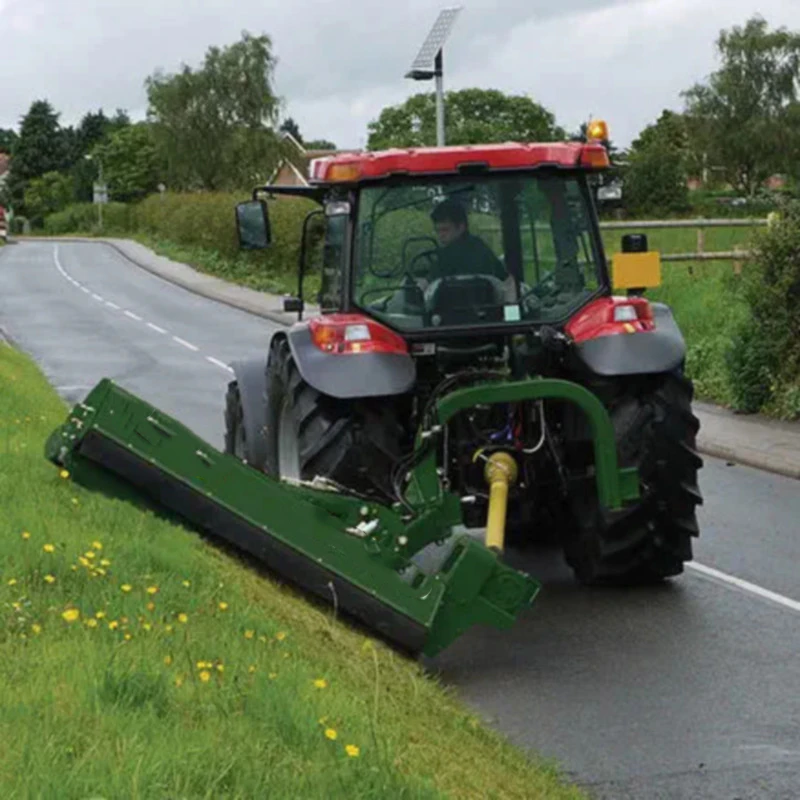
Mower Gearbox features
High Transmission Efficiency: Mower gearboxes are designed to provide smooth and efficient power transfer from the engine to the mower blades, ensuring effective cutting and reduced energy loss.
Compact Structure: A well-designed gearbox features a compact form factor, which minimizes weight and space requirements while maintaining durability and strength.
Durability and Robustness: Mower gearboxes are built to withstand harsh working environments, including exposure to dirt, debris, and frequent impacts. They are typically made of high-strength materials like cast iron or steel to ensure longevity.
High Torque Capacity: These gearboxes are capable of handling high torque loads, which is essential for powering through thick, dense grass or uneven terrain without compromising on performance.
Low Noise Operation: Gearboxes in modern mowers are engineered to operate quietly, minimizing noise pollution during operation, which is particularly useful in residential areas.
Easy Maintenance: Many mower gearboxes are designed for easy access, allowing for quick lubrication, inspection, or part replacement, which helps reduce downtime.
Sealed Design: Many mower gearboxes have sealed designs to protect internal components from dust, water, and debris, ensuring longer service life and reduced wear.
Heat Dissipation: Some gearboxes are equipped with cooling fins or other heat management features to ensure that they do not overheat during extended periods of use.
Multiple Gear Ratios: Many mower gearboxes come with multiple gear ratios, allowing for different speeds and torque outputs. This flexibility helps adapt the mower to various types of grass and cutting conditions.
PTO Shaft Compatibility: Flail mower gearboxes are typically designed to be compatible with standard PTO shafts, which are used to transfer power from the tractor to the mower.
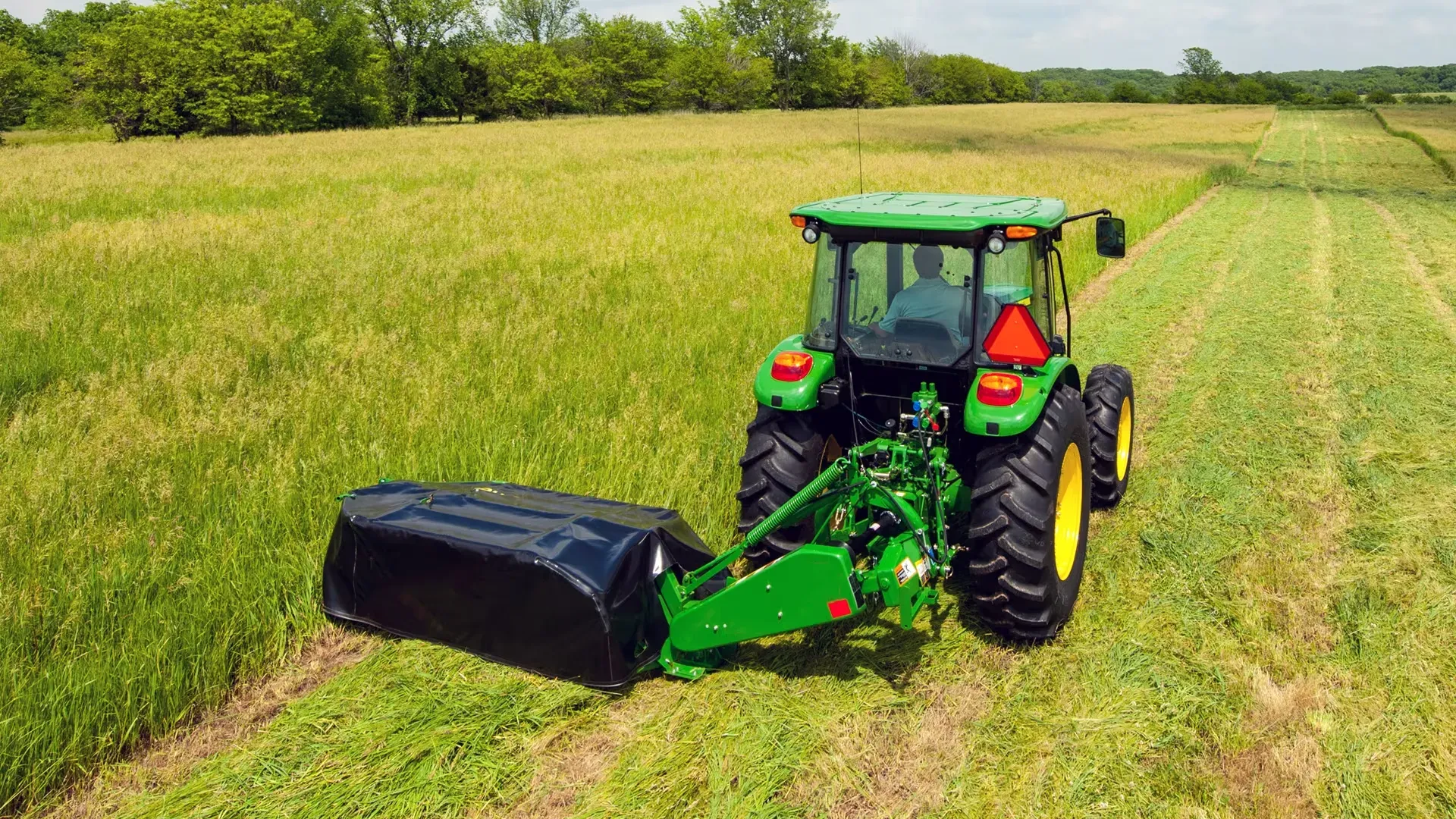
Types of Mower Gearbox for Sale
Mower Gearboxes are available in a variety of types, each tailored for specific applications, power demands, and mower sizes. Below are some of the key types of mower gearboxes:
Standard Duty Gearboxes: Ideal for light to medium-duty mowing operations, these gearboxes are designed for tasks like lawn maintenance and small pasture upkeep. They handle lower horsepower and are well-suited for residential or light commercial applications.
Heavy Duty Gearboxes: Engineered to handle tougher conditions, heavy-duty gearboxes are perfect for mowing dense vegetation and rough terrain. These gearboxes can manage higher horsepower and are commonly used in commercial agriculture and roadside maintenance, where durability is paramount.
Multi-Speed Gearboxes: These gearboxes provide multiple speed options, allowing the operator to adjust blade speed according to the vegetation’s thickness and the desired cutting finish. Multi-speed gearboxes offer flexibility and enhanced efficiency in a range of mowing conditions.
Reversible Gearboxes: Designed for cutting in both forward and reverse directions, reversible gearboxes increase the versatility of the flail mower. This feature is particularly beneficial in areas where maneuverability is restricted.
PTO (Power Take-Off) Gearboxes: Specifically created to connect directly to the tractor’s power take-off, these gearboxes ensure efficient transmission of engine power to the mower. PTO gearboxes are commonly used in agricultural applications, offering reliable power for large-scale mowing tasks.
Offset Gearboxes: Used when the mower deck needs to be positioned away from the tractor, offset gearboxes enable the mower to reach under bushes, around obstacles, or along ditches. These gearboxes are crucial for maintaining areas that require precise handling.
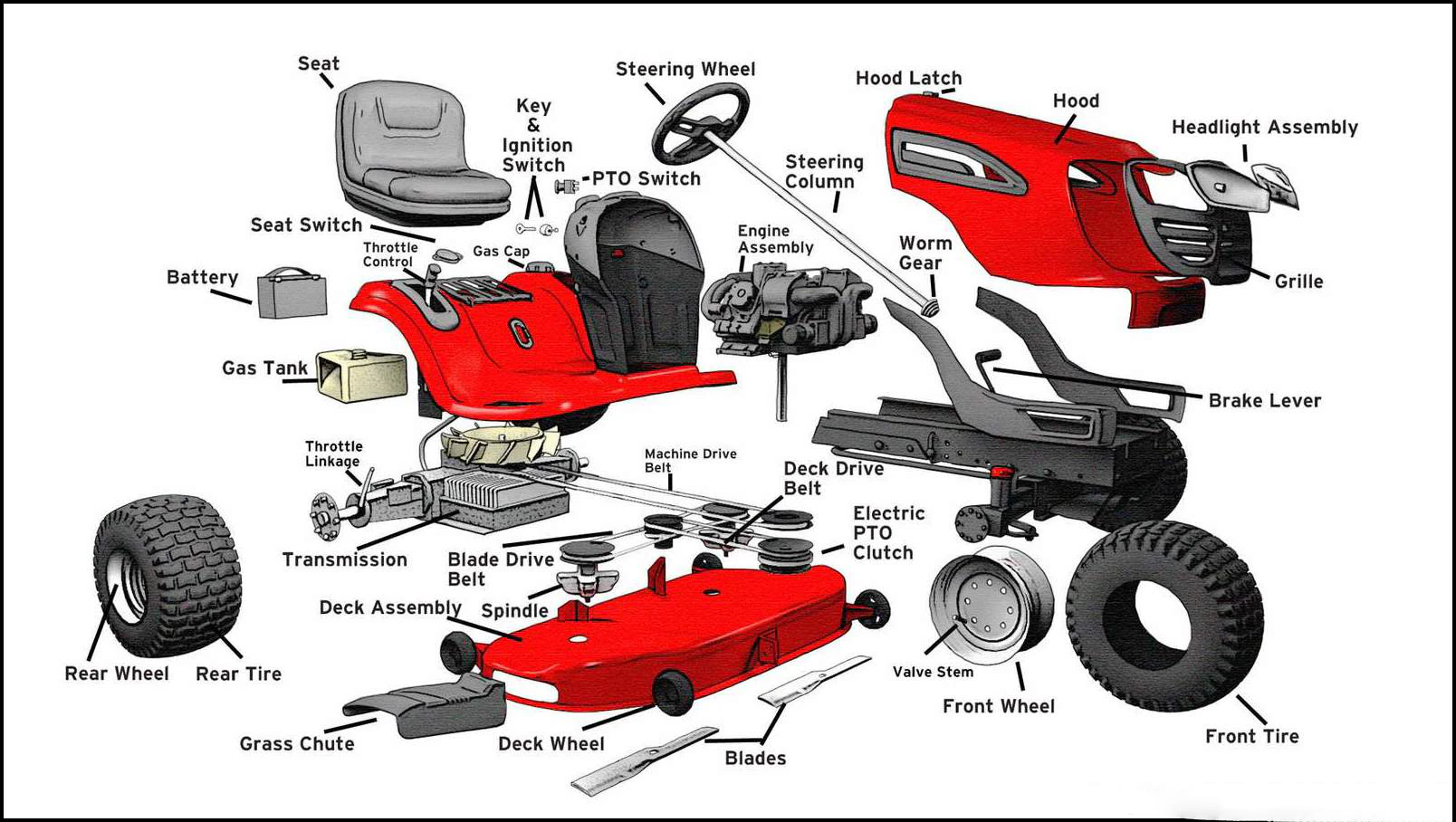
Key Components of a Mower Gearbox
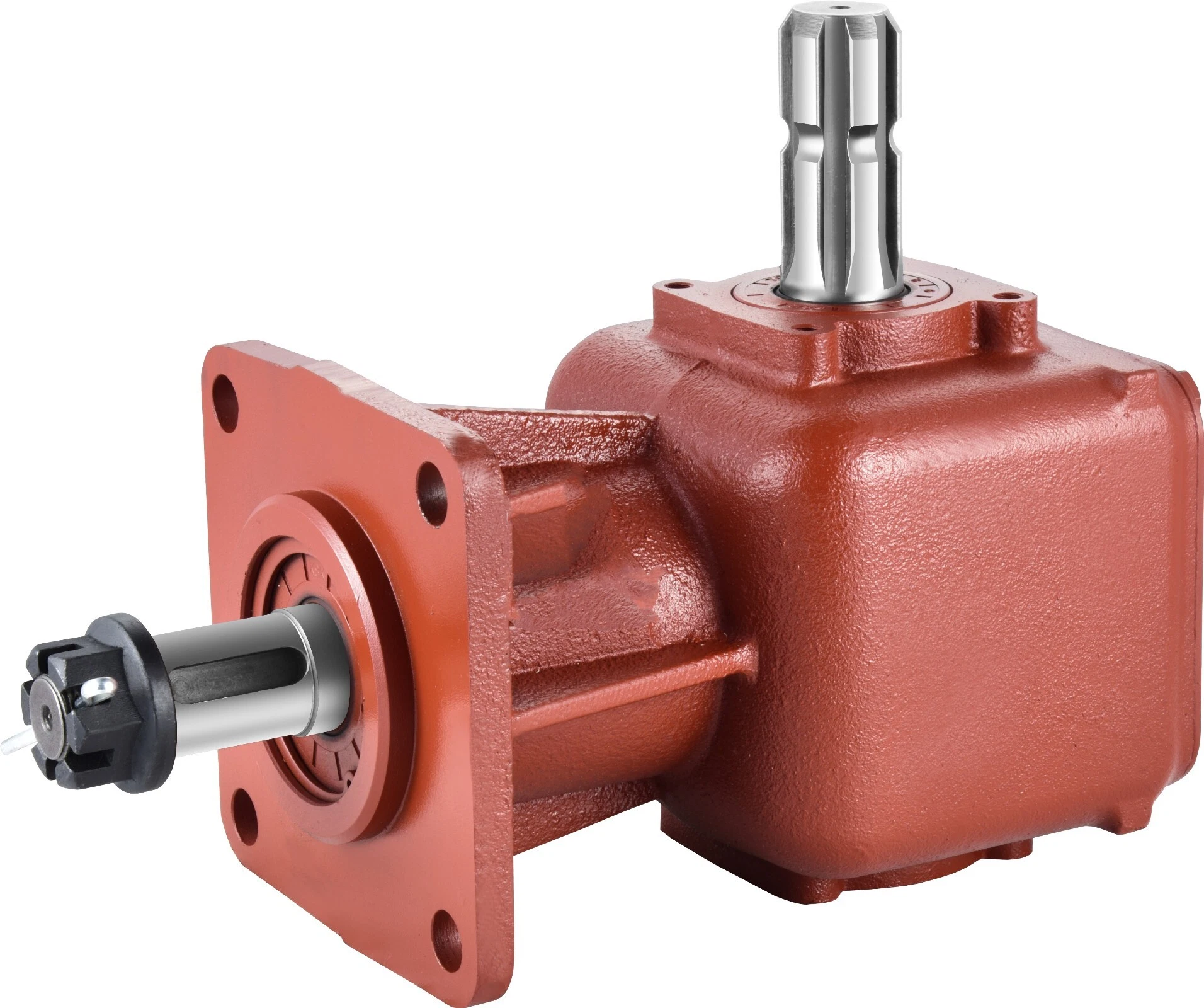
Gear Set: The core of the gearbox, which includes the driving gears (input) and the driven gears (output). These gears are responsible for changing the speed and torque to suit the mower’s cutting requirements. Common gear types in mower gearboxes include helical, spur, or bevel gears.
Input Shaft: This is the shaft connected to the engine or power source. It transfers the mechanical energy into the gearbox, starting the power transmission process.
Output Shaft: The output shaft transfers the adjusted torque and speed from the gearbox to the mower’s blades or wheels. It ensures the efficient rotation of the blades for cutting grass.
Bearings: Bearings support the rotation of the shafts, ensuring smooth movement and reducing friction between moving parts. High-quality bearings are essential for durability and the long-term operation of the gearbox.
Seals and Gaskets: These components help prevent the leakage of lubricants and keep dust, dirt, and moisture out of the gearbox. Proper sealing is vital to maintain the performance and longevity of the gearbox.
Casing (Housing): The external casing or housing encloses all the internal components of the gearbox. It provides protection against external damage and helps dissipate heat generated during operation. Gearbox housings are typically made from cast iron or aluminum for durability and heat resistance.
Oil/Lubrication System: Gearboxes require a lubrication system to reduce friction between gears and other moving parts. This system may include oil baths or grease fittings, ensuring that the gearbox operates smoothly and without excessive wear.
Gear Ratio Mechanism: The gear ratio mechanism determines the speed and torque output. By adjusting the gear ratio, the gearbox can modify the speed of the blades, providing more power for tougher terrain or faster speed for smoother cuts.
Mounting Flange: The mounting flange is the connection point between the gearbox and the mower. It ensures the gearbox is securely attached to the mower frame, preventing movement during operation.
How Does a Mower Gearbox Works?
A mower gearbox works by transferring and modifying the power from the engine or motor to the cutting blades or wheels of the mower, enabling efficient cutting or movement. Here’s a step-by-step explanation of how a mower gearbox functions:
1. Power Input
The process starts with the engine or motor generating mechanical power. This power is transmitted to the gearbox through the input shaft. Depending on the mower’s design, the input shaft is connected directly to the engine or powered by a belt or chain system.
2. Power Transmission & Gear Engagement
A set of gears (usually a combination of helical, spur, or bevel gears) engages inside the gearbox. The input gear on the input shaft meshes with the output gear, and this engagement changes the speed and torque of the power being transmitted. The essential function here is modifying the power output to provide appropriate speed and torque for the cutting task. Speed Reduction: The gearbox often reduces the speed of the high-speed input from the engine to a lower, more manageable speed for the blades. This allows for more precise and efficient cutting.
Torque Increase: At the same time, the gearbox increases the torque, providing the force necessary for the blades to cut through grass, weeds, or thicker vegetation.
3. Output Power
The modified power is transmitted through the output shaft connected to the mower’s blades or wheels. For the blades, this ensures they rotate at an optimal speed and with enough torque to provide effective cutting action. For self-propelled mowers, the gearbox might also control the movement of the mower’s wheels by directing power to them, enabling the mower to move forward or backward.
In PTO (Power Take-Off) mowers, the gearbox transfers power from the tractor’s PTO to the cutting blades, ensuring smooth mowing operation.
4. Gear Ratio & Speed Control
Mower gearboxes often have adjustable gear ratios that allow operators to control the speed of the blades. Higher speeds are used for smoother grass cutting, while lower speeds with higher torque are ideal for more challenging, denser vegetation.
5. Lubrication and Heat Dissipation
As the gears rotate and engage, friction is generated, and to minimize wear and maintain smooth operation, gearboxes use a lubrication system. Lubricants (usually oil or grease) reduce friction between the gears and bearings, extending the life of the gearbox. In addition, the gearbox casing helps dissipate heat generated during operation, preventing overheating.
6. Noise and Vibration Reduction
Modern mower gearboxes are designed to operate with minimal noise and vibration. The gears are engineered for smooth engagement, and high-quality bearings and seals help reduce vibration and noise, ensuring quieter and more comfortable mower operation.
7. Maintenance & Protection
Mower gearboxes are equipped with seals and gaskets to prevent the entry of dirt, moisture, and debris, which could affect performance. The casing (housing) protects the internal components from external damage and environmental factors.
Advantages of Using Gearbox for Mower
1. Enhanced Power Transmission
A gearbox efficiently transfers power from the mower’s engine or motor to the cutting blades or wheels, optimizing performance. This ensures consistent cutting speed, leading to a more efficient mowing process, even in tough conditions.
2. Increased Torque for Tough Cutting
Gearboxes convert high-speed engine output into increased torque, allowing the mower to cut through thicker grass, brush, or rough terrain. This increased torque ensures that the mower can handle heavy-duty tasks with ease.
3. Speed Regulation
Gearboxes help regulate the speed of the blades, making it possible to adjust cutting speed depending on the mowing conditions. This allows for better adaptability to different grass types, terrain, and cutting requirements.
4. Durability and Longevity
Mower gearboxes are built to be tough and durable, made from materials such as steel or cast iron. They protect the internal components from stress and wear, ensuring that the mower can withstand frequent use in rugged environments, extending its overall lifespan.
5. Improved Cutting Precision
By delivering consistent power to the blades, gearboxes ensure a smooth and uniform blade rotation. This results in a clean and even cut, improving the quality of the mowing, whether it’s for landscaping, lawn maintenance, or agricultural applications.
6. Reduced Engine Wear
By controlling the speed and torque, gearboxes reduce the strain on the engine or motor. This decreases the risk of engine overload and prevents unnecessary wear, which helps extend the life of the mower’s engine.
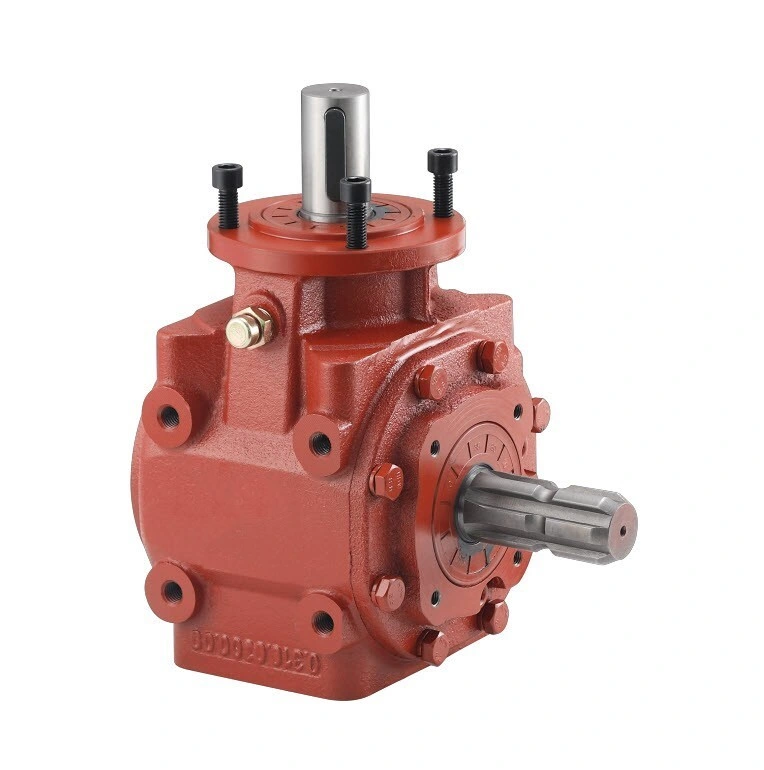
7. Versatility in Applications
Gearboxes enable mowers to be used in a variety of tasks and terrains, from residential lawn care to heavy-duty agricultural mowing. Some gearboxes come with adjustable speed settings or multi-gear options, allowing the mower to adapt to different types of grass and cutting needs.
8. Lower Maintenance Requirements
Modern mower gearboxes are designed to require minimal maintenance. They are often sealed to protect against dirt, debris, and moisture, ensuring the internal gears and bearings stay in good working condition. This reduces the need for frequent repairs or part replacements.
9. Reduced Noise and Vibration
Gearboxes are designed to operate smoothly and quietly. By minimizing vibration and noise during operation, they make mowing more comfortable for the user and less disruptive in noise-sensitive areas.
10. Safety and Protection
A well-functioning gearbox helps maintain a steady, controlled blade speed, reducing the risk of accidents caused by sudden surges or drops in power. It also protects other mower components by evenly distributing the workload and preventing mechanical overload.
11. Efficient Fuel or Energy Usage
By optimizing the transmission of power, gearboxes help the mower use fuel or energy more efficiently. This leads to lower fuel consumption or battery use, contributing to cost savings and environmental benefits.
12. Improved Maneuverability
In self-propelled or PTO-driven mowers, gearboxes can also assist in driving the wheels, improving the mower’s maneuverability on various terrains, such as hills, slopes, or uneven ground.
Mower Gearbox Common Applications:
1. Lawn Mowers
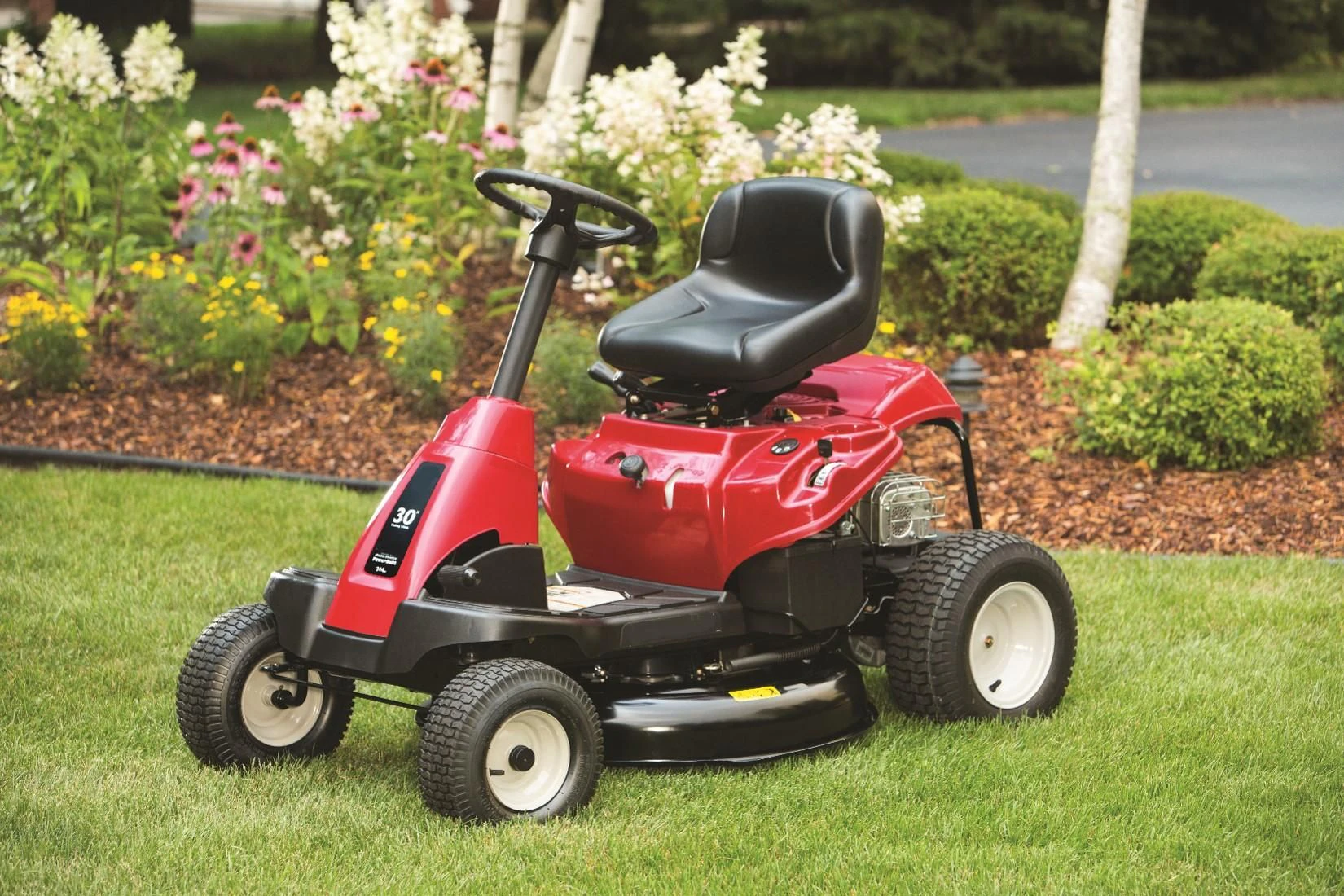
Residential Lawn Mowers: Gearboxes in residential lawn mowers ensure efficient power transfer from the engine to the blades, enabling consistent cutting for home lawns. They also help regulate blade speed for a clean, even cut.
Commercial Lawn Mowers: For more extensive lawns, parks, or estates, commercial mowers use heavy-duty gearboxes to handle longer operating hours and tougher grass, offering durability and enhanced performance.
2. Flail Mowers
Gearboxes are essential for flail mowers, which cut thick grass, overgrown brush, and crop stubble. These mowers are commonly used in:
Agricultural Applications: For field maintenance and pasture upkeep.
Roadside Maintenance: To trim grass and brush along highways and roadsides.
Orchards and Vineyards: To maintain grass and weeds between trees or vines.
3. Rotary Mowers
Rotary mowers use gearboxes to drive the horizontal blades that rotate at high speed for cutting. They are used in:
Farm and Agricultural Land: For cutting hay or managing large grass areas.
Golf Courses and Sports Fields: For precision mowing and maintaining turf quality.
4. Zero-Turn Mowers
These mowers, which offer precise cutting and high maneuverability, use gearboxes to control blade rotation and wheel movement. They are widely used in:
Landscaping: For mowing around obstacles like trees or garden beds.
Commercial Lawn Care: For fast and efficient grass cutting on large properties.
5. Tractor-Mounted Mowers (PTO-Driven)
Brush Cutters and Slashers: Gearboxes on PTO-driven mowers allow tractors to power the mower’s blades to cut thick vegetation in agricultural or land-clearing tasks.
Pasture Mowers: Used to maintain large fields or grazing areas, gearboxes ensure smooth power transfer from the tractor to the mower’s blades.
6. Finishing Mowers
These mowers, used for high-quality lawn finishes, such as in golf courses or estates, depend on gearboxes for consistent blade speed and even cutting. They are designed for fine-trimming and maintaining well-manicured lawns.
7. Self-Propelled Mowers
Gearboxes in self-propelled mowers control both blade rotation and wheel movement. These mowers are commonly used in:
Residential and Commercial Landscaping: This is for easier maneuverability, especially in hilly or uneven terrains.
More extensive Lawns and Parks: Where power transmission through the gearbox is essential for extended use.8. Mulching Mowers
Mulching mowers use gearboxes to regulate blade speed for cutting and finely chopping grass clippings, which are then spread back onto the lawn as a natural fertilizer. They are commonly used in:
Sustainable Lawn Care: For homeowners or professionals focused on eco-friendly lawn maintenance.
Landscaping: To reduce the need for bagging and disposing of grass clippings.9. Slope and Hillside Mowers
These specialized mowers, designed to handle steep slopes, rely on robust gearboxes to provide adequate torque for mowing rugged terrain. They are used in:
Mountainous or Hilly Regions: For maintaining the grass on inclines.
Roadside and Embankments: For cutting along highway edges or slopes.
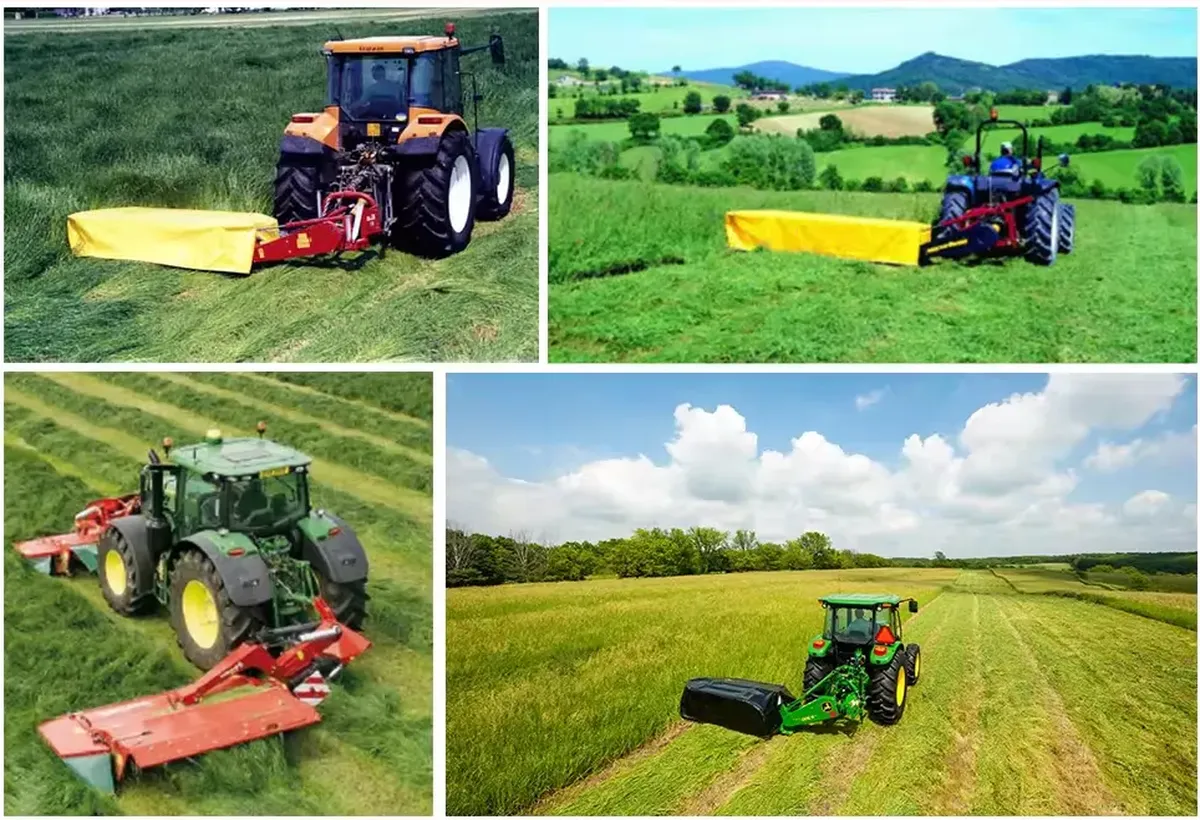
Flail Mower Gearboxes vs. Rotary Mower Gearboxes
Here is a comparison chart that outlines the key differences between Flail Mower Gearboxes and Rotary Lawn Mower Gearboxes:
| Feature | Flail Mower Gearbox | Rotary Lawn Mower Gearbox |
|---|---|---|
| Primary Use | Heavy-duty cutting (brush, tough grass, small branches) | Lawn and turf maintenance (grass cutting) |
| Cutting Mechanism | Powers flails or blades that strike and mulch vegetation | Powers horizontal rotating blades that slice grass |
| Type of Vegetation | Handles thick, dense vegetation, brush, and overgrown areas | Best suited for grass and light vegetation |
| Terrain Suitability | Suitable for rough, uneven, and tough terrain | Designed for smooth lawns and flat surfaces |
| Durability | More robust and durable for heavy-duty tasks | Typically lighter-duty for residential or commercial lawns |
| Torque Requirements | High torque to manage tough vegetation and uneven terrain | Lower torque since it mainly deals with soft grass |
| Speed Regulation | Often equipped with adjustable speed settings for versatility | Generally fixed speed, focused on consistent grass cutting |
| Blade Movement | Flails pivot individually, allowing flexibility and resistance to obstacles | Blades rotate in a fixed horizontal plane for uniform cutting |
| Maintenance | Requires more maintenance due to heavy use and rough conditions | Less maintenance, mainly for blade sharpening and lubrication |
| Power Source | Usually powered by tractor’s PTO in agricultural settings | Often self-contained with a small engine for lawn mowers |
| Noise & Vibration | Higher noise and vibration due to flail impact | Lower noise and smoother operation on flat surfaces |
| Cutting Precision | More rugged cut, often leaves debris (ideal for mulching) | Cleaner, finer cut, ideal for manicured lawns |
| Cost | Typically more expensive due to heavy-duty construction | Generally less expensive due to lighter-duty design |
| Common Applications | Agriculture, roadside maintenance, orchards, vineyards | Residential lawns, parks, sports fields, commercial lawns |
| Blade/Flail Replacement | Flails are individually replaceable and often more numerous | Blade replacement is simpler but less frequent |
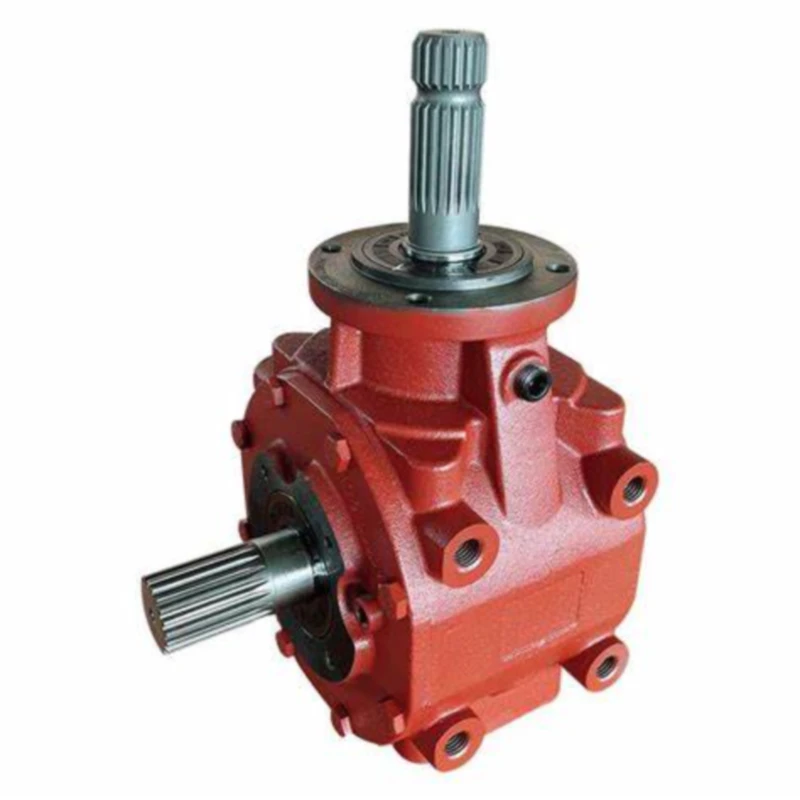
Flail Mower Gearbox
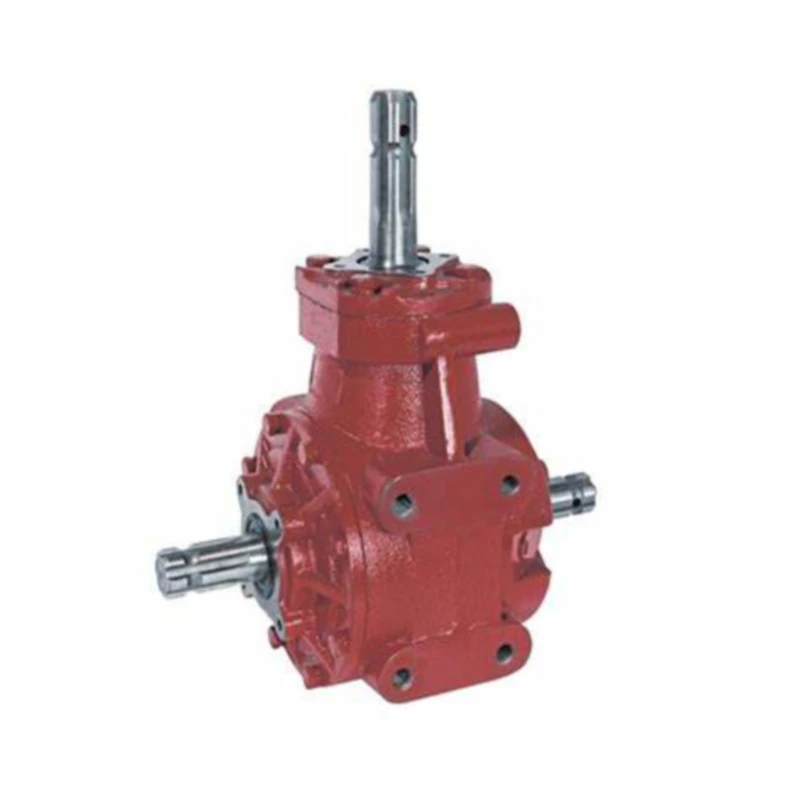
Rotary Lawn Mower Gearbox
Choosing PTO Shaft for Mower Gearbox
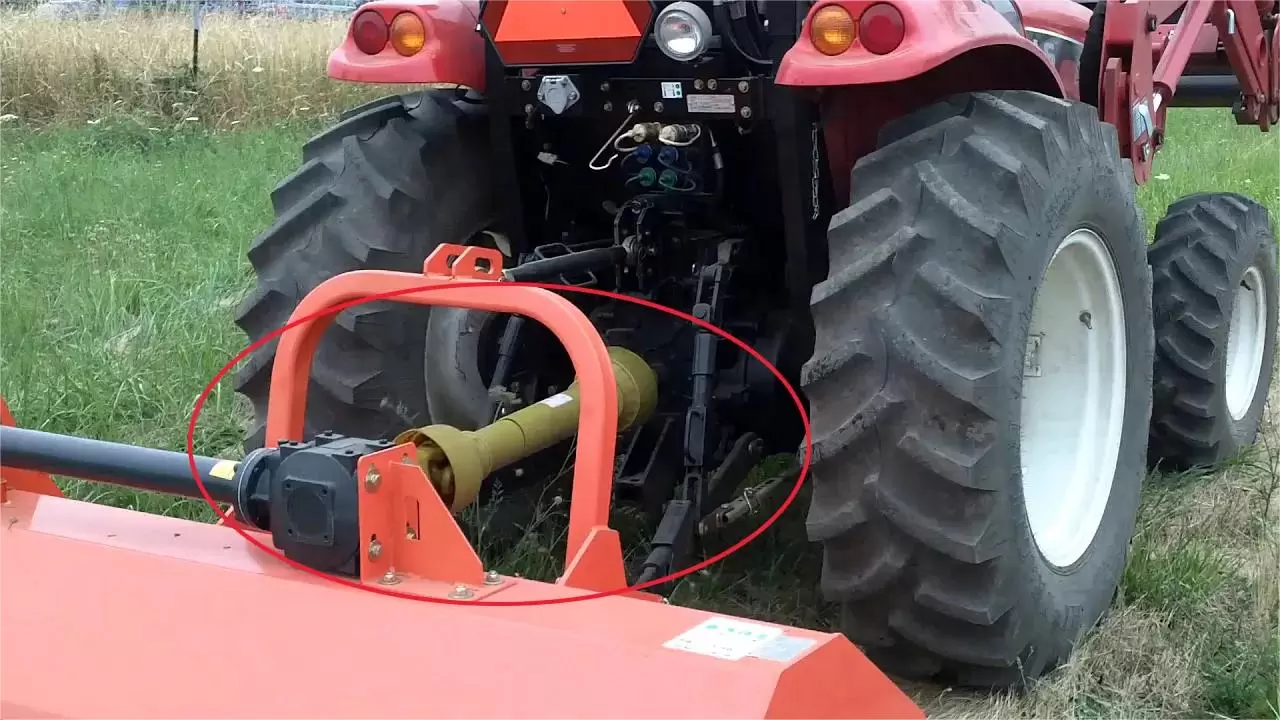
Choosing the suitable PTO (Power Take-Off) shaft for your mower gearbox is essential to ensure that the flail mower operates safely and effectively. Here are some factors to consider when choosing a PTO shaft for your flail mower gearbox:
PTO Shaft Size: The first thing you need to determine is the size of the PTO shaft that your mower gearbox requires. The size of the PTO shaft is typically specified in the operator’s manual or by the manufacturer. Make sure to choose a PTO shaft that matches the size of the mower gearbox.
Length: The length of the PTO shaft will depend on the distance between the mower gearbox and the tractor PTO shaft. You should measure this distance to ensure you choose a PTO shaft that is the correct length for your setup. Make sure to account for any flexing or bending during operation.
Shielding: The PTO shaft should be equipped with shielding to prevent accidents and ensure operator safety. Several types of shielding are available, including plastic and metal, and it’s essential to choose the appropriate type for your flail mower gearbox and tractor.
Quality: Choosing a high-quality PTO shaft is essential to ensure reliable operation and prevent premature failure. Look for PTO shafts made from high-strength materials and designed for heavy-duty use.
Maintenance: The PTO shaft should be easy to maintain and inspect for wear and damage. Look for a PTO shaft that is easy to disassemble and reassemble for maintenance and repair.
Mower Gearbox Maintenance
1. Regular Inspection
Visual Check: Inspect the gearbox for visible wear, damage, or oil leakage.
Noise Inspection: Listen for unusual noises like grinding or whining, which could indicate internal wear or improper lubrication.
Vibration Check: Excessive vibration during operation may indicate a problem with the gears, shaft alignment, or a lack of lubrication.
2. Lubrication and Oil Changes
Check Oil Levels: Ensure the oil level is maintained at the recommended level. Low oil can cause overheating and damage internal components.
Change Oil Regularly: Replace the gearbox oil at the recommended intervals (typically every 100-250 operating hours for standard gear oils or every 500 hours for synthetic oils).
Check for Contamination: Inspect the oil for metal particles or debris contamination. This may suggest internal wear and the need for more frequent oil changes or gearbox inspections.
Proper Oil Type: Always use the recommended gear oil, such as SAE 80W-90 or SAE 85W-140, depending on the mower type and operating conditions.
3. Inspect Seals and Gaskets
Seal Inspection: Check the gearbox seals and gaskets for wear, cracks, or leakage. Damaged seals can lead to oil leaks and reduced lubrication efficiency.
Replace Seals: If seals are worn or damaged, replace them promptly to avoid internal damage caused by oil leakage or contamination.
4. Check for Wear and Tear on Internal Components
Gear Wear: Over time, the gears inside the gearbox may wear down, mainly if the gearbox is used in heavy-duty applications. Look for wear marks, pitting, or rough surfaces.
Bearings and Shafts: Check bearings and shafts for any signs of wear or misalignment. Worn bearings can lead to inefficient operation and potential gearbox failure.
5. Check for Proper Alignment
Misalignment between the gearbox, mower blades, or PTO shaft can cause stress on the gears and bearings, leading to premature wear.
Ensure the PTO shaft and gearbox are correctly aligned and adjusted to prevent unnecessary stress during operation.
6. Inspect Mounting Bolts and Hardware
Tighten Bolts: Regularly check and tighten the mounting bolts and hardware that secure the gearbox to the mower. Loose bolts can cause misalignment and vibration, leading to damage.
Check for Cracks: Inspect the housing and mounts for any cracks or damage, as these can compromise the stability of the gearbox.
7. Monitor the Operating Temperature
Gearboxes that run too hot may not be adequately lubricated or be subjected to heavy loads beyond their capacity.
Overheating Prevention: Ensure the gearbox is operating within its temperature range and not overheating, which can lead to oil degradation and gearbox failure.
8. Check the Gearbox Vent
Vent Cap: Gearbox vent caps allow internal pressure to escape, preventing oil from being forced out. Ensure the vent is not clogged or blocked, which could lead to pressure buildup and leaks.
Clean or replace the vent cap periodically to maintain proper airflow.
9. PTO Shaft Maintenance
Regularly lubricate the PTO shaft connecting the tractor and mower gearbox. Dry or worn PTO shafts can cause stress on the gearbox.
Inspect the universal joints (U-joints) for wear and replace them if necessary to prevent vibrations that could harm the gearbox.
10. Cleaning the Gearbox Exterior
Remove Debris: Keep the exterior of the gearbox clean and free from debris, such as grass, dirt, and oil buildup. A clean exterior helps prevent overheating by allowing heat to dissipate efficiently.
Rust Prevention: Clean any exposed metal parts and apply protective coatings to prevent rust, which can weaken the housing or mounting structure over time.
11. Off-Season Storage
Drain Oil: If storing the mower for an extended period (such as over winter), consider draining the old oil and replacing it with fresh oil to avoid internal corrosion.
Protect the Gearbox: Store the mower and gearbox in a dry, sheltered area to prevent moisture from entering and causing rust or contamination.
Cover the PTO Shaft and Openings: Cover the PTO shaft and any exposed openings to protect them from dust, dirt, or moisture during storage.
12. Scheduled Professional Inspection
For heavy-use applications, having the gearbox professionally inspected annually or after every significant mowing season is a good idea.
Gear Mesh Inspection: A professional can inspect the gear mesh for wear, backlash, and proper alignment, ensuring that the gears are operating efficiently.
Related Products:
Mower Gearbox for Bike Path and Cycling Route Maintenance
Maintaining bike paths and cycling routes is crucial for ensuring the safety and enjoyment of cyclists. A mower gearbox is an invaluable tool in this maintenance process. Designed for efficiency and precision, these gearboxes help keep pathways clear of overgrown grass, weeds, and debris.
One of the standout features of a mower gearbox is its ability to handle varying terrain. Whether it’s smooth asphalt or uneven gravel, a quality mower gearbox provides the power needed to tackle different surfaces effectively. This versatility is essential for maintaining the aesthetics and safety of cycling routes.
Moreover, mower gearboxes are engineered for durability. They can withstand rigorous use and harsh conditions, making them perfect for regular maintenance tasks. With features like high transmission efficiency and low noise operation, these gearboxes minimize disruptions while maximizing performance.
Regular maintenance of the mower gearbox itself is straightforward, requiring periodic oil changes and inspections to ensure optimal performance. By investing in a reliable mower gearbox, maintenance crews can keep bike paths and cycling routes safe, accessible, and inviting for all cyclists. This commitment to upkeep enhances the cycling experience, encouraging more people to enjoy the great outdoors.
High-Quality Mower Gearbox for Drainage Ditch and Culvert Maintenance
Maintaining drainage ditches and culverts is essential for preventing water blockages and ensuring smooth water flow. A high-quality mower gearbox plays a vital role in this maintenance, offering power and precision for tough terrain. Designed for durability, these gearboxes help keep ditches and culverts clear by efficiently cutting through thick vegetation and weeds that can obstruct water paths.
What sets these mower gearboxes apart is their ability to perform reliably in harsh conditions. Whether it’s uneven ground or overgrown areas, they provide the necessary control to tackle even the most challenging maintenance tasks. The gearbox ensures smooth power transmission, allowing for effective and efficient clearing.
In addition to performance, the low maintenance requirements of a high-quality mower gearbox make it an ideal choice for long-term use. With regular checks and oil changes, these gearboxes offer consistent operation and extended service life.
Investing in a reliable mower gearbox ensures drainage systems remain functional, reducing the risk of flooding and keeping water flowing freely in ditches and culverts.
Mower Gearbox for Seedling Nursery Maintenance: A Comprehensive Guide
Maintaining a seedling nursery promotes healthy plant growth and ensures optimal yields. One essential tool in this process is the mower gearbox. Designed specifically for agricultural applications, mower gearboxes are crucial in efficiently managing vegetation around seedlings and ensuring a tidy nursery environment.
Mower gearboxes excel at handling the delicate balance of power and precision. They can effectively cut grass and weeds while avoiding damage to young plants. This is particularly important in a seedling nursery, where every plant’s health matters. By keeping the area around seedlings clear, these gearboxes help reduce competition for nutrients and water.
In addition to their precision, high-quality mower gearboxes are built to last. Constructed from durable materials, they can withstand the rigors of regular use in outdoor settings. With features like low noise operation and high transmission efficiency, these gearboxes contribute to a more pleasant working environment while minimizing energy consumption.
Proper maintenance of the mower gearbox is essential for its longevity. Regular checks, oil changes, and inspections ensure optimal performance and reduce the risk of breakdowns. Growing growers can enhance productivity, promote healthy plant growth, and maintain a well-organized nursery space by investing in a reliable mower gearbox for seedling nursery maintenance. Ultimately, this investment leads to thriving seedlings and successful harvests.
PTO mower gearbox for tractors
A PTO (Power Take-Off) mower gearbox is an essential component for tractors used in agricultural and landscaping applications. This gearbox connects the tractor’s power system to various mower attachments, enabling efficient cutting and maintenance of fields, pastures, and lawns. With the right PTO mower gearbox, you can transform your tractor into a powerful mowing machine.
One of the main advantages of a PTO mower gearbox is its versatility. These gearboxes are designed to handle different mower types, such as rotary mowers, flail mowers, and sickle bar mowers. This adaptability allows farmers and landscapers to choose the right attachment for their specific needs, making the PTO gearbox an invaluable asset for any tractor.
Durability is another key feature of high-quality PTO mower gearboxes. Built from robust materials, they can withstand the rigors of heavy use in demanding conditions. Regular maintenance, such as checking oil levels and inspecting seals, can further extend the lifespan of the gearbox, ensuring reliable performance season after season.
Moreover, PTO mower gearboxes operate with impressive efficiency. By transmitting power directly from the tractor to the mower, they minimize energy loss and maximize cutting performance. This efficiency translates to less fuel consumption and more time spent mowing.
In conclusion, investing in a reliable PTO mower gearbox enhances your tractor’s capabilities. With the right gearbox, you can tackle various mowing tasks effectively while maintaining optimal performance and efficiency. This makes the PTO mower gearbox a must-have for anyone looking to improve their mowing operations.
High torque mower gearbox for heavy-duty mowing
Edited by Czh.