
18MPa 14kg Distance Adjustment Forklift Hydraulic Cylinder
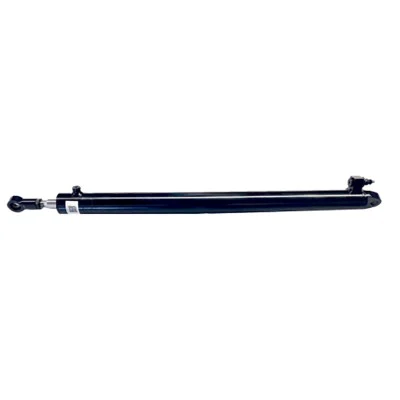
A forklift hydraulic cylinder is a critical component of a forklift’s hydraulic system. It is responsible for providing the lifting power and control necessary for the forklift to handle heavy loads.
What Is A Hydraulic Upper Arm Cylinder?
A forklift hydraulic cylinder is a critical component of a forklift's hydraulic system. It is responsible for providing the lifting power and control necessary for the forklift to handle heavy loads. Forklift hydraulic cylinders are designed and engineered for the unique requirements of forklift applications. At the same time, their performance and durability can vary depending on the specific design, quality, and maintenance.
| bore diameter (D) | rod diameter (d) | stroke (S) | Installation distance (L) | working pressure | Interface dimensions (M) | weight |
| Φ110 | Φ75 | 815 | 1433 | 23MPa | 2-Φ9 | 100kg |
Here's an overview of forklift hydraulic cylinders and their key features:
- Function:
- The primary function of a forklift hydraulic cylinder is to lift and lower the forks or lifting platform of the forklift.
- It converts hydraulic pressure into mechanical force, allowing the forklift to lift and transport heavy loads easily.
- Construction:
- A forklift hydraulic cylinder typically consists of a cylinder barrel, piston, piston rod, seals, hydraulic connections, and mounting brackets.
- The cylinder barrel houses the piston and creates a sealed chamber for hydraulic fluid.
- The piston is connected to the piston rod, which extends outside the cylinder and is attached to the forklift's forks or lifting platform.
- Seals prevent hydraulic fluid leakage and maintain pressure within the cylinder.
- Hydraulic System Integration:
- The forklift hydraulic cylinder is connected to the forklift's hydraulic system, which includes a hydraulic pump, valves, hoses, and a reservoir.
- When lifting or lowering the forks, the hydraulic pump pressurizes and supplies the hydraulic fluid to the cylinder.
- Valves control the flow and direction of hydraulic fluid, allowing for precise control of the forklift's lifting and lowering actions.
- Load Capacity:
- Forklift hydraulic cylinders are designed to handle varying load capacities, depending on the specific forklift model and application.
- The load capacity of a forklift is determined by factors such as the size and design of the hydraulic cylinder, the hydraulic system's operating pressure, and the structural capabilities of the forklift itself.
- Maintenance:
- Proper maintenance practices for forklift hydraulic cylinders are essential for optimal performance and longevity.
- Regularly inspect the cylinder for leaks, damage, or wear. Check the seals, cylinder barrel, piston, piston rod, and hydraulic connections.
- Lubricate the moving parts according to the manufacturer's guidelines to reduce friction and ensure smooth operation.
- Clean the cylinder and its components regularly to remove dirt, debris, or contaminants that may affect performance.
- If any issues or malfunctions are detected, consult the manufacturer's maintenance manual or seek professional assistance for repairs or replacements.

Application of Forklift Hydraulic Cylinder
Forklift hydraulic cylinders have a wide range of applications in various industries requiring material handling and lifting operations. Some common applications of forklift hydraulic cylinders include:
1. Forklift Trucks:
- Forklift hydraulic cylinders are extensively used in forklift trucks, which are commonly employed in warehouses, distribution centers, construction sites, and manufacturing facilities.
- These cylinders enable the lifting and lowering of the forklift's forks or lifting platform, allowing for the movement and transportation of pallets, crates, and other heavy loads.
2. Material Handling Equipment:
- Forklift hydraulic cylinders are integrated into various material handling equipment, such as reach trucks, order pickers, stackers, and pallet jacks.
- These cylinders provide the lifting and lowering capabilities necessary for loading, unloading, stacking, and retrieving materials in warehouses and distribution centers.
3. Industrial Machinery:
- Forklift hydraulic cylinders are utilized in various industrial machinery requiring lifting or positioning capabilities.
- They can be found in machinery like scissor lifts, aerial work platforms, hydraulic presses, and lifting tables, facilitating vertical movement and load handling.
4. Construction Equipment:
- Forklift hydraulic cylinders are employed in construction equipment such as telehandlers, rough-terrain forklifts, and compact loaders.
- These cylinders enable the lifting and tilting of forks, buckets, or attachments, allowing for material handling, excavation, and loading operations on construction sites.
5. Automotive Industry:
- Forklift hydraulic cylinders are utilized in automotive assembly lines and manufacturing processes.
- During assembly or maintenance operations, they play a role in lifting and positioning components, such as chassis, engines, and body panels.
6. Agriculture and Farming:
- Forklift hydraulic cylinders are used in agricultural machinery, including tractor loaders, front-end loaders, and farming forklifts.
- These cylinders provide lifting capabilities for implements, bales, feed, and other agricultural materials, aiding in farming and livestock operations.
7. Waste Management:
- Forklift hydraulic cylinders are employed in waste management equipment, such as waste compactors and refuse trucks.
- They facilitate the lifting and compression of waste materials, optimizing storage space and transportation efficiency.
These are just a few examples of the applications of forklift hydraulic cylinders. Their versatility and lifting capabilities make them essential components in many industries requiring efficient material handling and lifting operations.

How do forklift hydraulic cylinders compare to other hydraulic cylinders in terms of performance and durability?
Forklift hydraulic cylinders are designed and engineered for the unique requirements of forklift applications. While their performance and durability can vary depending on the specific design, quality, and maintenance, here are some general comparisons between forklift hydraulic cylinders and other types of hydraulic cylinders:
1. Load Capacity:
- Forklift hydraulic cylinders are typically designed to handle moderate to heavy loads, depending on the forklift's capacity and application.
- Some specialized hydraulic cylinders, such as those used in heavy-duty construction equipment or industrial machinery, may have higher load capacities.
- However, forklift hydraulic cylinders are specifically optimized for the load capacities typically encountered in forklift operations.
2. Lifting Speed:
- Forklift hydraulic cylinders are often designed to provide efficient and relatively fast lifting speeds to optimize productivity in material handling operations.
- In contrast, other hydraulic cylinders, such as those used in slow-moving industrial presses or precision machinery, may prioritize slower and controlled movement for accuracy and safety.
3. Size and Compactness:
- Forklift hydraulic cylinders are typically designed to be compact and fit within the space constraints of the forklift's structure.
- They are often engineered to have a relatively small footprint to accommodate the limited space available in forklift applications.
- Other hydraulic cylinders used in larger machinery or equipment may have larger physical dimensions to handle heavier loads or longer strokes.
4. Durability and Robustness:
- Forklift hydraulic cylinders are subjected to regular and repetitive use in demanding industrial environments.
- They are generally built to withstand the rigors of frequent lifting, lowering, and load-handling operations.
- However, other hydraulic cylinders, such as those used in heavy industrial applications or extreme environments, may be designed with even greater durability and robustness.
5. Maintenance and Serviceability:
- Like any hydraulic component, forklift hydraulic cylinders require regular maintenance and servicing to ensure optimal performance and longevity.
- They are designed to be relatively accessible for routine maintenance tasks such as seal replacements, lubrication, and cleaning.
- The serviceability of forklift hydraulic cylinders may be optimized for ease of maintenance due to the frequent use and demanding nature of forklift operations.
It's important to note that the performance and durability of hydraulic cylinders can vary significantly based on factors such as design, quality of construction, operating conditions, and maintenance practices. Specific applications may require specialized hydraulic cylinders tailored to their unique requirements. Manufacturers of hydraulic cylinders provide detailed specifications, guidelines, and recommendations for their optimal usage and maintenance, which should be followed to ensure their performance and durability.
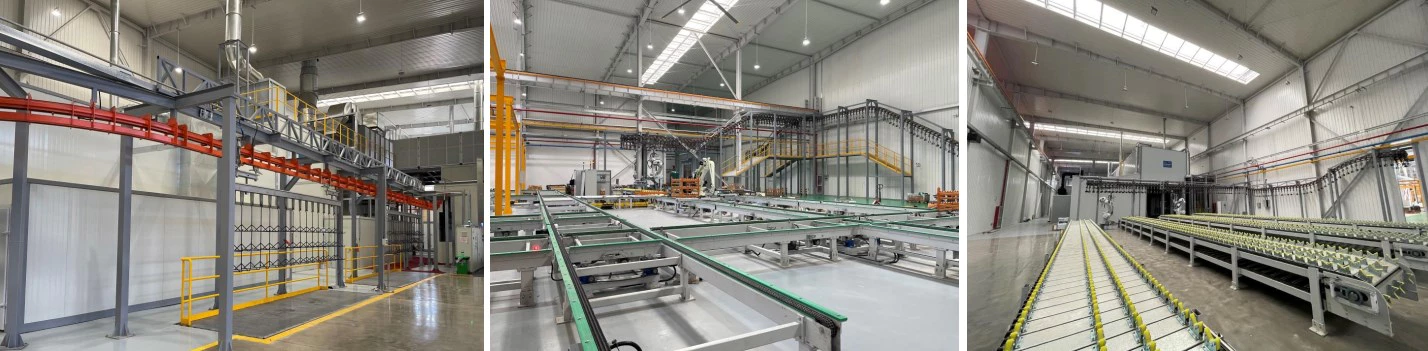
Our Factory 
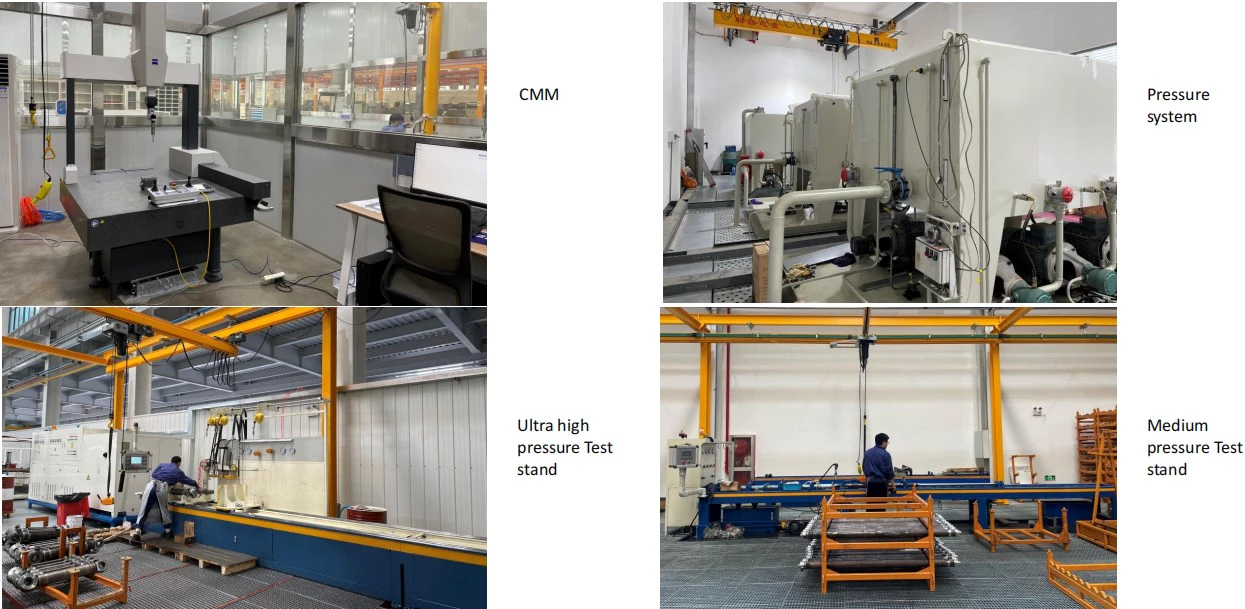
Every power welcomes customers to customize with pictures and samples.
Additional information
| edited | by hyw |
|---|
Related products
-
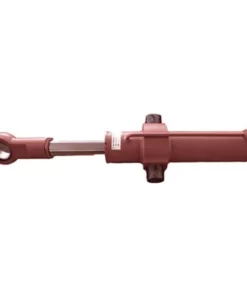
Durable Hydraulic Cylinders Forward Thrust Cylinder For Sanitation Machinery
-
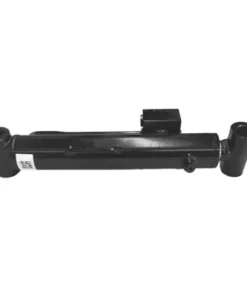
100kg Hydraulic Upper Arm Cylinder for Boom Aerial Work Vehicle
-
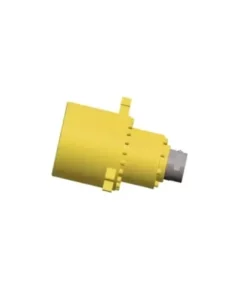
Good Quality Hydraulic Tightening Cylinder for Large Excavator Price
-
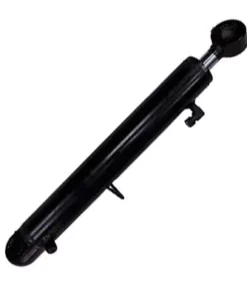
Hydraulic Bucket Cylinder Price Manufacturers Factory
-
Low Price Hydraulic Luffing Cylinder Replacement For Crane
-
Forklift Steering Cylinder Replacement of Toyota
Product Quick Detail:
- Standard and non-standard available
- With high quality and competitive price
- Prompt delivery
- Packing as per customer’s demand.
We promise will offer the best price by the high quality in china! We also accept special order about the products. If you are interested in our products. Please do not hesitate to let us know.We are pleased to give you the detailed information.We promise that our products would be safety and were in high quality and reasonable price. If you are interested in our products, please contact us asap.We are sincerely looking for your cooperation.
Most of our products are exported to Europe or Americas, both standard and nonstandard products available. We can produce as per your drawing or sample. Material can be standard or as per your special request. If you choose us, you choose reliable.

Materials Available
1. Stainless Steel: SS201, SS303, SS304, SS316, SS416, SS420
2. Steel:C45(K1045), C46(K1046),C20
3. Brass:C36000 ( C26800), C37700 ( HPb59), C38500( HPb58), C27200(CuZn37), C28000(CuZn40)
4. Bronze: C51000, C52100, C54400, etc
5. Iron: 1213, 12L14,1215
6. Aluminum: Al6061, Al6063
7.OEM according to your request
Surface Treatment
Annealing, natural canonization, heat treatment, polishing, nickel plating, chrome plating, zinc plating,yellow passivization, gold passivization, satin, Black surface painted etc.
Processing Method
CNC machining, punch,turning, milling, drilling, grinding, broaching, welding and assembly
QC & Certificate
Technicians self-check in production,final-check before package by professional Quality inspector
ISO9001:2008 , ISO14001:2001,ISO/TS 16949:2009
Package & Lead Time
Size: Drawings
Wooden Case/Container and pallet, or as per customized specifications.
15-25days samples. 30-45days offcial order
Port: Shanghai/Ningbo port
 English
  Bulgarian
  Russian
  Czech
Czech  Bosnian
  Thai
Thai  Arabic
  Chinese
  Swahili
  Amharic
  Japanese
  Korean
  Hungarian
  Spanish
  Azerbaijani
  Greek
Greek  Vietnamese
  Danish
  Malay
Malay  Hebrew
  Croatian
  Bengali
  Kyrgyz
  Italian
  Polish
  French
  Kazakh
  Portuguese