
Гидравлический подъемный цилиндр одностороннего действия для вилочного погрузчика (правый), замена Toyota
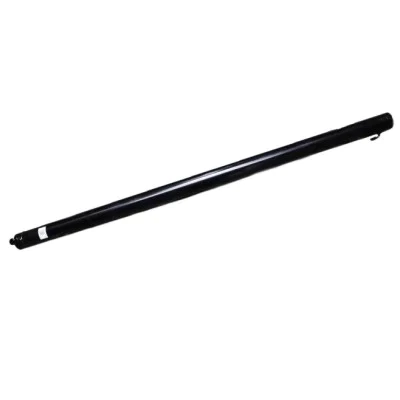
A hydraulic forklift lifting cylinder is a type of hydraulic cylinder that is specifically designed and used in forklifts to provide the lifting capability for the forks or mast. Forklifts rely on hydraulic systems to raise and lower the forks or mast to lift and transport loads.
What Is A Hydraulic Forklift Lifting Cylinder?
A hydraulic forklift lifting cylinder is specifically designed and used in forklifts to provide the lifting capability for the forks or mast. Forklifts rely on hydraulic systems to raise and lower the forks or mast to lift and transport loads.
The hydraulic forklift lifting cylinder consists of several components:
1. Cylinder Barrel: The cylinder barrel is a cylindrical tube that houses the piston and provides a sealed chamber for the hydraulic fluid.
2. Piston: The piston is a cylindrical component that fits inside the cylinder barrel. It divides the cylinder into two chambers: the base end and the rod end. The piston is connected to a piston rod and moves back and forth within the cylinder barrel.
3. Piston Rod: The piston rod is a solid rod that extends from the piston through a seal in one end of the cylinder barrel. It transmits the linear force the hydraulic pressure generates to the forks or mast for lifting or lowering.
4. Seals prevent hydraulic fluid leakage between the piston and the cylinder barrel. They ensure that the hydraulic pressure is contained within the cylinder.
5. Hydraulic Ports: The hydraulic ports are openings in the cylinder barrel that allow the hydraulic fluid to enter and exit the cylinder. These ports are connected to the hydraulic system, which includes a hydraulic pump, control valves, and hydraulic lines.
When hydraulic pressure is applied to one side of the hydraulic forklift lifting cylinder, the hydraulic fluid exerts force on the piston, causing it to move in one direction. This movement extends or retracts the piston rod, which raises or lowers the forks or mast of the forklift. The force generated by the hydraulic pressure is transmitted through the piston rod to the load being lifted.
Hydraulic forklift lifting cylinders are crucial components in forklifts, enabling them to lift and transport heavy loads safely and efficiently. Proper maintenance and regular inspections of the hydraulic cylinders are essential to ensure optimal performance, as outlined in the previous response regarding hydraulic cylinder maintenance.
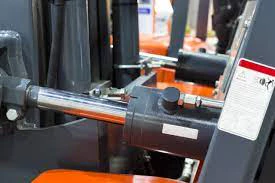
How often should hydraulic forklift lifting cylinders be inspected and maintained?
The frequency of inspection and maintenance for hydraulic forklift lifting cylinders can vary depending on factors such as the manufacturer's recommendations, the intensity of use, operating conditions, and the specific requirements of the forklift model. It's essential to refer to the manufacturer's guidelines for the recommended inspection and maintenance intervals specific to your forklift.
However, as a general guideline, here are some recommended practices:
1. Visual Inspections: Regularly inspect the hydraulic forklift lifting cylinders. This can be done on a daily or shift basis. Look for any signs of leaks, damage to seals or components, loose connections, or abnormal wear. Inspect the cylinders for misalignment or excessive play.
2. Preventive Maintenance Schedule: Establish a preventive maintenance schedule for the forklift, including the hydraulic system and lifting cylinders. This schedule should include regular inspections, fluid analysis, lubrication, and seal replacement. The specific intervals can be determined based on the manufacturer's recommendations and the intensity of use of the forklift.
3. Fluid Analysis: Monitor the condition of the hydraulic fluid regularly. Check for proper fluid level, color, and clarity. If the fluid appears cloudy or contains debris, it may indicate contamination. Regularly change the hydraulic fluid as per the manufacturer's recommendations and use proper filtration systems to keep the fluid clean.
4. Seal Inspection and Replacement: Regularly inspect the seals of the hydraulic forklift lifting cylinders for signs of wear, damage, or leaks. Replace worn or damaged seals promptly to prevent fluid leakage and maintain proper cylinder operation.
5. Lubrication: Follow the manufacturer's guidelines for lubrication intervals and use the recommended lubricants. Apply lubrication to the piston rod, seals, and other moving parts as recommended.
6. Operator Feedback: Encourage operators to promptly report any issues or abnormalities with the hydraulic forklift lifting cylinders. They are often the first to notice any changes in performance or signs of trouble.
Remember, these guidelines are general recommendations, and it's essential to consult the manufacturer's policies and advice specific to your forklift model. Additionally, always prioritize safety and follow any regulatory requirements or standards related to your region's inspection and maintenance of forklifts.
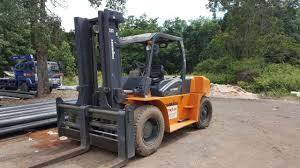
How often should hydraulic forklift lifting cylinders be inspected and maintained?
The frequency of inspection and maintenance for hydraulic forklift lifting cylinders can vary depending on factors such as the manufacturer's recommendations, the intensity of use, operating conditions, and the specific requirements of the forklift model. It's important to refer to the manufacturer's guidelines for the recommended inspection and maintenance intervals specific to your forklift.
However, as a general guideline, here are some recommended practices:
1. Visual Inspections: Regularly inspect the hydraulic forklift lifting cylinders. This can be done on a daily or shift basis. Look for any signs of leaks, damage to seals or components, loose connections, or abnormal wear. Inspect the cylinders for misalignment or excessive play.
2. Preventive Maintenance Schedule: Establish a preventive maintenance schedule for the forklift, including the hydraulic system and lifting cylinders. This schedule should include regular inspections, fluid analysis, lubrication, and seal replacement. The specific intervals can be determined based on the manufacturer's recommendations and the intensity of use of the forklift.
3. Fluid Analysis: Monitor the condition of the hydraulic fluid regularly. Check for proper fluid level, color, and clarity. If the fluid appears cloudy or contains debris, it may indicate contamination. Periodically change the hydraulic fluid as per the manufacturer's recommendations and use proper filtration systems to keep the fluid clean.
4. Seal Inspection and Replacement: Regularly inspect the seals of the hydraulic forklift lifting cylinders for signs of wear, damage, or leaks. Replace worn or damaged seals promptly to prevent fluid leakage and maintain proper cylinder operation.
5. Lubrication: Follow the manufacturer's guidelines for lubrication intervals and use the recommended lubricants. As recommended, apply lubrication to the piston rod, seals, and other moving parts.
6. Operator Feedback: Encourage operators to promptly report any issues or abnormalities with the hydraulic forklift lifting cylinders. They are often the first to notice any changes in performance or signs of trouble.
Remember, these guidelines are general recommendations, and it's important to consult the manufacturer's guidelines and recommendations specific to your forklift model. Additionally, always prioritize safety and follow any regulatory requirements or standards related to inspection and maintenance of forklifts in your region.
Application of Hydraulic Forklift Lifting Cylinder
- Lifting Loads: The primary application of hydraulic forklift lifting cylinders is to lift loads. The cylinders are responsible for raising and lowering the forks or mast of the forklift, allowing it to pick up and transport heavy objects. The hydraulic pressure applied to the cylinders generates the force required to lift the load.
- Load Positioning: Hydraulic forklift lifting cylinders enable precise load positioning. By controlling the extension and retraction of the piston rod, the cylinders allow for the accurate placement of loads at different heights or positions. This feature is especially important in applications requiring precise placement or stacking of goods.
- Tilting of Forks or Mast: Some forklifts have hydraulic cylinders that enable tilting the forks or mast. These cylinders allow the operator to adjust the tilt angle of the forks or mast, making it easier to pick up and handle loads on uneven surfaces or when loading and unloading on ramps or dock plates.
- Mast Extension: In forklifts with telescopic masts, hydraulic cylinders are used to extend or retract the mast sections. These cylinders provide the lifting capability for the mast, allowing it to reach higher elevation levels. The telescopic mast design is commonly used in forklifts that require extended lift heights.
- Side-Shifting: Some forklifts are equipped with hydraulic cylinders for side-shifting capabilities. These cylinders enable the forks to move horizontally, allowing operators to adjust the position of the load without repositioning the entire forklift. Side-shifting cylinders enhance efficiency and flexibility in handling various load sizes and configurations.
- Container Spreader Applications: In container handling applications, hydraulic forklift lifting cylinders are used in container spreaders. These spreaders are attached to the forklift and used to secure and lift shipping containers. The hydraulic cylinders in the spreader provide the lifting force to handle heavy containers.
Наша фабрика 
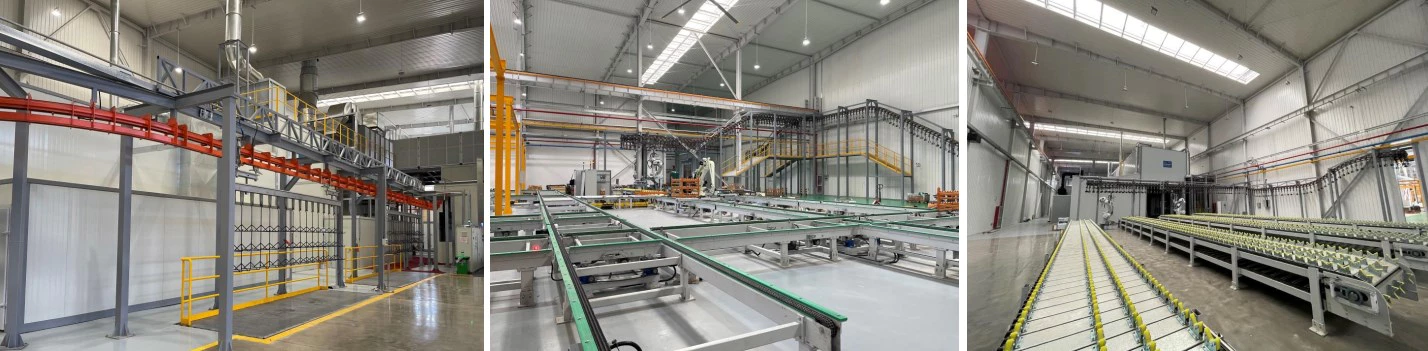
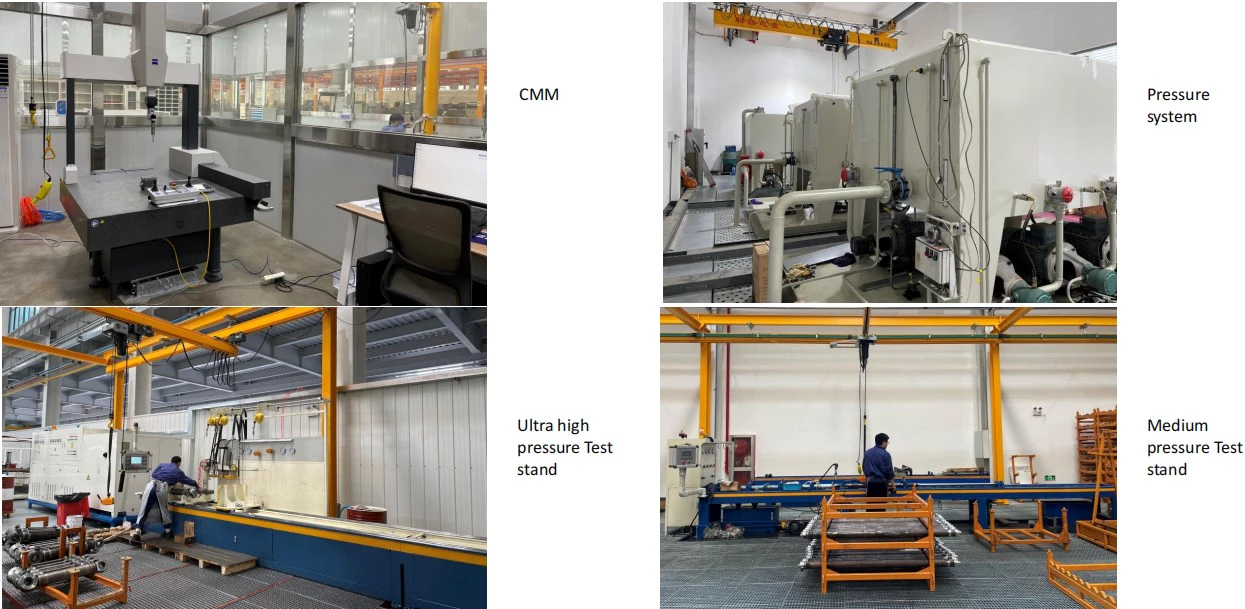
Мы располагаем первоклассной независимой научно-исследовательской платформой для сборки. В цехе по производству цилиндров для вилочных погрузчиков имеется четыре полуавтоматические линии сборки подъемных цилиндров и одна полностью автоматическая линия сборки наклонных цилиндров, с проектной годовой производительностью 1 миллион единиц; цех специальных цилиндров оснащен полуавтоматическими системами очистки и сборки различных спецификаций, с проектной годовой производительностью 200 000 единиц. Здесь установлено известное оборудование с ЧПУ, обрабатывающие центры, специальное оборудование для высокоточной обработки цилиндров, роботизированные сварочные аппараты, автоматические машины для очистки, автоматические сборочные машины для цилиндров и автоматические линии покраски. В нашем распоряжении более 300 комплектов критически важного оборудования. Оптимизированное распределение и эффективное использование ресурсов оборудования обеспечивают точность изготовления продукции и соответствие высоким стандартам качества.
Details
| отредактировано | по гив |
|---|
Похожие товары
-
Замена пружинного цилиндра одностороннего действия для крана Toyota
-
Профессиональное производство недорогих гидравлических цилиндров подъема стрелы для подъемной рабочей платформы
-
Низкая цена на замену гидравлического цилиндра изменения вылета стрелы для крана
-
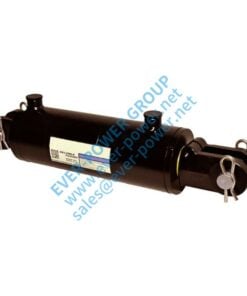
Гидравлический цилиндр
-
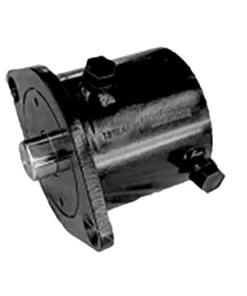
Ремонт и замена цилиндра наклона вилочного погрузчика 18 МПа 3,4 кг Toyota
-
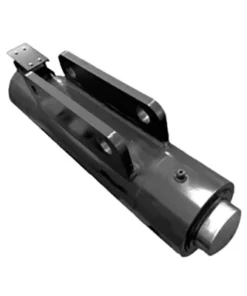
Различные гидравлические цилиндры противовеса хорошего качества для кранов
Продукт Быстрая деталь:
- Доступны стандартные и нестандартные варианты
- С высоким качеством и конкурентоспособной ценой
- Оперативная доставка
- Упаковка в соответствии с требованиями заказчика.
Мы обещаем предложить лучшую цену и высокое качество в Китае! Мы также принимаем специальные заказы на продукцию. Если вы заинтересованы в нашей продукции. Пожалуйста, не стесняйтесь, дайте нам знать. Мы рады предоставить вам подробную информацию. Мы обещаем, что наши продукты будут безопасности и были в высоком качестве и разумной цене. Если вы заинтересованы в нашей продукции, пожалуйста, свяжитесь с нами как можно скорее. Мы искренне стремимся к вашему сотрудничеству.
Большая часть нашей продукции экспортируется в Европу и Америку, имеются как стандартные, так и нестандартные изделия. Мы можем производить продукцию в соответствии с вашим чертежом или образцом. Материал может быть стандартным или по вашему специальному запросу. Если вы выбираете нас, вы выбираете надежность.

Доступные материалы
1. Нержавеющая сталь: SS201, SS303, SS304, SS316, SS416, SS420
2. Steel:C45(K1045), C46(K1046),C20
3. Латунь: C36000 (C26800), C37700 (HPb59), C38500 (HPb58), C27200 (CuZn37), C28000 (CuZn40)
4. Бронза: C51000, C52100, C54400 и т.д.
5. Железо: 1213, 12L14, 1215
6. Алюминий: Al6061, Al6063
7.OEM согласно вашему запросу
Обработка поверхности
Отжиг, естественная канонизация, термообработка, полировка, никелирование, хромирование, цинкование, желтая пассивация, золотая пассивация, сатинирование, черная окрашенная поверхность и т.д.
Метод обработки
Обработка с ЧПУ, штамповка, токарная обработка, фрезерование, сверление, шлифовка, протяжка, сварка и сборка
Контроль качества и сертификат
Самопроверка техники в производстве, окончательная проверка перед упаковкой профессиональным инспектором качества
ISO9001:2008, ISO14001:2001, ISO/TS 16949:2009
Упаковка и время выполнения
Размер: Рисунки
Деревянный ящик/контейнер и поддон, или в соответствии с индивидуальными спецификациями.
15-25 дней образцы. 30-45 дней официальный заказ
Порт: Шанхай/Нинбо порт
 Russian
  English
  Bulgarian
  Czech
Czech  Bosnian
  Thai
Thai  Arabic
  Chinese
  Swahili
  Amharic
  Japanese
  Korean
  Hungarian
  Spanish
  Azerbaijani
  Greek
Greek  Vietnamese
  Danish
  Malay
Malay  Hebrew
  Croatian
  Bengali
  Kyrgyz
  Italian
  Polish
  French
  Kazakh
  Portuguese