
단동 유압 포크리프트 리프팅 실린더(오른쪽) 토요타 교체
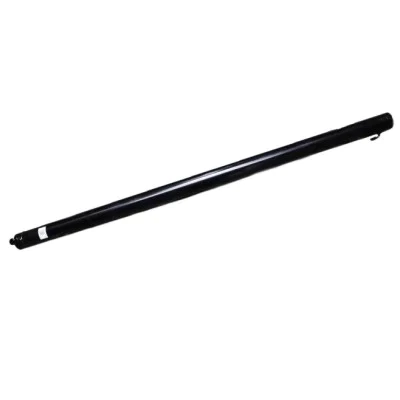
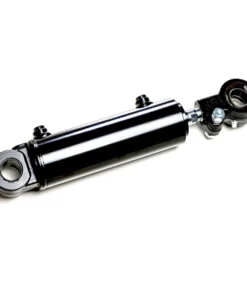
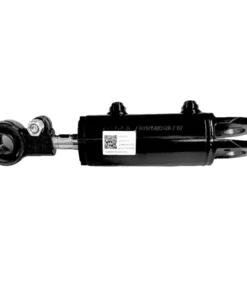
A hydraulic forklift lifting cylinder is a type of hydraulic cylinder that is specifically designed and used in forklifts to provide the lifting capability for the forks or mast. Forklifts rely on hydraulic systems to raise and lower the forks or mast to lift and transport loads.
What Is A Hydraulic Forklift Lifting Cylinder?
A hydraulic forklift lifting cylinder is specifically designed and used in forklifts to provide the lifting capability for the forks or mast. Forklifts rely on hydraulic systems to raise and lower the forks or mast to lift and transport loads.
The hydraulic forklift lifting cylinder consists of several components:
1. Cylinder Barrel: The cylinder barrel is a cylindrical tube that houses the piston and provides a sealed chamber for the hydraulic fluid.
2. Piston: The piston is a cylindrical component that fits inside the cylinder barrel. It divides the cylinder into two chambers: the base end and the rod end. The piston is connected to a piston rod and moves back and forth within the cylinder barrel.
3. Piston Rod: The piston rod is a solid rod that extends from the piston through a seal in one end of the cylinder barrel. It transmits the linear force the hydraulic pressure generates to the forks or mast for lifting or lowering.
4. Seals prevent hydraulic fluid leakage between the piston and the cylinder barrel. They ensure that the hydraulic pressure is contained within the cylinder.
5. Hydraulic Ports: The hydraulic ports are openings in the cylinder barrel that allow the hydraulic fluid to enter and exit the cylinder. These ports are connected to the hydraulic system, which includes a hydraulic pump, control valves, and hydraulic lines.
When hydraulic pressure is applied to one side of the hydraulic forklift lifting cylinder, the hydraulic fluid exerts force on the piston, causing it to move in one direction. This movement extends or retracts the piston rod, which raises or lowers the forks or mast of the forklift. The force generated by the hydraulic pressure is transmitted through the piston rod to the load being lifted.
Hydraulic forklift lifting cylinders are crucial components in forklifts, enabling them to lift and transport heavy loads safely and efficiently. Proper maintenance and regular inspections of the hydraulic cylinders are essential to ensure optimal performance, as outlined in the previous response regarding hydraulic cylinder maintenance.
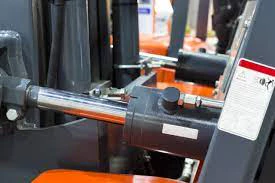
How often should hydraulic forklift lifting cylinders be inspected and maintained?
The frequency of inspection and maintenance for hydraulic forklift lifting cylinders can vary depending on factors such as the manufacturer's recommendations, the intensity of use, operating conditions, and the specific requirements of the forklift model. It's essential to refer to the manufacturer's guidelines for the recommended inspection and maintenance intervals specific to your forklift.
However, as a general guideline, here are some recommended practices:
1. Visual Inspections: Regularly inspect the hydraulic forklift lifting cylinders. This can be done on a daily or shift basis. Look for any signs of leaks, damage to seals or components, loose connections, or abnormal wear. Inspect the cylinders for misalignment or excessive play.
2. Preventive Maintenance Schedule: Establish a preventive maintenance schedule for the forklift, including the hydraulic system and lifting cylinders. This schedule should include regular inspections, fluid analysis, lubrication, and seal replacement. The specific intervals can be determined based on the manufacturer's recommendations and the intensity of use of the forklift.
3. Fluid Analysis: Monitor the condition of the hydraulic fluid regularly. Check for proper fluid level, color, and clarity. If the fluid appears cloudy or contains debris, it may indicate contamination. Regularly change the hydraulic fluid as per the manufacturer's recommendations and use proper filtration systems to keep the fluid clean.
4. Seal Inspection and Replacement: Regularly inspect the seals of the hydraulic forklift lifting cylinders for signs of wear, damage, or leaks. Replace worn or damaged seals promptly to prevent fluid leakage and maintain proper cylinder operation.
5. Lubrication: Follow the manufacturer's guidelines for lubrication intervals and use the recommended lubricants. Apply lubrication to the piston rod, seals, and other moving parts as recommended.
6. Operator Feedback: Encourage operators to promptly report any issues or abnormalities with the hydraulic forklift lifting cylinders. They are often the first to notice any changes in performance or signs of trouble.
Remember, these guidelines are general recommendations, and it's essential to consult the manufacturer's policies and advice specific to your forklift model. Additionally, always prioritize safety and follow any regulatory requirements or standards related to your region's inspection and maintenance of forklifts.
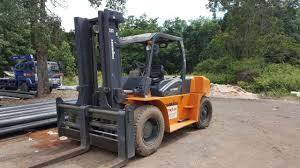
How often should hydraulic forklift lifting cylinders be inspected and maintained?
The frequency of inspection and maintenance for hydraulic forklift lifting cylinders can vary depending on factors such as the manufacturer's recommendations, the intensity of use, operating conditions, and the specific requirements of the forklift model. It's important to refer to the manufacturer's guidelines for the recommended inspection and maintenance intervals specific to your forklift.
However, as a general guideline, here are some recommended practices:
1. Visual Inspections: Regularly inspect the hydraulic forklift lifting cylinders. This can be done on a daily or shift basis. Look for any signs of leaks, damage to seals or components, loose connections, or abnormal wear. Inspect the cylinders for misalignment or excessive play.
2. Preventive Maintenance Schedule: Establish a preventive maintenance schedule for the forklift, including the hydraulic system and lifting cylinders. This schedule should include regular inspections, fluid analysis, lubrication, and seal replacement. The specific intervals can be determined based on the manufacturer's recommendations and the intensity of use of the forklift.
3. Fluid Analysis: Monitor the condition of the hydraulic fluid regularly. Check for proper fluid level, color, and clarity. If the fluid appears cloudy or contains debris, it may indicate contamination. Periodically change the hydraulic fluid as per the manufacturer's recommendations and use proper filtration systems to keep the fluid clean.
4. Seal Inspection and Replacement: Regularly inspect the seals of the hydraulic forklift lifting cylinders for signs of wear, damage, or leaks. Replace worn or damaged seals promptly to prevent fluid leakage and maintain proper cylinder operation.
5. Lubrication: Follow the manufacturer's guidelines for lubrication intervals and use the recommended lubricants. As recommended, apply lubrication to the piston rod, seals, and other moving parts.
6. Operator Feedback: Encourage operators to promptly report any issues or abnormalities with the hydraulic forklift lifting cylinders. They are often the first to notice any changes in performance or signs of trouble.
Remember, these guidelines are general recommendations, and it's important to consult the manufacturer's guidelines and recommendations specific to your forklift model. Additionally, always prioritize safety and follow any regulatory requirements or standards related to inspection and maintenance of forklifts in your region.
Application of Hydraulic Forklift Lifting Cylinder
- Lifting Loads: The primary application of hydraulic forklift lifting cylinders is to lift loads. The cylinders are responsible for raising and lowering the forks or mast of the forklift, allowing it to pick up and transport heavy objects. The hydraulic pressure applied to the cylinders generates the force required to lift the load.
- Load Positioning: Hydraulic forklift lifting cylinders enable precise load positioning. By controlling the extension and retraction of the piston rod, the cylinders allow for the accurate placement of loads at different heights or positions. This feature is especially important in applications requiring precise placement or stacking of goods.
- Tilting of Forks or Mast: Some forklifts have hydraulic cylinders that enable tilting the forks or mast. These cylinders allow the operator to adjust the tilt angle of the forks or mast, making it easier to pick up and handle loads on uneven surfaces or when loading and unloading on ramps or dock plates.
- Mast Extension: In forklifts with telescopic masts, hydraulic cylinders are used to extend or retract the mast sections. These cylinders provide the lifting capability for the mast, allowing it to reach higher elevation levels. The telescopic mast design is commonly used in forklifts that require extended lift heights.
- Side-Shifting: Some forklifts are equipped with hydraulic cylinders for side-shifting capabilities. These cylinders enable the forks to move horizontally, allowing operators to adjust the position of the load without repositioning the entire forklift. Side-shifting cylinders enhance efficiency and flexibility in handling various load sizes and configurations.
- Container Spreader Applications: In container handling applications, hydraulic forklift lifting cylinders are used in container spreaders. These spreaders are attached to the forklift and used to secure and lift shipping containers. The hydraulic cylinders in the spreader provide the lifting force to handle heavy containers.
우리 공장 
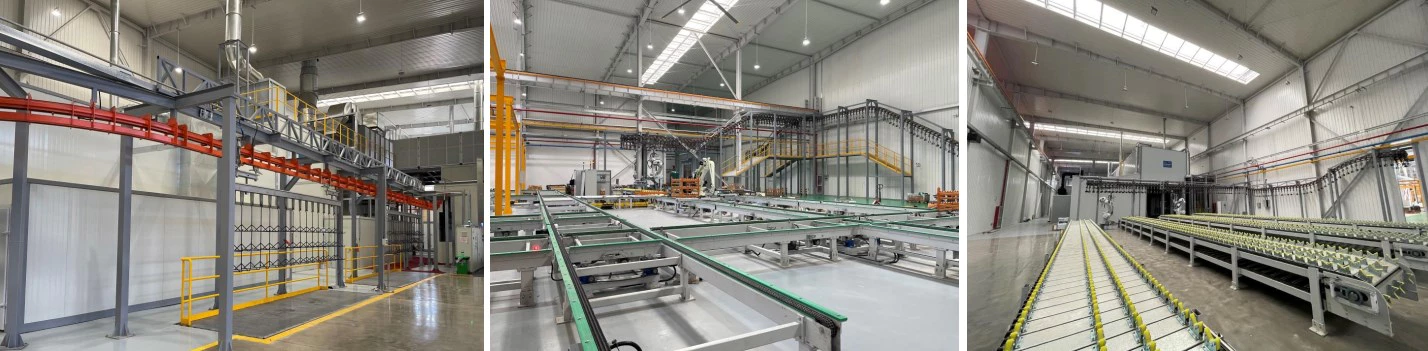
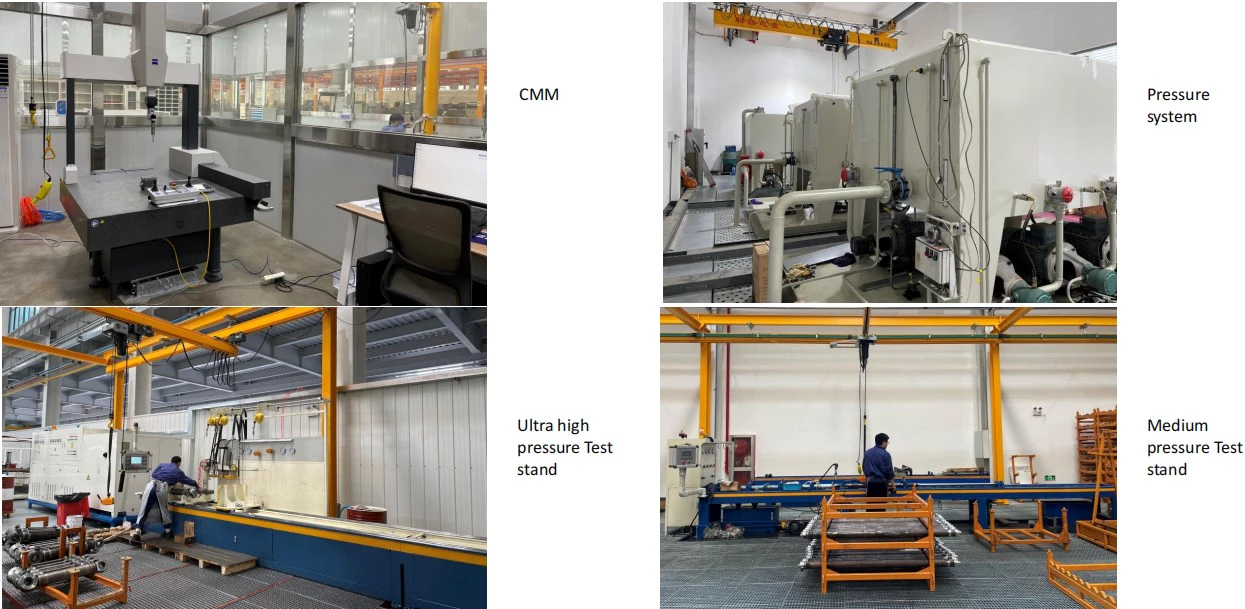
당사는 조립을 위한 최고 수준의 독자적인 R&D 플랫폼을 보유하고 있습니다. 지게차 실린더 생산 작업장은 반자동 리프팅 실린더 조립 라인 4개와 완전 자동 틸팅 실린더 조립 라인 1개를 갖추고 있으며, 연간 100만 개의 생산 능력을 갖추고 있습니다. 특수 실린더 작업장은 다양한 사양의 반자동 세척 및 조립 시스템을 갖추고 있으며, 연간 20만 개의 생산 능력을 갖추고 있습니다. 당사는 유명 CNC 가공 장비, 머시닝 센터, 고정밀 실린더 가공용 특수 장비, 로봇 용접기, 자동 세척기, 자동 실린더 조립기, 자동 페인트 생산 라인을 보유하고 있으며, 300대 이상의 핵심 장비를 가동하고 있습니다. 설비 자원의 최적화된 배치와 효율적인 활용을 통해 제품의 정밀성 요구 사항을 충족하고 높은 수준의 품질 기준을 충족합니다.
추가 정보
| 편집됨 | 왜? |
|---|
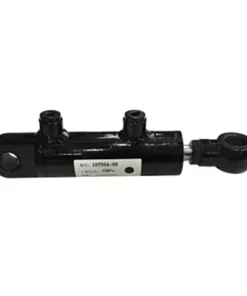
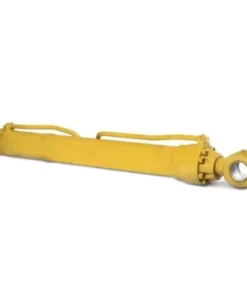
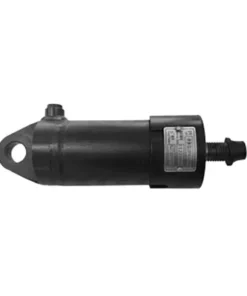
제품 빠른 세부 정보:
- 표준 및 비표준 사용 가능
- 높은 품질과 경쟁력 있는 가격으로
- 신속한 배송
- 고객의 요구에 따라 포장합니다.
우리는 중국에서 높은 품질로 최고의 가격을 제공 할 것을 약속드립니다! 우리는 또한 제품에 대한 특별 주문을받습니다. 우리 제품에 관심이 있으시면. 우리는 당신에게 자세한 정보를 제공하게 된 것을 기쁘게 생각하며, 우리의 제품은 안전 할 것이며 고품질과 합리적인 가격으로 제공 될 것을 약속드립니다. 우리 제품에 관심이 있으시면 빨리 연락 주시기 바랍니다. 우리는 진심으로 당신의 협력을 찾고 있습니다.
대부분의 제품은 유럽이나 아메리카로 수출되며 표준 및 비표준 제품을 모두 사용할 수 있습니다. 도면이나 샘플에 따라 생산할 수 있습니다. 재료는 표준 또는 특별 요청에 따라 사용할 수 있습니다. 우리를 선택하면 신뢰할 수 있습니다.

사용 가능한 재료
1. 스테인리스 스틸: SS201, SS303, SS304, SS316, SS416, SS420
2. Steel:C45(K1045), C46(K1046),C20
3. 황동:C36000(C26800), C37700(HPb59), C38500(HPb58), C27200(CuZn37), C28000(CuZn40) 3.
4. 브론즈: C51000, C52100, C54400 등
5. 철: 1213, 12L14,1215
6. 알루미늄: Al6061, Al6063
7. 귀하의 요청에 따른 OEM
표면 처리
어닐링, 천연 부동태화, 열처리, 연마, 니켈 도금, 크롬 도금, 아연 도금, 황색 부동태화, 금 부동태화, 새틴, 검은색 표면 도장 등.
처리 방법
CNC 가공, 펀칭, 터닝, 밀링, 드릴링, 연삭, 브로칭, 용접 및 조립
품질 관리 및 인증서
기술자가 생산 과정에서 자체 점검하고, 전문 품질 검사관이 포장 전 최종 점검합니다.
ISO9001:2008, ISO14001:2001, ISO/TS 16949:2009
패키지 및 리드 타임
크기: 도면
목재 케이스/용기 및 팔레트 또는 맞춤형 사양에 따라.
15-25일 샘플. 30-45일 공식 주문
항구: 상하이/닝보 항구
 Korean
  English
  Bulgarian
  Russian
  Czech
Czech  Bosnian
  Thai
Thai  Arabic
  Chinese
  Swahili
  Amharic
  Japanese
  Hungarian
  Spanish
  Azerbaijani
  Greek
Greek  Vietnamese
  Danish
  Malay
Malay  Hebrew
  Croatian
  Bengali
  Kyrgyz
  Italian
  Polish
  French
  Kazakh
  Portuguese