
Toyota-nın Tək Təsirli Hidravlik Forklift Qaldırıcı Silindri (Sağda) Əvəzlənməsi
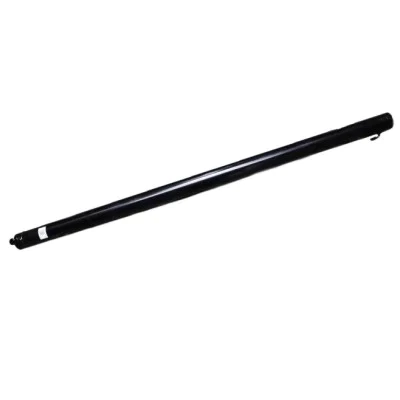
A hydraulic forklift lifting cylinder is a type of hydraulic cylinder that is specifically designed and used in forklifts to provide the lifting capability for the forks or mast. Forklifts rely on hydraulic systems to raise and lower the forks or mast to lift and transport loads.
What Is A Hydraulic Forklift Lifting Cylinder?
A hydraulic forklift lifting cylinder is specifically designed and used in forklifts to provide the lifting capability for the forks or mast. Forklifts rely on hydraulic systems to raise and lower the forks or mast to lift and transport loads.
The hydraulic forklift lifting cylinder consists of several components:
1. Cylinder Barrel: The cylinder barrel is a cylindrical tube that houses the piston and provides a sealed chamber for the hydraulic fluid.
2. Piston: The piston is a cylindrical component that fits inside the cylinder barrel. It divides the cylinder into two chambers: the base end and the rod end. The piston is connected to a piston rod and moves back and forth within the cylinder barrel.
3. Piston Rod: The piston rod is a solid rod that extends from the piston through a seal in one end of the cylinder barrel. It transmits the linear force the hydraulic pressure generates to the forks or mast for lifting or lowering.
4. Seals prevent hydraulic fluid leakage between the piston and the cylinder barrel. They ensure that the hydraulic pressure is contained within the cylinder.
5. Hydraulic Ports: The hydraulic ports are openings in the cylinder barrel that allow the hydraulic fluid to enter and exit the cylinder. These ports are connected to the hydraulic system, which includes a hydraulic pump, control valves, and hydraulic lines.
When hydraulic pressure is applied to one side of the hydraulic forklift lifting cylinder, the hydraulic fluid exerts force on the piston, causing it to move in one direction. This movement extends or retracts the piston rod, which raises or lowers the forks or mast of the forklift. The force generated by the hydraulic pressure is transmitted through the piston rod to the load being lifted.
Hydraulic forklift lifting cylinders are crucial components in forklifts, enabling them to lift and transport heavy loads safely and efficiently. Proper maintenance and regular inspections of the hydraulic cylinders are essential to ensure optimal performance, as outlined in the previous response regarding hydraulic cylinder maintenance.
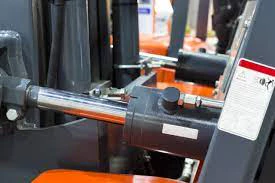
How often should hydraulic forklift lifting cylinders be inspected and maintained?
The frequency of inspection and maintenance for hydraulic forklift lifting cylinders can vary depending on factors such as the manufacturer's recommendations, the intensity of use, operating conditions, and the specific requirements of the forklift model. It's essential to refer to the manufacturer's guidelines for the recommended inspection and maintenance intervals specific to your forklift.
However, as a general guideline, here are some recommended practices:
1. Visual Inspections: Regularly inspect the hydraulic forklift lifting cylinders. This can be done on a daily or shift basis. Look for any signs of leaks, damage to seals or components, loose connections, or abnormal wear. Inspect the cylinders for misalignment or excessive play.
2. Preventive Maintenance Schedule: Establish a preventive maintenance schedule for the forklift, including the hydraulic system and lifting cylinders. This schedule should include regular inspections, fluid analysis, lubrication, and seal replacement. The specific intervals can be determined based on the manufacturer's recommendations and the intensity of use of the forklift.
3. Fluid Analysis: Monitor the condition of the hydraulic fluid regularly. Check for proper fluid level, color, and clarity. If the fluid appears cloudy or contains debris, it may indicate contamination. Regularly change the hydraulic fluid as per the manufacturer's recommendations and use proper filtration systems to keep the fluid clean.
4. Seal Inspection and Replacement: Regularly inspect the seals of the hydraulic forklift lifting cylinders for signs of wear, damage, or leaks. Replace worn or damaged seals promptly to prevent fluid leakage and maintain proper cylinder operation.
5. Lubrication: Follow the manufacturer's guidelines for lubrication intervals and use the recommended lubricants. Apply lubrication to the piston rod, seals, and other moving parts as recommended.
6. Operator Feedback: Encourage operators to promptly report any issues or abnormalities with the hydraulic forklift lifting cylinders. They are often the first to notice any changes in performance or signs of trouble.
Remember, these guidelines are general recommendations, and it's essential to consult the manufacturer's policies and advice specific to your forklift model. Additionally, always prioritize safety and follow any regulatory requirements or standards related to your region's inspection and maintenance of forklifts.
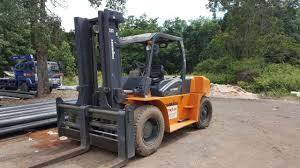
How often should hydraulic forklift lifting cylinders be inspected and maintained?
The frequency of inspection and maintenance for hydraulic forklift lifting cylinders can vary depending on factors such as the manufacturer's recommendations, the intensity of use, operating conditions, and the specific requirements of the forklift model. It's important to refer to the manufacturer's guidelines for the recommended inspection and maintenance intervals specific to your forklift.
However, as a general guideline, here are some recommended practices:
1. Visual Inspections: Regularly inspect the hydraulic forklift lifting cylinders. This can be done on a daily or shift basis. Look for any signs of leaks, damage to seals or components, loose connections, or abnormal wear. Inspect the cylinders for misalignment or excessive play.
2. Preventive Maintenance Schedule: Establish a preventive maintenance schedule for the forklift, including the hydraulic system and lifting cylinders. This schedule should include regular inspections, fluid analysis, lubrication, and seal replacement. The specific intervals can be determined based on the manufacturer's recommendations and the intensity of use of the forklift.
3. Fluid Analysis: Monitor the condition of the hydraulic fluid regularly. Check for proper fluid level, color, and clarity. If the fluid appears cloudy or contains debris, it may indicate contamination. Periodically change the hydraulic fluid as per the manufacturer's recommendations and use proper filtration systems to keep the fluid clean.
4. Seal Inspection and Replacement: Regularly inspect the seals of the hydraulic forklift lifting cylinders for signs of wear, damage, or leaks. Replace worn or damaged seals promptly to prevent fluid leakage and maintain proper cylinder operation.
5. Lubrication: Follow the manufacturer's guidelines for lubrication intervals and use the recommended lubricants. As recommended, apply lubrication to the piston rod, seals, and other moving parts.
6. Operator Feedback: Encourage operators to promptly report any issues or abnormalities with the hydraulic forklift lifting cylinders. They are often the first to notice any changes in performance or signs of trouble.
Remember, these guidelines are general recommendations, and it's important to consult the manufacturer's guidelines and recommendations specific to your forklift model. Additionally, always prioritize safety and follow any regulatory requirements or standards related to inspection and maintenance of forklifts in your region.
Application of Hydraulic Forklift Lifting Cylinder
- Lifting Loads: The primary application of hydraulic forklift lifting cylinders is to lift loads. The cylinders are responsible for raising and lowering the forks or mast of the forklift, allowing it to pick up and transport heavy objects. The hydraulic pressure applied to the cylinders generates the force required to lift the load.
- Load Positioning: Hydraulic forklift lifting cylinders enable precise load positioning. By controlling the extension and retraction of the piston rod, the cylinders allow for the accurate placement of loads at different heights or positions. This feature is especially important in applications requiring precise placement or stacking of goods.
- Tilting of Forks or Mast: Some forklifts have hydraulic cylinders that enable tilting the forks or mast. These cylinders allow the operator to adjust the tilt angle of the forks or mast, making it easier to pick up and handle loads on uneven surfaces or when loading and unloading on ramps or dock plates.
- Mast Extension: In forklifts with telescopic masts, hydraulic cylinders are used to extend or retract the mast sections. These cylinders provide the lifting capability for the mast, allowing it to reach higher elevation levels. The telescopic mast design is commonly used in forklifts that require extended lift heights.
- Side-Shifting: Some forklifts are equipped with hydraulic cylinders for side-shifting capabilities. These cylinders enable the forks to move horizontally, allowing operators to adjust the position of the load without repositioning the entire forklift. Side-shifting cylinders enhance efficiency and flexibility in handling various load sizes and configurations.
- Container Spreader Applications: In container handling applications, hydraulic forklift lifting cylinders are used in container spreaders. These spreaders are attached to the forklift and used to secure and lift shipping containers. The hydraulic cylinders in the spreader provide the lifting force to handle heavy containers.
Fabrikimiz 
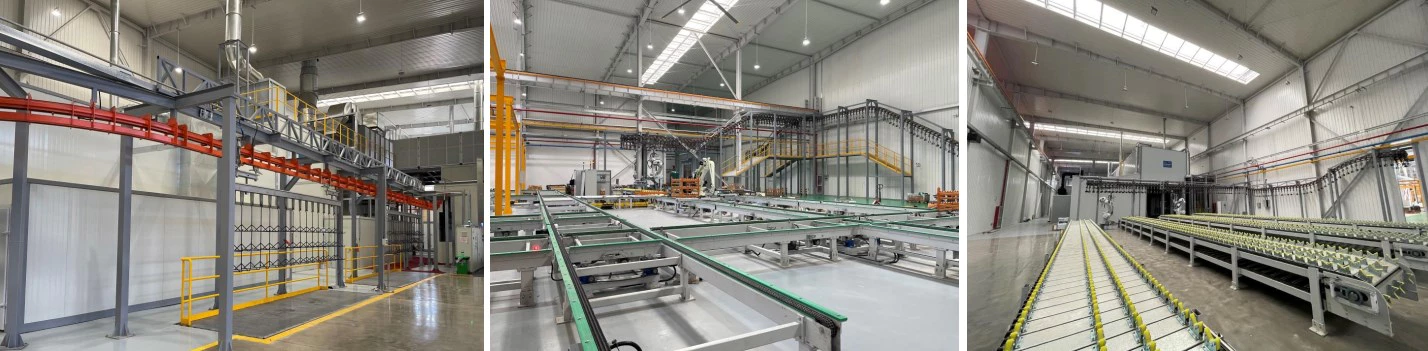
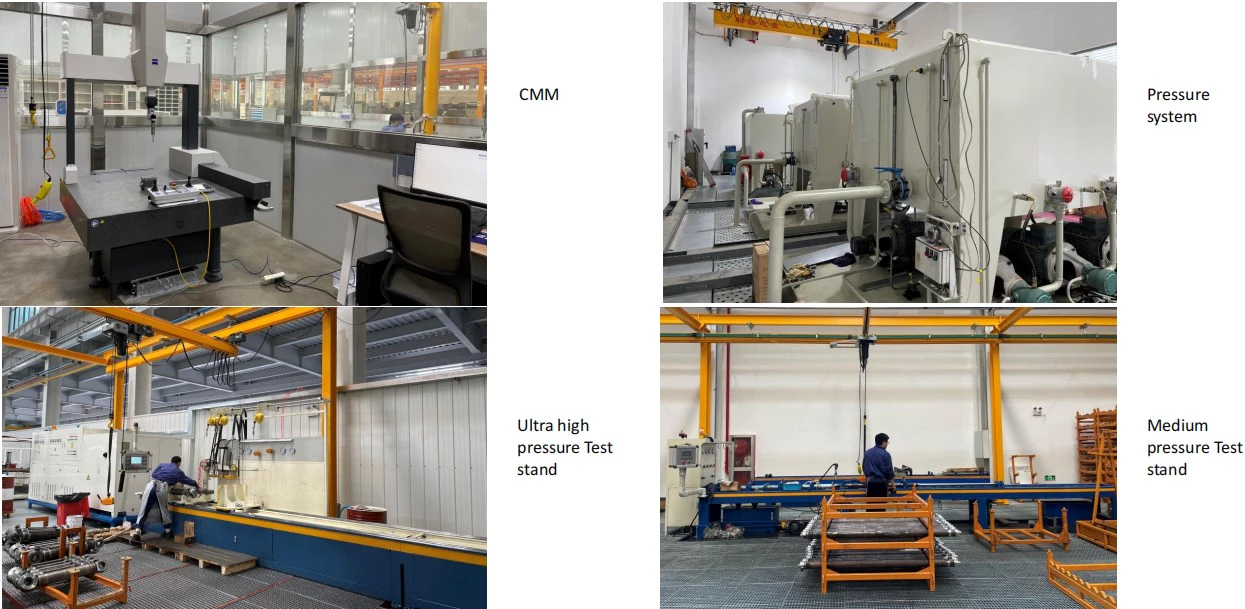
Montaj üçün birinci dərəcəli müstəqil R&D platformamız var. Forklift silindrlərinin istehsalı emalatxanasında dörd yarımavtomatik qaldırıcı silindr yığılması xətti və bir tam avtomatik əyilmə silindrinin yığılması xətti var, illik istehsal gücü 1 milyon ədəd; xüsusi silindr emalatxanası illik 200.000 esse istehsal gücü ilə müxtəlif spesifikasiyalı yarı avtomatik təmizləmə və yığma sistemləri ilə təchiz edilmişdir. Məşhur CNC emal avadanlığı, emal mərkəzləri, yüksək dəqiqlikli silindrlərin emalı üçün xüsusi avadanlıq, robot qaynaq maşınları, avtomatik təmizləyici maşınlar, avtomatik silindr yığma maşınları və avtomatik boya istehsal xətləri var. İşləyən 300-dən çox kritik avadanlıq dəstimiz var. Avadanlıq ehtiyatlarının optimal şəkildə bölüşdürülməsi və səmərəli istifadəsi məhsulların dəqiq tələblərini təmin edir və məhsulların yüksək standart keyfiyyət tələblərinə cavab verir.
Əlavə məlumat
| redaktə olunub | hyw tərəfindən |
|---|
Əlaqədar məhsullar
-
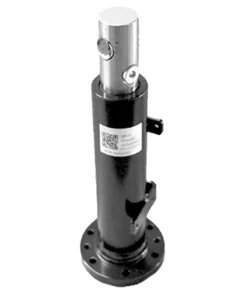
Araba 22MPa üçün tək fəaliyyət göstərən hidravlik qaldırıcı silindr
-
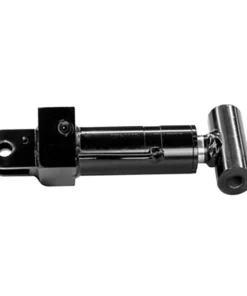
Çin İstehsalçıları Bom Hava İş Vasitəsi üçün Hidravlik Üzən Silindr
-
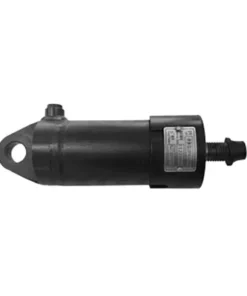
Toyota-nın tək təsirli hidravlik yay silindrinin dəyişdirilməsi üçün kran
-
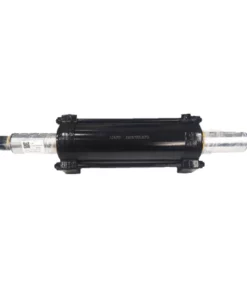
Forkliftin sükan silindrinin Toyota avtomobilinin dəyişdirilməsi
-
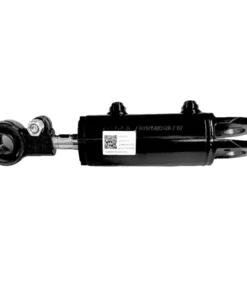
Çin İstehsalçısından Aşağı Qiymətli Hidravlik Forklift Əyilmə Silindri
-
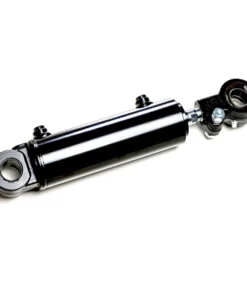
Satış üçün keyfiyyətli forklift hidravlik əyilmə silindri 12 kq
Məhsulun qısa təfərrüatları:
- Standart və qeyri-standart mövcuddur
- Yüksək keyfiyyət və rəqabətli qiymətlə
- Tez çatdırılma
- Müştərinin tələbinə uyğun qablaşdırma.
Çində yüksək keyfiyyətlə ən yaxşı qiyməti təklif edəcəyimizə söz veririk! Məhsullar haqqında xüsusi sifariş də qəbul edirik. Məhsullarımızla maraqlanırsınızsa. Zəhmət olmasa bizə bildirməkdən çəkinməyin. Sizə ətraflı məlumat verməkdən məmnunuq. Məhsullarımızın təhlükəsiz olacağına, yüksək keyfiyyətli və münasib qiymətə olacağına söz veririk. Məhsullarımızla maraqlanırsınızsa, zəhmət olmasa bizimlə əlaqə saxlayın. Biz sizin əməkdaşlığınızı səmimi qəlbdən axtarırıq.
Məhsullarımızın əksəriyyəti Avropa və ya Amerikaya ixrac edilir, həm standart, həm də qeyri-standart məhsullar mövcuddur. Rəsminizə və ya nümunənizə uyğun olaraq istehsal edə bilərik. Material standart və ya xüsusi istəyinizə uyğun ola bilər. Bizi seçsəniz, etibarlı seçərsiniz.

Materiallar mövcuddur
1. Paslanmayan Polad: SS201, SS303, SS304, SS316, SS416, SS420
2. Polad:C45(K1045), C46(K1046),C20
3. Pirinç:C36000 (C26800), C37700 ( HPb59), C38500( HPb58), C27200(CuZn37), C28000(CuZn40)
4. Bürünc: C51000, C52100, C54400 və s.
5. Dəmir: 1213, 12L14,1215
6. Alüminium: Al6061, Al6063
7. İstəyinizə uyğun olaraq OEM
Səthi müalicə
Tavlama, təbii kanonizasiya, istilik müalicəsi, cilalama, nikel örtük, xrom örtük, sink örtük, sarı passivləşdirmə, qızıl passivləşdirmə, atlaz, Qara səth boyalı və s.
Emal üsulu
CNC emal, punch, torna, freze, qazma, daşlama, broşlama, qaynaq və montaj
QC və Sertifikat
Texniklər istehsalda özünü yoxlayır, peşəkar keyfiyyət müfəttişi tərəfindən paketdən əvvəl son yoxlama
ISO9001:2008, ISO14001:2001,ISO/TS 16949:2009
Paket və çatdırılma vaxtı
Ölçü: Rəsmlər
Taxta qutu/konteyner və palet və ya xüsusi spesifikasiyalara uyğun olaraq.
15-25 gün nümunələri. 30-45 gün rəsmi sifariş
Liman: Şanxay/Ninqbo limanı
 Azerbaijani
  English
  Bulgarian
  Russian
  Czech
Czech  Bosnian
  Thai
Thai  Arabic
  Chinese
  Swahili
  Amharic
  Japanese
  Korean
  Hungarian
  Spanish
  Greek
Greek  Vietnamese
  Danish
  Malay
Malay  Hebrew
  Croatian
  Bengali
  Kyrgyz
  Italian
  Polish
  French
  Kazakh
  Portuguese