
中国制造商生产的低价液压叉车倾斜油缸
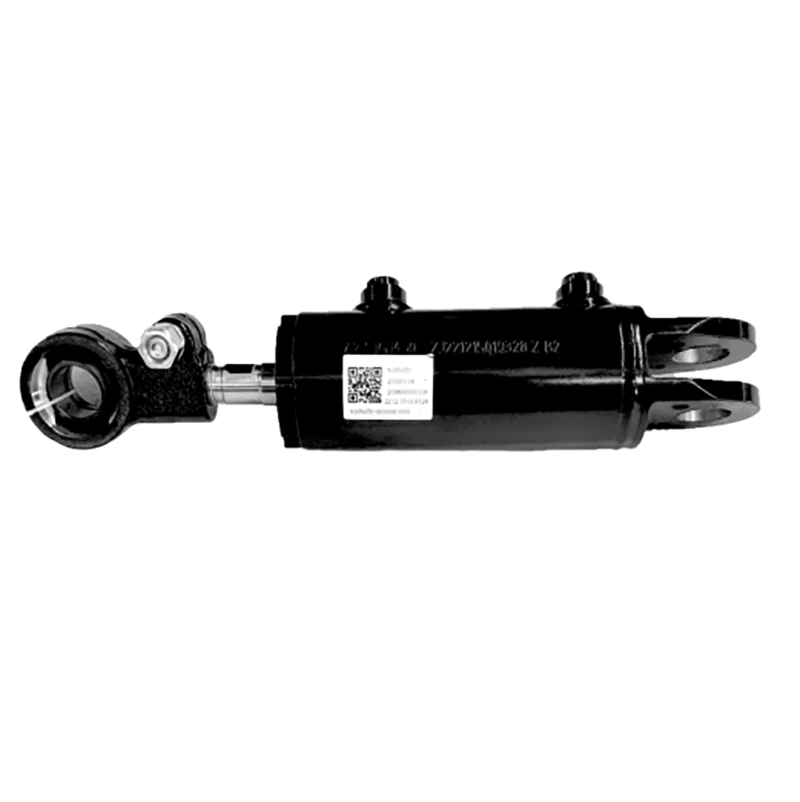
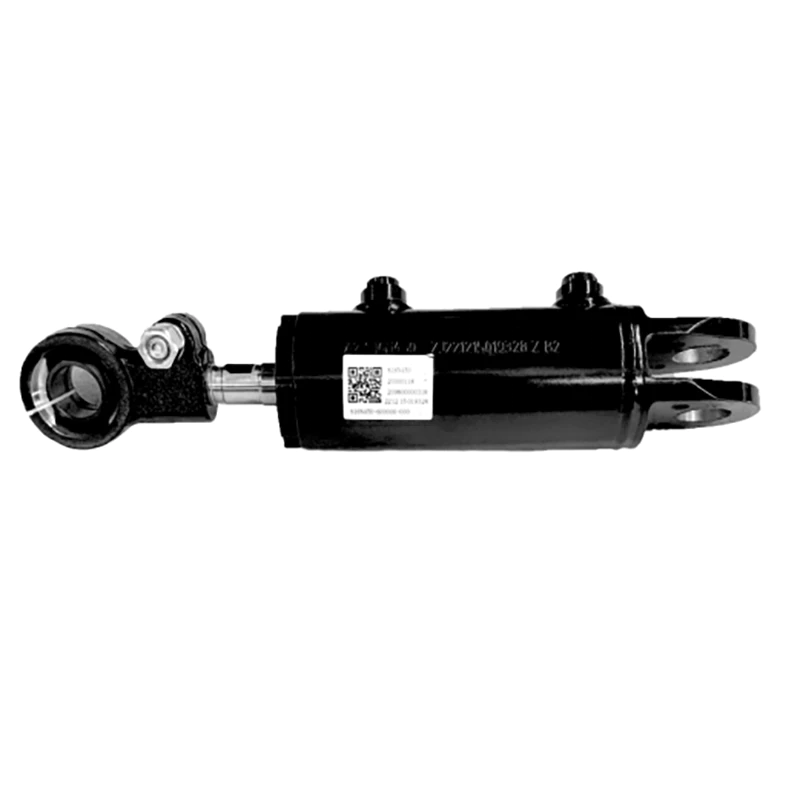
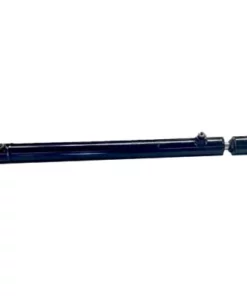
By utilizing hydraulic pressure and the control valves, the forklift tilt cylinder converts the input from the operator into precise tilting motion, allowing for the adjustment of the forks or attachment angle. The double-acting design of the cylinder enables controlled extension and retraction, providing versatility and maneuverability in various material handling applications.
Here are some key points to understand about forklift tilt cylinders:
- Function: The primary function of a forklift tilt cylinder is to tilt the mast or carriage forward and backward. This tilting action lets the operator position the forks or attachment at the desired angle to effectively pick up, transport, and deposit loads.
- Hydraulic Operation: Forklift tilt cylinders are hydraulic cylinders, meaning they use hydraulic fluid under pressure to generate force and facilitate the tilting motion. The hydraulic system of the forklift supplies the necessary fluid to the tilt cylinder, allowing controlled extension and retraction of the cylinder's piston rod.
- Double-Acting Design: Most forklift tilt cylinders are double-acting, which means hydraulic fluid can be supplied to both sides of the piston. This design allows for independent control of the extension and retraction of the cylinder, enabling precise tilting adjustments in both directions.
- Mounting and Integration: Forklift tilt cylinders are typically mounted on the mast or carriage of the forklift. They are integrated into the forklift's hydraulic system, connecting to the hydraulic power unit, control valves, and other hydraulic components to ensure synchronized and controlled operation.
- Construction and Components: Forklift tilt cylinders use high-strength materials such as steel or alloy, ensuring durability and resistance to heavy loads and harsh operating conditions. They contain a cylinder barrel, piston, piston rod, seals, and end fittings. The seals help maintain hydraulic pressure and prevent fluid leakage during operation.
- Load Capacity and Stroke Length: The load capacity and stroke length of forklift tilt cylinders vary depending on the specific forklift model and application requirements. The cylinders are designed to handle the intended load capacity of the forklift, ensuring safe and efficient operation.
- Maintenance and Safety: Proper care of forklift tilt cylinders is essential to ensure their reliable performance. Regular inspection, lubrication, and seal replacement, as needed, help prevent leaks and ensure smooth operation. Additionally, following safety guidelines and operating procedures while using the forklift tilt cylinder is crucial to prevent accidents and maintain a safe working environment.
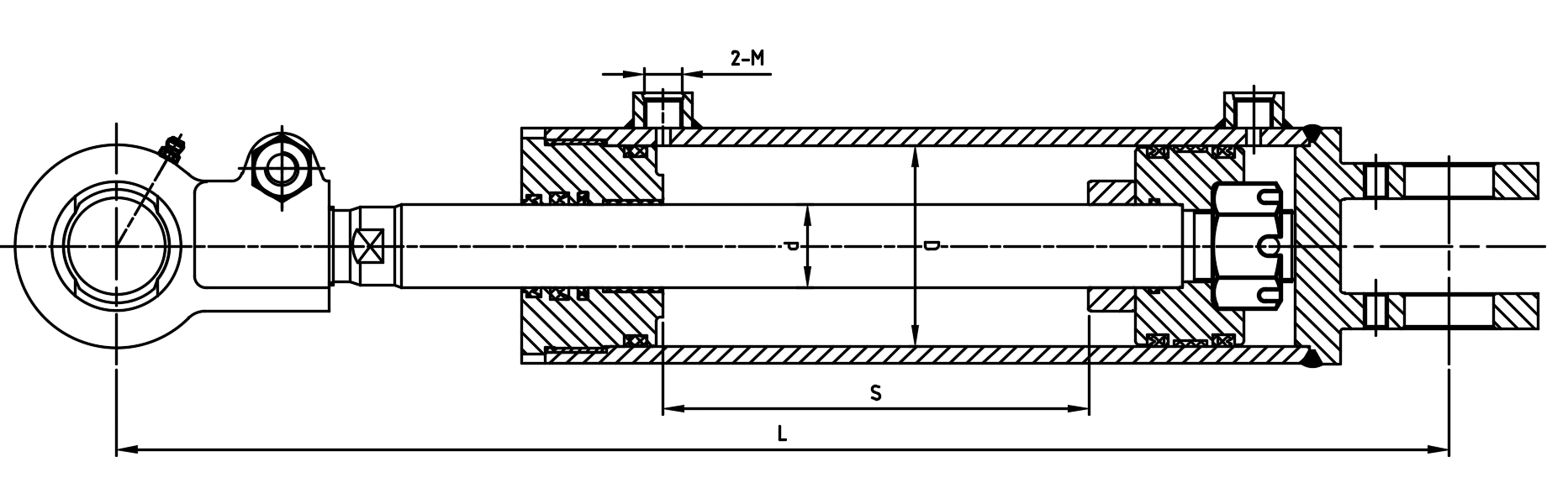 |  |
| 孔径(D) | 杆直径(d) | 行程(S) | 安装距离(L) | 工作压力 | 接口尺寸(M) | 重量 |
| Φ63 | Φ25 | 55 | 368 | 18.1兆帕 | 2-G1/4 | 8.2kg |
How Does A Forklift Tilt Cylinder Work?
- Hydraulic System: Forklifts have a hydraulic system that consists of a hydraulic pump, control valves, hydraulic lines, and the tilt cylinder. The hydraulic pump pressurizes hydraulic fluid, typically oil, and sends it to the control valves.
- Double-Acting Cylinder: Most forklift tilt cylinders are double-acting cylinders, which can exert force in both the extension and retraction directions. The cylinder has a piston with a piston rod that moves back and forth within a cylinder barrel.
- Extension Stroke: When the operator activates the control lever or button to tilt the mast or carriage forward, hydraulic fluid under pressure is directed to the base end of the tilt cylinder. This pressure acts on the piston, causing it to move outward or extend. As the piston rises, it pushes the piston rod and the connected mast or carriage forward, tilting the forks or attachment downward.
- Retraction Stroke: Similarly, when the operator activates the control lever or button to tilt the mast or carriage backward, hydraulic fluid under pressure is directed to the rod end of the tilt cylinder. This pressure acts on the opposite side of the piston, causing it to retract or move inward. As the piston retracts, it pulls the rod and the connected mast or carriage backward, tilting the forks or attachment upward.
- Control Valves: The control valves in the hydraulic system direct the flow of hydraulic fluid to the appropriate side of the tilt cylinder based on the operator's input. The forklift operator operates the valves through control levers or buttons, allowing precise control over the tilting motion and angle.
- Synchronization: To ensure synchronized movement, the forklift's hydraulic system is designed to control the flow of hydraulic fluid to the tilt cylinder in a balanced manner. This allows for smooth and controlled tilting, preventing one side of the mast or carriage from tilting faster or further than the other side.
- Safety Features: Forklifts typically incorporate safety features into the hydraulic system to prevent unintended tilting or movement. For example, some forklifts may have a tilt lock mechanism that engages to secure the mast or carriage in a specific position, preventing accidental tilting during load handling.
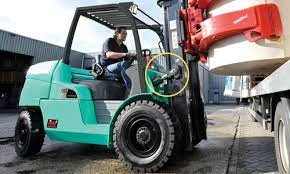
How To Maintain A Forklift Tilt Cylinder?
- Visual Inspection: Conduct regular visual inspections of the tilt cylinder. Look for signs of damage, such as dents, cracks, or corrosion. Inspect the hydraulic lines for any leaks or loose fittings. If any issues are detected, address them promptly.
- Cleanliness: Keep the tilt cylinder and its surrounding area clean. Regularly remove dirt, debris, and other contaminants that can accumulate on the cylinder, piston rod, and hydraulic connections. This helps prevent contamination of the hydraulic fluid and ensures smooth operation.
- Lubrication: Follow the manufacturer's guidelines for lubrication. As recommended, apply lubrication to the pivot points, joints, and other moving parts of the tilt cylinder. This helps reduce friction, wear, and corrosion, promoting smooth operation and extending the cylinder's lifespan.
- Check Hydraulic Fluid Levels: Monitor the hydraulic fluid levels regularly. Ensure the fluid is at the appropriate level as specified in the forklift's operation manual. If the fluid level is low, add the recommended hydraulic fluid to maintain the proper level. Check for any signs of fluid contamination, such as discoloration or particles, which may indicate the need for fluid replacement or system maintenance.
- Hydraulic System Inspection: Inspect the entire hydraulic system, including hoses, fittings, and control valves, for any signs of leaks, damage, or wear. Replace any worn or damaged components promptly. Ensure that all connections are tight and secure.
- Seals and Gaskets: Check the seals and gaskets of the tilt cylinder for signs of wear or leakage. Damaged or worn seals can result in hydraulic fluid leaks and reduced cylinder performance. Replace any faulty seals or gaskets to maintain the cylinder's integrity.
- Regular Maintenance Schedule: Follow a regular maintenance schedule as the forklift manufacturer recommends. This may include periodic inspections, fluid changes, and other maintenance tasks specific to the hydraulic system and tilt cylinder. Adhering to the maintenance schedule helps identify and address issues before they escalate into more significant problems.
- Professional Service: If you encounter complex issues or are unsure about performing maintenance tasks, consult a qualified forklift technician or a certified service provider. They have the expertise to diagnose problems, perform necessary repairs, and maintain the tilt cylinder correctly.
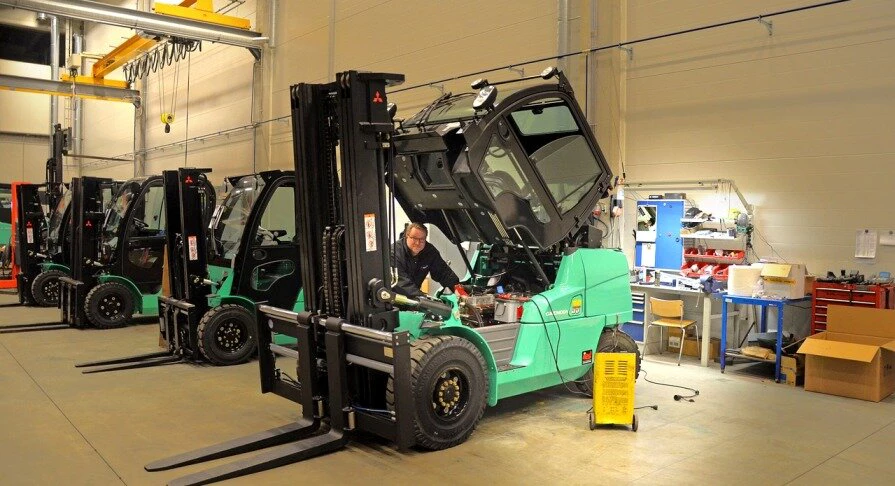
叉车倾斜油缸的应用
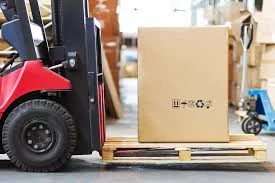
- 货物装卸:配备倾斜油缸的叉车常用于仓库、配送中心、制造工厂和其他工业场所的货物提升、搬运和运输。倾斜油缸允许操作员调整货叉或属具的角度,以适应不同形状、尺寸和重量分布的货物。
- 托盘搬运:配备倾斜油缸的叉车广泛用于托盘搬运作业。货叉的倾斜功能可实现高效的托盘存取和堆垛。操作员可将货叉略微向前或向后倾斜,以对准托盘,确保在提升和运输过程中牢固连接并保持稳定性。
- 集装箱装卸:倾斜油缸在叉车装卸集装箱的过程中发挥着至关重要的作用。通过倾斜货叉或属具,操作人员可以灵活地在集装箱的狭小空间内作业,调整角度以适应集装箱底部,并精确定位货物。这项应用在物流和航运行业尤为重要。
- 货架作业:叉车倾斜油缸对于仓库和存储设施中的货架作业至关重要。它们使操作人员能够倾斜货叉或属具,使其与托盘货架对齐,从而确保货物顺利进出。调整倾斜角度还有助于在不同货架高度安全高效地存储货物。
- Specialty Load Handling: Forklifts equipped with tilt cylinders are often utilized for specialized load-handling tasks. For example, forklifts with tilt cylinders in the paper industry can handle large rolls of paper by tilting them horizontally for easy handling and transportation. Similarly, in the construction industry, forklifts with tilt cylinders can take long and bulky materials like pipes or beams by adjusting the tilt angle to ensure stability during transport.
- 属具使用:叉车可配备各种属具,例如夹具、旋转器或侧移器,以扩展其功能。倾斜油缸是这些属具运行的必要部件。例如,配备夹具的叉车可以使用倾斜油缸来调整夹持负载的角度,从而确保牢固夹持并防止负载滑移。
我们的工厂 
其他信息
| 编辑过的 | 作者 hyw |
|---|
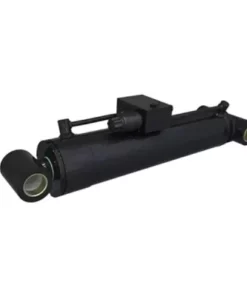
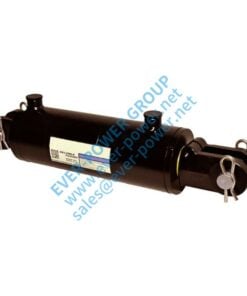
产品快速详细信息:
- 有标准的和非标准的
- 具有高质量和有竞争力的价格
- 及时交付
- 按照客户的要求进行包装。
我们承诺将以最优惠的价格提供高质量的中国产品!我们也接受关于产品的特殊订单。如果你对我们的产品感兴趣。请不要犹豫,让我们知道。我们很高兴给你详细的信息。我们承诺,我们的产品将是安全的,是在高品质和合理的价格。如果您对我们的产品感兴趣,请尽快与我们联系,我们真诚地期待您的合作。
我们的大部分产品都出口到欧洲或美洲,标准和非标准产品都有。我们可以根据你的图纸或样品进行生产。材料可以是标准的,也可以按照你的特殊要求。如果你选择我们,你就选择了可靠。

可用的材料
1.不锈钢:SS201, SS303, SS304, SS316, SS416, SS420
2.Steel:C45(K1045), C46(K1046),C20
3.黄铜:C36000(C26800),C37700(HPb59),C38500(HPb58),C27200(CuZn37),C28000(CuZn40)。
4.青铜:C51000、C52100、C54400等
5.铁:1213,12L14,1215
6.铝:Al6061, Al6063
7.根据您的要求进行OEM
表面处理
退火、自然光化、热处理、抛光、镀镍、镀铬、镀锌、黄色钝化、金色钝化、缎面、黑色表面油漆等。
处理方法
数控加工、冲、车、铣、钻、磨、拉、焊和装配
质量控制和证书
技术人员在生产中进行自我检查,在包装前由专业的质量检查员进行最后检查。
ISO9001:2008 , ISO14001:2001,ISO/TS 16949:2009
包装和交货时间
尺寸:图纸
木箱/集装箱和托盘,或按客户要求的规格。
15-25天样品。30-45天完成正式订单
港口:上海/宁波港
 Chinese
  English
  Bulgarian
  Russian
  Czech
Czech  Bosnian
  Thai
Thai  Arabic
  Swahili
  Amharic
  Japanese
  Korean
  Hungarian
  Spanish
  Azerbaijani
  Greek
Greek  Vietnamese
  Danish
  Malay
Malay  Hebrew
  Croatian
  Bengali
  Kyrgyz
  Italian
  Polish
  French
  Kazakh
  Portuguese