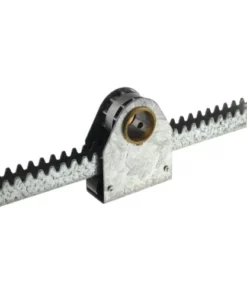
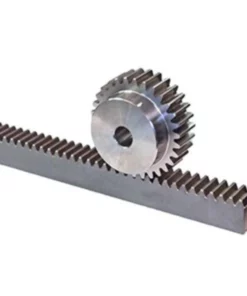
航空航天工业用齿条

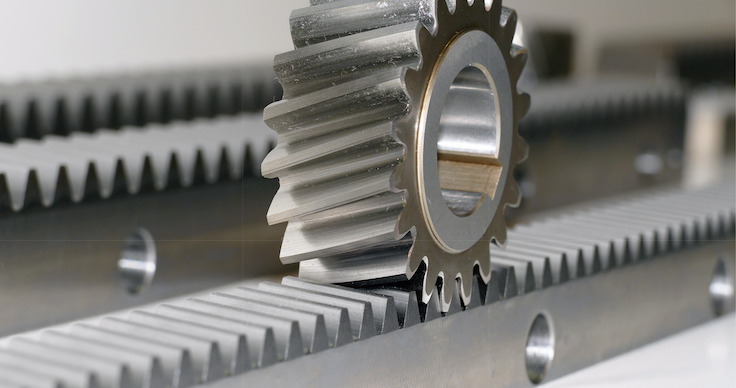
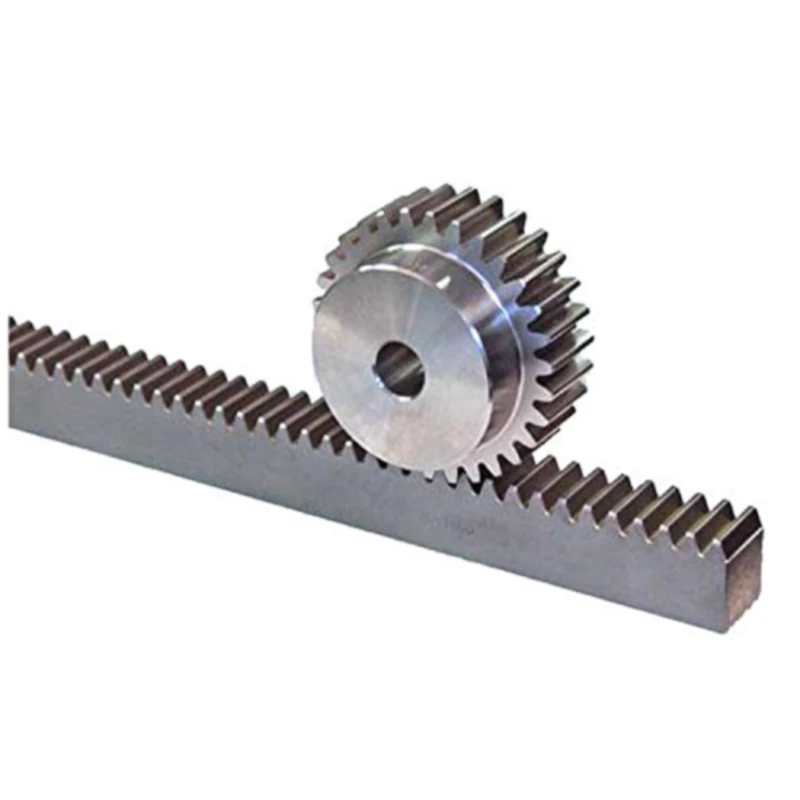
Gear rack for aerospace industry refer to toothed bars with straight teeth that mesh with gears to convert rotational motion into linear motion or vice versa.

分类: 标签:

Gear rack for aerospace industry refer to toothed bars with straight teeth that mesh with gears to convert rotational motion into linear motion or vice versa. They are commonly used in various aerospace applications for precise and controlled movement.

Advantages of Gear Rack in the Aerospace Industry:

1. Precise and Repeatable Motion: Gear racks provide accurate and repeatable linear motion, making them ideal for applications that require precise positioning and control in the aerospace industry.
2. High Load Capacity: Gear racks are designed to handle high loads and withstand the demanding conditions of the aerospace environment, ensuring reliable and robust performance.
3. Efficient Power Transmission: Gear racks efficiently transfer power between gears, minimizing energy losses and maximizing the overall system efficiency.
4. Versatility: Gear racks can be customized to suit specific aerospace applications, allowing for flexibility in design and integration into various systems.
5. Durability and Reliability: Gear racks are typically made from high-quality materials and undergo rigorous testing, ensuring their durability and long-term reliability in aerospace applications.
6. Maintenance and Serviceability: Gear racks are often designed for ease of maintenance, allowing for straightforward replacement or repair if necessary.

航空航天工业用齿条

Applications of Gear Rack in the Aerospace Industry:

1. Actuation Systems: Gear racks are used in actuation systems for control surfaces such as flaps, ailerons, and elevators in aircraft, enabling precise movement and control.
2. Cargo Handling Systems: Gear racks are employed in cargo compartment systems for opening and closing doors, as well as for restraining and securing cargo during flight.
3. Robotics and Automation: Gear racks play a crucial role in aerospace robotic systems, enabling precise movement and positioning of robotic arms, grippers, and other automated components.
4. Engine Thrust Reverser Mechanisms: Gear racks are utilized in engine thrust reverser systems to deploy and stow the thrust reverser mechanisms, allowing for safe and efficient aircraft deceleration during landing.
5. Satellite Systems: Gear racks are utilized in satellite systems for antenna articulation, solar array deployment, payload fairing separation, and other critical functions.

These are just a few examples of the applications of gear racks in the aerospace industry. The versatility and reliability of gear racks make them indispensable components in various aerospace systems, contributing to the safety, efficiency, and performance of aerospace operations.

航空航天工业用齿条

Choosing the right gear rack for the Material Handling Industry involves considering several factors. Here are some key points to consider:

1. 承载能力:确定齿条需要承受的最大负载。考虑物料搬运系统中被搬运或操作物体的重量和尺寸。选择承载能力超过预期最大负载的齿条。

2. 齿距和模数:齿条的齿距和模数应与其啮合的齿轮或小齿轮相匹配。确保齿条和齿轮/小齿轮的齿形和齿高一致,以保证运转平稳高效。

3. 长度和尺寸:根据具体应用和可用空间确定齿条所需的长度和尺寸。考虑直线运动所需的行程长度,并确保齿条能够安装在规定的空间内。

4. 材料和涂层:选择齿条时,应考虑其所用材料的适用性,包括环境条件和负载要求。常用材料包括钢、不锈钢和尼龙。此外,为了提高耐用性,还可以考虑镀锌或防腐蚀等涂层或处理工艺。

5. 精度和公差:评估物料搬运系统所需的精度和公差水平。对于需要精确定位或对准的应用,可能需要更高的精度。选择符合所需精度标准的齿条。

6. 速度和效率:考虑物料搬运系统所需的速度和效率。选择能够以所需运行速度实现平稳高效直线运动的齿条。

7. 噪声和振动:评估应用的噪声和振动要求。选择能够最大限度降低噪声和振动的齿条和齿轮/小齿轮组合,以保持更安静、更舒适的工作环境。

8. 维护和使用寿命:考虑齿条的维护要求和预期使用寿命。选择耐用、可靠且维护需求低的齿条,以确保长期性能和成本效益。

9. 兼容性和集成性:确保所选齿条与现有物料搬运系统兼容,并能轻松集成。考虑安装方式、连接方法以及与其他系统组件的兼容性等因素。

10. 供应商信誉和支持:选择信誉良好的供应商或制造商,确保其提供技术支持、保修和售后服务。考虑他们的专业技术、可靠性以及在需要时提供定制解决方案的能力。
航空航天工业用齿条

Gear racks in the aerospace industry work by meshing with gears to convert rotational motion into linear motion or vice versa. They form an integral part of gear and rack systems, where the gear is a rotating component with teeth that engage with the teeth of the rack.

Here is a brief explanation of how gear racks work in the aerospace industry:

1. Conversion of Rotational Motion to Linear Motion:
In applications where rotational motion needs to be converted into linear motion, a gear with teeth meshes with a gear rack. As the gear rotates, the teeth of the gear engage with the teeth of the rack, causing the rack to move in a linear direction. This movement can be utilized for various purposes, such as actuating control surfaces, deploying mechanisms, or positioning components in aerospace systems.

2. Conversion of Linear Motion to Rotational Motion:
In certain aerospace applications, the gear rack can be used to convert linear motion into rotational motion. In this case, the gear rack is moved linearly, either manually or through an actuation system. As the rack moves, it meshes with a rotating gear, causing the gear to rotate. This rotation can be used to drive other components or systems that require rotational motion.

The engagement between the teeth of the gear and rack ensures a precise and controlled transfer of motion. The number of teeth on the gear and rack, as well as their pitch and profile, determine the gear ratio and the resulting linear or rotational displacement per revolution.

航空航天工业用齿条

Here are some common types of gear racks used in the aerospace industry:

Gear racks in the aerospace industry can be classified into different types based on their design, configuration, and application requirements.

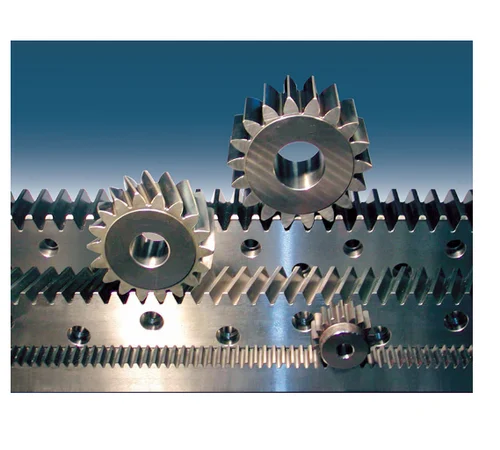
1. Straight Tooth Gear Rack: This is the most basic type of gear rack, where the teeth are straight and parallel to the rack's axis. It provides linear motion with a constant speed and is commonly used in aerospace applications that require simple and straightforward linear movement.

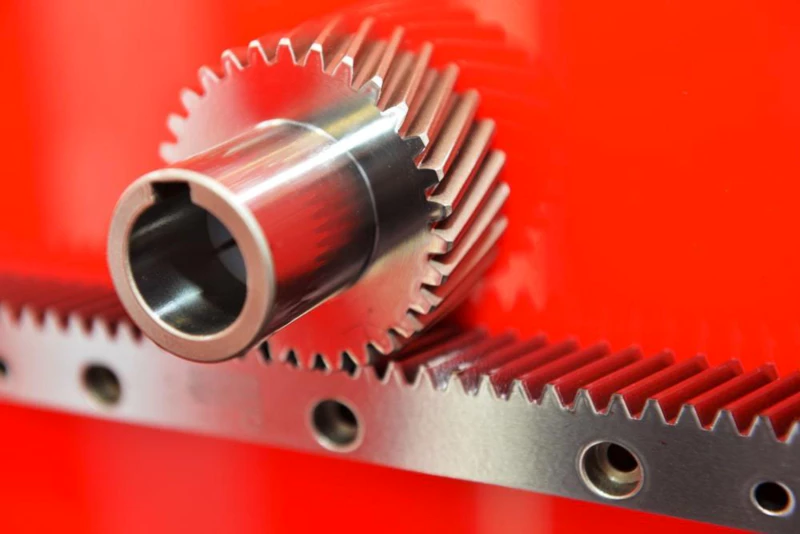
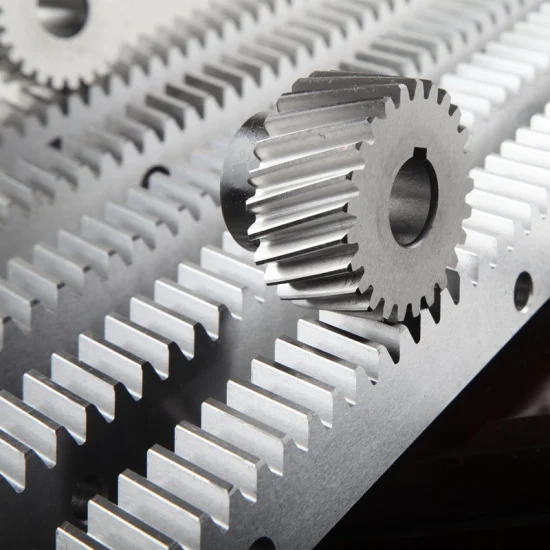
2. Helical Gear Rack: In a helical gear rack, the teeth are cut at an angle to the rack's axis, similar to helical gears. This type of gear rack offers smoother and quieter operation compared to straight tooth gear racks. It is often used in aerospace applications that require high precision and reduced noise levels.

3. Rack and Pinion: While not strictly a gear rack, the rack and pinion system is commonly used in the aerospace industry. It consists of a gear rack (the rack) and a small gear (the pinion) that meshes with it. The pinion rotates to drive the rack, converting rotational motion into linear motion or vice versa. Rack and pinion systems are widely employed in aerospace applications such as actuation systems for control surfaces and landing gear mechanisms.

4. Customized Gear Racks: In addition to the standard types mentioned above, gear racks in the aerospace industry can be customized to meet specific application requirements. This may involve variations in tooth profile, pitch, length, or material composition to suit the unique needs of the aerospace system.

航空航天工业用齿条

In the Material Handling Industry, gear racks may encounter several issues during their usage. Here are some common problems:

1. Wear and Tear: Continuous usage of gear racks in material handling systems can lead to wear and tear of the rack teeth. This can result in decreased precision and efficiency of the system.

2. Misalignment: Improper alignment between the gear rack and the mating gear or pinion can cause uneven wear, increased friction, and reduced performance of the system.

3. Lubrication Issues: Inadequate lubrication or lack of regular lubrication can lead to increased friction, heat generation, and accelerated wear of the gear rack.

4. Corrosion: Exposure to corrosive environments or lack of proper protective measures can cause corrosion on the gear rack surface, compromising its structural integrity and performance.

5. Fatigue Failure: Repeated loading and unloading cycles in material handling applications can lead to fatigue failure of the gear rack, resulting in cracks or fractures.

6. Overloading: Exceeding the recommended load capacity of the gear rack can cause excessive stress, deformation, and premature failure.

7. Shock and Impact: Sudden shocks or impacts during material handling operations can damage the gear rack, leading to tooth breakage or misalignment.

航空航天工业用齿条

Strong Line of Gear Racks utilize carburized case-hardening process to optimize strength of rack, including tooth flanks and root, mounting holes, and back and side surfaces. This allows back surface to be used with cam follower roller bearings for guiding axis. Racks are precision ground on teeth and all sides to achieve accurate pitch deviation and parallelism. With max holding force, mounting holes insure rack remains stationary under high forces.

  • They run quieter than the straight, especially at high speeds
  • They have a higher contact ratio (the number of effective teeth engaged) than straight, which increases the load carrying capacity
  • Their lengths are nice round numbers, e.g. 500.0 mm and 1,000.0 mm, for easy integration with machine bed lengths; Straight racks lengths are always a multiple of pi., e.g. 502.65 mm and 1005.31 mm.
  • In most cases, they cost the same as the straight racks!

问答

Q1: What are the primary applications of gear racks in the aerospace industry?

答案1: Gear racks in the aerospace industry are primarily used for:

  • Actuation Systems: They convert rotational motion into linear motion in control surfaces such as flaps and slats.
  • Landing Gear Mechanisms: Gear racks help in the extension and retraction of landing gear.
  • Cabin and Cargo Systems: Used in mechanisms for adjusting seats and cargo handling equipment.

Q2: What materials are typically used for gear racks in aerospace applications?

答案2: Gear racks for aerospace applications are commonly made from:

  • High-Strength Steel: Offers durability and resistance to wear.
  • : Provides a high strength-to-weight ratio and corrosion resistance.
  • Aluminum Alloys: Used for lighter applications where weight savings are crucial.

Q3: What are the key considerations when selecting gear racks for aerospace use?

答案3: Key considerations include:

  • 承载量: Must be able to withstand the specific loads and stresses of aerospace operations.
  • 精密度和准确度: Essential for ensuring reliable performance in critical systems.
  • Environmental Resistance: Must endure extreme temperatures and corrosive environments.
  • 重量: Minimizing weight is crucial for fuel efficiency and performance.

其他信息

编辑过的

作者 hyw

产品快速详细信息:

  • 有标准的和非标准的
  • 具有高质量和有竞争力的价格
  • 及时交付
  • 按照客户的要求进行包装。

我们承诺将以最优惠的价格提供高质量的中国产品!我们也接受关于产品的特殊订单。如果你对我们的产品感兴趣。请不要犹豫,让我们知道。我们很高兴给你详细的信息。我们承诺,我们的产品将是安全的,是在高品质和合理的价格。如果您对我们的产品感兴趣,请尽快与我们联系,我们真诚地期待您的合作。

我们的大部分产品都出口到欧洲或美洲,标准和非标准产品都有。我们可以根据你的图纸或样品进行生产。材料可以是标准的,也可以按照你的特殊要求。如果你选择我们,你就选择了可靠。

产品质量报告

可用的材料

1.不锈钢:SS201, SS303, SS304, SS316, SS416, SS420
2.Steel:C45(K1045), C46(K1046),C20
3.黄铜:C36000(C26800),C37700(HPb59),C38500(HPb58),C27200(CuZn37),C28000(CuZn40)。
4.青铜:C51000、C52100、C54400等
5.铁:1213,12L14,1215
6.铝:Al6061, Al6063
7.根据您的要求进行OEM
可提供的产品材料

表面处理

退火、自然光化、热处理、抛光、镀镍、镀铬、镀锌、黄色钝化、金色钝化、缎面、黑色表面油漆等。

处理方法

数控加工、冲、车、铣、钻、磨、拉、焊和装配
产品整理

质量控制和证书

技术人员在生产中进行自我检查,在包装前由专业的质量检查员进行最后检查。
ISO9001:2008 , ISO14001:2001,ISO/TS 16949:2009

包装和交货时间

尺寸:图纸
木箱/集装箱和托盘,或按客户要求的规格。
15-25天样品。30-45天完成正式订单
港口:上海/宁波港
产品包

zh_CNChinese