
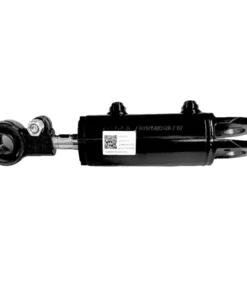
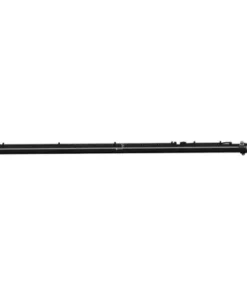
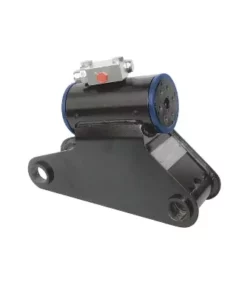
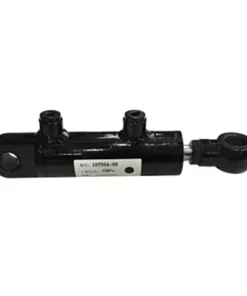
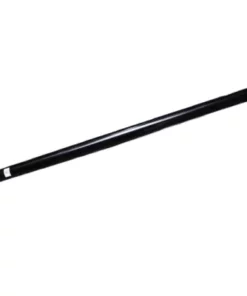
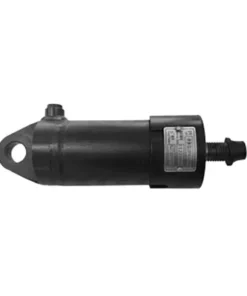
トヨタの 15MPa 13kg のフォークリフトの間隔の調節の水圧シリンダの取り替え
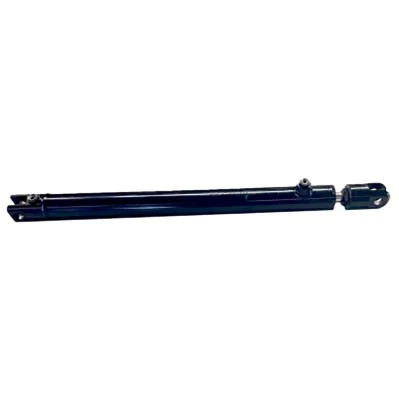
An adjustment hydraulic cylinder is a type of hydraulic actuator designed explicitly for making adjustments or modifications to the position or length of a component or system. It consists of a cylinder barrel, a piston, and a piston rod, all of which are sealed to prevent hydraulic fluid leakage.
What Is An Adjustment Hydraulic Cylinder?
An adjustment hydraulic cylinder is a type of hydraulic actuator designed explicitly for making adjustments or modifications to the position or length of a component or system. It consists of a cylinder barrel, a piston, and a piston rod, all of which are sealed to prevent hydraulic fluid leakage. An adjustment hydraulic cylinder is a hydraulic actuator used for precise position control and length adjustment in various applications. Its compact design, load capacity, and versatility make it a valuable component in systems that require accurate adjustments or modifications.
| ボア径(D) | ロッド直径 (d) | ストローク(S) | 設置距離(L) | 作動圧力 | インターフェース寸法(M) | 重さ |
| Φ50 | Φ25 | 619 | 889 | 15MPa | M14*1.5 | 13kg |
Here are some key features and applications of the adjustment hydraulic cylinder:
- Position Control: The Adjustment hydraulic cylinder precisely controls a component or system's position. By regulating the flow of hydraulic fluid into or out of the cylinder, the piston and piston rod can be extended or retracted, allowing for accurate positioning of the connected mechanism.
- Length Adjustment: The Adjustment hydraulic cylinder are commonly used for adjusting the length of mechanical systems or components. For example, they can be employed in applications such as height adjustment mechanisms for chairs or tables, length adjustment in manufacturing equipment, or positioning systems in industrial automation.
- Hydraulic Actuation: The Adjustment hydraulic cylinder use hydraulic pressure to actuate the piston and move the connected mechanism. Hydraulic fluid is supplied to the cylinder through hydraulic lines, and the pressure exerted on the piston creates the force necessary for adjustment. The direction and magnitude of the force can be controlled by adjusting the hydraulic flow or pressure.
- コンパクトなデザイン: The Adjustment hydraulic cylinder are often designed to be compact and space-efficient. This allows for easy integration into various equipment and systems where space is limited. The compact size also enables them to be used in applications requiring precise adjustments within confined areas.
- 負荷容量: These cylinders are available in different sizes and configurations to accommodate a range of load capacities. The load capacity of an adjustment hydraulic cylinder depends on factors such as the cylinder's bore size, piston area, and the hydraulic pressure applied. It is vital to select a cylinder that can handle the specific load requirements of the application.
- 汎用性がある: Adjustment hydraulic cylinders can be used in various industrial sectors and applications. They find applications in manufacturing, automotive, aerospace, construction, material handling, and many other industries where precise and controlled adjustments are needed.
- Control Options: Adjustment hydraulic cylinders can be controlled manually or integrated into automated systems. Manual control can involve simple hand-operated valves or levers to regulate the hydraulic fluid flow. Sensors, electronic controls, or programmable logic controllers (PLCs) can provide precise and repeatable adjustments for automatic control.

How To Install The Adjustment Hydraulic Cylinder?
The installation process for an adjustment hydraulic cylinder may vary depending on the application and equipment involved. However, here are some general steps to consider when installing an adjustment hydraulic cylinder:
1. Prepare the Work Area: Ensure that the work area is clean, clear of debris, and provides enough space to maneuver the hydraulic cylinder and associated components. This will help facilitate a smooth installation process.
2. Select the Proper Cylinder: Choose a hydraulic cylinder suitable for the specific application, considering factors such as load capacity, stroke length, and mounting requirements. Refer to the manufacturer's specifications and recommendations for the appropriate cylinder selection.
3. Mounting Bracket or Clevis: If required, mount the cylinder to a bracket or clevis on the equipment or system where it will be installed. Ensure the mounting bracket or clevis is securely attached and aligned with the cylinder.
4. Connect Hydraulic Lines: Connect the hydraulic lines to the cylinder. The hydraulic lines should be properly sized, have the correct fittings, and be compatible with the hydraulic system. Use appropriate seals or fittings to prevent hydraulic fluid leakage.
5. Secure the Cylinder: Ensure the adjustment hydraulic cylinder is securely fastened to the equipment or system. This may involve tightening mounting bolts or other fasteners according to the manufacturer's recommendations. Verify the cylinder is aligned correctly and free from any interference hindering its movement.
6. Hydraulic Connections: Connect the hydraulic lines from the cylinder to the hydraulic power source. This typically involves attaching the lines to control valves, pumps, or other hydraulic components. Pay attention to proper routing, secure connections, and avoiding kinks or sharp bends in the lines.
7. Test and Adjust: Once the adjustment hydraulic cylinder is installed, thoroughly check to ensure proper functionality. Test the cylinder's extension and retraction by operating the hydraulic control system. Verify that the cylinder moves smoothly without binding or excessive resistance. Adjust the hydraulic pressure, flow, or control settings to achieve the desired positioning or adjustment.
8. Safety Considerations: Always prioritize safety during the installation process. Follow appropriate safety protocols, such as wearing protective gear and following lockout/tagout procedures if necessary. Be mindful of potential hazards, such as high pressure in hydraulic lines, sharp edges, or heavy loads associated with the equipment.
It is important to note that these steps provide a general overview of the installation process. For specific guidance, consult the manufacturer's instructions and guidelines for the adjustment of the hydraulic cylinder being installed. Additionally, if you are unsure or inexperienced with hydraulic systems, it is recommended to seek assistance from a qualified professional or technician to ensure proper installation and operation.
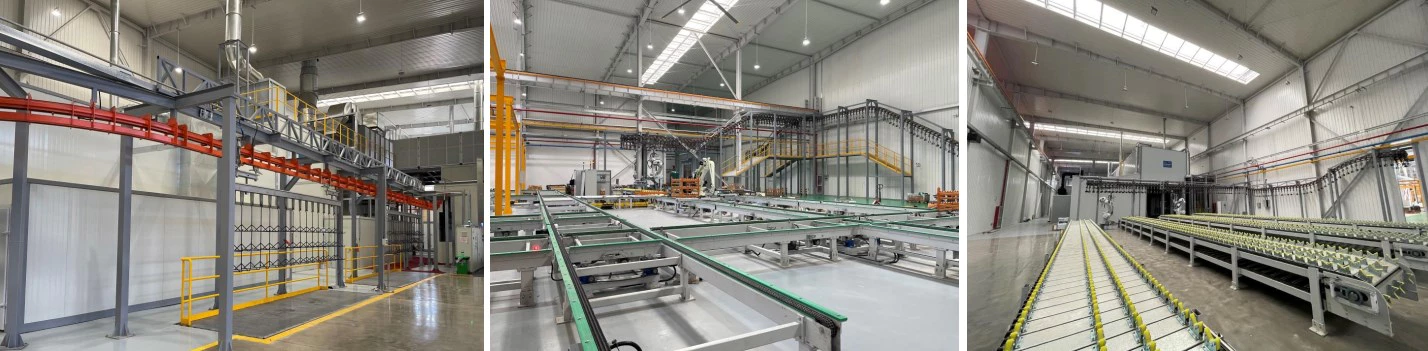
私たちの工場 
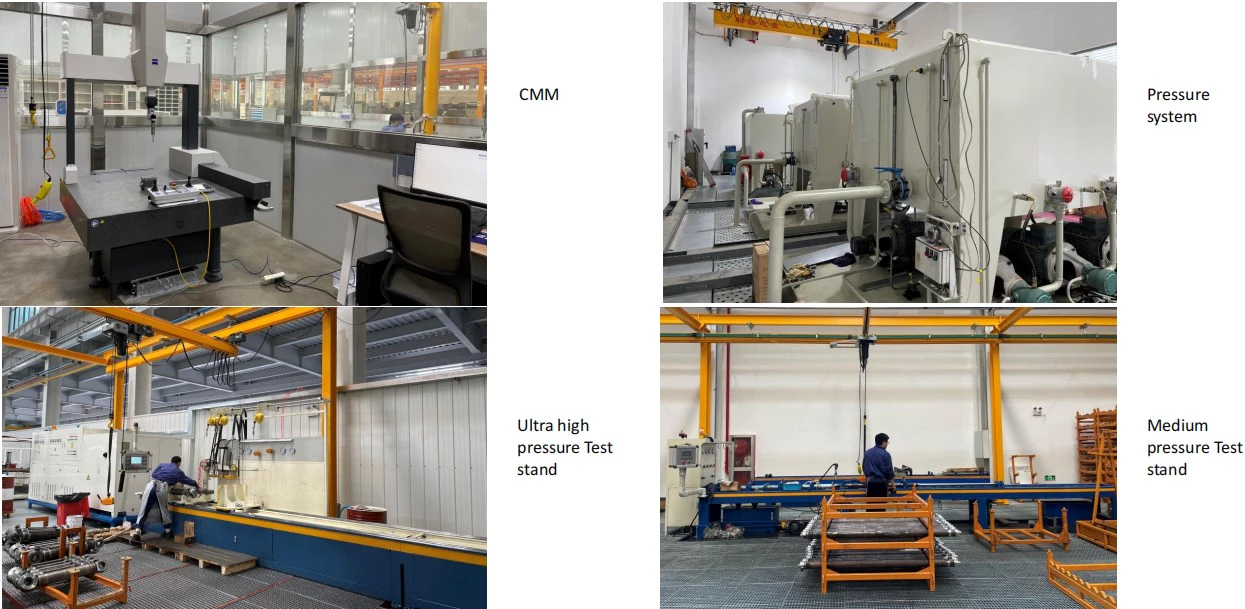
どのパワーも、写真やサンプルを使ってカスタマイズするお客様を歓迎します。
追加情報
| 編集済み | by hyw |
|---|
製品クイック詳細:
- 標準と非標準がある
- 高品質と競争力のある価格で
- 迅速な配達
- 顧客の要求によるパッキング。
私たちは、最高級のオンタイムデリバリーをお約束 陶磁器のプロンプトが表示さに裏打ちされ、慎重アフターサービス!私達はまたプロダクトについての特別注文を受け入れます。私達のプロダクトに興味があったら。我々は高品質の製品と価格競争力とあなたのためのオンタイムデリバリーをお約束いたします。私たちは、お客様との長期ビジネスを確立されています。私達のプロダクトの何れかのモデルに興味がある場合は、お問い合わせは、自由にしてくださいを参照してください。私達のプロダクトに興味があったら、私達にasap.We連絡しなさい誠意をこめてあなたの協同を捜している。
私達のプロダクトの何れかのモデルに興味がある場合は、お問い合わせは、自由にしてくださいを参照してください。私達はあなたのデッサンかサンプルによって作り出してもいいです。材料はあなたの特別な要求によって標準的またはである場合もあります。私達を選べば、信頼できる選びます。

材料あり
1.ステンレス鋼:SS201、SS303、SS304、SS316、SS416、SS420
2.Steel:C45(K1045), C46(K1046),C20
3.黄銅:C36000( C26800)、C37700( HPb59)、C38500( HPb58)、C27200(CuZn37)、C28000(CuZn40)
4.ブロンズ:C51000、C52100、C54400など
5.鉄:1213、12L14、1215
6.アルミニウムAl6061、Al6063
あなたの要求に従う7.OEM
表面処理
アニール、自然公準化、熱処理、研磨、ニッケルめっき、クロムめっき、亜鉛めっき、黄色不動態化、金不動態化、サテン、黒色表面塗装など。
加工方法
CNC加工、パンチ、旋盤、フライス、ドリル、研削、ブローチ、溶接、組立
QCと証明書
専門の質の検査官によるパッケージの前の生産、最終点検の技術者の自己点検
ISO9001:2008、ISO14001:2001、ISO/TS 16949:2009
パッケージとリードタイム
サイズ図面
木製ケース/コンテナとパレット、またはカスタマイズされた仕様に従って。
15-25days サンプル。30-45days offcial 順序
港: 上海/寧波港
 Japanese
  English
  Bulgarian
  Russian
  Czech
Czech  Bosnian
  Thai
Thai  Arabic
  Chinese
  Swahili
  Amharic
  Korean
  Hungarian
  Spanish
  Azerbaijani
  Greek
Greek  Vietnamese
  Danish
  Malay
Malay  Hebrew
  Croatian
  Bengali
  Kyrgyz
  Italian
  Polish
  French
  Kazakh
  Portuguese