
צילינדרים הידראוליים עמידים צילינדר דחף קדימה עבור מכונות תברואה

Choose the Forward Thrust Cylinder for exceptional thrust, precision, and versatility. Engineered for excellence, this hydraulic actuator enhances productivity and efficiency in diverse industries.
What is a Forward Thrust Cylinder?
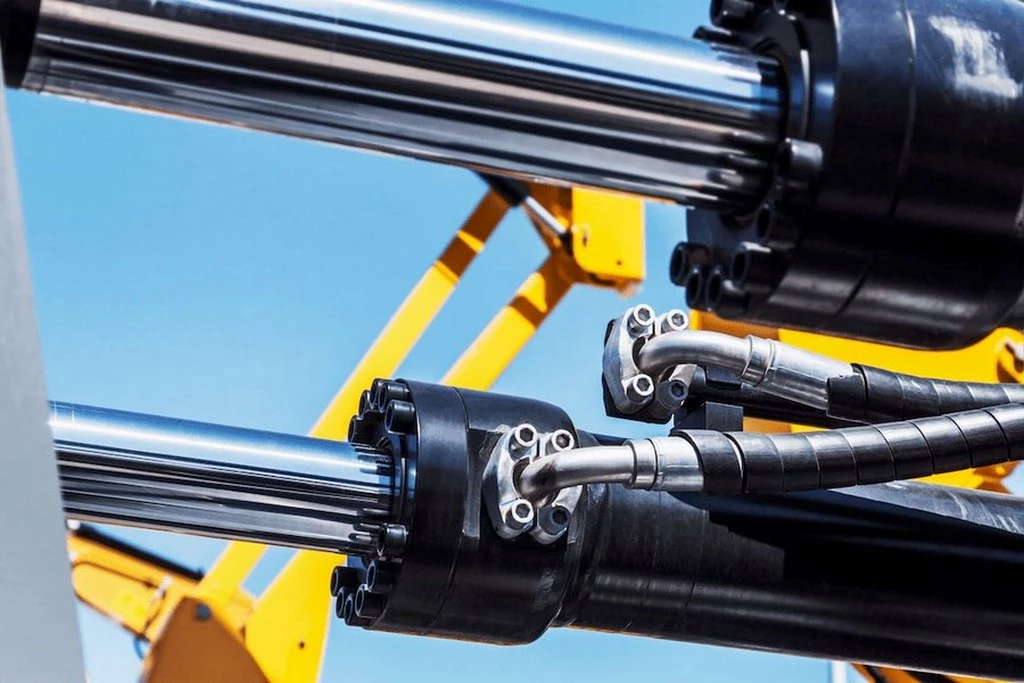
A forward thrust cylinder is a hydraulic actuator designed to generate a forward thrust force. It utilizes hydraulic pressure to create linear motion in a desired direction, typically in a forward or pushing action. This type of cylinder is commonly used in various industrial applications where controlled and powerful forward force is required.
The forward thrust cylinder consists of a cylinder barrel and a piston assembly. The cylinder barrel is a cylindrical tube that houses the piston and provides a sealed chamber for the hydraulic fluid. The piston is a cylindrical component that fits inside the cylinder barrel and is connected to a rod or plunger. The rod extends from one end of the cylinder barrel and is the output shaft for transmitting the forward force.
When pressurized hydraulic fluid is supplied to the cylinder, it enters the sealed chamber behind the piston. The pressure the hydraulic fluid exerts pushes the piston forward, extending the rod or plunger. This linear motion creates a forward thrust force at the end of the rod, allowing it to go or move objects in the desired direction.
The forward thrust generated by the cylinder can vary depending on factors such as the size of the cylinder, the hydraulic pressure applied, and the design of the piston and rod. These cylinders are available in various sizes and configurations to accommodate different force requirements and applications.
Forward thrust cylinders find application in various industries, including manufacturing, construction, material handling, automotive, and more. They are utilized in tasks such as pushing heavy loads, actuating hydraulic presses, operating machinery, and providing force for assembly or positioning applications.
It's important to note that the term "forward thrust cylinder" is a generic description and not a specific product or brand name. A forward thrust cylinder's specifications and capabilities can vary based on the manufacturer, specific model, and intended application.

| קוטר קדח (D) | קוטר מוט (ד) | שבץ (S) | מרחק התקנה (L) | לחץ עבודה | מידות ממשק (M) | מִשׁקָל |
| Φ90 | Φ63 | 320 | 878 | 16MPa | 2-M22*1.5 | 47kg |
Advantages of the Forward Thrust Cylinder
The forward thrust cylinder, also known as a thrust reverser or reverse thrust system, is used in jet engines to provide additional braking force during landing. Here are some advantages of the forward thrust cylinder:
1. Increased Braking Effectiveness: The primary advantage of the forward thrust cylinder is that it significantly enhances the braking effectiveness of an aircraft during landing. When activated, the thrust reversers divert some of the engine's exhaust gases forward, creating a reverse thrust. This reverse thrust acts as a powerful braking force, helping to slow down the aircraft after touchdown and reducing the required runway distance for stopping.
2. Shorter Landing Distance: By using the forward thrust cylinder, aircraft can achieve shorter landing distances. This can be especially beneficial when runways are limited in length or during adverse weather conditions, such as wet or icy runways. The reverse thrust capability allows for more efficient deceleration, enabling pilots to bring the aircraft to a stop in a shorter distance.
3. Improved Safety: The forward thrust cylinder improves safety during landing operations. The enhanced braking force provided by the thrust reversers helps to reduce the risk of runway overruns, particularly in cases where the runway is not sufficiently long or when there are obstacles near the end of the runway. It provides an additional layer of safety by giving pilots more control over the deceleration process.
4. Increased Operational Flexibility: The availability of a forward thrust cylinder allows aircraft to operate in a broader range of runways. Airports with shorter runways or limited braking capacity can still accommodate aircraft equipped with thrust reversers. This flexibility opens up more destinations and improves the overall operational efficiency of the plane.
5. Maintenance and Reliability: Forward thrust cylinders are generally reliable and require regular maintenance and inspections. They are designed to withstand the high temperatures and forces associated with reverse thrust operations. Proper care ensures the continued effectiveness and reliability of the thrust reversers, providing peace of mind to pilots and operators.
Overall, the forward thrust cylinder and the associated thrust reverser system offer significant advantages in braking effectiveness, shorter landing distances, improved safety, operational flexibility, and reliability. These advantages contribute to safer landings, increased operational efficiency, and enhanced aircraft performance.
How to install the Forward Thrust Cylinder?
The installation process of a forward thrust cylinder, also known as a thrust reverser, can vary depending on the aircraft and engine configuration. It is a complex procedure that typically requires specialized knowledge and training. However, here is a general overview of the steps involved in installing a forward-thrust cylinder:
1. Preparation: Ensure the aircraft is appropriately secured and parked in a suitable maintenance area. Gather all the necessary tools, equipment, and safety gear required for installation.
2. Access and Removal: Gain access to the engine nacelle area where the thrust reverser is located. This may involve removing access panels or cowling as per the specific aircraft's maintenance manual. Disconnect any electrical and hydraulic connections related to the thrust reverser system.
3. Removal of Existing Components: If a previous thrust reverser system is already installed, remove the components such as the target buckets, cascade vanes, translating sleeves, and any associated hardware. Follow the manufacturer's instructions and safety procedures during the removal process.
4. Inspection and Cleaning: Before installing the new thrust reverser components, inspect the engine nacelle and surrounding areas for any signs of damage, wear, or foreign objects. Clean the surfaces and ensure they are free from debris or contaminants that could affect the installation or operation of the forward thrust cylinder.
5. Installation of New Components: Install the new forward thrust cylinder and associated components according to the manufacturer's instructions and aircraft maintenance manual. This may involve aligning the thrust reverser actuator, attaching the translating sleeve, cascade vanes, target buckets, and other related hardware. Ensure all connections, bolts, and fasteners are correctly secured and torqued to the specified values.
6. Reconnection and Testing: Reconnect the thrust reverser system's electrical and hydraulic connections. Perform functional tests and inspections to ensure the forward thrust cylinder operates correctly. This may involve conducting ground tests or engine run-ups as per the aircraft manufacturer's procedures and guidelines.
7. Documentation and Certification: Properly document the installation process, including any inspections, tests, and maintenance performed. Ensure that all applicable regulatory and manufacturer requirements are adhered to during the installation. Obtain the necessary certifications or sign-offs as per the local aviation authority's regulations and the aircraft operator's procedures.
It is important to note that the installation of a forward thrust cylinder and associated thrust reverser system is a highly specialized task that should be performed by qualified technicians or maintenance personnel following the aircraft manufacturer's guidelines and maintenance manuals. Always consult the specific aircraft's documentation and adhere to the approved procedures for the particular aircraft model and engine configuration.

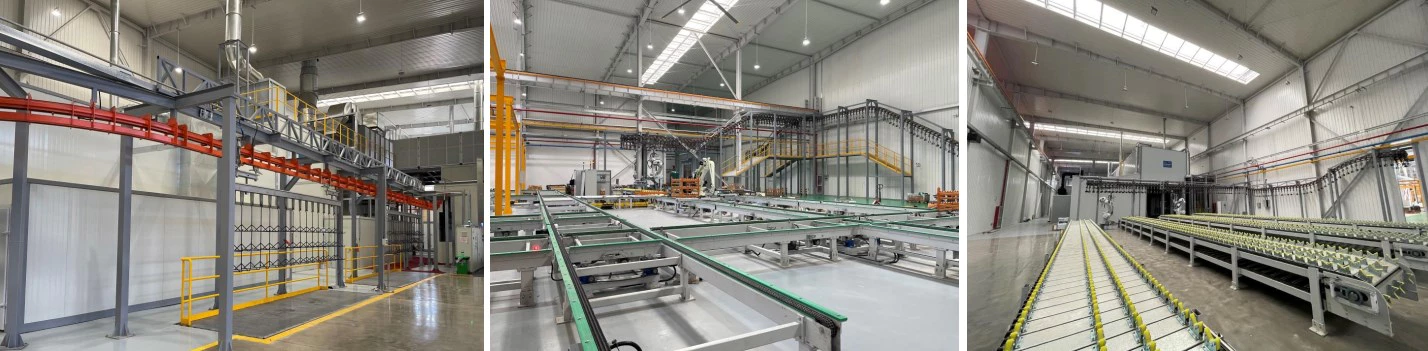
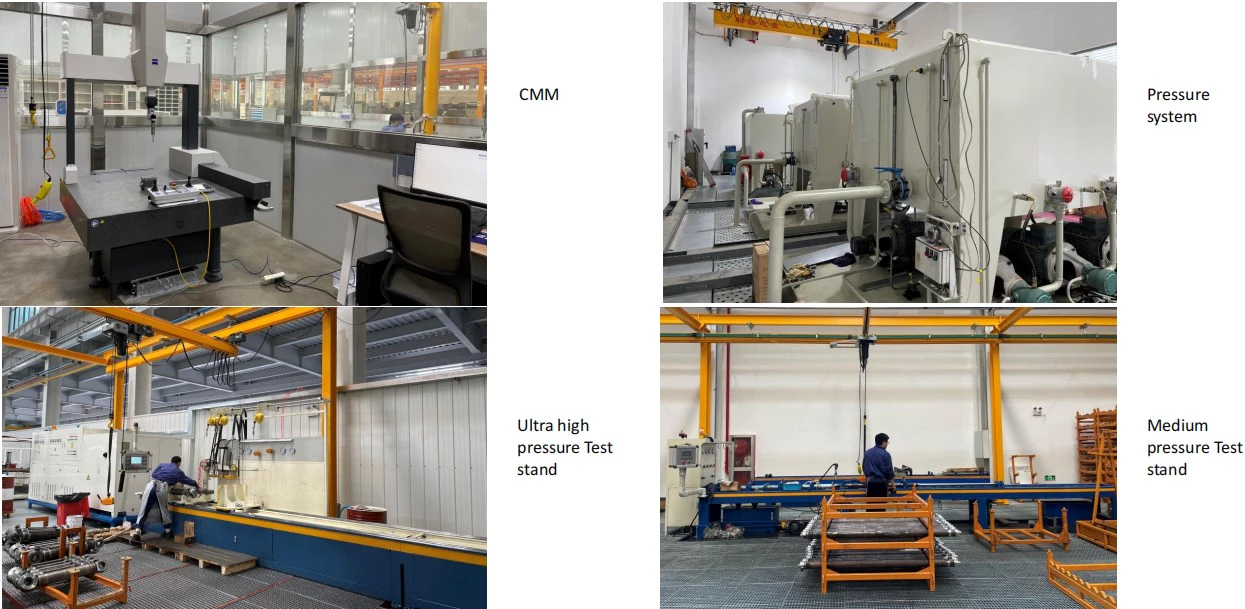
המפעל שלנו 
מידע נוסף
| עָרוּך | מאת hyw |
|---|
מוצרים קשורים
-
החלפת צילינדר היגוי של מלגזה של טויוטה
-
יצרן צילינדרים הידראוליים בעלי פעולה כפולה של 21MPa 13 ק"ג לטרקטור
-
ייצור מקצועי בזול צילינדר הידראולי לפלטפורמת עבודה אווירית
-
צילינדר הטיה למלגזה הידראולית במחיר נמוך מיצרן סין
-
גליל זרוע עליונה הידראולי 100 ק"ג לרכב עבודה אווירי עם בום
-
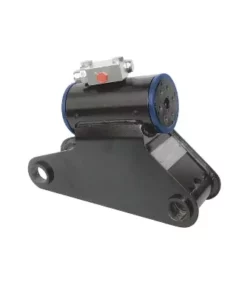
מפעיל סיבובי צילינדר הידראולי לפלטפורמת עבודה אווירית
פירוט מהיר של המוצר:
- סטנדרטי ולא סטנדרטי זמין
- עם איכות גבוהה ומחיר תחרותי
- מסירה מהירה
- אריזה לפי דרישת הלקוח.
אנו מבטיחים להציע את המחיר הטוב ביותר על ידי האיכות הגבוהה בסין! אנו מקבלים גם הזמנה מיוחדת על המוצרים. אם אתה מעוניין במוצרים שלנו. אנא אל תהסס ליידע אותנו. אנו שמחים לתת לך את המידע המפורט. אנו מבטיחים שהמוצרים שלנו יהיו בטיחותיים והיו באיכות גבוהה ובמחיר סביר. אם אתה מעוניין במוצרים שלנו, אנא פנה אלינו בהקדם האפשרי. אנחנו באמת מחפשים את שיתוף הפעולה שלך.
רוב המוצרים שלנו מיוצאים לאירופה או אמריקה, זמינים גם מוצרים סטנדרטיים וגם לא סטנדרטיים. אנחנו יכולים לייצר לפי הציור או המדגם שלך. החומר יכול להיות סטנדרטי או לפי בקשתך המיוחדת. אם אתה בוחר בנו, אתה בוחר אמין.

חומרים זמינים
1. נירוסטה: SS201, SS303, SS304, SS316, SS416, SS420
2. פלדה: C45(K1045), C46(K1046),C20
3. פליז: C36000 (C26800), C37700 (HPb59), C38500(HPb58), C27200(CuZn37), C28000(CuZn40)
4. ברונזה: C51000, C52100, C54400 וכו'
5. ברזל: 1213, 12L14,1215
6. אלומיניום: Al6061, Al6063
7. OEM על פי בקשתך
טיפול שטח
חישול, קנוניזציה טבעית, טיפול בחום, ליטוש, ציפוי ניקל, ציפוי כרום, ציפוי אבץ, פסיביזציה צהובה, פסיביזציה של זהב, סאטן, משטח שחור צבוע וכו'.
שיטת עיבוד
עיבוד CNC, ניקוב, חריטה, כרסום, קידוח, שחיקה, שיפוע, ריתוך והרכבה
QC ותעודה
טכנאים בודקים בעצמם בייצור, בדיקה סופית לפני החבילה על ידי מפקח איכות מקצועי
ISO9001:2008 , ISO14001:2001, ISO/TS 16949:2009
חבילה וזמן אספקה
גודל: שרטוטים
מארז עץ/מכל ומשטח, או לפי מפרט מותאם אישית.
דגימות 15-25 ימים. הזמנה רשמית 30-45 ימים
נמל: נמל שנחאי/נינגבו
 Hebrew
  English
  Bulgarian
  Russian
  Czech
Czech  Bosnian
  Thai
Thai  Arabic
  Chinese
  Swahili
  Amharic
  Japanese
  Korean
  Hungarian
  Spanish
  Azerbaijani
  Greek
Greek  Vietnamese
  Danish
  Malay
Malay  Croatian
  Bengali
  Kyrgyz
  Italian
  Polish
  French
  Kazakh
  Portuguese