
পুরুষ সংযোগকারী-জিই-আর হাইড্রোলিক ফিটিং
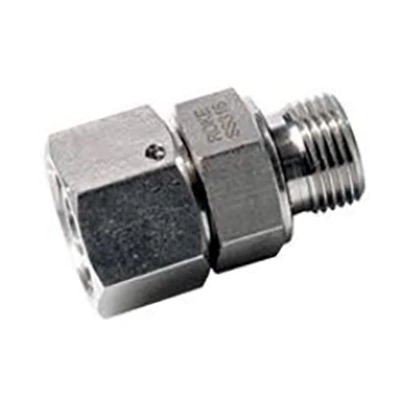
When selecting hydraulic fittings for hydraulic cylinders, it’s essential to consider factors such as the type of hydraulic cylinder (single-acting, double-acting, telescopic, etc.), the cylinder’s operating pressure and flow rate, and the specific requirements of your hydraulic system.
When selecting hydraulic fittings for hydraulic cylinders, it's essential to consider factors such as the type of hydraulic cylinder (single-acting, double-acting, telescopic, etc.), the cylinder's operating pressure and flow rate, and the specific requirements of your hydraulic system.
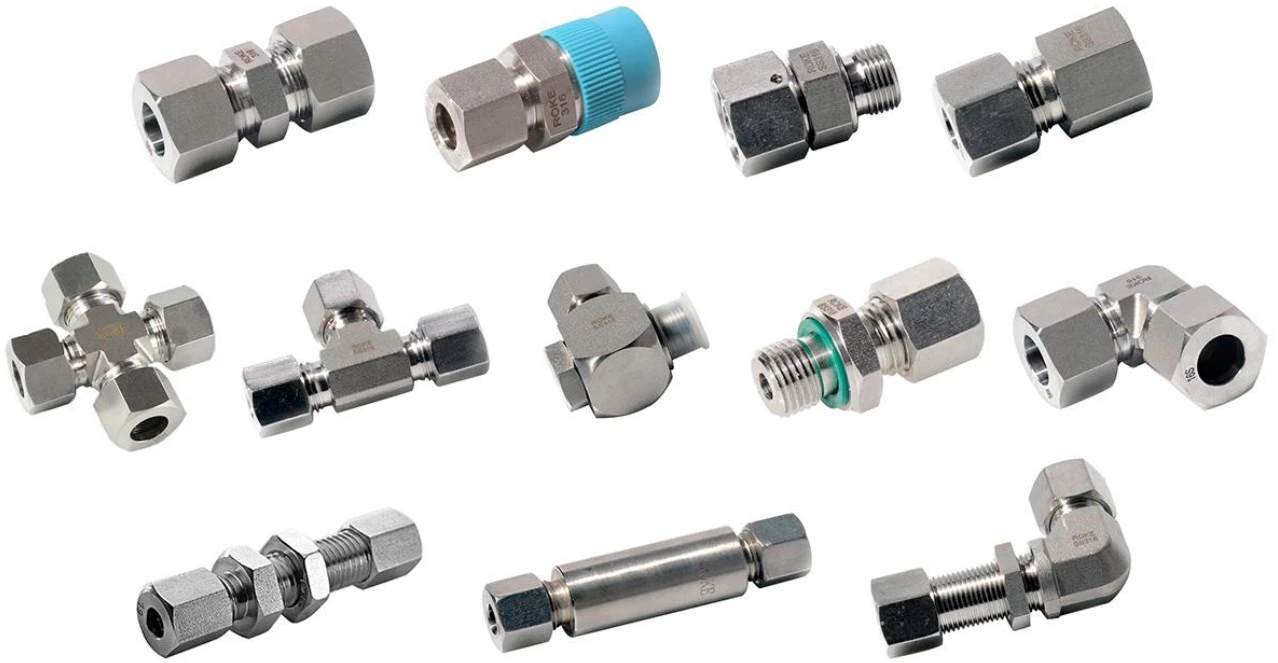
Hydraulic cylinder fittings typically include straight threaded, flange, or welded fittings, depending on the cylinders and the hydraulic system's design and connection requirements.
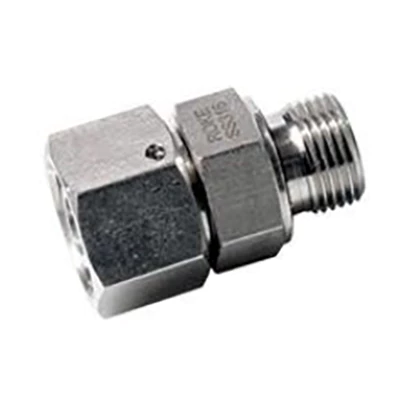
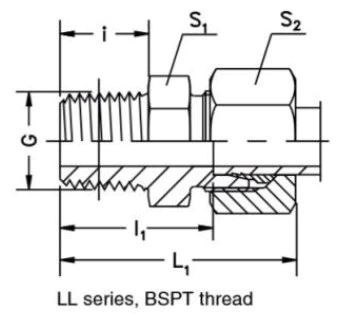
| GE-R অংশ নং। | Series Working চাপ (bar/psi) | নল O.d. | জি Male BSPT | i | l1 | L1 | S1 সম্পর্কে | S2 |
| -GE04LLR1/8 | LL Very light 100 bar 1450 psi | 4 | R1/8 | 10 | 18.5 | 28 | 11 | 10 | |
| -GE06LLR1/8 | 6 | R 1/8 | 10 | 16.5 | 28 | 11 | 12 | ||
| -GE08LLR1/8 | 8 | R 1/8 | 10 | 18.5 | 30 | 12 | 14 | ||
| -GE06LR1/8 | এল Light 315 bar 4560psi | 6 | R 1/8 | 10 | 17 | 32 | 12 | 14 | |
| -GE06LR1/4 | 6 | R 1/4 | 15 | 23 | 38 | 14 | 14 | ||
| -GE08LR1/4 | 8 | R 1/4 | 15 | 23 | 38 | 14 | 17 | ||
| -GE10LR1/4 | 10 | R 1/4 | 15 | 24 | 39 | 17 | 19 | ||
| -GE10LR3/8 | 10 | R 3/8 | 15.3 | 25 | 40 | 19 | 19 | ||
| -GE12LR1/4 | 12 | R 1/4 | 15 | 25 | 40 | 19 | 22 | ||
| -GE12LR3/8 | 12 | R 3/8 | 15.3 | 25 | 40 | 19 | 22 | ||
| -GE12LR1/2 | 12 | R 1/2 | 20 | 30 | 45 | 22 | 22 | ||
| -GE15LR1/2 | 15 | R 1/2 | 20 | 31 | 46 | 24 | 27 | ||
| -GE18LR1/2 | 18 | R 1/2 | 20 | 31.5 | 48 | 27 | 32 | ||
| -GE22LR3/4 | 160bar 2320psi | 22 | R 3/4 | 20 | 33.5 | 50 | 32 | 36 | |
| -GE28LR1 | 28 | R 1 | 25 | 39.5 | 56 | 41 | 41 | ||
| -GE35LR11/4 | 35 | R 1 1/4 | 25.5 | 40.5 | 62 | 46 | 50 | ||
| -GE42LR11/2 | 42 | R 1 1/2 | 26 | 42 | 65 | 55 | 60 | ||
| -GE06SR1/4 | এস heavy 630bar 9130psi | 6 | R 1/4 | 15 | 28 | 43 | 17 | 17 | |
| -GE08SR1/4 | 8 | R 1/4 | 15 | 28 | 43 | 17 | 19 | ||
| -GE10SR1/4 | 10 | R 1/4 | 15 | 27.5 | 44 | 19 | 22 | ||
| -GE10SR3/8 | 10 | R 3/8 | 15.3 | 27.5 | 44 | 19 | 22 | ||
| -GE12SR1/4 | 12 | R 1/4 | 15 | 29.5 | 46 | 22 | 24 | ||
| -GE12SR3/8 | 12 | R 3/8 | 15.3 | 29.5 | 46 | 22 | 24 | ||
| -GE12SR1/2 | 12 | R 1/2 | 20 | 34.5 | 51 | 22 | 24 | ||
| -GE14SR1/2 | 14 | R 1/2 | 20 | 36 | 54 | 24 | 27 | ||
| -GE16SR1/2 | 400bar 5800psi | 16 | R 1/2 | 20 | 35.5 | 54 | 27 | 30 | |
| -GE20SR3/4 | 20 | R 3/4 | 20 | 37.5 | 59 | 32 | 36 | ||
| -GE25SR1 | 25 | R 1 | 25 | 45 | 69 | 41 | 46 | ||
| -GE30SR11/4 | 30 | R 1 1/4 | 25.5 | 46.5 | 73 | 46 | 50 | ||
| -GE38SR11/2 | 315bar 4560psi | 38 | R 1 1/2 | 26 | 49 | 80 | 55 | 56 |
Installation Instructions
The nuts of ROKE hydraulic fittings are all silver plated, and spray nano lubricating layer with our patent. This way, the installation torque can be controlled within a reasonable range.
Especially in the case of narrow space or suspended operation, it makes installation very easy.
For proper assembly, assembly instructions shall be followed. Improper assembly may lead to malfunctions or impair safety.
Assembly in the fitting body
- Cut the tube:1/2˚ angle tolerance to the tube axis is permissible. A tube cutter is not recommended.
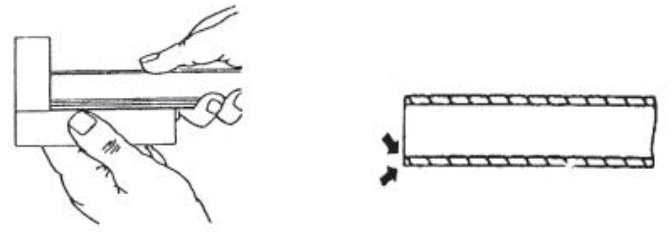
- Lightly remove chips and particles from the inside and outside cut edges of the tube. Bevel up to 0.2mm × 45˚ is permissible.
- For tube bend, the minimum height from the straight pipe end to the bending radius must be at least twice the height of the nut.
- Lubricate the thread and cone of the fitting body, ring, and nut thread.
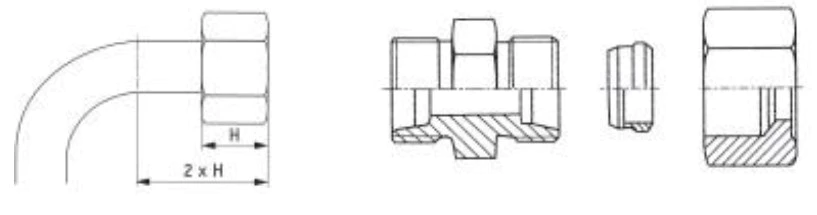
Assembly
- Slip the nut and then ring onto the tube end. Ensure that the ring is placed correctly.
- Screw the nut manually onto the fitting body until the finger is tight. Hold the tube against the shoulder in the cone of the fitting body.
- Mark the nut and tube to measure the prescribed turns of the nut.
- Tighten the nut 1 1/4 turns. The tube must not turn with the tube—the stop edge of the ring limits over-tightening by increasing tightening torque.

Check & Final Assembly
- Loosen nut and remove the ring-mounted tube from the fitting. Check if a visible collar has formed on the pipe before the first cutting edge. If not, tighten slightly more.
- Insert the pre-assembled tube into the fitting. While holding the fitting body with a wrench, tighten nut approx—1/4 revolution beyond the point of a perceptible resistance.

How to select Hydraulic Fittings?
- Selecting the right hydraulic fittings is crucial for ensuring your hydraulic system's reliable and leak-free connection. Here are some important factors to consider when choosing hydraulic fittings:
1. System Requirements: Understand the specifications and requirements of your hydraulic system. Consider factors such as operating pressure, flow rate, temperature range, and the type of fluid being used. Ensure that the fittings you choose can handle the specific demands of your system.
2. Fitting Type: Determine the appropriate fitting type based on the connection requirements of your hydraulic components. Common types of hydraulic fittings include:
- Straight Threaded Fittings: These fittings have threads on the fitting and the component it connects to. Examples include NPT (National Pipe Thread) and BSP (British Standard Pipe) fittings.
- Flange Fittings: Flange fittings provide a secure connection between two flanged components using bolts. They are commonly used in high-pressure applications.
- Quick Disconnect Fittings: These fittings allow for quick and easy connection and disconnection of hydraulic lines, often used in applications requiring frequent changes or maintenance.
- Compression Fittings: Compression fittings use compression rings or ferrules to create a tight seal between the fitting and the tubing or hose.
- O-Ring Face Seal (ORFS) Fittings: ORFS fittings have an O-ring seated in a groove on the fitting, providing a reliable seal and often used in high-pressure applications.
- JIC (Joint Industry Council) Fittings: JIC fittings have a 37-degree flare seat and are commonly used in medium to high-pressure applications.
3. Size and Thread Type: Determine the appropriate size and thread type based on the specific requirements of your hydraulic components. Ensure that the fitting size matches the size of the tubing, hose, or port it will be connected to. Common thread types include NPT, BSP, JIC, and metric.
4. Material and Corrosion Resistance: Consider the fitting material and its compatibility with the used fluid. Common materials include steel, stainless steel, brass, and aluminum. Ensure that the fitting material is suitable for the hydraulic fluid and can withstand the operating conditions of your system. Corrosion resistance is particularly important if the procedure operates in corrosive environments.
5. Expert Guidance: If you are unsure about the selection process or have specific requirements, consult with a hydraulic specialist, a reputable hydraulic supplier, or the manufacturer of your hydraulic components. They can provide expert guidance and help you select the appropriate fittings based on your system's specifications and industry standards.
By considering these factors and seeking professional advice, you can choose the right hydraulic fittings to ensure a safe, efficient, and leak-free hydraulic system.
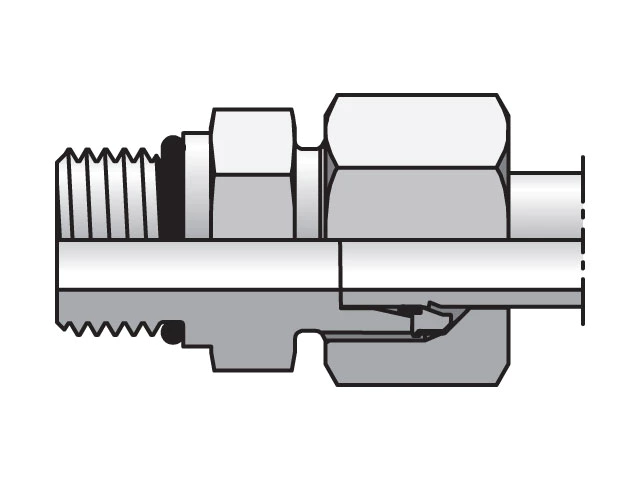
How to maintain Hydraulic Fittings?
- Proper maintenance of hydraulic fittings is essential to ensure the reliability and longevity of your hydraulic system. Here are some guidelines for maintaining hydraulic fittings:
1. Regular Inspection: Perform routine inspections of the hydraulic fittings to check for signs of wear, damage, or leaks. Look for any loose fittings, cracks, corrosion, or worn seals. Inspections should be conducted periodically or as recommended by the manufacturer.
2. Cleanliness: Keep the hydraulic fittings and surrounding areas clean to prevent the ingress of dirt, debris, or contaminants. Before disconnecting or reconnecting fittings, clean the area thoroughly to avoid introducing foreign particles into the system. Use appropriate cleaning methods and ensure that the cleaning agents used are compatible with the hydraulic system.
3. Proper Torque: Ensure that fittings are tightened to the correct torque specifications. Over-tightening can damage the fitting or seals, while under-tightening can lead to leaks. Refer to the manufacturer's recommendations or use a torque wrench to achieve the proper torque values.
4. Avoid Cross-Threaded Connections: When connecting fittings, ensure that they are properly aligned before tightening. Avoid cross-threading, which can damage the threads and compromise the integrity of the connection. Start the threads by hand and make sure they engage smoothly before applying torque.
5. Seal Inspection and Replacement: Inspect the seals regularly for signs of wear, damage, or deterioration. Replace any worn or damaged seals promptly to maintain a proper seal and prevent leaks. Follow the manufacturer's recommendations for seal replacement intervals.
6. Protect from Environmental Factors: Protect hydraulic fittings from harsh environmental conditions such as extreme temperatures, moisture, and chemicals. If the fittings are exposed to corrosive substances, consider using protective coatings or materials to prevent corrosion.
7. Lubrication: Follow the manufacturer's recommendations for lubricating fittings if necessary. Some fittings may require lubrication to ensure smooth operation and to prevent galling or seizing.
8. Proper Handling: Handle hydraulic fittings with care, avoiding impacts or dropping them. Rough handling can cause damage to the fittings, threads, or seals.
9. Documentation and Tracking: Maintain a record of maintenance activities, including inspections, replacements, and repairs. This documentation can help track the history of the fittings and aid in troubleshooting or future maintenance.
10. Training and Expertise: Ensure that personnel involved in hydraulic system maintenance are properly trained and have the necessary expertise. They should be familiar with proper maintenance procedures, safety precautions, and the specific requirements of the hydraulic system and fittings being used.
Following these maintenance practices will help ensure the optimal performance and service life of hydraulic fittings, reducing the risk of leaks, system failures, and costly repairs.
আমাদের কারখানা
 |  |
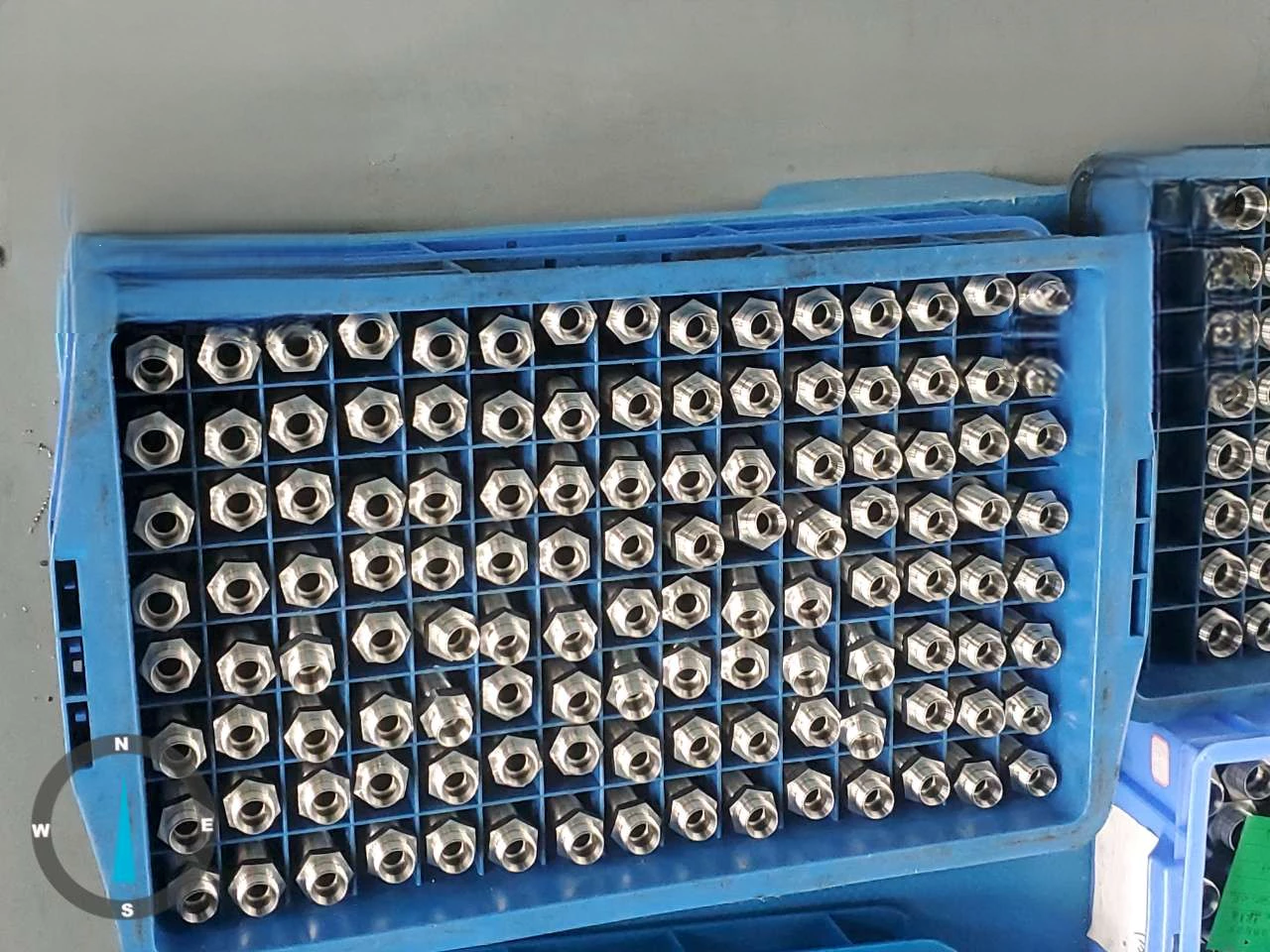 |  |
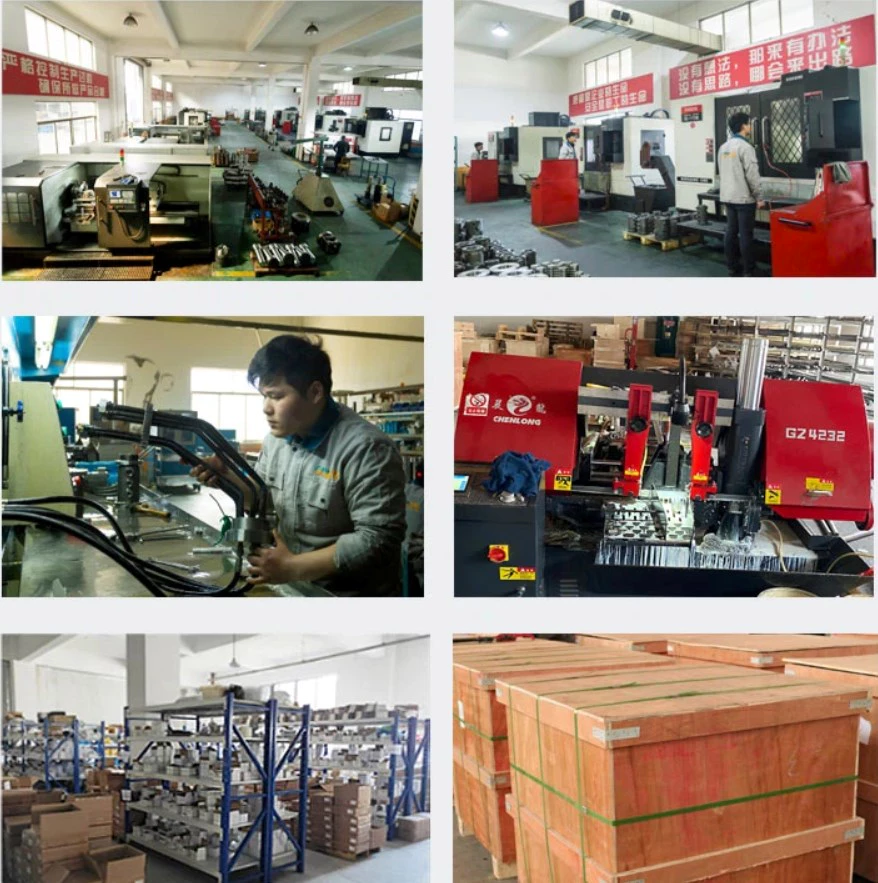
Ever power, the main products of various domestic and international standards of high-pressure ball valves, needle valves, valve manifolds, flange, pipe fittings, tube fittings, and other products, widely used in nuclear power, petroleum, chemical, shipbuilding, sea engineering, metallurgy, machinery, electric power industries, measuring instrument pipeline and the high temperature and high pressure, high corrosion resistance and other harsh conditions of the site.
Our company is approved by the China Classification Society quality certification, with import and export certificates. The company covers an area of 7200 square meters, a construction area of 5400 square meters, and an existing technical staff of more than 60 people. Company production equipment, product manufacturing product design, mold development, mold making material forging, CNC precision machining, metal surface treatment, finished testing a full set of production technology, the production of high precision products, pressure resistant. Products are exported to Japan, Germany, America, South America, Southeast Asia, and many others.
অতিরিক্ত তথ্য
| সম্পাদিত | hyw দ্বারা |
|---|
সংশ্লিষ্ট পণ্য
-
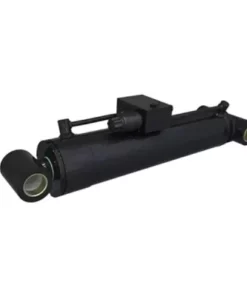
বায়বীয় কাজের প্ল্যাটফর্মের জন্য পেশাদার উত্পাদন সস্তা হাইড্রোলিক লাফিং সিলিন্ডার
-
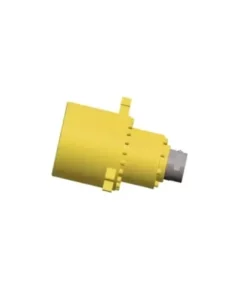
বড় এক্সক্যাভেটরের দামের জন্য ভাল মানের হাইড্রোলিক টাইটেনিং সিলিন্ডার
-
একক অভিনয় হাইড্রোলিক ফর্কলিফ্ট উত্তোলন সিলিন্ডার (ডান) টয়োটার প্রতিস্থাপন
-
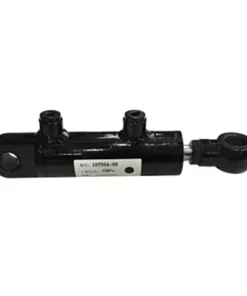
স্যানিটেশন মেশিনের জন্য হাইড্রোলিক লকিং সিলিন্ডার
-
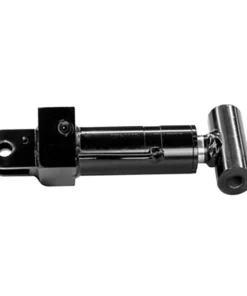
বুম এরিয়াল ওয়ার্ক ভেহিকেলের জন্য চায়না ম্যানুফ্যাকচারার হাইড্রোলিক ফ্লোটিং সিলিন্ডার
-
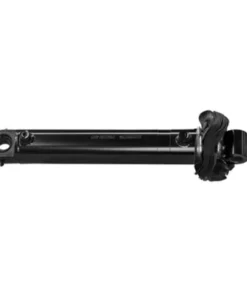
ট্রাক্টরের জন্য 21MPa 13kg ডাবল-অ্যাক্টিং হাইড্রোলিক স্টিয়ারিং সিলিন্ডার প্রস্তুতকারক
পণ্যের দ্রুত বিস্তারিত:
- স্ট্যান্ডার্ড এবং অ-মানক উপলব্ধ
- উচ্চ মানের এবং প্রতিযোগী মূল্য সঙ্গে
- প্রম্পট ডেলিভারি
- গ্রাহকের চাহিদা অনুযায়ী প্যাকিং।
আমরা চীনে উচ্চ মানের দ্বারা সেরা মূল্য অফার করবে প্রতিশ্রুতি! আমরা পণ্য সম্পর্কে বিশেষ আদেশ গ্রহণ. যদি তুমি আমাদের পণ্যে আগ্রহি হও। দয়া করে আমাদের জানাতে দ্বিধা করবেন না। আমরা আপনাকে বিস্তারিত তথ্য দিতে পেরে আনন্দিত। আমরা প্রতিশ্রুতি দিচ্ছি যে আমাদের পণ্যগুলি নিরাপত্তা এবং উচ্চ মানের এবং যুক্তিসঙ্গত মূল্যে ছিল। আপনি যদি আমাদের পণ্য আগ্রহী হন, আমাদের সাথে যোগাযোগ করুন asap.We আন্তরিকভাবে আপনার সহযোগিতার জন্য খুঁজছেন হয়.
আমাদের বেশিরভাগ পণ্য ইউরোপ বা আমেরিকাতে রপ্তানি করা হয়, উভয় মানক এবং অমানক পণ্য উপলব্ধ। আমরা আপনার অঙ্কন বা নমুনা অনুযায়ী উত্পাদন করতে পারেন. উপাদান মান বা আপনার বিশেষ অনুরোধ অনুযায়ী হতে পারে. আপনি যদি আমাদের চয়ন করেন, আপনি নির্ভরযোগ্য চয়ন করুন.

উপকরণ উপলব্ধ
1. স্টেইনলেস স্টীল: SS201, SS303, SS304, SS316, SS416, SS420
2. ইস্পাত: C45(K1045), C46(K1046), C20
3. পিতল
4. ব্রোঞ্জ: C51000, C52100, C54400, ইত্যাদি
5. আয়রন: 1213, 12L14,1215
6. অ্যালুমিনিয়াম: Al6061, Al6063
7. আপনার অনুরোধ অনুযায়ী OEM
সারফেস ট্রিটমেন্ট
অ্যানিলিং, ন্যাচারাল ক্যানোনাইজেশন, হিট ট্রিটমেন্ট, পলিশিং, নিকেল প্লেটিং, ক্রোম প্লেটিং, জিঙ্ক প্লেটিং, হলুদ প্যাসিভাইজেশন, গোল্ড প্যাসিভাইজেশন, সাটিন, ব্ল্যাক সারফেস পেইন্ট করা ইত্যাদি।
প্রক্রিয়াকরণ পদ্ধতি
সিএনসি মেশিনিং, পাঞ্চ, টার্নিং, মিলিং, ড্রিলিং, গ্রাইন্ডিং, ব্রোচিং, ওয়েল্ডিং এবং সমাবেশ
QC এবং সার্টিফিকেট
প্রযুক্তিবিদরা উৎপাদনে স্ব-চেক করুন, পেশাদার গুণমান পরিদর্শক দ্বারা প্যাকেজের আগে চূড়ান্ত-চেক করুন
ISO9001:2008, ISO14001:2001,ISO/TS 16949:2009
প্যাকেজ এবং সীসা সময়
আকার: অঙ্কন
কাঠের কেস/কন্টেইনার এবং প্যালেট, বা কাস্টমাইজড স্পেসিফিকেশন অনুযায়ী।
15-25 দিনের নমুনা। 30-45 দিনের অফিসিয়াল অর্ডার
বন্দর: সাংহাই/নিংবো বন্দর
 Bengali
  English
  Bulgarian
  Russian
  Czech
Czech  Bosnian
  Thai
Thai  Arabic
  Chinese
  Swahili
  Amharic
  Japanese
  Korean
  Hungarian
  Spanish
  Azerbaijani
  Greek
Greek  Vietnamese
  Danish
  Malay
Malay  Hebrew
  Croatian
  Kyrgyz
  Italian
  Polish
  French
  Kazakh
  Portuguese