
Гидравлический плавающий цилиндр китайского производителя для подъемной машины
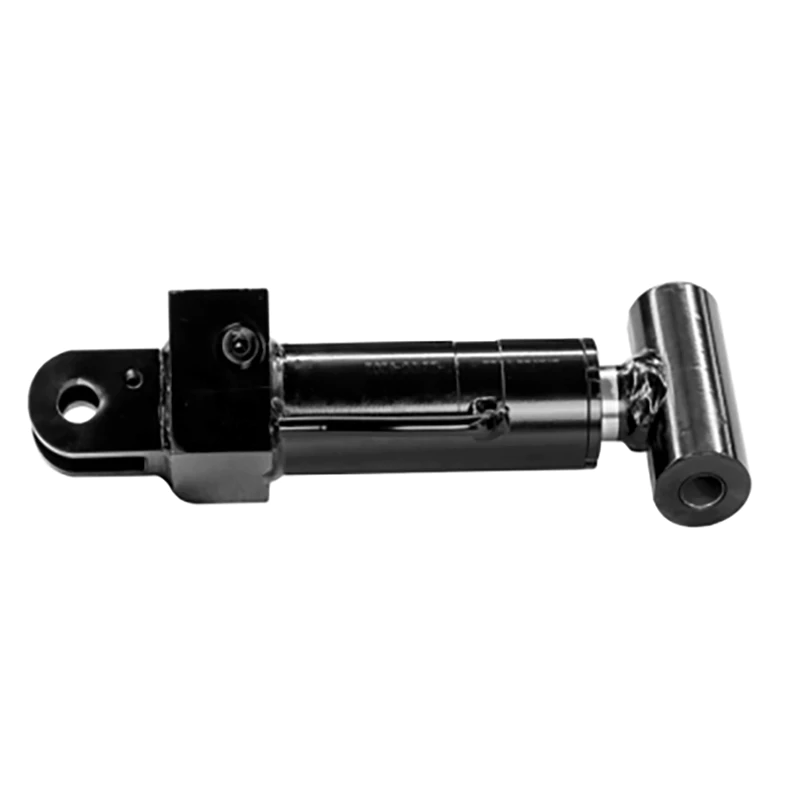
When selecting a hydraulic floating cylinder, it is essential to consider factors such as the load capacity, required movement range, operating pressure, and compatibility with the hydraulic system. Consulting with hydraulic system experts or contacting hydraulic cylinder manufacturers can help select the appropriate hydraulic floating cylinder for a particular application.
What is a hydraulic floating cylinder?
A hydraulic floating cylinder, also known as a floating cylinder or self-aligning cylinder, is designed to allow limited movement or "float" in a particular direction. Unlike standard гидравлические цилиндры fixed in position, a floating cylinder has a floating mount or connection that enables it to move laterally or angularly in response to external forces.
 | 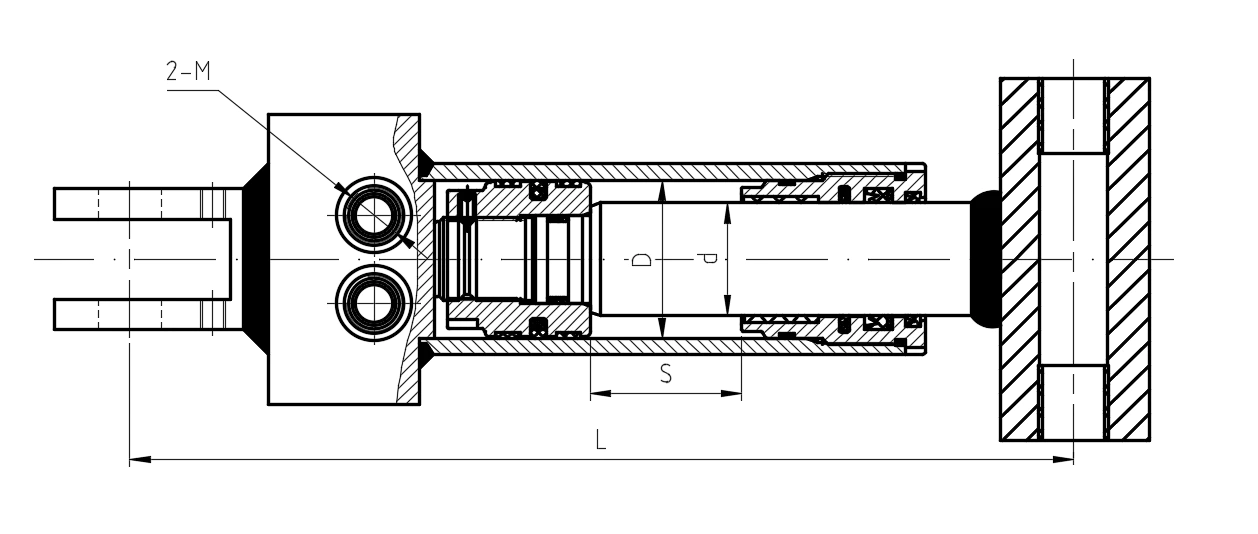 |
| диаметр отверстия (D) | диаметр стержня (d) | инсульт (S) | Расстояние установки (L) | рабочее давление | Размеры интерфейса (М) | масса |
| Φ63 | Φ45 | 60 | 375 | 25МПа | 2-7/8-14UNF | 16kg |
Here are some key points about a hydraulic floating cylinder:
- Floating Mount: A hydraulic floating cylinder is typically mounted on one end with a pivot or a spherical bearing that allows movement in a specific direction. This floating mount allows the cylinder to accommodate misalignment or angular movement between the load and the actuator.
- Self-Aligning Capability: A hydraulic floating cylinder is designed to self-align or adjust its position to match the movement or misalignment of the load or the connected components. It can compensate for minor angular or lateral deviations, ensuring better contact and load distribution between the actuator and the load.
- Load Equalization: One of the primary purposes of a floating cylinder is to distribute the load evenly across the contact surface. Allowing the cylinder to float or move helps minimize stress concentration and excessive wear on the actuator and the load-bearing components.
- Misalignment Compensation: A hydraulic floating cylinder is particularly useful when misalignment between the actuator and the load is joint. They can accommodate minor misalignments caused by structural deflections, thermal expansion, or other factors, thus preventing binding or excessive forces on the system.
- Applications: A hydraulic floating cylinder finds applications in various industries, including construction, material handling, manufacturing, and heavy machinery. They are commonly used in systems where there is a need for flexible movement or compensation for misalignment, such as conveyor systems, rotary equipment, suspended loads, and complex mechanical assemblies.
It's important to note that the floating movement of the cylinder is limited within a specified range or angle. The content of the training depends on the design and specifications of the particular floating cylinder. It is crucial to consider the application requirements and consult with hydraulic system experts or manufacturers to select the appropriate floating cylinder for a specific application.
Overall, a hydraulic floating cylinder provides a practical solution for accommodating misalignment and allowing limited movement in hydraulic systems, contributing to improved performance, load distribution, and longevity of the system components.
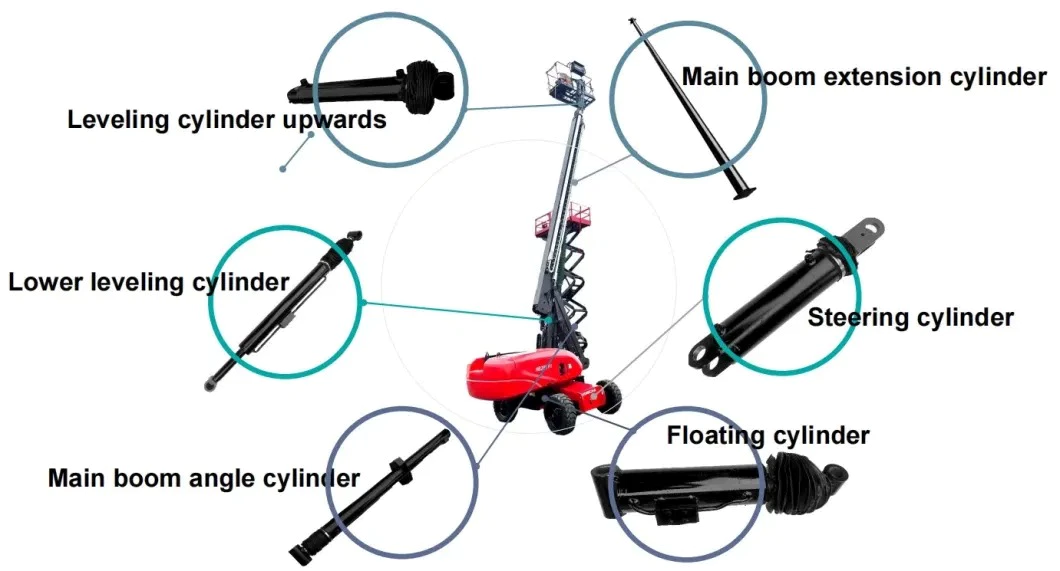
How To Use A Hydraulic Floating Cylinder?
Using a hydraulic floating cylinder involves proper installation, connection to the hydraulic system, and consideration of the specific application requirements. Here are the general steps to use a hydraulic floating cylinder:
1. Installation: Ensure the hydraulic floating cylinder is properly mounted or installed in the desired location. The floating mount or connection should be aligned with the anticipated movement or misalignment the cylinder needs to accommodate.
2. Connection to Hydraulic System: Connect the hydraulic floating cylinder to the hydraulic system of the equipment or machinery. This typically involves attaching hydraulic hoses or pipes to the cylinder's inlet and outlet ports. Ensure that the connections are secure and leak-free.
3. Fluid Reservoir and Pressure: Check the hydraulic fluid reservoir level and ensure it is filled to the recommended level. Verify the hydraulic system has the appropriate operating pressure based on the manufacturer's specifications. Adjust the pressure if necessary, following the guidelines provided by the hydraulic system manufacturer.
4. System Integration: Integrating the hydraulic floating cylinder into the overall system depends on the specific application. This may involve connecting the cylinder to other components, such as valves, controls, or actuators, to achieve the desired movement or functionality.
5. Load Connection: Connect the load or the component that requires movement to the hydraulic floating cylinder. Ensure the load is secured correctly and aligned with the cylinder's floating mount. Consider any necessary adjustments or attachments to achieve a stable and safe connection.
6. Testing and Adjustment: Before putting the hydraulic floating cylinder into regular operation, perform a thorough system check and test. Activate the hydraulic system and observe the movement of the cylinder and the load. Verify that the floating mount allows the desired range of motion and compensates for misalignment as intended. Make any necessary adjustments or alignments to ensure optimal performance.
7. Operation and Maintenance: Once the hydraulic floating cylinder is installed correctly and tested, it can be used regularly. Operate the hydraulic system according to the equipment's requirements and the load's movement needs. Follow the recommended maintenance practices, including regular inspections, fluid checks, and seal replacements, to ensure the longevity and reliability of the hydraulic floating cylinder.
It's important to note that the specific steps may vary depending on the equipment or machinery involved and the manufacturer's instructions. Always refer to the manufacturer's documentation, operation manuals, and guidelines for the specific hydraulic floating cylinder to ensure proper usage and safety.
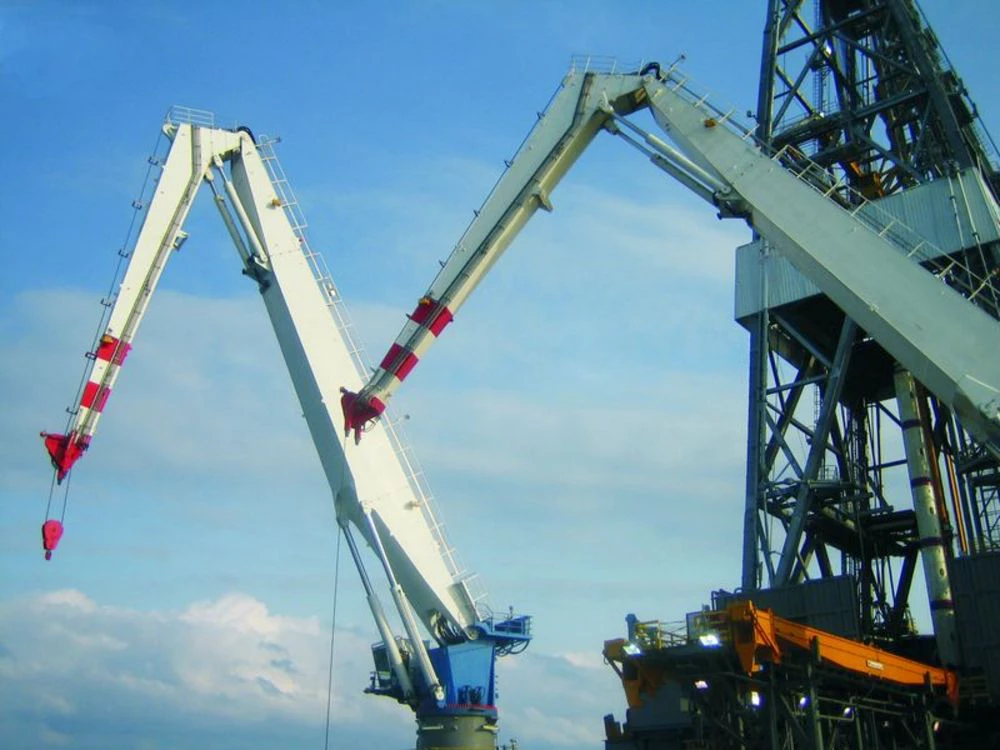
Этапы работы продукта

Наша фабрика
 |  |
Details
| отредактировано | по гив |
|---|
Похожие товары
-
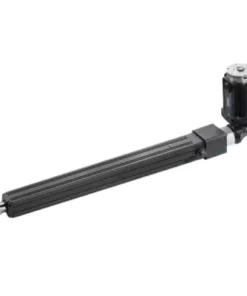
Замена гидравлического электрического цилиндра подъемной рабочей платформы для тяжелых условий эксплуатации Toyota
-
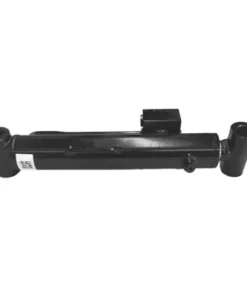
100-килограммовый гидравлический цилиндр верхней стрелы для подъемной машины
-
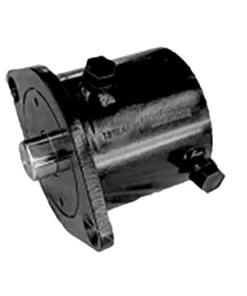
Ремонт и замена цилиндра наклона вилочного погрузчика 18 МПа 3,4 кг Toyota
-
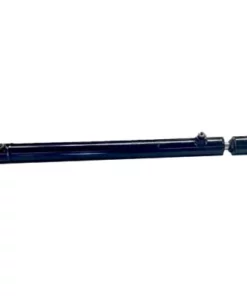
Замена гидравлического цилиндра регулировки расстояния вилочного погрузчика 15 МПа 13 кг Toyota
-
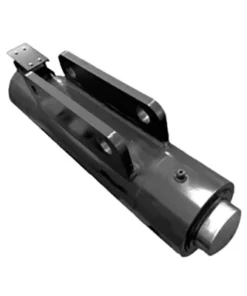
Различные гидравлические цилиндры противовеса хорошего качества для кранов
-
Гидравлические запорные цилиндры для санитарно-технического оборудования
Продукт Быстрая деталь:
- Доступны стандартные и нестандартные варианты
- С высоким качеством и конкурентоспособной ценой
- Оперативная доставка
- Упаковка в соответствии с требованиями заказчика.
Мы обещаем предложить лучшую цену и высокое качество в Китае! Мы также принимаем специальные заказы на продукцию. Если вы заинтересованы в нашей продукции. Пожалуйста, не стесняйтесь, дайте нам знать. Мы рады предоставить вам подробную информацию. Мы обещаем, что наши продукты будут безопасности и были в высоком качестве и разумной цене. Если вы заинтересованы в нашей продукции, пожалуйста, свяжитесь с нами как можно скорее. Мы искренне стремимся к вашему сотрудничеству.
Большая часть нашей продукции экспортируется в Европу и Америку, имеются как стандартные, так и нестандартные изделия. Мы можем производить продукцию в соответствии с вашим чертежом или образцом. Материал может быть стандартным или по вашему специальному запросу. Если вы выбираете нас, вы выбираете надежность.

Доступные материалы
1. Нержавеющая сталь: SS201, SS303, SS304, SS316, SS416, SS420
2. Steel:C45(K1045), C46(K1046),C20
3. Латунь: C36000 (C26800), C37700 (HPb59), C38500 (HPb58), C27200 (CuZn37), C28000 (CuZn40)
4. Бронза: C51000, C52100, C54400 и т.д.
5. Железо: 1213, 12L14, 1215
6. Алюминий: Al6061, Al6063
7.OEM согласно вашему запросу
Обработка поверхности
Отжиг, естественная канонизация, термообработка, полировка, никелирование, хромирование, цинкование, желтая пассивация, золотая пассивация, сатинирование, черная окрашенная поверхность и т.д.
Метод обработки
Обработка с ЧПУ, штамповка, токарная обработка, фрезерование, сверление, шлифовка, протяжка, сварка и сборка
Контроль качества и сертификат
Самопроверка техники в производстве, окончательная проверка перед упаковкой профессиональным инспектором качества
ISO9001:2008, ISO14001:2001, ISO/TS 16949:2009
Упаковка и время выполнения
Размер: Рисунки
Деревянный ящик/контейнер и поддон, или в соответствии с индивидуальными спецификациями.
15-25 дней образцы. 30-45 дней официальный заказ
Порт: Шанхай/Нинбо порт
 Russian
  English
  Bulgarian
  Czech
Czech  Bosnian
  Thai
Thai  Arabic
  Chinese
  Swahili
  Amharic
  Japanese
  Korean
  Hungarian
  Spanish
  Azerbaijani
  Greek
Greek  Vietnamese
  Danish
  Malay
Malay  Hebrew
  Croatian
  Bengali
  Kyrgyz
  Italian
  Polish
  French
  Kazakh
  Portuguese